

The story: security rules that quietly redraw the sky for storytellers
Drone journalism regulations and aerial photography restrictions are a fast-expanding web of security rules, import bans, and flight limits that increasingly determine which drones professionals can buy, where they can fly them, and whether their newsgathering and documentary work remains lawful and practical at all. At the center of the latest storm are FCC DJI fines and a proposed FAA rule that together threaten to turn filmmakers’ gear choices and flight plans into a legal minefield rather than a creative decision. This is not a theoretical policy debate; it is a direct hit on how we document wars, disasters, climate change, and protests from the air. And so far, storytellers are paying the price for decisions made in the name of abstract national security.
Regulators have now opened a two‑front campaign: one against the pipeline that feeds DJI‑branded and DJI‑adjacent hardware into the market, and another against the airspace over vast categories of infrastructure. On the ground, that means documentary teams wondering whether their next drone is legal to import, and in the air, pilots trying to thread shrinking corridors of flyable sky without trampling uncertain rules. The result is quiet censorship by uncertainty: work that never gets shot because producers cannot risk non‑compliance.
FCC DJI fines: targeting importers but spooking everyone downstream
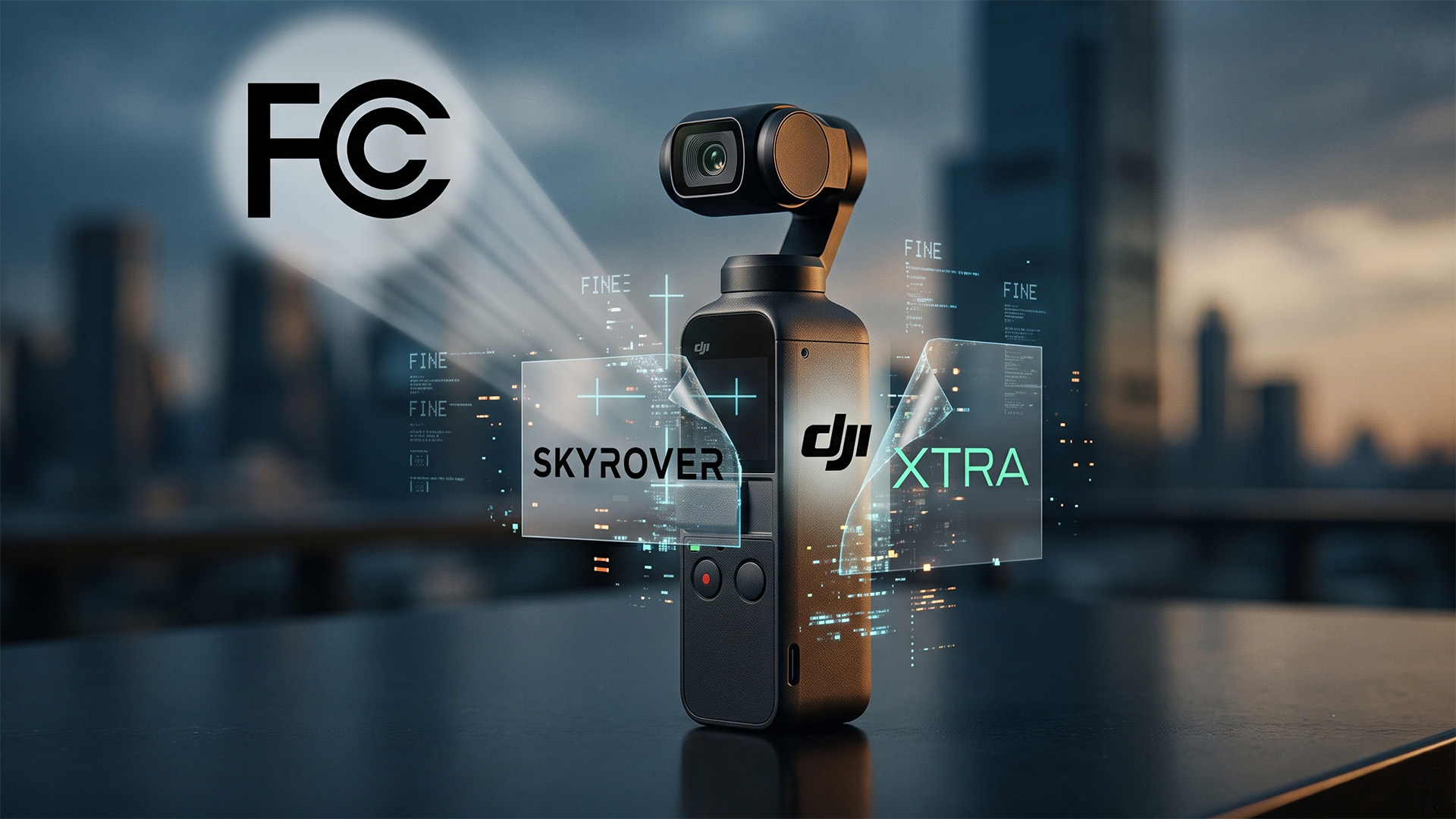
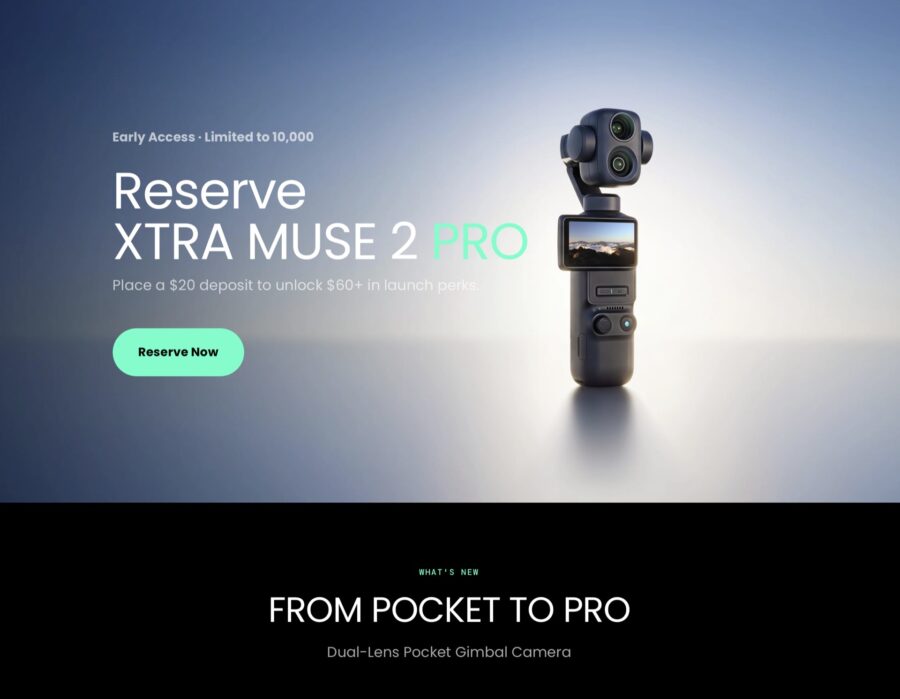
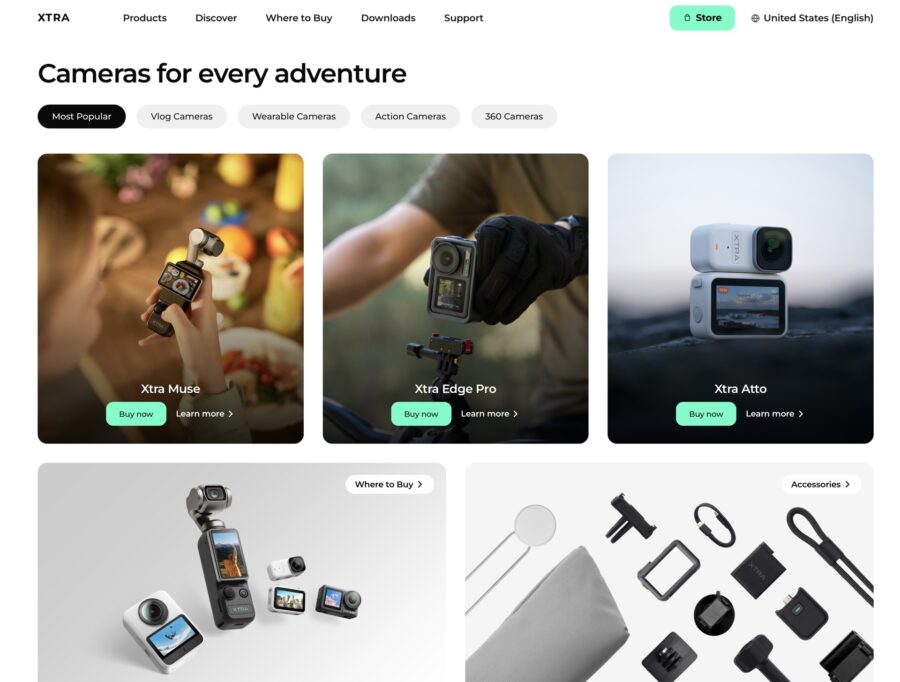
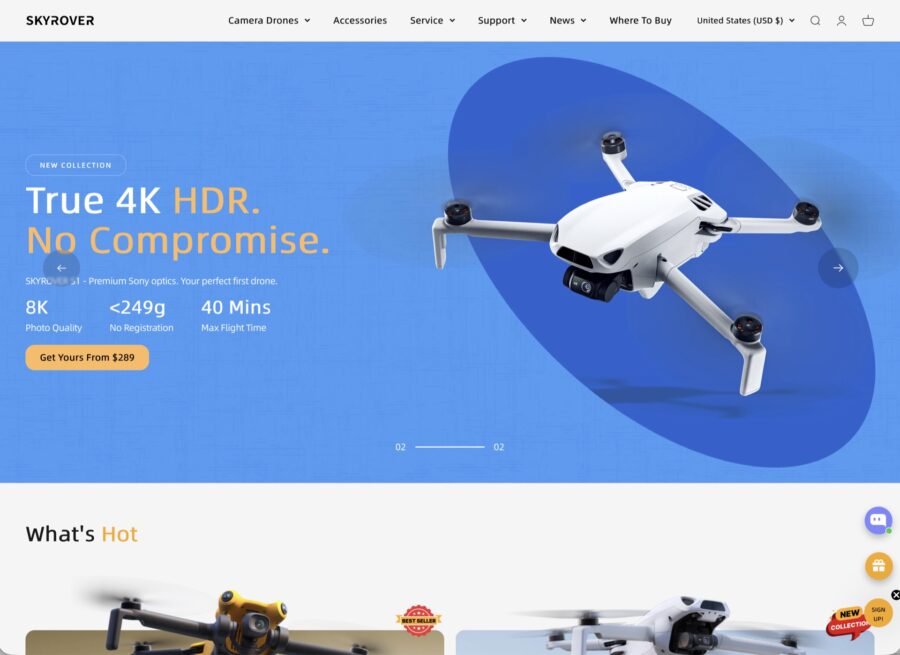
The latest FCC DJI fines land on eight companies that regulators say ignored formal questions about importing and selling wireless gear potentially tied to DJI technology. Each company faces a USD 25,000 (approx. ₱1,400,000) penalty and a deadline of July 20 to answer before tougher action follows. The named firms—Cogito Tech, Fixaxo Technology, Lyno Dynamics, Skyhigh Tech, Spatial Hover, SZ Knowact, WaveGo Tech, and Xtra Technology—have been linked to DJI‑style drones and cameras sold under different brands, such as Skyrover and lookalike action cameras. Formally, they are being punished for silence, not for a proven security risk in their products.
On paper, this seems narrow. In practice, it sends a blunt message down the supply chain. Filmmakers are told that the “immediate takeaway is continuity rather than panic” and that existing gear remains legal because the action targets importers and certification, not end users. But that reassurance rings thin when the same enforcement framework lets the FCC revoke approvals retroactively for any product containing a component from a listed company, and when entire test labs that certified DJI‑derived gear are suddenly in the crosshairs. Combined, these steps do not only discipline a few shell firms—they undermine confidence that any drone or camera sharing DJI communications technology will stay compliant for the lifespan of a project.
From covered lists to shrinking shelves: how filmmakers lose
The deeper problem is that policy architects treat aerial imaging hardware as interchangeable widgets, while documentary and news teams experience them as irreplaceable tools. The FCC has already placed foreign drone makers on a “Covered List,” cutting off new equipment authorizations on national‑security grounds. As one trade analysis notes, authorities have tightened restrictions “from the Section 1709 audit standoff to the moment the FCC added the company and effectively all foreign-made drones to its Covered List.” That move does not ground drones already in use but aggressively narrows what can be brought in next.
For filmmakers, this shows up as disappearing product filings, uncertain warranties, and dealers unable to say whether a new aerial system will be legal to sell six months from now. Enforcement is “aimed less at any single device than at the whole pipeline that has kept DJI-adjacent gear flowing into the country,” creating a moving compliance target that favors large studios and punishes small teams. As one industry observer bluntly puts it, “The people who are hurt the most by the DJI ban in the US are filmmakers and creators who lose access to affordable, class-leading tools that no domestic maker currently can match.” This is filmmaker equipment compliance by attrition: make the pipeline unreliable enough, and creative options shrink on their own.
Section 2209: when airspace rules become information controls
At the same time, aviation regulators are considering drone journalism regulations that could quietly redraw where storytelling from the sky is possible at all. Under proposed Section 2209 rules, operators of critical sites like prisons and nuclear plants could seek formal restrictions on drone flights overhead. The rule would stretch to facilities in 16 sectors, from energy and transportation to healthcare and financial services, potentially creating a vast mosaic of no‑fly zones wherever power is generated, water is treated, or commerce is handled.
Civil liberties groups warn that this mosaic could harden into a barrier against reporting. In formal comments, the ACLU, CDT, EFF, and EPIC argue that, if applied too broadly, Section 2209 could “squelch important independent drone-based journalism.” They caution that overlapping restrictions may “significantly restrict, burden and impose barriers on drone operations by journalists, ordinary people, and ordinary people engaging in journalism.” According to this coalition, journalism and newsgathering must be woven directly into how flight restrictions are crafted, not treated as an afterthought. Yet the rulemaking is being driven by facility owners who have long sought these powers, which means the loudest voices are those most eager to keep cameras—especially airborne ones—at a distance.
Aerial storytelling at risk: where filmmakers go from here
Taken together, the FCC’s import crackdown and the FAA’s expansive Section 2209 proposal are less a set of tidy regulations than a creeping chill on aerial storytelling. They make owning a drone a compliance gamble, and flying one for news or documentary work a mapping exercise through invisible tripwires. For now, existing gear remains lawful to use, and the Section 2209 rule is still under public comment until August 5, after the window was extended from July 6 with 578 comments already logged. Those facts should embolden filmmakers, producers, and press advocates to engage rather than retreat.
The path forward is not blind defiance of security concerns; it is insisting that those concerns be balanced against the public’s right to see what is happening on the ground—and from above. That means pressing regulators to narrow the Covered List’s collateral damage, demanding that equipment rules focus on verifiable technical risks rather than brand guilt‑by‑association, and fighting for explicit First Amendment protections in drone flight restrictions. If policymakers will not hear that argument from filmmakers and aerial journalists now, they may only notice what has been lost when the skies fall silent over the next disaster or protest—and the documentary that should have existed never does.