
The new enforcement landscape: security policy meets set life
The current DJI FCC fines and broader drone regulatory restrictions describe an emerging enforcement regime where security‑driven bans on wireless technologies spill over into camera drones, lookalike gear, and even journalistic drone use, reshaping how professionals can buy, certify, and fly their tools for commercial and creative work.
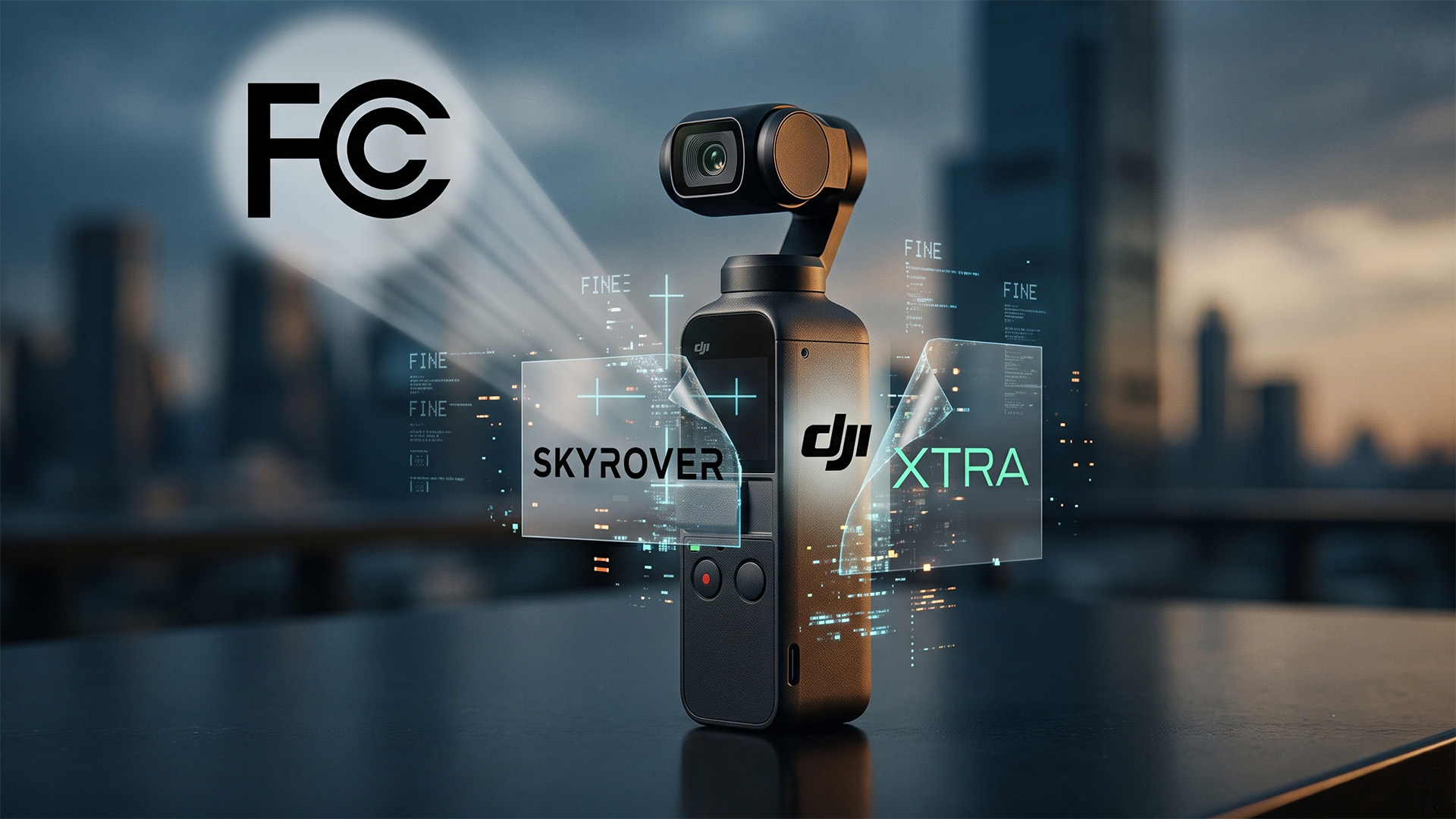
Regulators are not banning creativity in name, but in effect. The FCC has launched enforcement action against eight companies it says failed to answer inquiries about importing and selling wireless products linked to DJI technology, issuing each a USD 25,000 (approx. ₱1,400,000) fine after they allegedly ignored letters about their operations. These firms—Cogito Tech, Fixaxo Technology, Lyno Dynamics, Skyhigh Tech, Spatial Hover, SZ Knowact, WaveGo Tech, and Xtra Technology—now have until July 20 to respond before further enforcement. At the same time, civil liberties groups warn that proposed FAA flight limits around sensitive sites risk creating a maze of no‑go zones for drone journalism. The headline message is clear: the state is tightening its grip on the airspace and the hardware, and working professionals are absorbing the shock.
Beyond DJI logos: front companies, lookalike cameras and drone import regulations
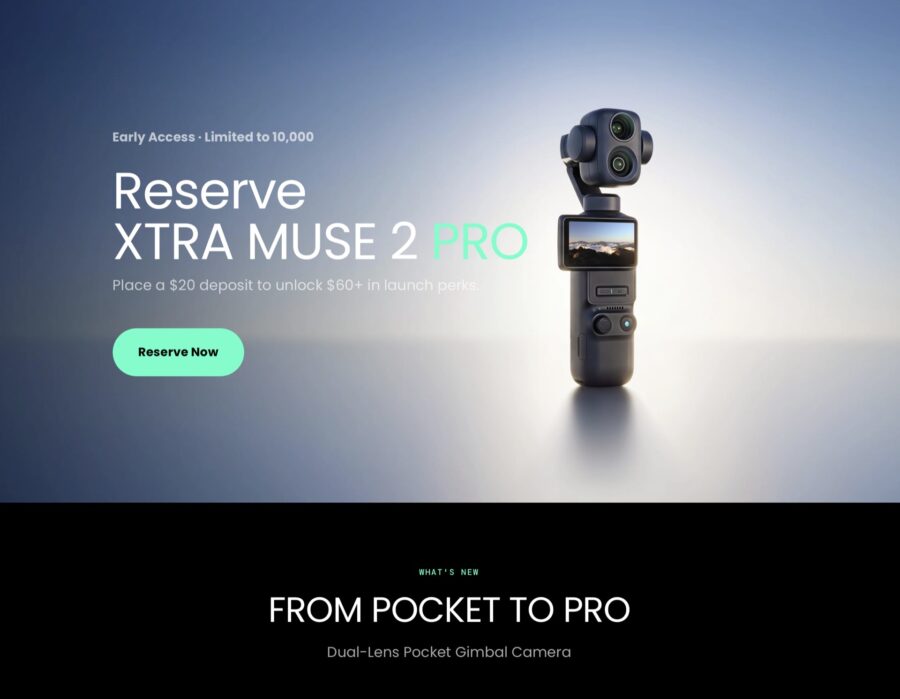
The latest wave of commercial drone enforcement is not even about named DJI products; it is about anything that smells like them. The FCC’s action comes amid growing scrutiny of alleged “front companies” selling gear based on DJI technology under new brand identities, from Skyrover‑branded drones to action cameras that mirror DJI’s Osmo Action lineup. Xtra Technology, for example, has marketed cameras that closely resemble DJI’s pocketable models, while SZ Knowact and WaveGo Tech have been tied to Skyrover drones.
The legal lever is radio, not optics. Drone import regulations require FCC authorization for any radio‑transmitting device before it can be imported, marketed, or sold. Once the FCC added foreign drone makers to its Covered List on national‑security grounds, it blocked new authorizations for those companies and gave itself power to revisit previous approvals. The current fines are technically for failing to answer letters of inquiry, not for selling specific models, but the direction of travel is obvious: if a drone or camera contains communications technology linked to a listed firm, its legal footing can evaporate overnight.

On the ground: filmmakers get continuity today, uncertainty tomorrow
For professional filmmakers and commercial operators, the most frustrating part is the gap between the official target—national security risks—and the practical effect, which is shrinking choice and rising uncertainty. For filmmakers, the immediate takeaway is continuity rather than panic: gear already in your kit remains legal to use, and this round of action is aimed at importers and certification processes, not at end users. No one is knocking on the door of a small aerial cinematography shop because it owns a fleet of older drones.
But continuity is not the same as stability. Because wireless devices on the Covered List cannot receive new authorizations, affected manufacturers are effectively locked out of introducing updated models to the market. As one analysis put it, “The people who are hurt the most by the DJI ban in the US are filmmakers and creators who lose access to affordable, class-leading tools that no domestic maker currently can match.” Crews planning long‑term productions now have to ask whether a newly purchased platform will still be maintainable or insurable two years from now—and no regulator is offering clear answers.
Drone journalism in the crosshairs of overlapping rules
While the FCC tightens control over hardware, the FAA is shaping how—and where—that hardware can fly. A coalition including the ACLU, the Center for Democracy and Technology, the Electronic Frontier Foundation, and the Electronic Privacy Information Center has warned that a proposed Section 2209 rule could smother drone journalism if written too broadly. The rule would let operators of key facilities such as prisons, nuclear plants, and other sites across 16 economic sectors ask for formal flight restrictions over their locations.
The concern is not one or two sensitive zones, but a “dense patchwork of restrictions that together create confusion and significantly restrict, burden and impose barriers on drone operations by journalists, ordinary people, and ordinary people engaging in journalism.” As of July 13, the FAA had already logged 578 comments on the proposal and extended the comment period to August 5. Civil liberties advocates argue that, given the central importance of newsgathering, the agency must explicitly protect First Amendment uses of drones rather than treat them as collateral damage to security planning.

Security vs. creativity: what a better balance would look like
National security and safety are real concerns; pretending otherwise helps nobody. The FCC added foreign drone manufacturers to its Covered List because it considers some RF technologies an “unacceptable risk” to security. Owners of critical infrastructure have long pressed for more tools to keep drones away from sensitive sites. But for all the serious language, the tangible impact lands first on American filmmakers, creators, journalists, and public‑safety teams who lose access to tools that currently offer unmatched price‑to‑performance ratios.
A smarter approach would draw bright lines. If a radio system or data path is risky, regulators should define technical standards that make it safe, rather than blacklisting entire ecosystems and the creative work built on top of them. Section 2209 restrictions should be tightly scoped to the most serious targets and paired with explicit protections for drone‑based newsgathering. The alternative is where we are drifting now: a world in which security rules are written in broad strokes, and professional drone operators discover their workflows have been redesigned for them, without a seat at the table.