
One Camera, Every Shot: Why the RX10 V Matters
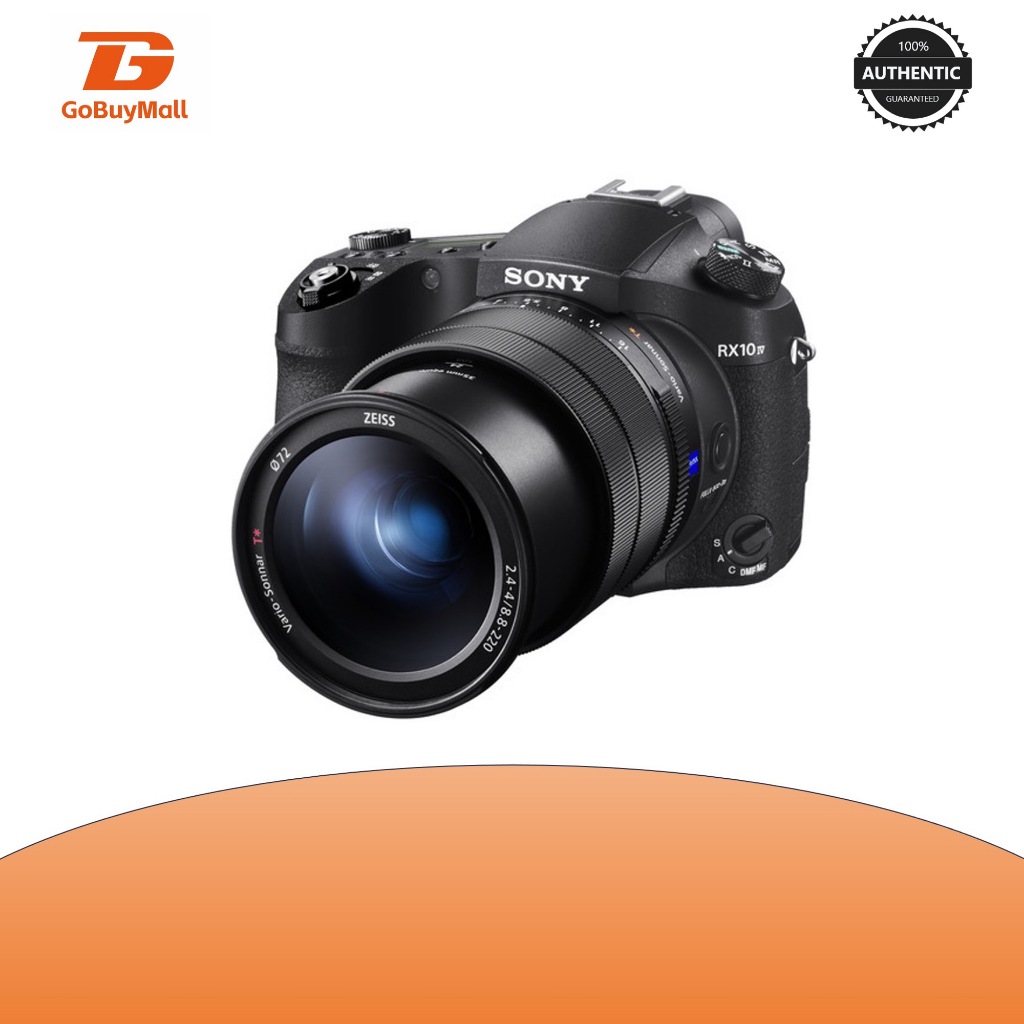
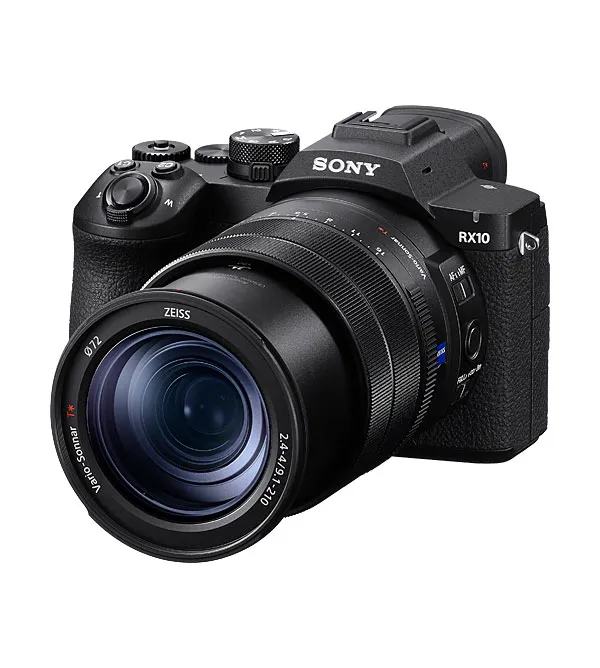
The Sony RX10 V camera is a superzoom bridge camera with a fixed 24-600mm ZEISS lens, AI-powered autofocus, high-speed stills, and advanced 4K video tools, designed to replace multiple interchangeable lenses and serve as a travel camera all-in-one for photography and hybrid shooting across everyday moments, sports, and wildlife. Sony has announced the RX10 V as the fifth generation of its all-in-one RX10 series, bringing the first major refresh in years. The point is not incremental specs; it is a clear statement that a single integrated body can cover wide landscapes, tight portraits, and distant wildlife without a lens swap. In an era where many enthusiasts are buried under gear choices, the RX10 V offers a blunt counter-argument: take one camera, stop worrying about your kit, and concentrate on the shot instead.
The 24-600mm ZEISS Lens: A Bag of Glass in One Barrel
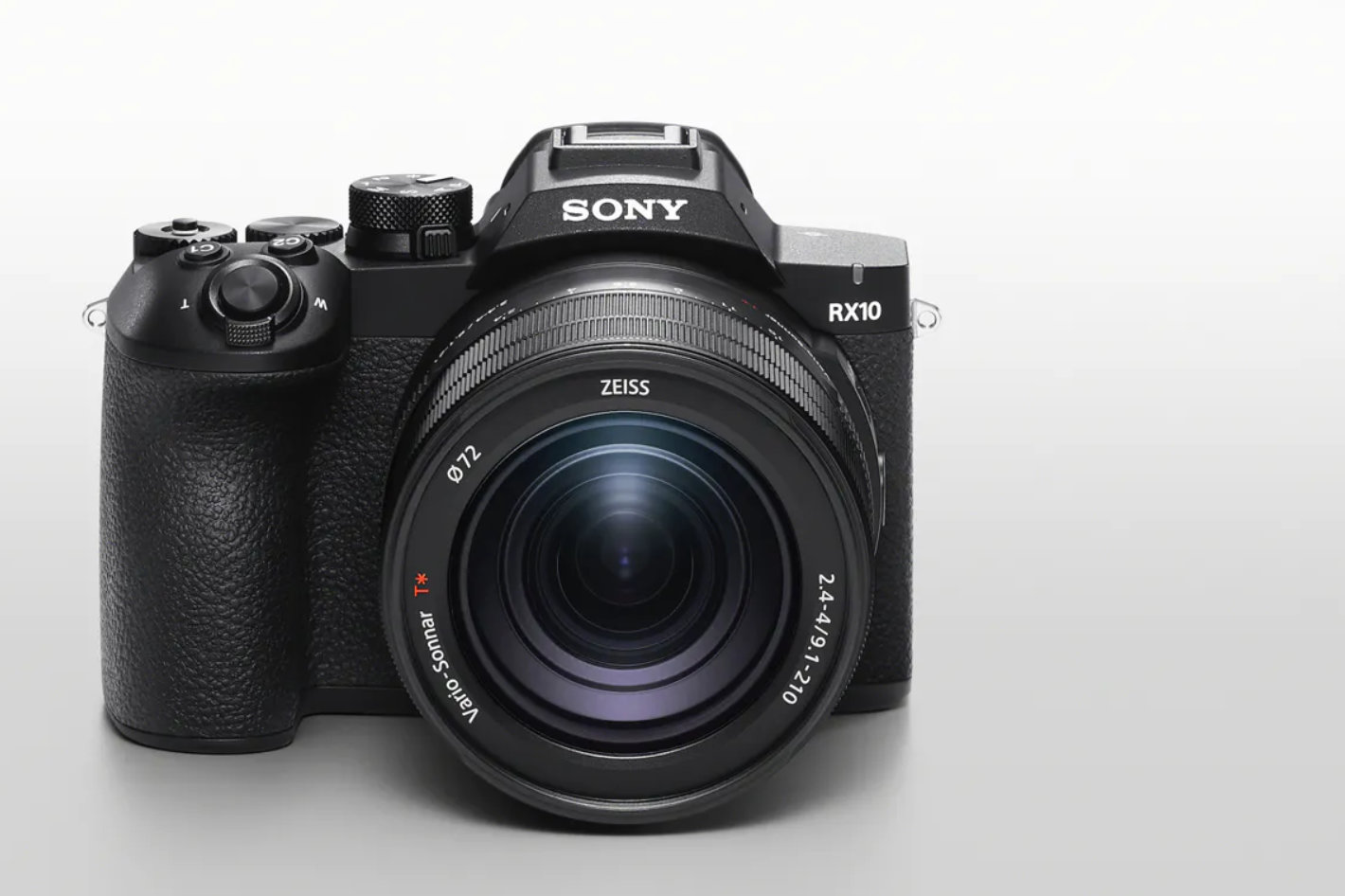
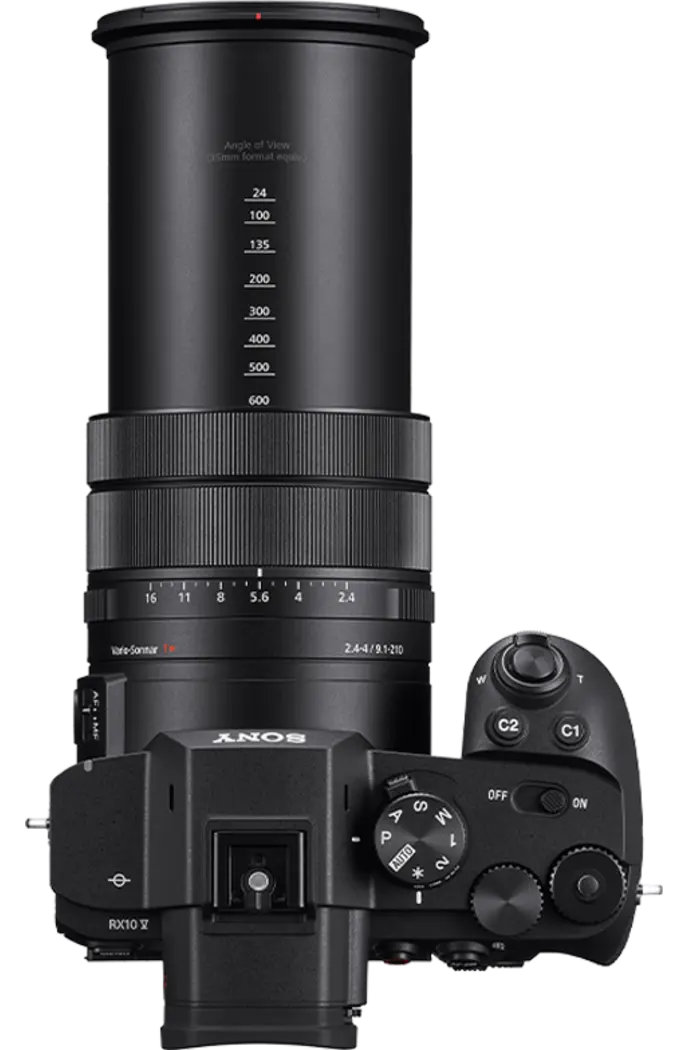
The RX10 V’s biggest statement is its 24-600mm equivalent f/2.4-4.0 ZEISS Vario-Sonnar T* lens with 25x optical zoom and optical image stabilization. That range usually means lugging two or three chunky zooms; here, it lives in one fixed lens. As one early shooter put it, a 24-600mm reach "normally equates to carrying a bag full of glass, but on the RX10 V, all of those focal lengths live in a single lens." For travel photographers and hobbyists, this is the real revolution: fewer decisions, less weight, less missed moments. You can frame a wide environmental shot at 24mm and roll smoothly to 600mm for a tight wildlife portrait without changing lenses or exposing the sensor. Close-focusing down to about 3cm at the wide end and tele-macro at 600mm means this lens also eats into macro territory.
AI Autofocus and Speed: Built for Action, Not Spec Sheets
Sony did not stop at reach; it backed the lens with AI autofocus performance that targets real-world chaos. The RX10 V adds an AI-powered Real-time Recognition AF system that identifies people, animals, birds, insects, cars, trains, and airplanes, with an Auto mode that guesses the subject type for you. In practice, this tracking has already proved its worth, locking onto birds diving over busy backgrounds with ease. Under the hood, the BIONZ XR engine and dedicated AI chip run AF/AE calculations at up to 60 times per second while delivering blackout-free shooting at up to 30 frames per second. That combination turns this superzoom bridge camera into a credible tool for school sports, local wildlife, and everyday action where mirrorless systems once felt mandatory. You are no longer choosing between convenience and responsiveness; you get both.

Hybrid Creators: 4K 120p Video in a Travel-Friendly Body
Hybrid shooters are the RX10 V’s quiet power users. The camera records 4K/60p with no crop and 4K/120p for up to 5x slow motion, backed by 10-bit 4:2:2 internal recording, S-Cinetone, S-Log3, and support for imported LUTs. Active Mode stabilization and optical image stabilization on the 24-600mm ZEISS lens help keep handheld footage steadier, even at super-telephoto. A digital audio interface on the Multi Interface Shoe allows clean sound with compatible microphones, and tools like Auto Framing use AI subject recognition to keep your subject centered during recording. Combined with a 20.1MP 1.0-type stacked Exmor RS CMOS sensor, the RX10 V offers soft, natural background blur and detailed 4K output without the bulk of a full mirrorless rig. For travel creators who move between stills, video, and even 4K live streaming, one body is now enough.
Real-World Usability and the Case for an All-in-One
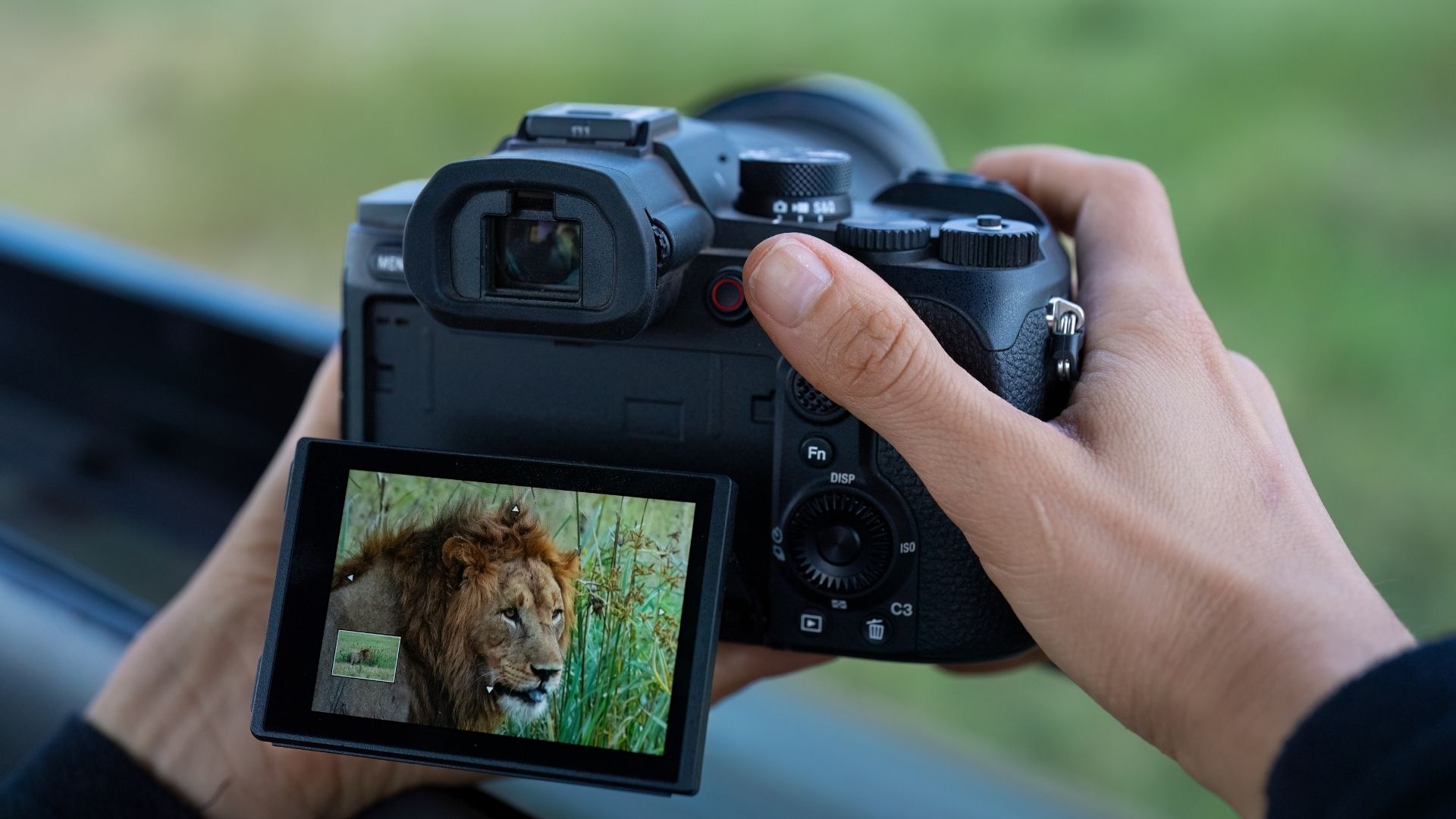
The RX10 V’s appeal comes from how it behaves outside spec lists. After shooting everything from a football match to family outings with the RX10 V, one reviewer noted how "little I thought about managing a bunch of gear" and described being able to cover a wide range of subjects with a single camera and lens as "liberating." Ergonomics borrow heavily from Sony’s Alpha mirrorless line, adding a larger Quad-VGA OLED viewfinder with about 3.68 million dots and 0.78x magnification, a sharper tilting rear screen, and a useful thumb joystick. Battery life jumps to around 630 shots using the NP-FZ100 pack, roughly 50% more than the previous RX10 IV. This is not a cheap point-and-shoot; priced at USD 2,299.99 (approx. ₱129,000) and available from August 2026, it asks buyers to treat it as their primary travel, wildlife, and everyday system.