
The Real Question: Best Full Frame Camera for What?
A full frame camera comparison is only useful when it is grounded in real shooting conditions, because cameras that seem similar on a spec sheet can behave very differently in color, autofocus, stabilization and handling when carried and used all day in real-world environments.
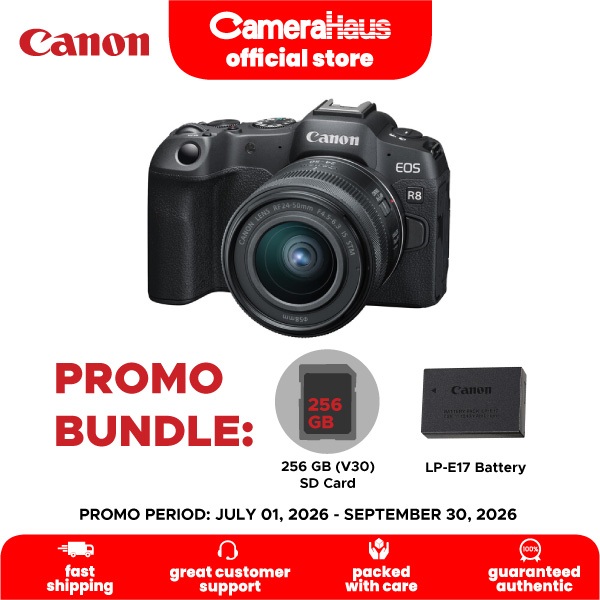
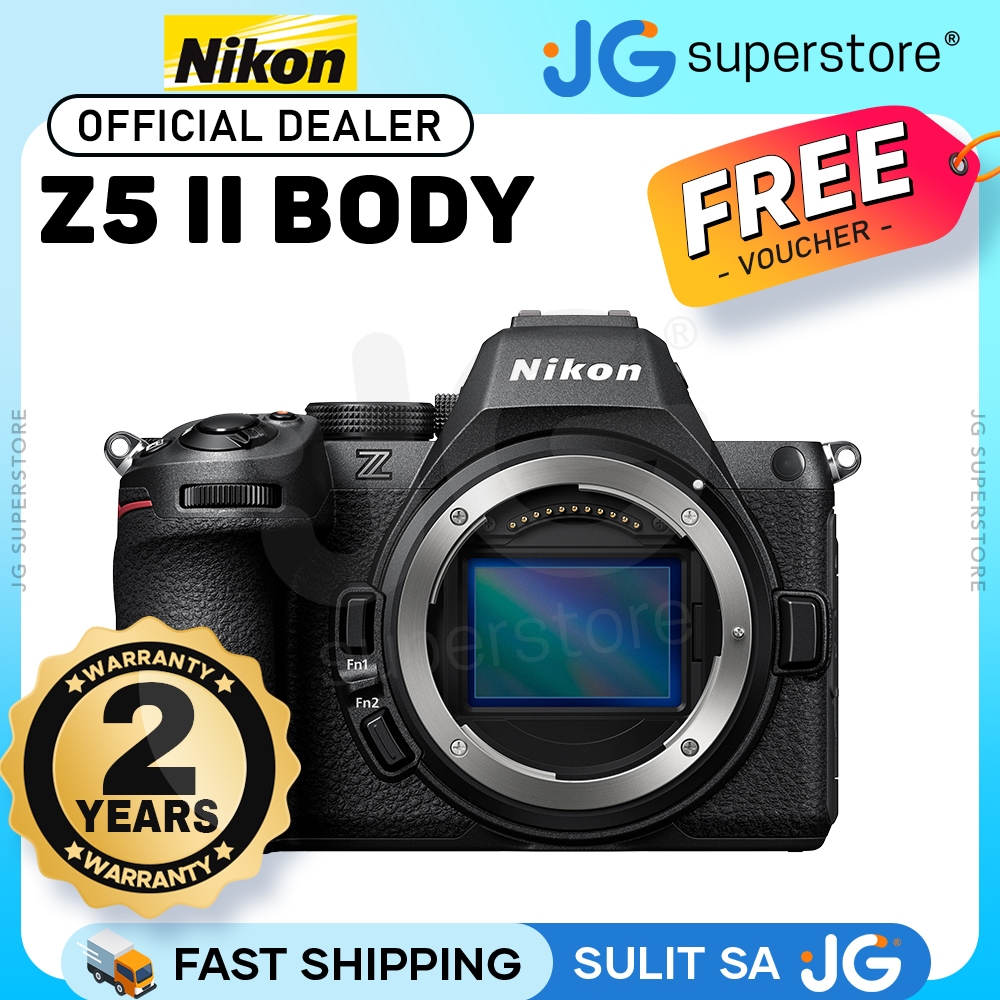
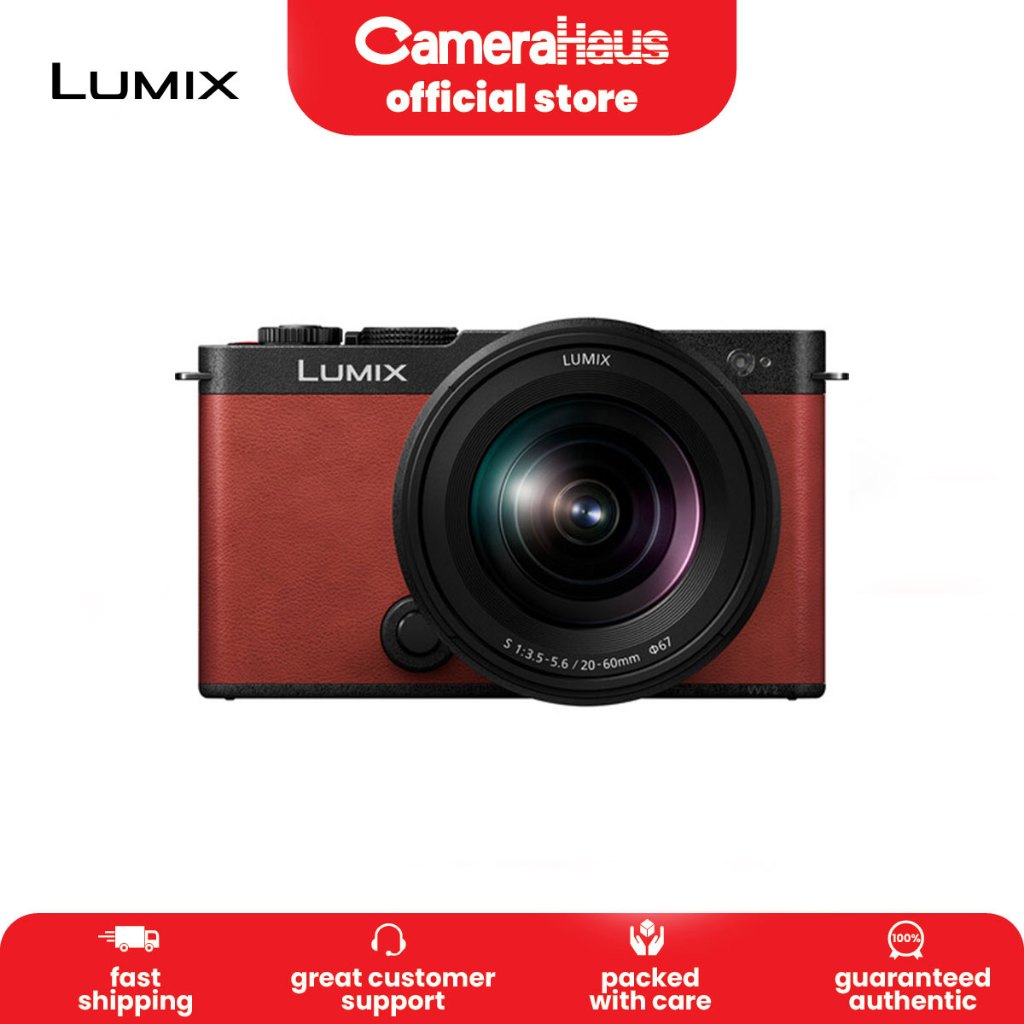
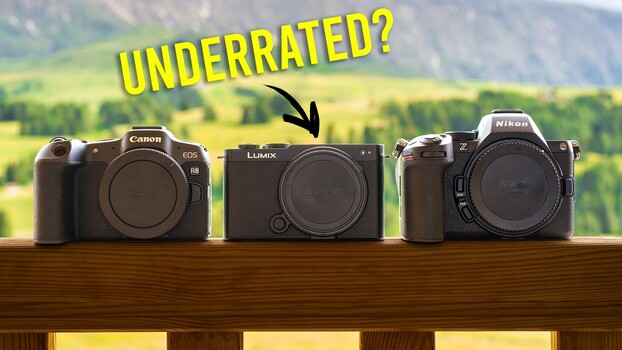
Treat this as a mirrorless camera shootout, not to find one “best full frame camera” for everyone, but to match the Canon R8, Nikon Z5 II and Lumix S9 to the way you actually shoot. In travel use, where you juggle color, size, stabilization and price, the differences between these full frame bodies only become clear once you drag them through streets, changing light and long days on your shoulder. When you do that, three themes emerge: Canon wins hearts for color and feel, Nikon owns autofocus and pro reliability, and Lumix bends hard toward video and grading flexibility.
Canon R8: Color and Feel Beat Features for Everyday Shooters
If you care most about how your photos look straight out of camera and how the camera feels in your hand, the Canon R8 quietly takes the lead. In this full frame camera comparison, its color is the most flattering: the R8 runs warm, giving skin and city light a gentle glow that many people instinctively prefer over the cooler or punchier looks from its rivals. In a blind poll, most viewers picked the Canon color, although the gap is smaller than it used to be once you start editing.
Autofocus trails the Nikon a little but remains quick and confident for everyday shooting, and the lack of in-body stabilization is the R8’s biggest flaw, forcing you to lean on optically stabilized lenses like the RF 35mm f/1.8 or RF 24-105 kit lens to keep things steady. Yet the camera’s light body, single card slot and simple menus make it feel built for travel and daily carry, not for high-pressure events. The R8 and Z5 II sit at similar new prices, but the R8’s longer time on the market means used prices tend to be more attractive. The quotable truth here: "The R8 still wins his heart on feel, menu, and shooting experience, which is why it keeps coming home with him."
Nikon Z5 II: Autofocus, Stabilization and the Photographer’s Workhorse
The Nikon Z5 II is the quiet workhorse in this mirrorless camera shootout, and the one that feels most comfortable in professional hands. Its autofocus system is the standout: subject tracking is described as remarkably sticky, holding onto faces even when they turn away. That extra bit of confidence matters when someone walks through a frame or glances off to the side during a key moment.
Nikon couples this with in-body stabilization that is strong and clean in real use, unlike the Lumix S9’s more temperamental behavior on wide lenses. The Z5 II’s dual card slots and solid build make it “the pro side” of this trio, the camera you would not hesitate to use for a wedding or other one‑shot assignments. On price, it lands around the same figure as the R8 when bought new, while still being called the best value full frame camera on the market for photo‑first buyers right now. If you want a dependable stills body that does not fight you on focus or reliability, the Z5 II is the smartest spend.

Lumix S9: Video-First Tool with Real-World Stabilization Surprises
If your camera lives on a timeline rather than in a print, the Lumix S9 is the most compelling choice. In this full frame camera comparison, video is where the ranking flips: the S9 wins thanks to Panasonic’s V-Log profile, which holds onto highlight and shadow detail and gives editors far more flexibility in grading. It also offers full frame OpenGate recording, described as the cheapest route to full frame OpenGate anywhere, plus waveform and anamorphic tools that clearly signal a video‑first design.
Autofocus, however, trails both Canon and Nikon, hampered by an oversized subject detection box that makes tracking less precise in practice. And while online praise paints its in-body stabilization as outstanding, real-world use uncovered pronounced corner wobbles at wider focal lengths, especially around 20mm, enough to kill plans to rely on the S9 as a vlogging camera. The S9 comes in cheapest new and stands as the value pick for getting into full frame video. According to one detailed trip report, “If you shoot mostly video and want the most capability per dollar, the S9 fits a specific and growing group of shooters who edit everything anyway.”
There Is No Single Winner: Choose by Discipline, Not Hype
When people argue about the best full frame camera, they tend to ignore how differently photographers work. This mirrorless camera shootout shows that value changes dramatically with your discipline. Photo‑first shooters are best served by the Canon R8 vs Nikon Z5 decision: pick Canon for color and a friendly everyday feel, or Nikon for autofocus, stabilization and pro‑ready durability. Video‑first creators should go straight to the Lumix S9 for V-Log, OpenGate and grading‑friendly files.
- Buy Canon R8 if you want flattering color, light weight and a camera that encourages you to carry it every day.
- Skip Canon R8 if you need in-body stabilization or dual card slots for paid events.
- Buy Nikon Z5 II if you shoot weddings, events or fast‑moving subjects and want sticky autofocus, IBIS and dual slots.
- Skip Nikon Z5 II if video tricks like V-Log or OpenGate matter more to you than stills reliability.
- Buy Lumix S9 if you live in the edit suite, rely on V-Log and want the most video capability per dollar in full frame.
- Skip Lumix S9 if you need flawless IBIS at 20mm for vlogging or top‑tier autofocus tracking.
Older bodies still deserve a mention here. A high‑resolution full frame camera like the Nikon Z7 II remains a tour de force for landscape work, with a 45.7MP sensor and weather‑sealed body now available new for as little as USD 2,196 (approx. ₱123,000) and used from USD 1,229 (approx. ₱69,000), as its launch price of USD 2,999 (approx. ₱168,000) has fallen over time. In the end, knowing whether you are primarily a stills shooter, a hybrid generalist or a video specialist matters more than chasing the hottest spec sheet.