
The mount mess – and why multi-mount lenses are the real fix
Interchangeable lens mounts in cinema describe systems where a single cine lens or adapter allows the optical block to be used across multiple camera mounts, improving cine lens compatibility, reducing duplication of gear, and enabling filmmakers to keep favored optics as camera bodies and standards change.
Cine cameras have multiplied; mounts have fragmented. Freelancers move between Sony E, Canon RF, Nikon Z and L-Mount bodies, while larger sets still lean on ARRI ALEXA. The result is a familiar headache: beautiful glass tied to the wrong metal ring. The industry has relied on piecemeal camera mount adapters and lens rehousing to cope, but these are stopgaps, not solutions. The emerging answer is bolder: treat the mount as a consumable, not the lens. Multi-mount lenses and dedicated conversion systems are quietly rewriting how kits are built, borrowed, and kept relevant—and filmmakers who ignore this shift will spend more, carry more, and get less use out of their glass.
Sirui’s four-mount cine primes: one lens, many cameras
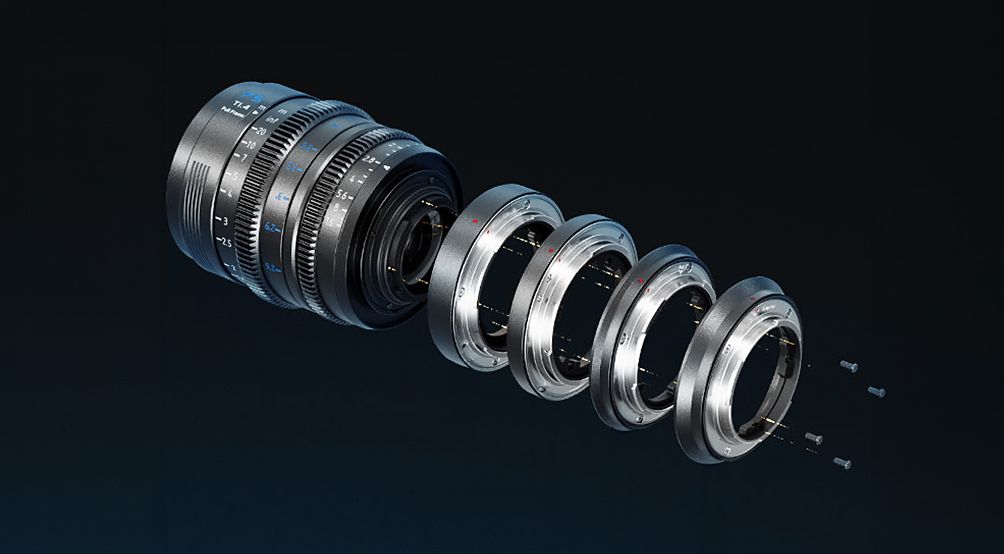
Sirui’s Vision Prime 1 series is the clearest expression of this new logic: the latest 15mm T1.6, 75mm T1.4, and 150mm T4 Macro 1.5x full-frame cine lenses all ship with user-interchangeable mounts for Sony E, Canon RF, Nikon Z, and L-Mount support in the box. Instead of buying four versions of the same focal length, you swap the mount yourself. Each lens comes natively in Sony E-mount, with RF, Z, and L-Mount modules included, and Sirui says the mounts can be swapped quickly without shims. For anyone juggling different mirrorless bodies, this is not a nice-to-have; it is a workflow upgrade.
Importantly, these are not compromised hybrids. All lenses in the Vision Prime 1 series cover a 46mm image circle for full-frame and open-gate recording without vignetting. They bring consistent cine mechanics—270-degree focus throw, matched gear positions, and an all‑metal build—to a world that often forces operators into stills glass when they change mounts. The user-interchangeable mount system is what gives these lenses their strongest appeal, especially for filmmakers who move between camera brands or want to future-proof their kit. Multi-mount lenses like these are the most direct answer to mount fragmentation yet.
HEXAMO and HEKTOR: adapters as creative time machines
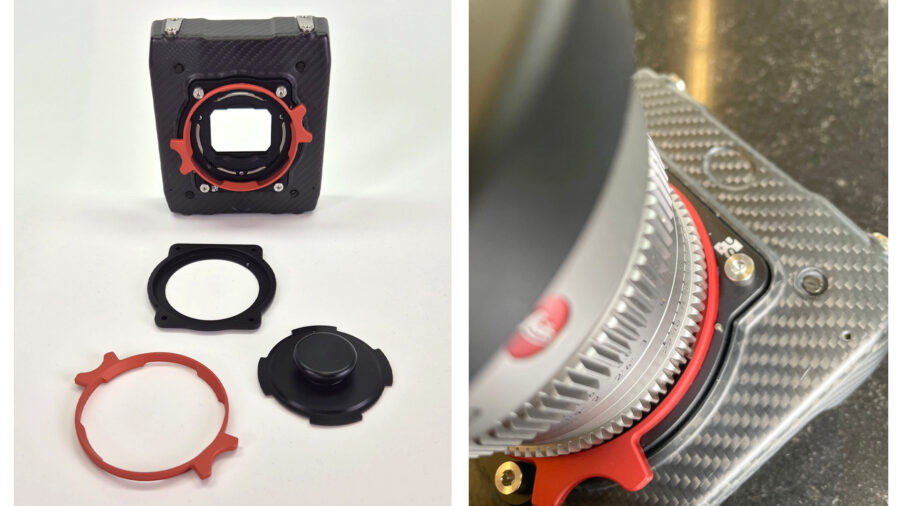
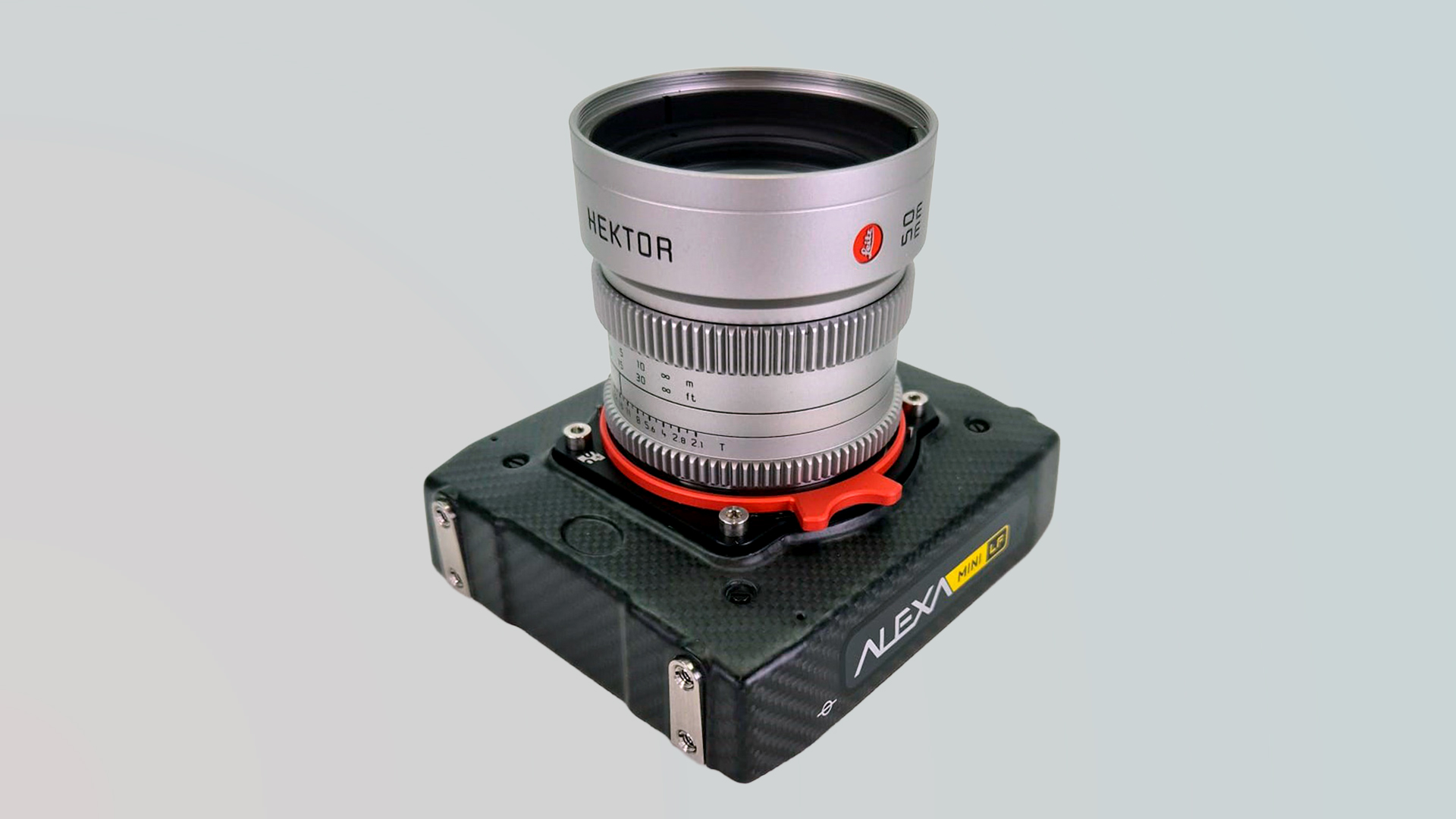
If Sirui is about future-proofing, P+S Technik’s HEXAMO mount system is about past-proofing. P+S Technik has introduced HEXAMO, a dedicated mount system that enables Leitz HEKTOR Cine Prime lenses to be used on the ARRI ALEXA platform. These HEKTOR primes were designed for modern mirrorless cameras with short flange focal distances; a conventional adapter would push them too far from the sensor on an ALEXA and kill infinity focus. With HEXAMO, the company offers a mechanical route for pairing mirrorless-designed HEKTOR lenses with ALEXA cameras.
HEXAMO works by replacing the original ALEXA mount block—removed by loosening four screws—with a specially developed low-profile mount that creates the necessary flange depth. Each HEKTOR lens then receives a precision three-part rear interface assembly, replacing the original rear mount and forming the dedicated counterpart to the HEXAMO camera mount. The system allows HEKTOR lenses to reach infinity focus while maintaining compatibility with the ALEXA’s internal filter system, and a red locking ring ensures a rigid, play-free connection even with wireless FIZ units. For cinematographers, rental houses, and productions already working with ALEXA cameras, HEXAMO offers access to HEKTOR’s smooth focus roll‑off, organic rendering, and distinctive flares without moving to a mirrorless body.
From workarounds to design principle: flexibility as the new baseline
Look at these two developments together and a pattern is obvious. Sirui is baking interchangeable lens mounts into multi-mount lenses from day one. P+S Technik is building camera mount adapters that re-engineer the ALEXA’s mount geometry so mirrorless-era HEKTOR primes can live on a staple cinema platform. Both approaches reject the idea that a lens is married to one mount for life. Cine lens compatibility is becoming a design goal, not an afterthought.
This shift matters far beyond gear nerd curiosity. Mount-agnostic glass lets owner‑operators treat lenses as long-term creative assets and cameras as short-term tools that will be replaced. It makes rental houses more competitive when they can offer the same lenses to both mirrorless and ALEXA productions with systems like HEXAMO. And it makes freelancers more adaptable when a single case of multi-mount lenses can cover multiple client camera ecosystems using the included mounts or smart adapters. The industry has been trapped by mounts for years; now, design is finally prioritizing flexibility over lock‑in.
Where this leaves filmmakers choosing their next lens
Mount compatibility is no longer a secondary checkbox; it should be one of the first questions you ask before buying or rehousing glass. Systems like Sirui’s Vision Prime 1, which ship with four interchangeable mounts in one box, and dedicated camera mount adapters like HEXAMO, which align mirrorless‑designed HEKTOR primes with ARRI ALEXA bodies, point to a simple conclusion: lenses that survive mount changes will outlast cameras that force them into a corner.
Practically, that means resisting single-mount lenses when a multi-mount option exists, prioritizing cine lens compatibility over brand loyalty, and favoring camera mount adapters that preserve full functionality—like internal filter use and solid locking mechanisms—rather than cheap, floating spacers. The new Sirui Vision Prime 1 15mm T1.6, 75mm T1.4, and 150mm T4 Macro lenses will be available in Black and Metal Grey from the end of August, while HEXAMO systems are available directly from P+S Technik and CBM, with details and ordering handled on request. The message is clear: if your lenses cannot move with you from camera to camera, they will hold you back.