
Steam Deck OLED vs Windows Handhelds: The Core Question
The best handheld gaming PC today means a portable gaming device that runs modern PC games with integrated controls, a built‑in display, and enough performance to deliver playable frame rates while balancing battery life, price, and operating system compatibility across SteamOS and Windows-based systems. If you want a bottom-line answer: the Steam Deck OLED is still the easiest recommendation for most players who care about value and a huge Steam library, while Windows handhelds like the Asus ROG Xbox Ally and Ally X are better for buyers who prioritize raw handheld gaming PC performance and full PC flexibility at higher prices. This comparison focuses on performance, price, portability, and game library access to help you choose the best handheld gaming PC for your needs instead of drowning you in neutral spec lists.
| Spec | Steam Deck OLED | Windows handheld options (examples) |
|---|---|---|
| Operating system | SteamOS (Linux-based, Steam-focused) | Windows, full desktop and storefront support |
| Display type / refresh | 7-inch OLED, high contrast, 90 Hz | LCD displays; Ally X offers full-screen Xbox experience at standard PC refresh rates |
| Approximate performance tier | Decent but below newer rivals; "isn't the most powerful handheld PC" | Higher performance from chips like Ryzen Z1 Extreme and Ryzen AI Z2 Extreme with RDNA 3.5 graphics |
| Primary strength | Top overall pick with great screen and strong value despite higher MSRP | Best Windows handheld gaming PC, stronger performance and easier use for non-Steam games |
Performance and Handheld Gaming PC Benchmarks
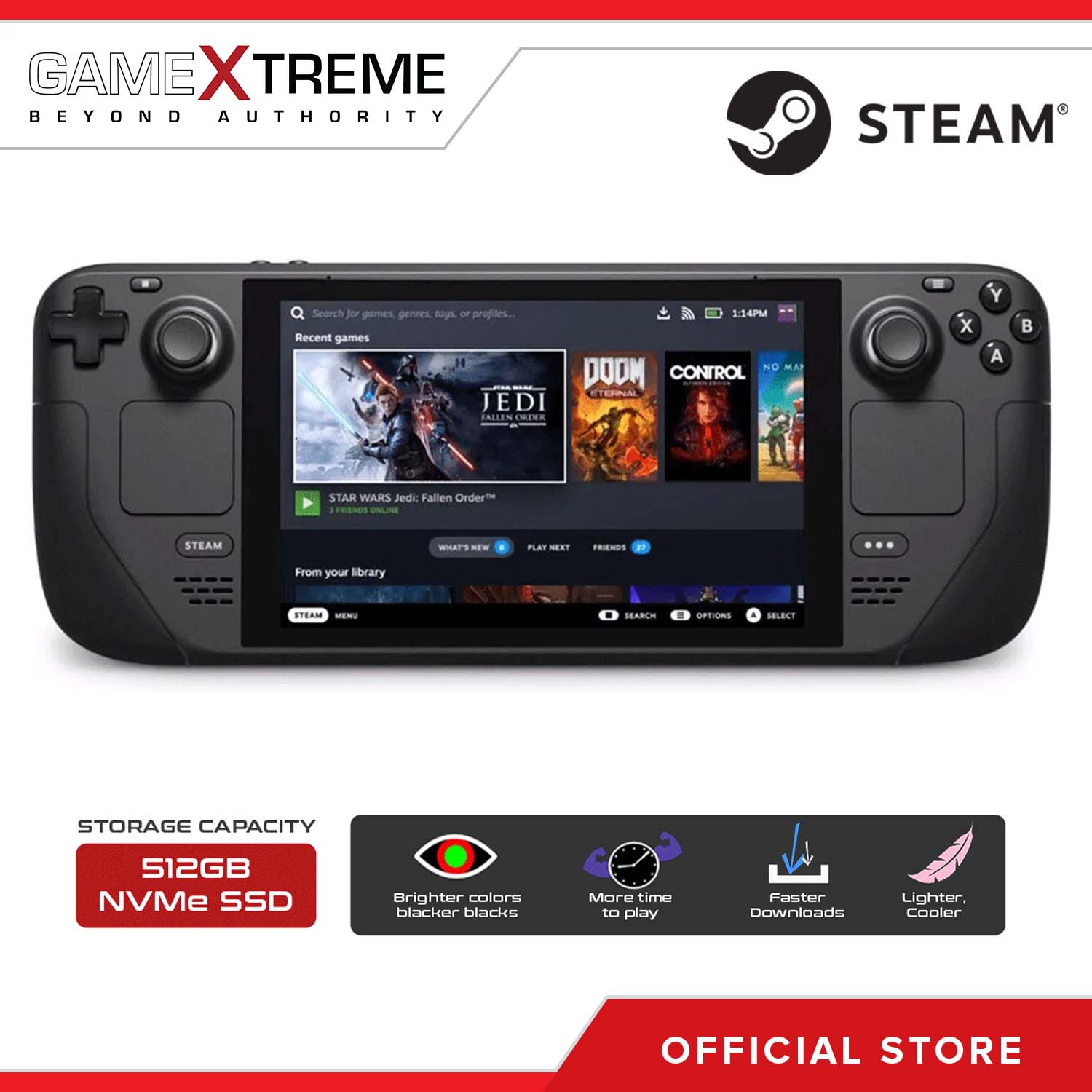
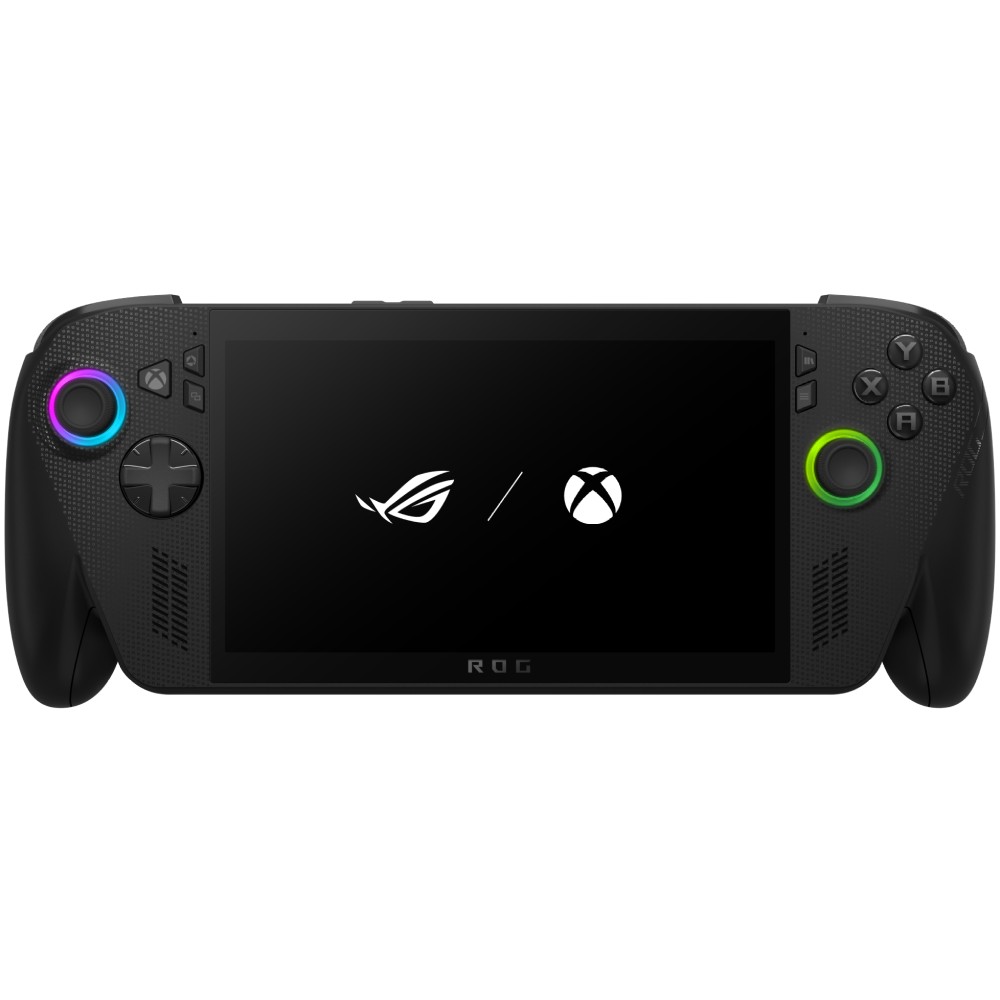
Handheld gaming PC performance is where Windows devices start to pull ahead, especially if you care about high frame rates in demanding titles. The Steam Deck OLED is described as offering “decent performance considering its price,” but it remains below more powerful handheld PCs. Newer Windows systems use chips like the Ryzen Z1 Extreme and Ryzen AI Z2 Extreme with RDNA 3.5 graphics, which deliver some of the best gaming performance seen on a handheld, particularly at lower resolutions. According to Tom’s Hardware, the AMD Ryzen AI Z2 Extreme offers a clear performance bump over the last generation, which helps the Asus ROG Xbox Ally X stand out as the best Windows handheld gaming PC. At the same time, one source notes that performance on certain Windows handhelds “isn't much better than the Steam Deck OLED,” underlining how gains are not always dramatic across the board.
Price-to-Performance and the Value Question
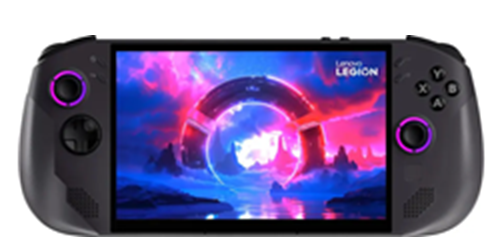
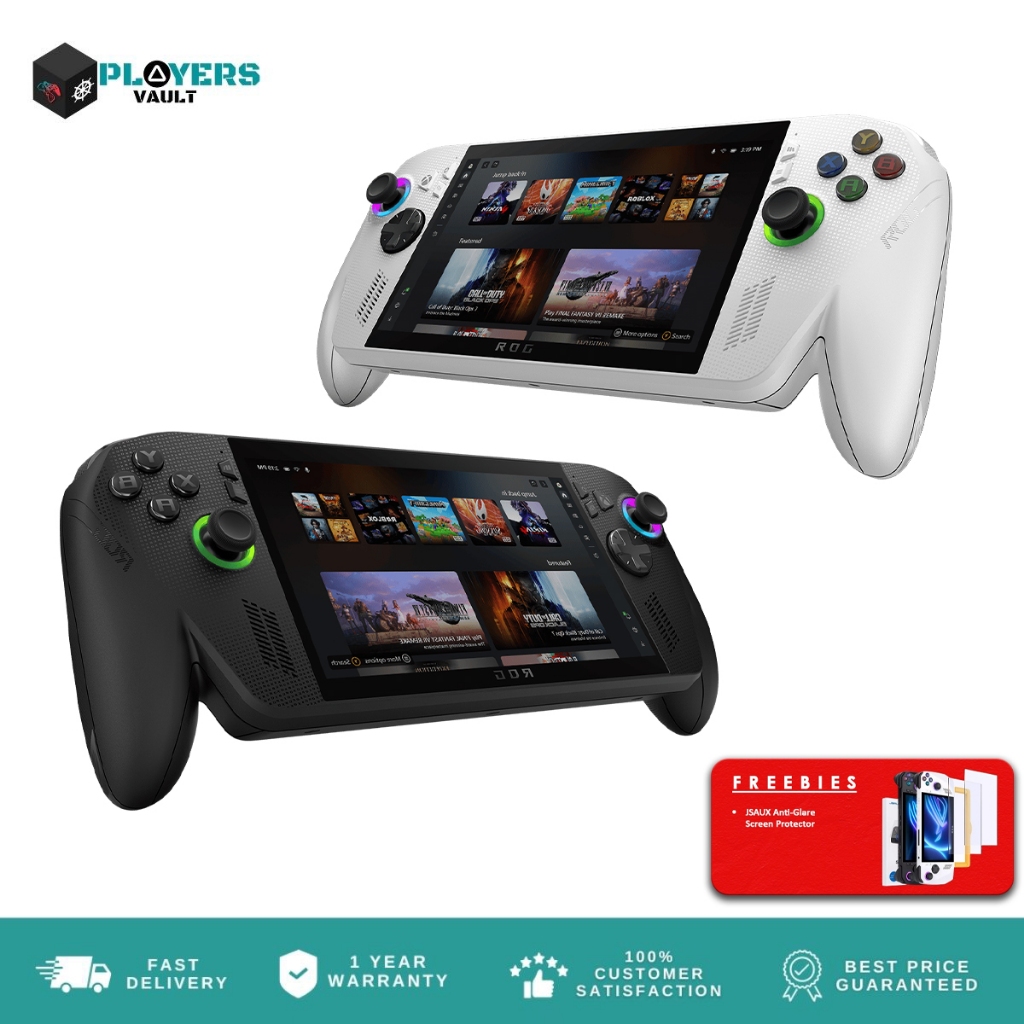
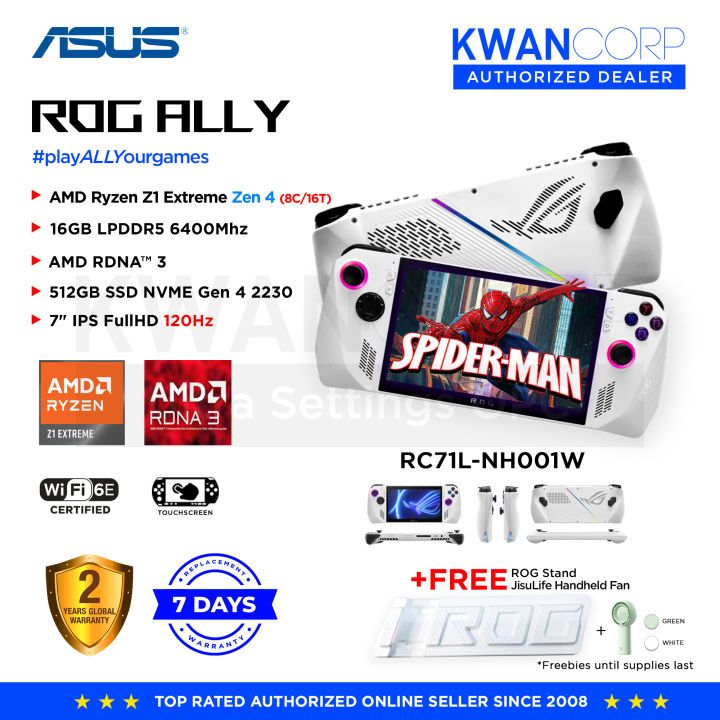
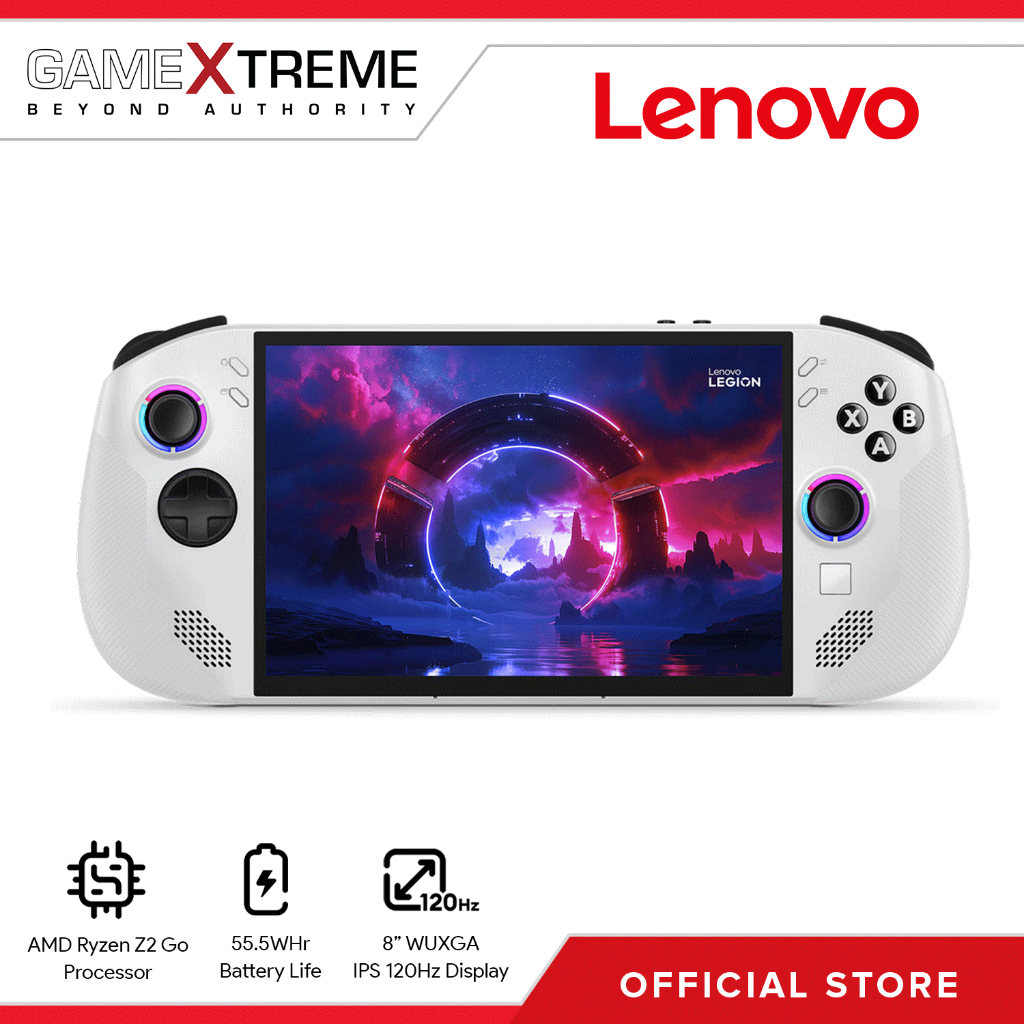
When choosing the best handheld gaming PC, price-to-performance is now a messy landscape. Component costs have pushed the entire portable gaming consoles 2026 market into “a pickle,” and the Steam Deck OLED has “lost its affordability badge due to MSRP changes.” Even so, it remains the top overall pick because it offers a strong balance of handheld gaming PC performance, a brilliant OLED screen, and approachable pricing compared with many rivals. On the Windows side, there is a wide spread: the Asus ROG Xbox Ally at USD 599.99 (approx. ₱33,600) is highlighted as the cheapest meaningful entry point now that the Steam Deck OLED has gone up in price, though its single touchpad can feel clunky. The Asus ROG Xbox Ally X, positioned as the best Windows handheld, lands at USD 999.99 (approx. ₱56,000), and the Lenovo Legion Go S with SteamOS is quoted at USD 829.99 (approx. ₱46,400), which “will put this out of reach for many.” In short, the Steam Deck OLED still delivers one of the strongest price-to-performance ratios if you mainly play via Steam, while Windows devices charge more for higher performance and flexibility.
Library Compatibility, Portability, and Everyday Use
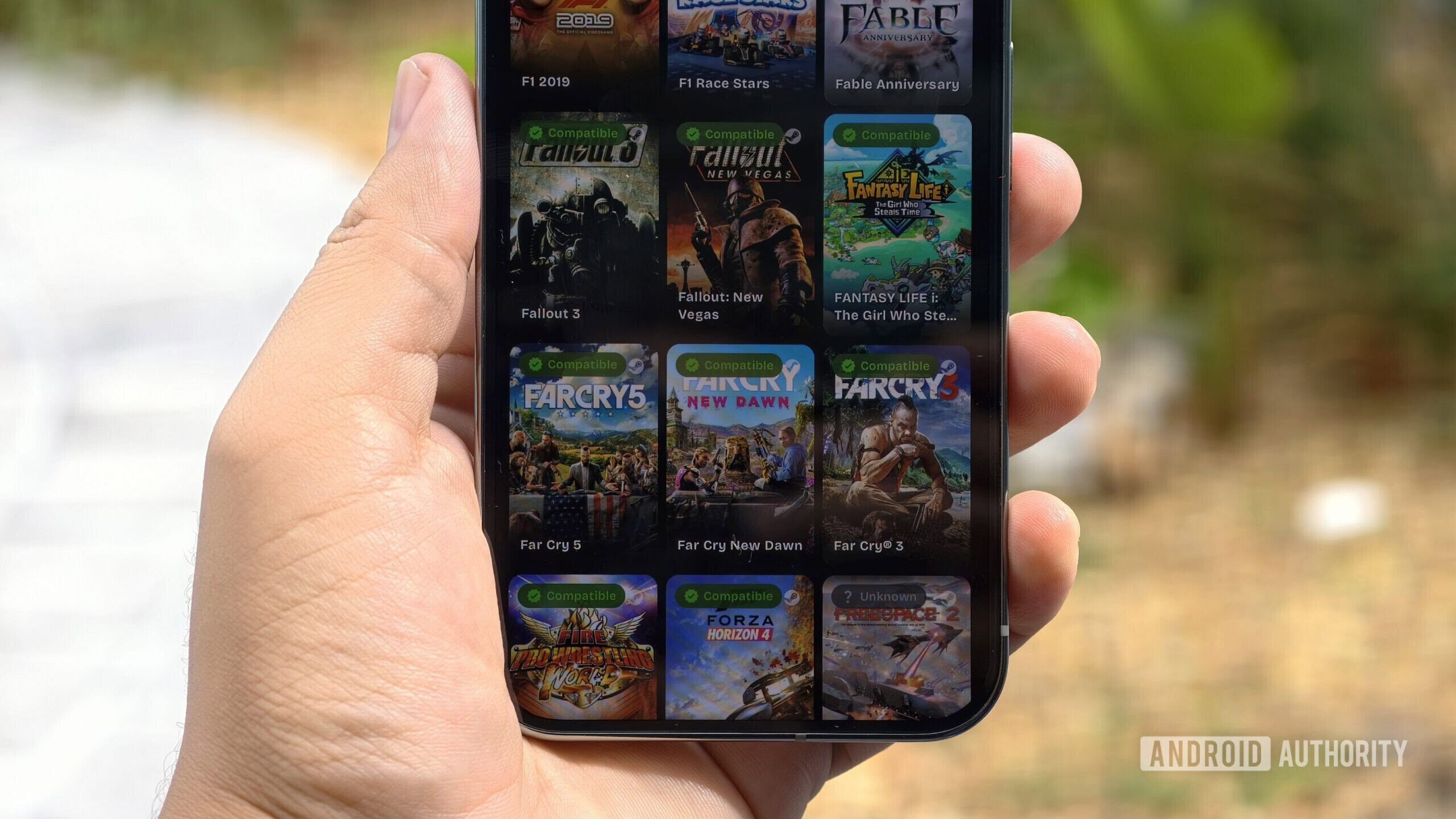
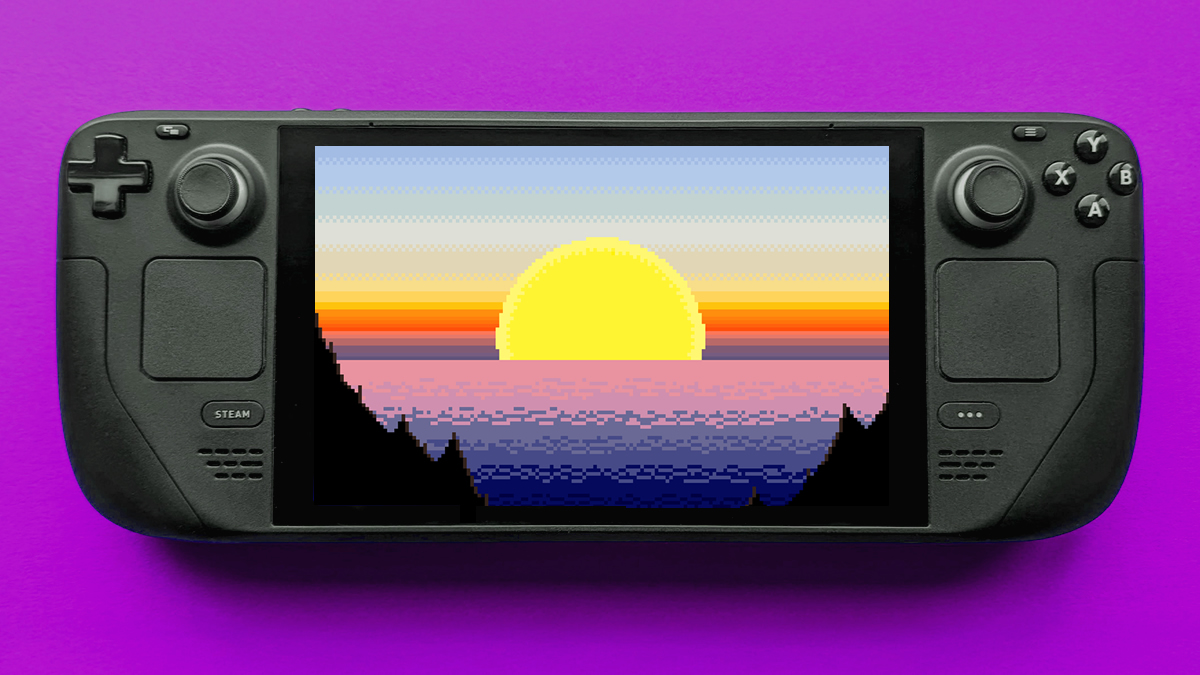
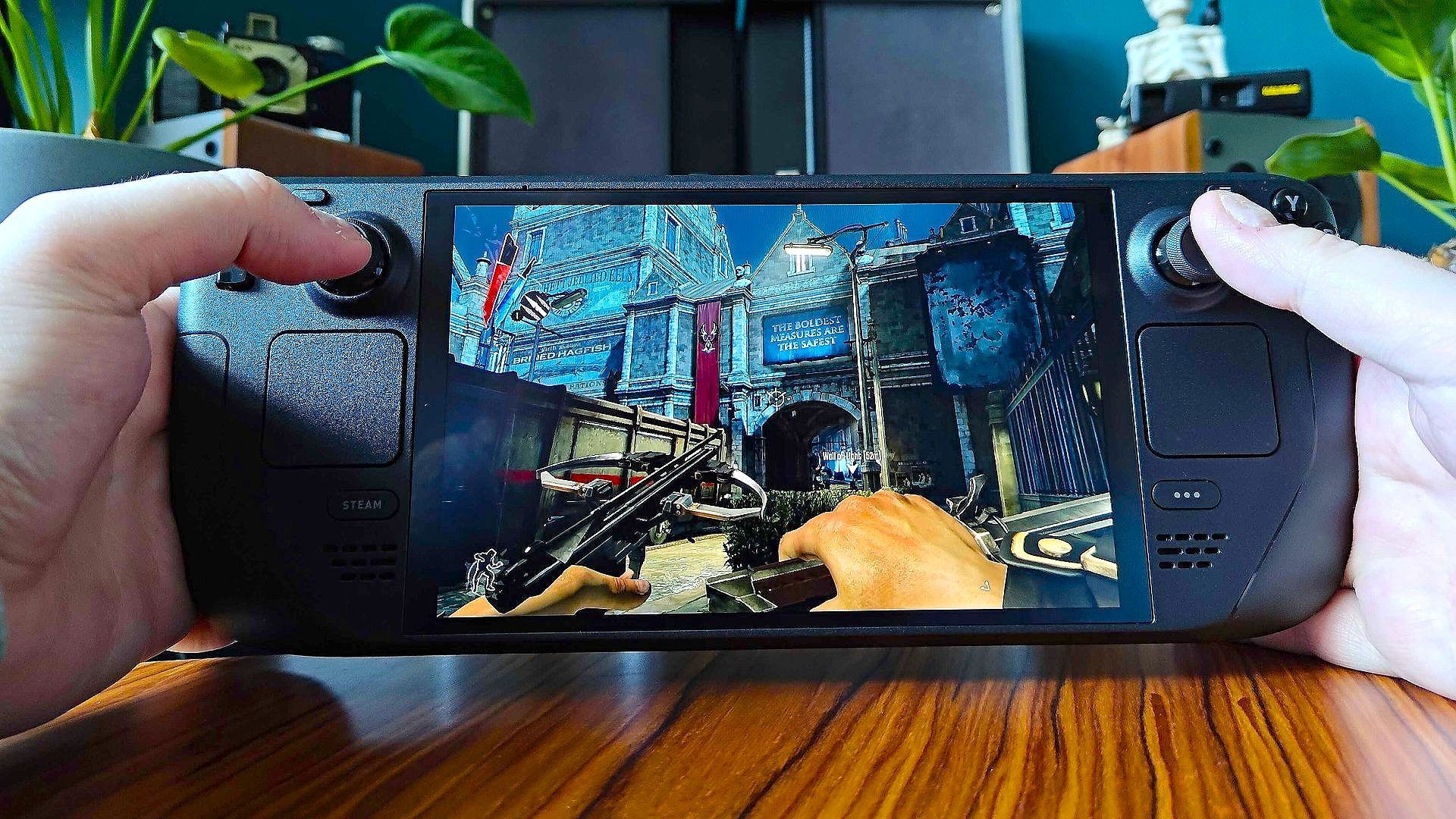
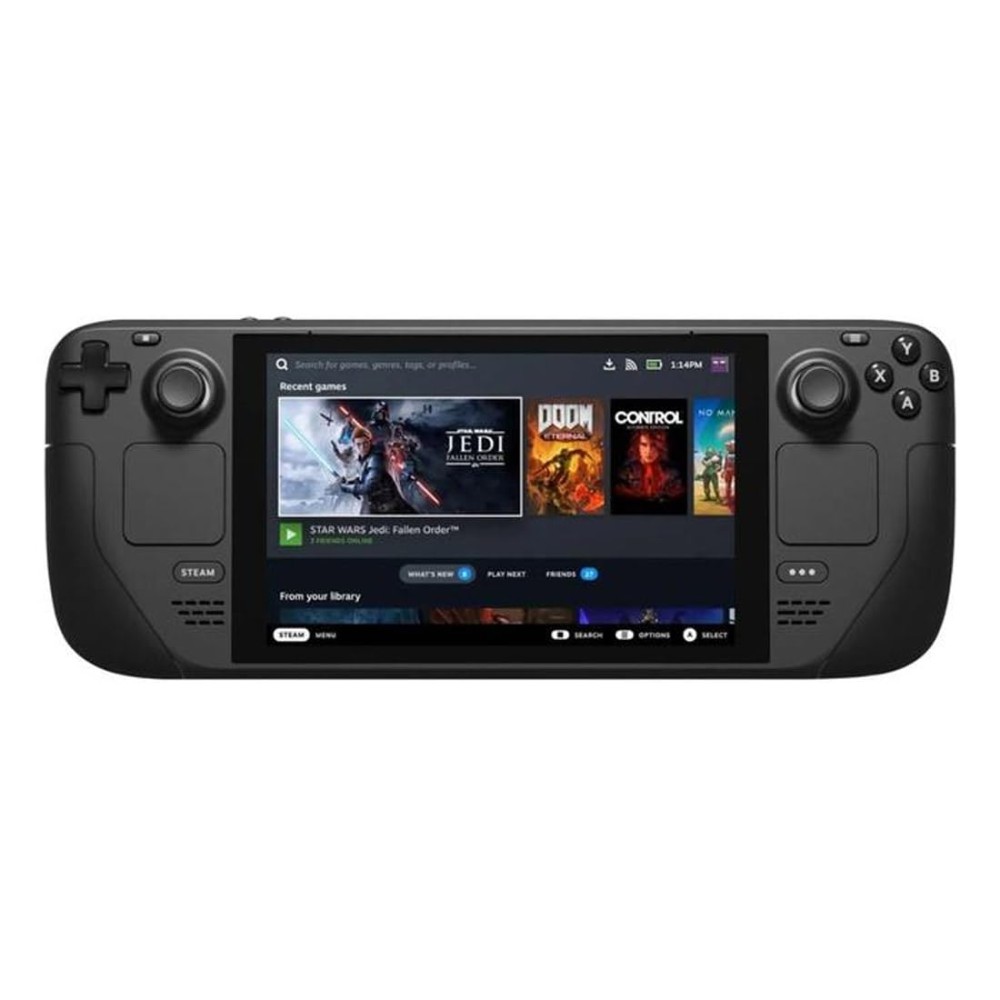
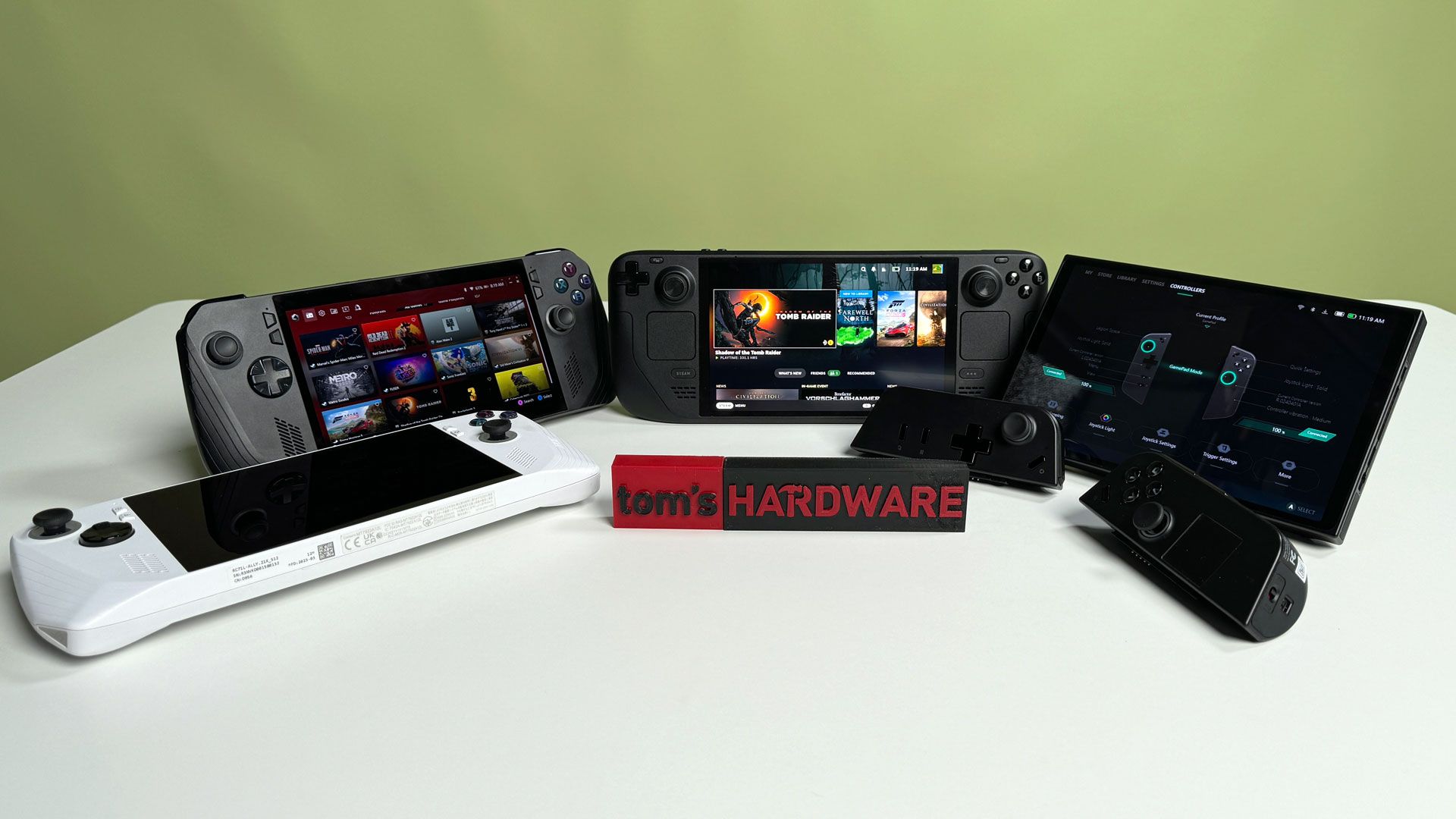
Beyond raw numbers, the best handheld gaming PC for you depends on where your games live and how you play. The Steam Deck OLED leans hard on SteamOS and shines if you have a large Steam library; one reviewer calls it their top overall handheld, especially for players who want to take existing PC games on the go. Its integrated controls, haptic feedback, gyroscope, and dual touchpads make it feel like a full console-style portable gaming device that is still relatively comfortable despite being “one of the chonkiest handhelds around.” The downside is compatibility: SteamOS is Linux-based, and “not every PC game is compatible,” plus you need workarounds for other storefronts like Epic and Xbox Game Pass. Windows handhelds, in contrast, behave like mini gaming laptops; you can take your whole PC library, tweak settings, and use any launcher you want. However, this flexibility comes with more setup complexity, higher prices, and similar battery limitations to the Deck, which can often last only a few hours under load.
Buy if / Skip if
- Buy the Steam Deck OLED if you want the best handheld gaming PC balance of price, screen quality, and an easy path into portable Steam gaming.
- Skip the Steam Deck OLED if you require full PC compatibility, use multiple storefronts heavily, or cannot live with occasional game support gaps on SteamOS.
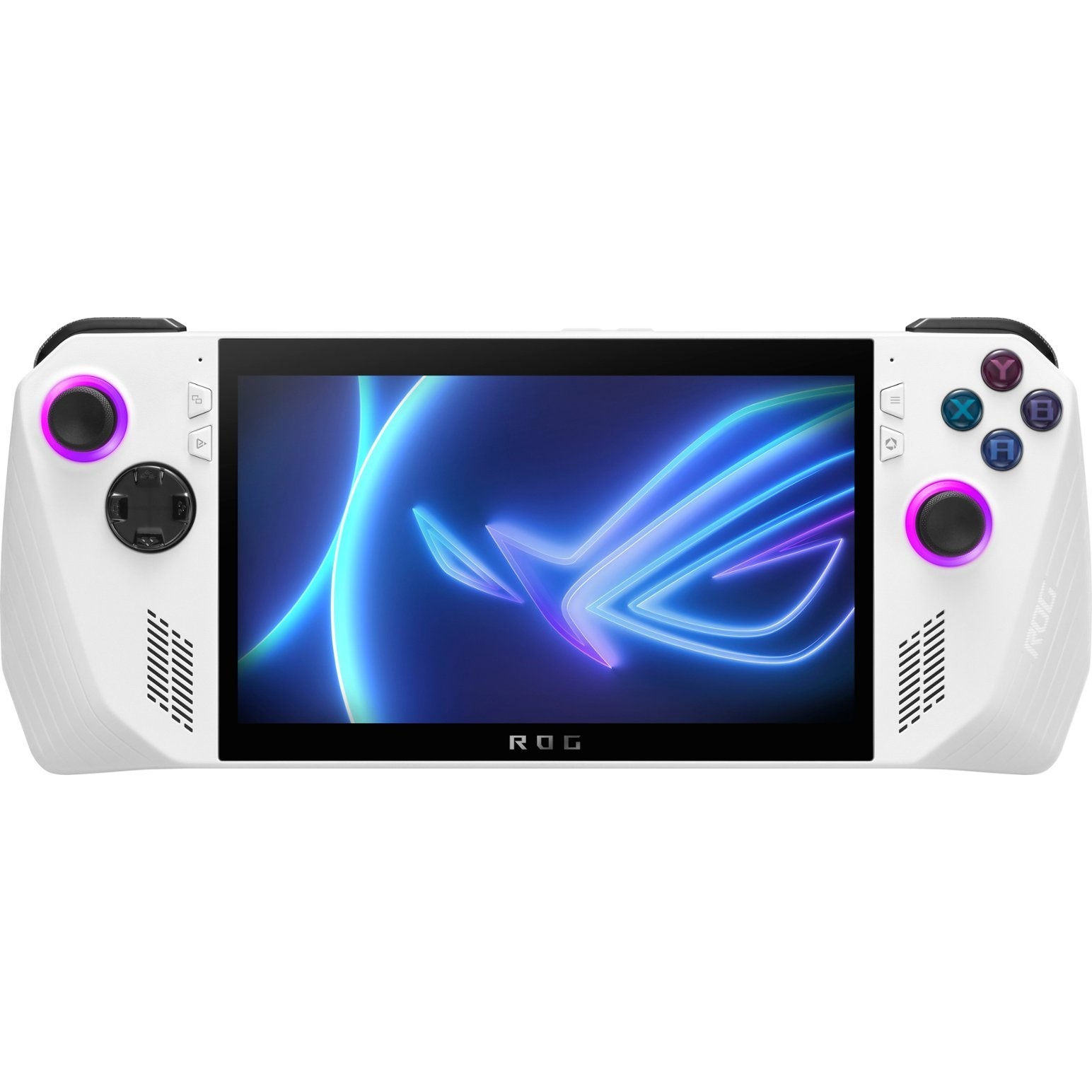
- Buy the Asus ROG Xbox Ally if you want an affordable Windows handheld entry point at USD 599.99 (approx. ₱33,600) and care more about flexibility than OLED visuals.
- Skip the Asus ROG Xbox Ally if you dislike clunky touchpads or plan to spend more for stronger performance and ergonomics.
- Buy the Asus ROG Xbox Ally X if you want the best Windows handheld gaming PC performance and a refined controller-style grip, and you are willing to pay USD 999.99 (approx. ₱56,000).
- Skip the Asus ROG Xbox Ally X if that price pushes it beyond your budget and you are happy with Steam Deck OLED-level performance.
- Buy the Lenovo Legion Go S with SteamOS if money is no object and you want high-end handheld gaming PC performance with SteamOS at USD 829.99 (approx. ₱46,400).
- Skip the Lenovo Legion Go S if you need a budget-friendly device; its price “will put this out of reach for many,” so the Steam Deck OLED or Ally may be better choices.