
Old Handhelds, New Tricks
PC games handheld ports are community-made adaptations of computer titles that rework game engines, graphics, and audio so demanding PC releases can run playably on far older, weaker handheld consoles with strict limits on memory, resolution, and processing power. That definition sounds dry, but the results are anything but. A Counter-Strike clone called OpenStrike now runs at 60 FPS on Sony’s original PSP, consuming around 12 MB of RAM on hardware first released over twenty years ago. At the same time, a custom DOOM port is blasting demons on the Casio Loopy, a 32‑bit console originally sold for printing stickers rather than fragging imps. These projects are not nostalgia novelties; they are bold arguments that good design beats brute-force specs.
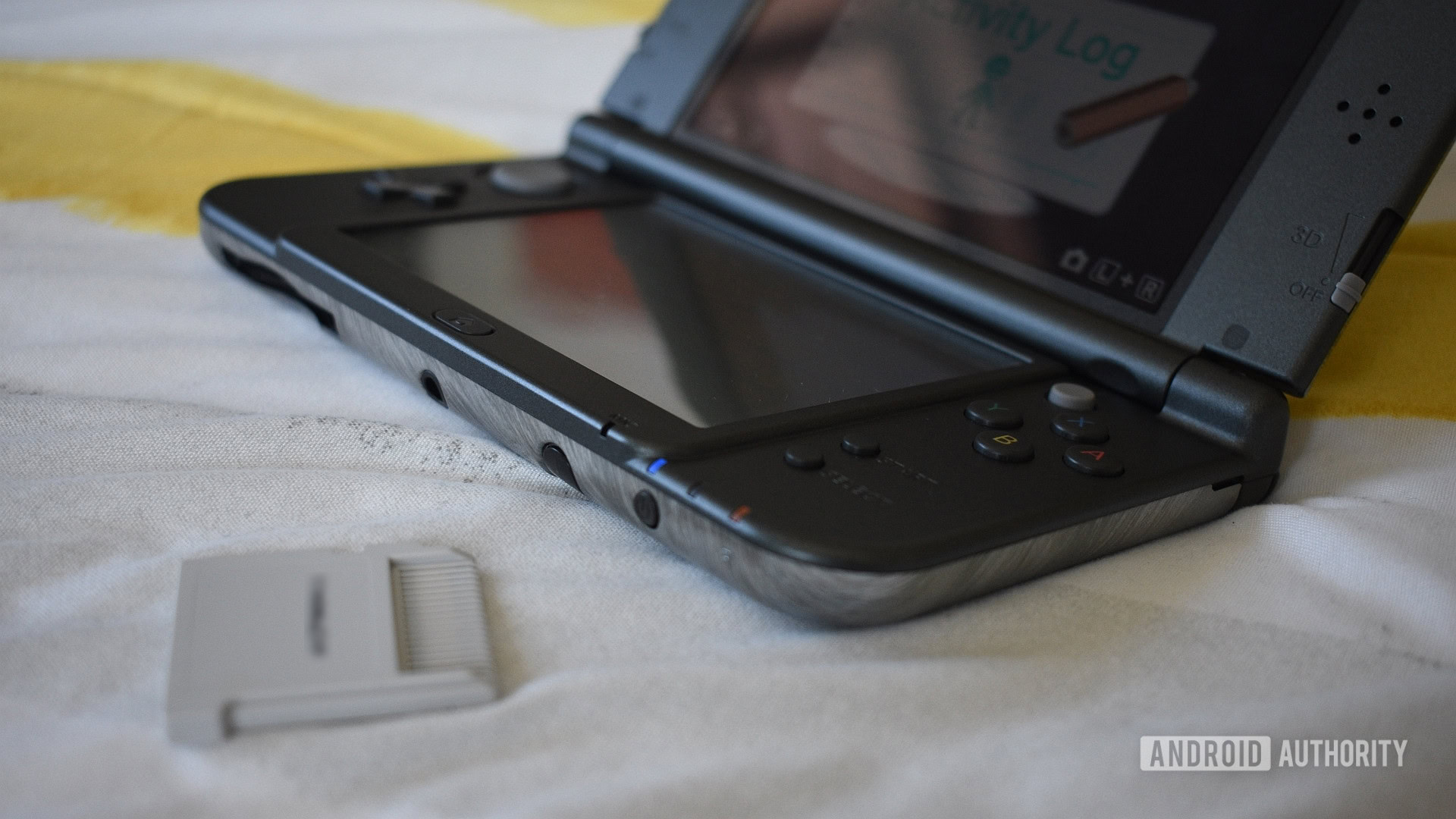
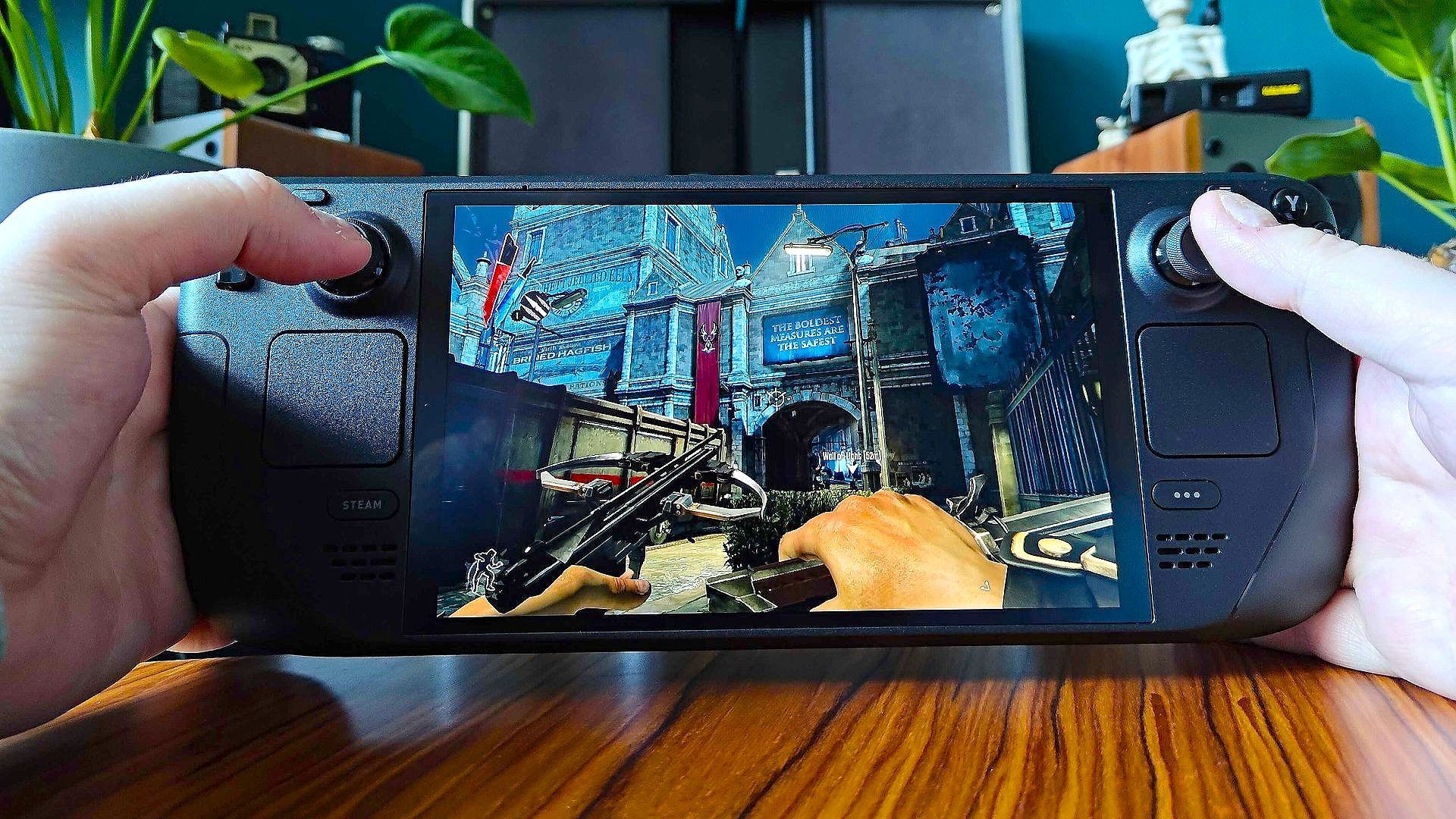
The striking thing about these efforts is not that classic games appear on classic hardware, but how far modding classic consoles has progressed. Instead of depending on official support, tinkerers are building custom engines, flash cartridges, and microcontroller add-ons that reshape what yesterday’s devices can do. In an era obsessed with bigger, faster handheld gaming PCs, these tiny triumphs say something unfashionable: thoughtful engineering still matters more than teraflops.
Counter-Strike on PSP: Design for Constraints, Not Against Them
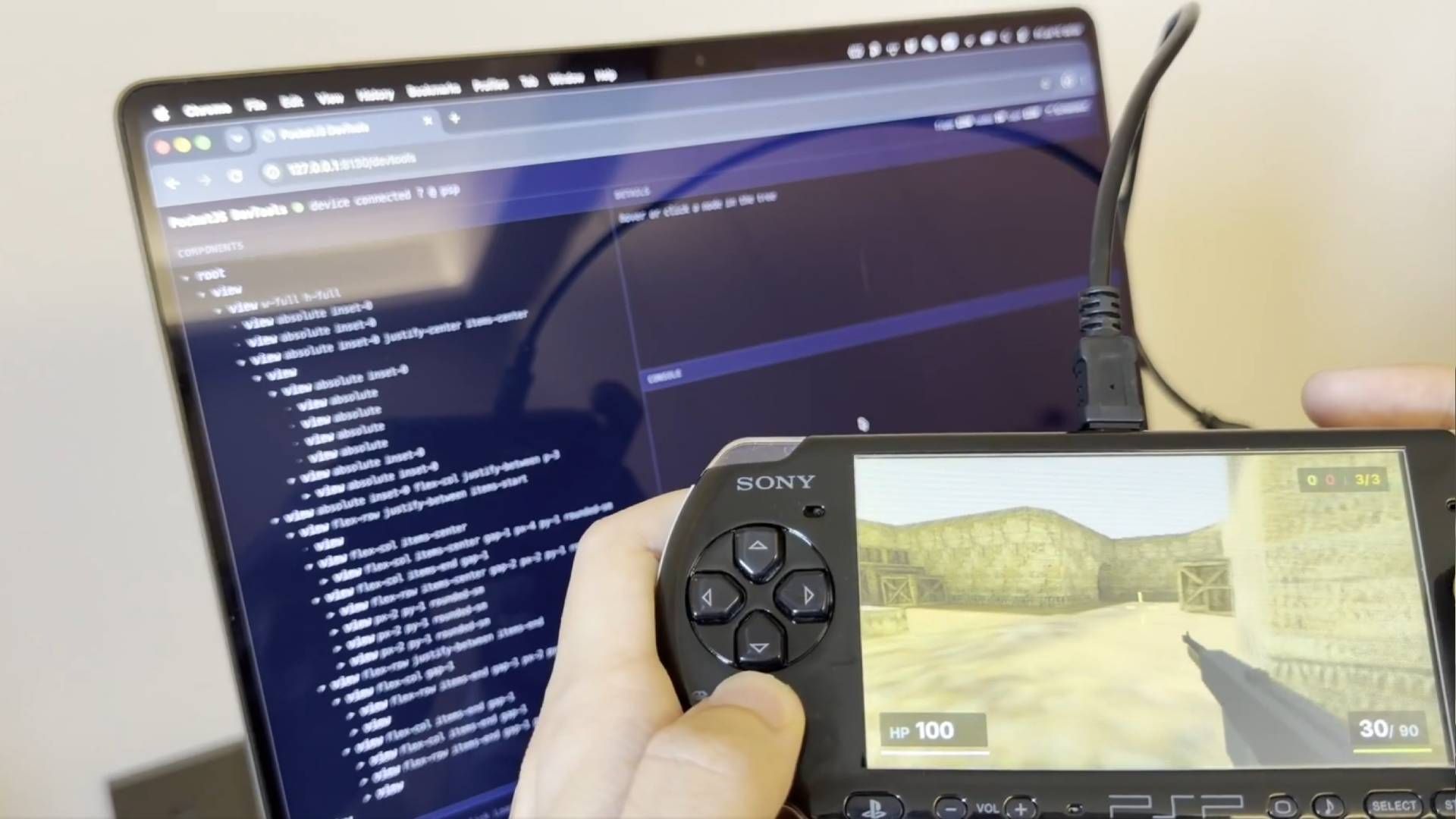
OpenStrike is the clearest proof that careful design can beat raw power. Developer Yifeng Wang built a Rust-based 3D engine called Pocket3D and a JavaScript engine named PocketJS to recreate the feel of Counter-Strike on the PSP. The result: a Counter-Strike PSP experience that runs at the handheld’s native 480 × 272 resolution on its 4.3‑inch screen, hitting 60 FPS within a tiny 12 MB RAM footprint. That is not a lazy source port; it is a full rethinking of how a PC shooter should behave on constrained hardware.
The methods are refreshingly old-school. Non-visible areas of each map are culled using Binary Space Partitioning instead of newer, heavier visibility algorithms, so the PSP’s GPU never has to consider geometry the player cannot see. Lighting is pre-baked into vertex colours, avoiding any real-time or startup lightmap calculations that would choke the system. All eight of Counter-Strike’s original maps are already tested and playable against bots, even though the classic buying stages are still missing from this proof-of-concept build. In other words, this PC games handheld port succeeds not by chasing feature parity with modern Counter-Strike, but by being unashamedly tailored to what the PSP can handle.
DOOM on the Casio Loopy: Hardware Hacking Meets Code Surgery
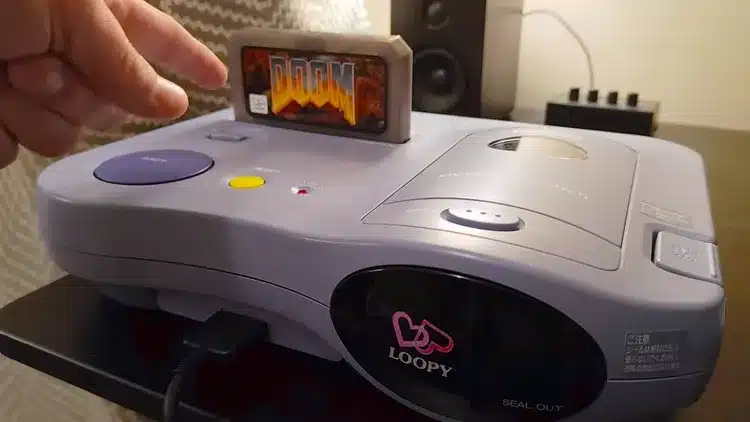
If OpenStrike is about software discipline, DOOM on the Casio Loopy is a masterclass in hardware sympathy. The Loopy was a 32‑bit console with a built‑in sticker printer, never meant to host a fast-paced shooter. Yet a custom, open-source flash cartridge named Floopy Drive now lets users run homebrew software on the system and has enabled a DOOM port based on the SNES edition. The developer first validated the cartridge with existing homebrew, then iterated on the port in an emulator before optimising it for the real console via Floopy Drive.
Because the Loopy lacks the Super FX coprocessor found in the SNES version, brute-force rendering was off the table. Graphics were simplified to fit the hardware, and audio was reworked because the console’s MIDI implementation differed from the Roland SC‑55 module DOOM expected. To regain sound effects and music, an extra board using a Raspberry Pi RP2040 microcontroller and a PCM5102 DAC was attached to Floopy Drive to handle PCM audio alongside MIDI. Despite those compromises, the gameplay is comparable to the SNES release once optimisations are applied. This is modding classic consoles in the most literal sense: reshaping both the code and the silicon so a game never intended for the platform feels at home.
Custom Firmware, Smart Optimisation, and the Art of Accepting Trade-offs
Across these projects, a pattern emerges: successful PC games handheld ports come from embracing trade-offs, not dodging them. On the software side, both OpenStrike and the Loopy DOOM port lean on lean engines and aggressive optimisation. OpenStrike’s reliance on BSP culling and pre-baked lightmaps is the exact opposite of fashionable real-time everything. The Loopy DOOM port was first tuned in an emulator, then further trimmed to run acceptably on original hardware through Floopy Drive. On the hardware side, open and programmable platforms matter. Floopy Drive turns the Loopy into a testbed for new firmware and homebrew without relying on original cartridges, effectively granting the console a new lease on life.
The limitations are obvious—simpler graphics, constrained audio paths, missing modern shooter niceties—but they are deliberate choices rather than failures. OpenStrike, for instance, is still “a proof-of-concept” with buying stages yet to be implemented, yet it already covers all eight original Counter-Strike maps with bot matches. That level of focus shows an important truth: you do not need every feature of a modern port to get a satisfying core experience. You need a clear view of what the hardware can do and the willingness to cut anything that does not fit.
Why Extending Old Handhelds Matters
These projects are more than party tricks for hardware nerds; they are quiet acts of resistance against planned obsolescence. By exploiting open hardware platforms, firmware tweaks, and homebrew software, developers are preserving and extending the capabilities of legacy gaming consoles rather than discarding them. OpenStrike does not stop at the PSP either; it runs natively on the later PS Vita with its 5‑inch, 960 × 544 display, proving that the same careful engine can scale up as well as down.
The deeper lesson is that creativity around constraints keeps hardware relevant long after official support dries up. “This project demonstrates how open-source hardware, firmware and homebrew software can preserve and extend the capabilities of legacy gaming consoles”. That statement might describe DOOM on the Loopy, but it applies equally to Counter-Strike PSP and whatever wild port arrives next. As modern handhelds grow larger and hotter, modders are quietly reminding us that elegance, efficiency, and curiosity can squeeze surprising joy out of hardware everyone else has written off.