
A Counter-Strike PSP Port That Shouldn’t Exist, But Does
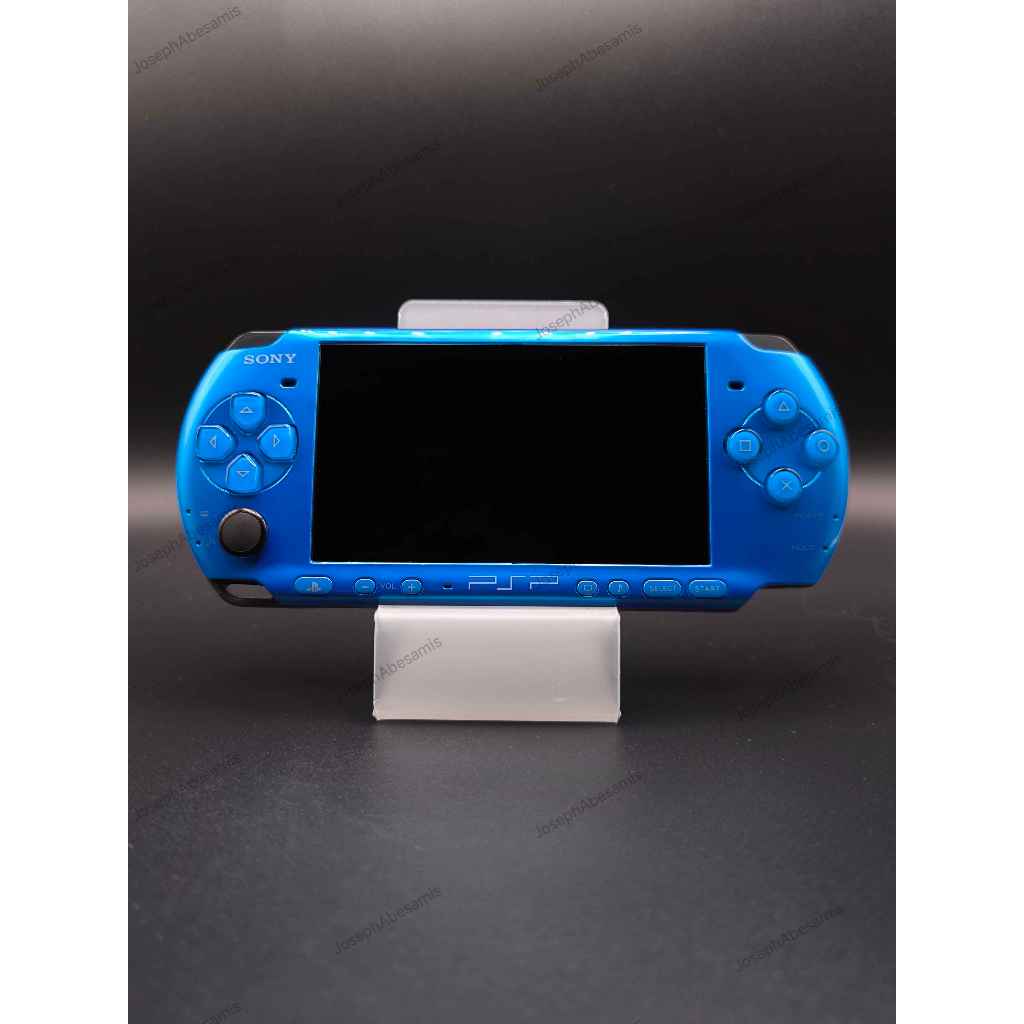
OpenStrike is an open-source Counter-Strike-style first-person shooter built from scratch to run at 60 FPS on the original PlayStation Portable, proving that careful engine design and aggressive optimization can bring complex PC shooters to 22-year-old handheld hardware with only 12 MB of RAM and a modest 333 MHz CPU.
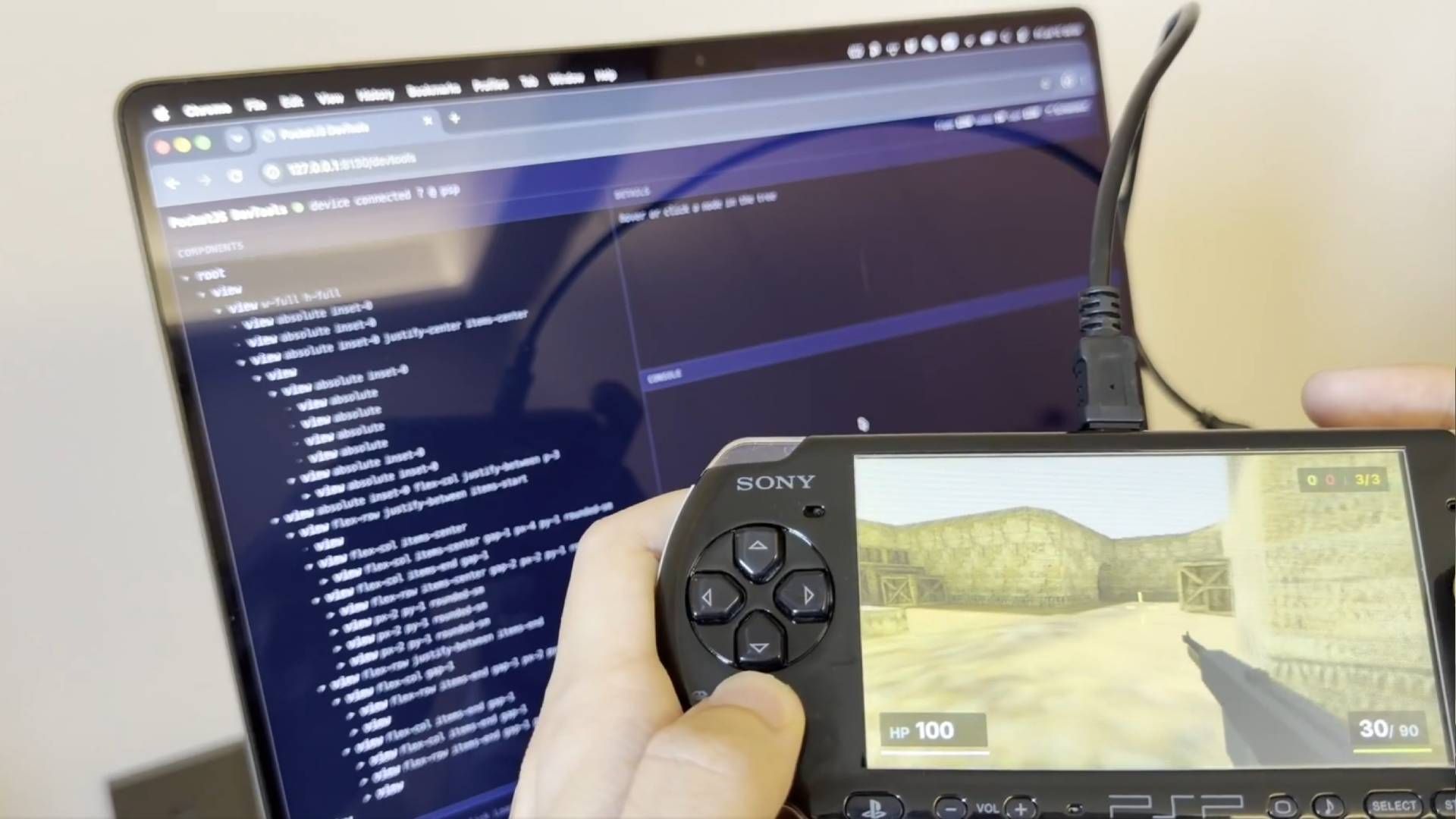
Instead of a simple Counter-Strike PSP port, OpenStrike is a clean-room re‑creation engineered specifically for Sony’s original handheld. Developer Yifeng Wang chose the least convenient path possible: a custom Rust-based 3D engine called Pocket3D paired with a JavaScript engine dubbed PocketJS. The payoff is wild—on hardware from 2004 with a 480 x 272 screen, OpenStrike holds a locked 60 FPS and fits into roughly 12 MB of RAM. That is not nostalgia; that is an engineering flex. In an era where handheld gaming PCs chase desktop-level specs, this project argues that smart design can beat raw power, and that the PSP still has plenty of life left if modders are willing to fight for it.
How OpenStrike Hits 60 FPS Where Modern Ports Would Choke
The technical story behind OpenStrike is a rebuke to lazy handheld game porting. Wang did not try to cram an existing Counter-Strike build into a PSP-shaped box; he built a bespoke engine around the limits of the hardware. Pocket3D, written in Rust, handles bot logic, collision, movement, and rendering, while PocketJS provides a fully open JavaScript mod API on top. According to source coverage, the result is “a Counter-Strike-style FPS that fits inside a 12 MB RAM footprint on hardware that launched in 2004.”
The tradeoffs are deliberate. OpenStrike targets the PSP’s native 480 x 272 resolution instead of upscaling, which keeps fill‑rate demands low and helps sustain that locked 60 FPS. Non‑visible map areas are culled using Binary Space Partitioning, an old-school technique that happens to be ideal for constrained devices. Lighting is pre‑baked into vertex colors via lightmaps rather than computed at runtime, cutting GPU cost in favor of pre-processing. Visually, it will not fool anyone into thinking it was built in a modern engine—but that is the point. OpenStrike shows that respecting the hardware beats pretending it is something it is not.
What Players Can Do With OpenStrike Right Now
For ordinary players, OpenStrike is not a full Counter-Strike replacement yet, but it is already more than a tech demo. Version 0.1 is framed as a technical project rather than a complete multiplayer experience, and several core features are missing. Still, all eight of Counter-Strike’s original maps have been tested and confirmed working, and the current build supports elimination matches against bots. The classic buying phase is not implemented, so you will not be picking up an AWP at round start, but the loop of pushing through familiar geometry and trading shots is in place.
Practically, this Counter-Strike PSP port is easy to try if you live in the PSP modding or emulation world. Players can install it as a PSP EBOOT on homebrew-enabled systems, or run it via the PPSSPP OpenStrike emulator route on modern devices. The project is open source and available through Wang’s GitHub; to run it, you need to supply your own Counter-Strike asset data in the form of compatible BSP and WAD files. In other words, it is accessible, but it assumes you know your way around homebrew, emulators, and legally acquired game assets.
Why the Handheld Modding Scene Cares So Much
OpenStrike matters because it proves a philosophy the handheld modding community has pushed for years: purpose-built engines beat brute-force ports on older devices. This Counter-Strike “clone” brings CS-style gameplay to the PSP with surprising accuracy and is described in coverage as a major win for the modding community. For a game that has defined competitive PC FPS for over two decades, seeing its structure adapted to such limited hardware highlights how much of Counter-Strike’s enduring appeal is about map design, pacing, and gunplay, not high-end graphics.
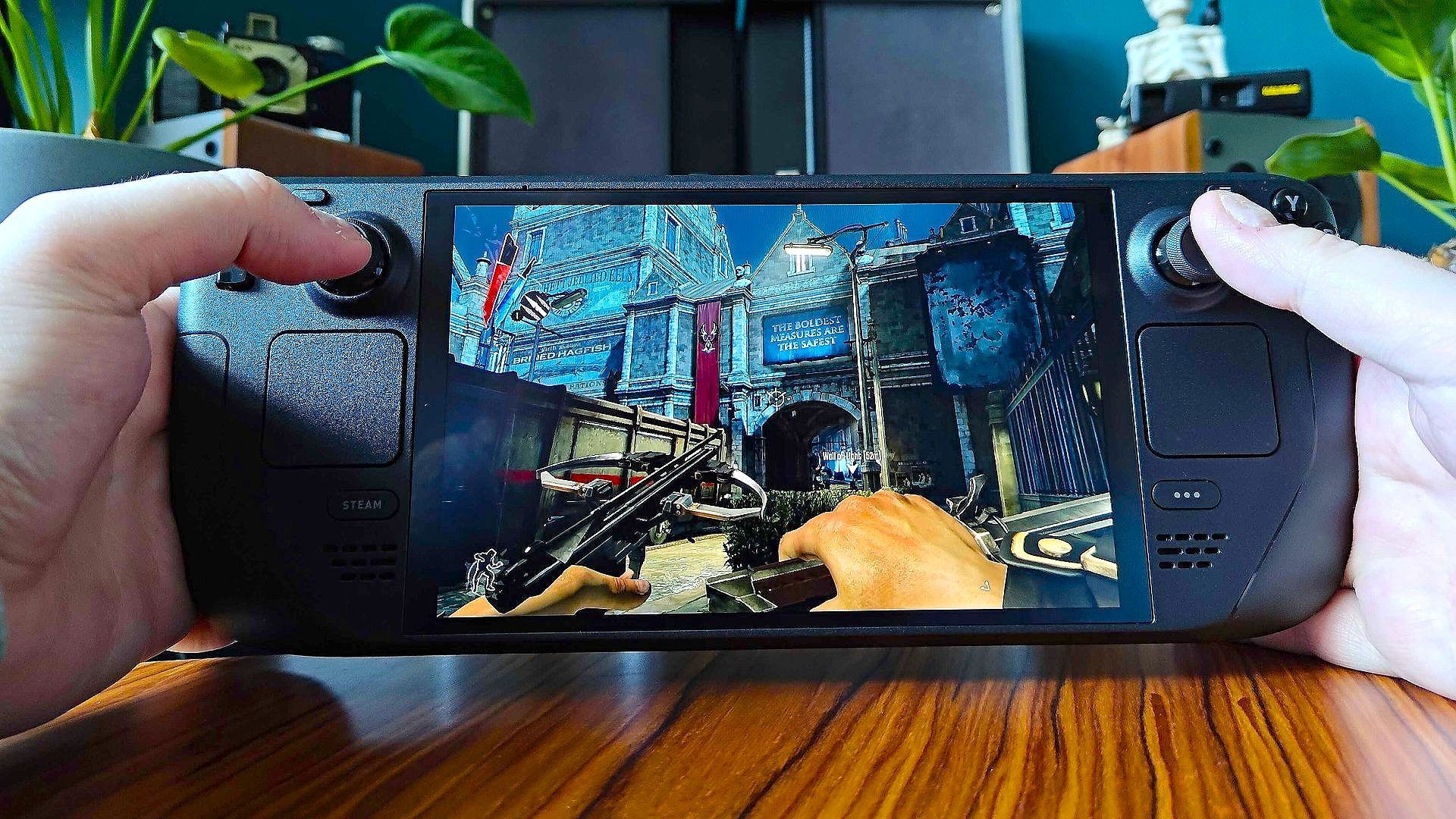
There is also timing. Counter-Strike 2 hit a peak of 1,862,531 simultaneous players on April 12, 2025, setting a platform record. While the mainstream is obsessed with latest-gen CS, modders are busy proving you can enjoy that style of play on a 4.3‑inch screen released in 2004. Projects like OpenStrike show that handheld game porting does not have to mean streaming from a high-end PC or lugging around a chunky handheld. It can mean rethinking the tech from the ground up so older, lighter systems get a second act.
Breathing New Life Into 22-Year-Old Hardware
The most exciting part of OpenStrike is not the nostalgia hit; it is the template it sets. Wang’s decision to combine a custom Rust engine with a JavaScript layer and keep the whole thing inside a 12 MB RAM footprint on 2004-era hardware makes the PSP feel newly relevant. OpenStrike makes the most of the PSP’s modest 4.3‑inch, 480 x 272 display, hitting native resolution at 60 FPS through careful technical choices instead of horsepower. That is exactly how you keep older devices interesting: not by pretending they are modern, but by designing for what they are.
This is still version 0.1, with multiplayer and buying stages missing, but it is a strong proof of concept and a clear modding achievement. Coverage suggests the next logical step is implementing weapon purchasing, which would push OpenStrike much closer to the full Counter-Strike experience. More importantly, the project is open source, so its ideas are free to spread. Expect more PSP modding experiments, better OpenStrike emulator support, and other legacy handhelds benefiting from the same design mindset. If anything, OpenStrike argues that the future of portable gaming might not be bigger devices—but smarter code.