
Bridge camera vs mirrorless: what are you really choosing?
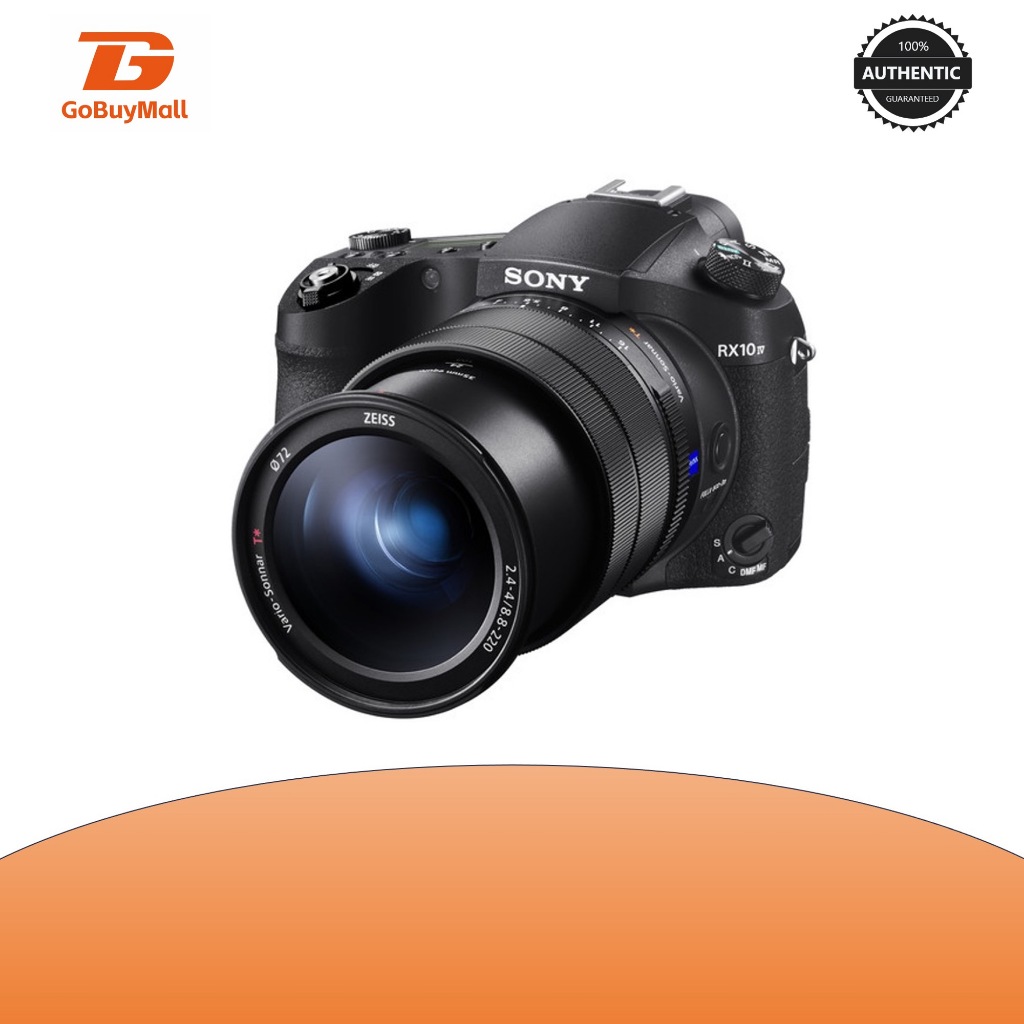
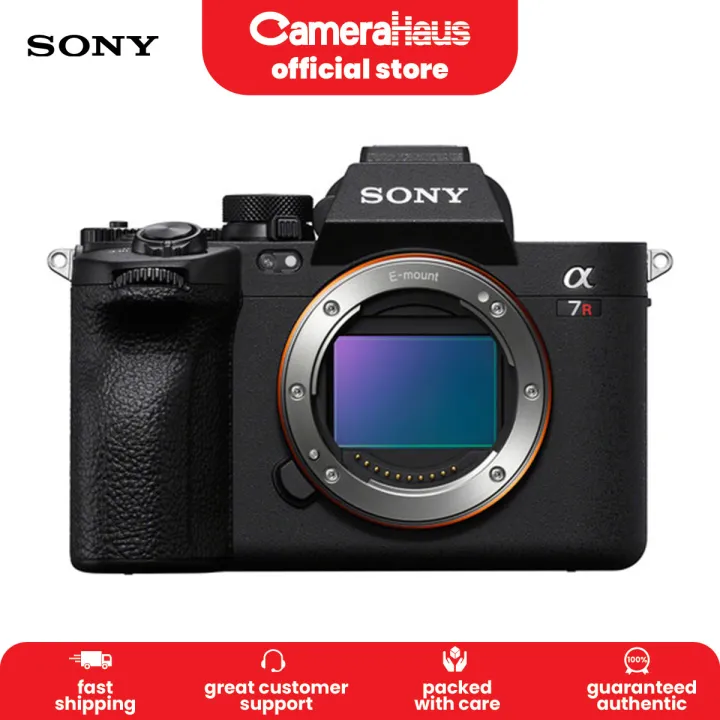
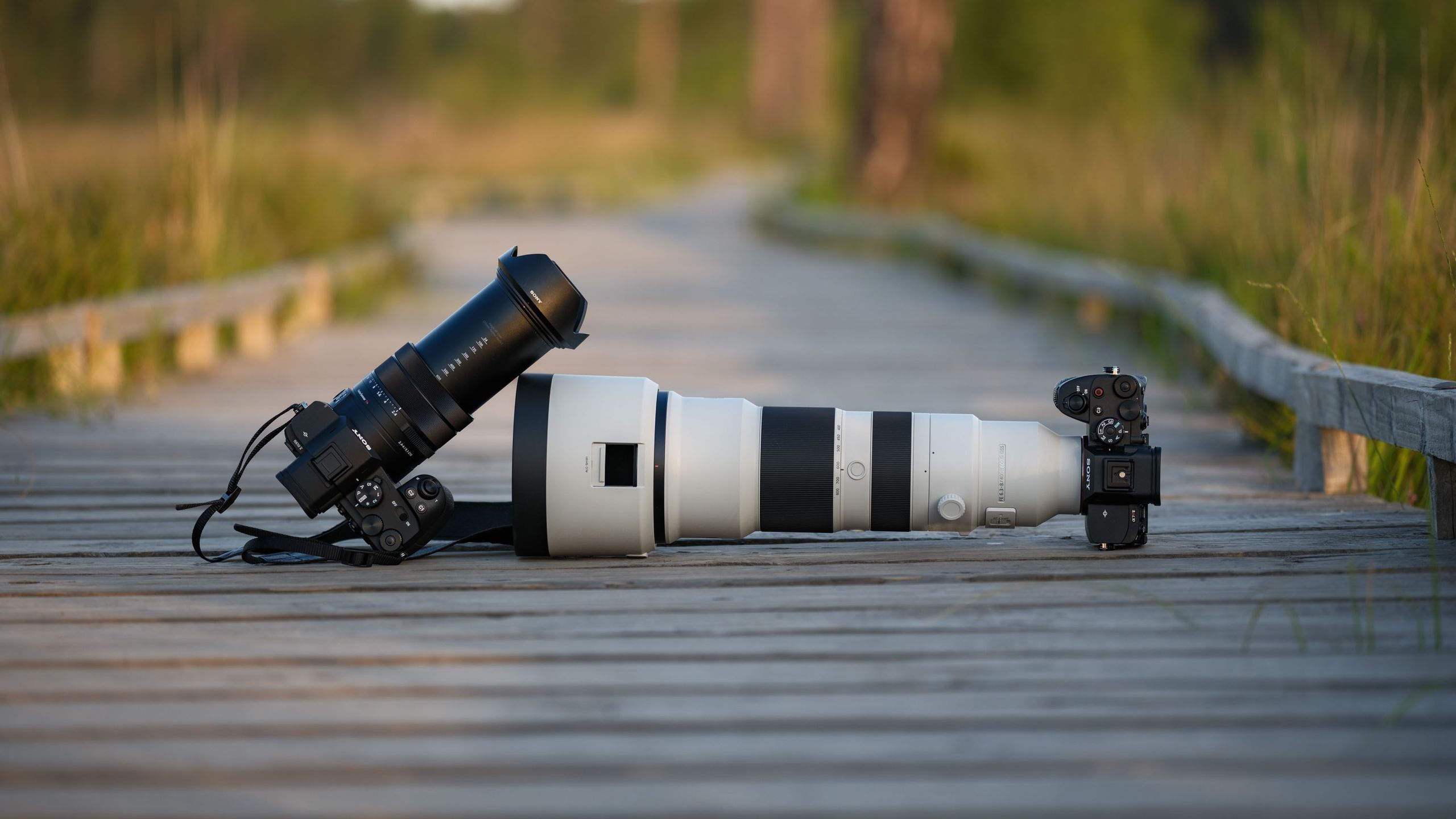
A bridge camera vs mirrorless comparison is a choice between a fixed-lens all-in-one camera that trades flexibility for portability and simplicity, and an interchangeable-lens system that offers higher potential image quality and specialized optics at the cost of greater bulk, expense, and complexity in the field. In this all-in-one camera comparison, the Sony RX10 V superzoom bridge camera stands in for the compact, integrated option, while a traditional Alpha mirrorless body plus a long telephoto lens represents the modular route. Bottom line: the RX10 V suits travel and hybrid shooters who want one camera that does almost everything, while a mirrorless kit is the better choice for specialists who prioritize maximum image quality, low-light performance, or extreme reach and are willing to carry more gear.
| Spec | Sony RX10 V superzoom bridge camera | Sony Alpha mirrorless body + 400-800mm lens |
|---|---|---|
| Total weight | 1,111g all-in-one camera, easier to carry all day | 3,198g combined (A7R V 723g + 400-800mm 2,475g), about three times heavier |
| Viewfinder size & resolution | 0.5-inch EVF with 3.68 million dots, competent but less immersive | 0.64-inch EVF with 9.44 million dots and 0.9x magnification, significantly more immersive |
| Sensor resolution | 20.1MP 1-inch stacked CMOS sensor, good everyday detail but limited versus larger sensors | Up to 61MP with a high-end body like A7R V; mid-range bodies around 33MP still exceed RX10 V |
| Lens / reach | Built-in 24-600mm equivalent F2.4-4 Zeiss Vario-Sonnar T* superzoom covering wide to supertelephoto | Interchangeable FE 400-800mm F6.3-8 OSS plus other lenses; more extreme telephoto reach and optical options |
| Burst speed | Up to 30fps with electronic shutter; 10fps mechanical, with advanced AI tracking | High-end Alpha bodies offer fast bursts too; overall burst experience is comparable in real autofocus performance |
| Video capabilities | Up to 4K120 (crop) and 4K60 with 5.4K oversampling, S-Log, S-Cinetone and creator-focused tools | Depends on body; many Alpha cameras offer advanced 4K and log options, but require pairing with suitable lenses |
| Price context | USD 2,400 (approx. ₱134,400) premium bridge camera with lens included | FE 400-800mm lens is similarly priced to RX10 V and requires a separate Alpha camera body you already own |
Sony RX10 V: the superzoom bridge camera as a one-body travel kit
The Sony RX10 V is a superzoom bridge camera built around a 20.1MP 1-inch stacked sensor and a fixed 24-600mm equivalent F2.4-4 Zeiss lens, aiming to be the best all-in-one camera for travel and hybrid shooters. It integrates the Bionz XR processor and a dedicated AI chip for real-time subject detection autofocus, and reviewers report that “autofocus performance is an attribute where the RX10 V matches mirrorless camera capabilities.” You also get up to 30fps blackout-free bursts and sophisticated video modes including up to 4K120, S-Log, S-Cinetone, user LUT support, and live-streaming tools. At USD 2,400 (approx. ₱134,400), its price is high for a bridge camera, but that figure includes the whole 24-600mm range in a single body, removing the need to buy and carry multiple lenses. For casual travel photography, the RX10 V excels at landscapes, macro close-ups and distant wildlife in one lightweight package.
Mirrorless kit: heavier, pricier, but with more headroom
A traditional mirrorless setup built around a Sony Alpha body and the FE 400-800mm F6.3-8 OSS lens targets photographers who care more about ultimate stills quality and specialized optics than travel convenience. Combined, an A7R V body and this lens weigh 3,198g, roughly three times the RX10 V’s 1,111g, making long hikes and casual travel far less comfortable. In return, you gain a larger sensor and higher resolution: up to 61MP on the A7R V, while even a more affordable mid-range body like the A7 IV reaches 33MP, both well beyond the RX10 V’s 20.1MP. Viewfinder quality is likewise superior, with a 0.64-inch, 9.44m-dot EVF offering 0.9x magnification and a more immersive experience. Low-light photos at dawn or at night show clearer, punchier results from the mirrorless combo, while the RX10 V files look muddier and less sharp in comparison, though still usable.
Autofocus, shooting speed, and shared limitations
On autofocus and speed, the gap between bridge camera vs mirrorless is narrower than many expect. The RX10 V inherits the same AI-powered AF logic as recent Alpha cameras, with 557 phase-detection points covering over 70% of the frame and full subject detection, from humans to animals and vehicles. In side-by-side use with a pro mirrorless body and the 400-800mm lens, reviewers were “majorly impressed with the RX10 V’s autofocus skills” and concluded that it can safely match mirrorless capabilities for subject tracking. Its up to 30fps burst rate is more than enough for bird photography, action and sports, though buffer clearing can be slow after heavy sequences. The mirrorless setup can also shoot fast bursts with strong AF, so performance is closer to a tie than a clear win. One caveat they share: neither system currently offers a pre-capture feature, which would help when your reactions lag behind sudden wildlife movements.
Cost, portability and which system suits your workflow
The RX10 V’s biggest strategic advantage is that its price includes a complete shooting solution. At USD 2,400 (approx. ₱134,400), you get a dust- and moisture-resistant body, a 24-600mm lens, fast AF, and advanced video features in one purchase. In contrast, a mirrorless kit demands at least one body plus the FE 400-800mm lens, which is priced in the same ballpark as the RX10 V and assumes you already own an Alpha camera. That quickly turns into a multi-piece investment. Bridge camera design clearly trades flexibility for portability and simplicity: you cannot swap to faster primes or ultra-wide glass, but you also avoid the cost and complexity of an interchangeable-lens camera. According to one detailed Sony RX10 V review, it is “an excellent all-in-one camera — the best of its kind,” but serious wildlife shooters who already use mirrorless bodies will get better results and a more enjoyable experience from a dedicated supertelephoto lens, so long as they accept the extra weight.
- Buy the Sony RX10 V if you want one superzoom bridge camera that covers landscapes, macro and distant wildlife without changing lenses or bodies.
- Skip the Sony RX10 V if you already own a capable mirrorless body and are serious about wildlife photography, as a 400-800mm supertelephoto lens will deliver better results.
- Buy the Sony RX10 V if you prioritize travel-friendly weight and simplicity; at 1,111g it is far easier to carry than a 3,198g mirrorless supertelephoto kit.
- Skip the Sony RX10 V if low-light performance and maximum stills resolution matter more than convenience, since larger-sensor mirrorless bodies at 33MP or 61MP will outperform its 20.1MP 1-inch sensor at dawn or night.
- Buy the Sony RX10 V if you are a hybrid creator who values 4K120 video, strong subject-tracking autofocus and a familiar Alpha-style interface in a single camera.
- Skip the Sony Alpha + 400-800mm mirrorless setup if your shooting is mainly casual travel and family trips, where its bulk and complexity will feel excessive compared to an all-in-one camera.
- Buy the Sony Alpha mirrorless + 400-800mm kit if you accept the extra weight and cost for a brighter, higher-resolution viewfinder and more immersive telephoto experience.
- Skip the Sony Alpha + 400-800mm route if you do not already own an Alpha body, because the lens alone is similarly priced to the RX10 V yet still requires a camera purchase.