

Half-frame is not a downgrade – it is a rethink of value
A half-frame film camera is a 35mm camera that exposes only half of the usual frame with each shot, creating a smaller 17×24mm vertical image instead of the standard 35×24mm frame, which doubles the number of photos you can take on a single roll while changing how you compose and think about every exposure.
The key takeaway: half-frame is the smartest answer right now to the film photography budget crunch. Film prices may be stable, but between buying rolls and paying for development and scanning, analog is far from cheap. When one roll suddenly yields twice the images, the cost per frame drops and experimentation stops feeling like financial self-sabotage. The latest Lomography camera embraces this logic head‑on, exposing only half the frame at a time instead of a full 35mm negative. That mechanical change sounds minor, but in practice it reframes film not as a rare luxury to be rationed, but as a medium you can afford to learn with again. That is why half-frame’s comeback matters: it changes behavior, not just specs.
How half-frame stretches every roll (and your budget)
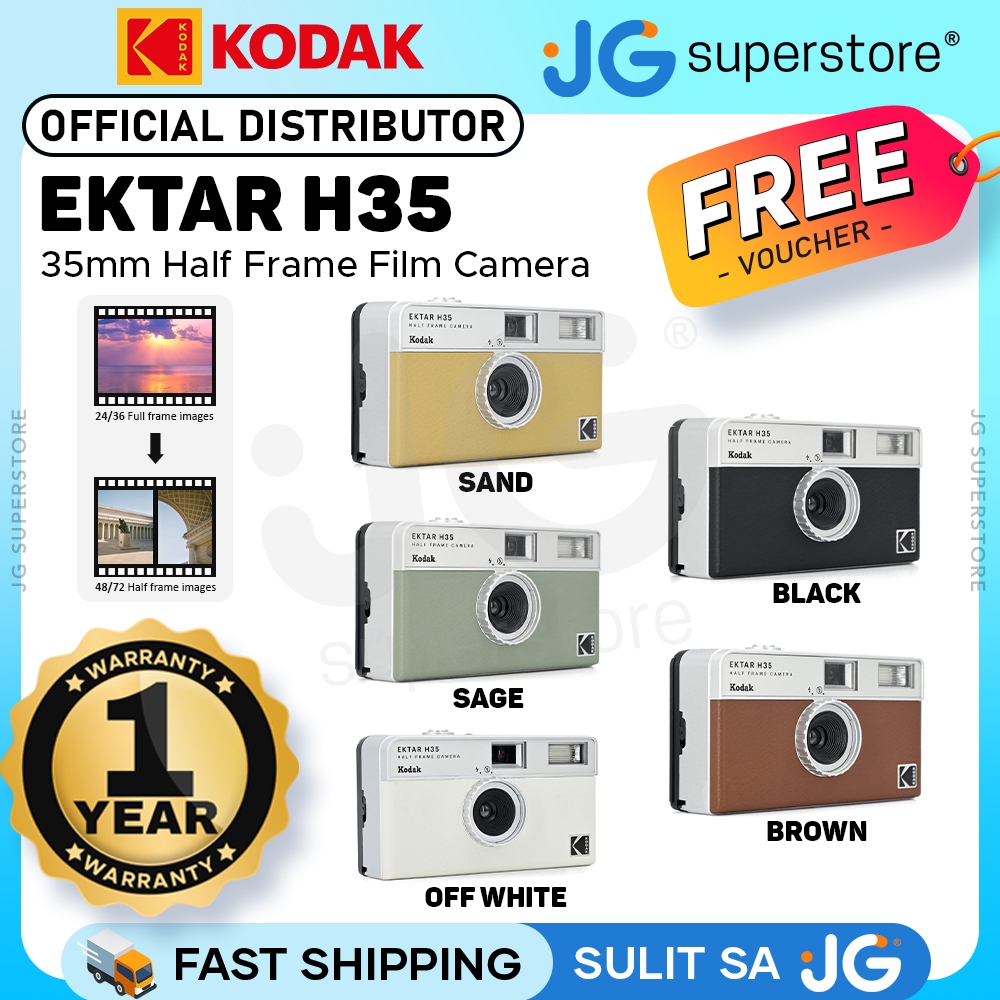
The appeal is brutally practical: half-frame cameras like Lomography’s Simple Use Reloadable Film Camera Half Frame and the more premium Pentax 17 let you capture twice as many shots on a single roll of 35mm film. Instead of one large 35×24mm image, you get two 17×24mm vertical frames from the same area of film. That is why this format has become a quiet hero for affordable film shooting. One roll means double the attempts, double the chances to get it right. For anyone counting every click, this matters more than another autofocus mode or fancy coating. As one review notes, shooting analog is "a bit more affordable, or at least better value" with half-frame because the fixed costs of processing and scanning spread over far more images. Half-frame does not magic away lab prices, but it bluntly stacks the math in your favor.
Lomography’s new half-frame camera arrives preloaded with film for 40 photos, a quirk because standard 35mm rolls are typically 24 or 36 exposures. Reload it with a 36‑shot roll and you can capture 72 individual images before you need to see a lab. That simple multiplication is what gives budget‑conscious shooters and beginners permission to stop hoarding frames and start experimenting again.
Nostalgia with intent: why these cameras resonate
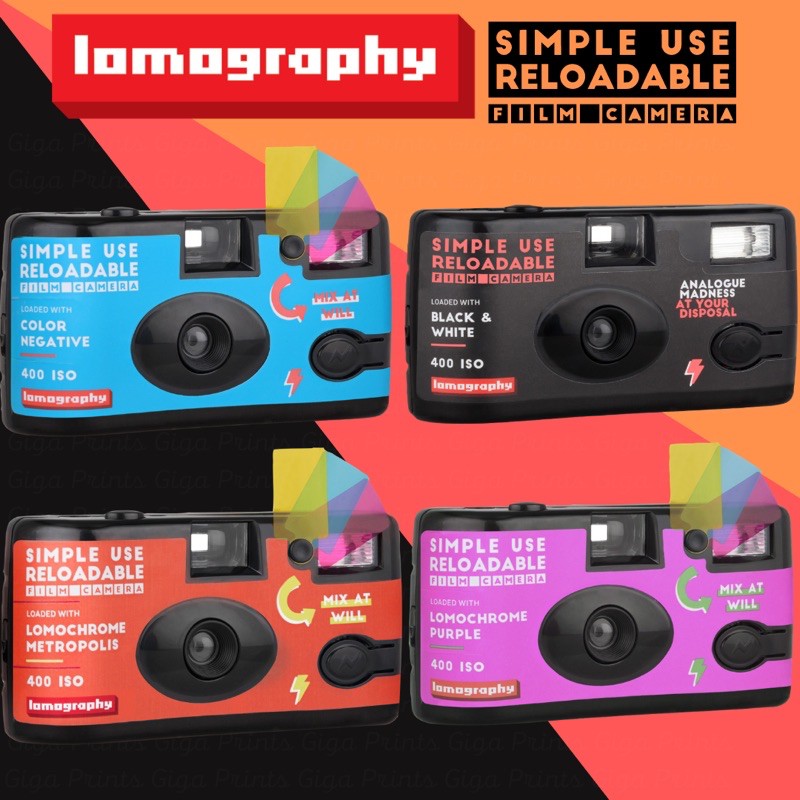
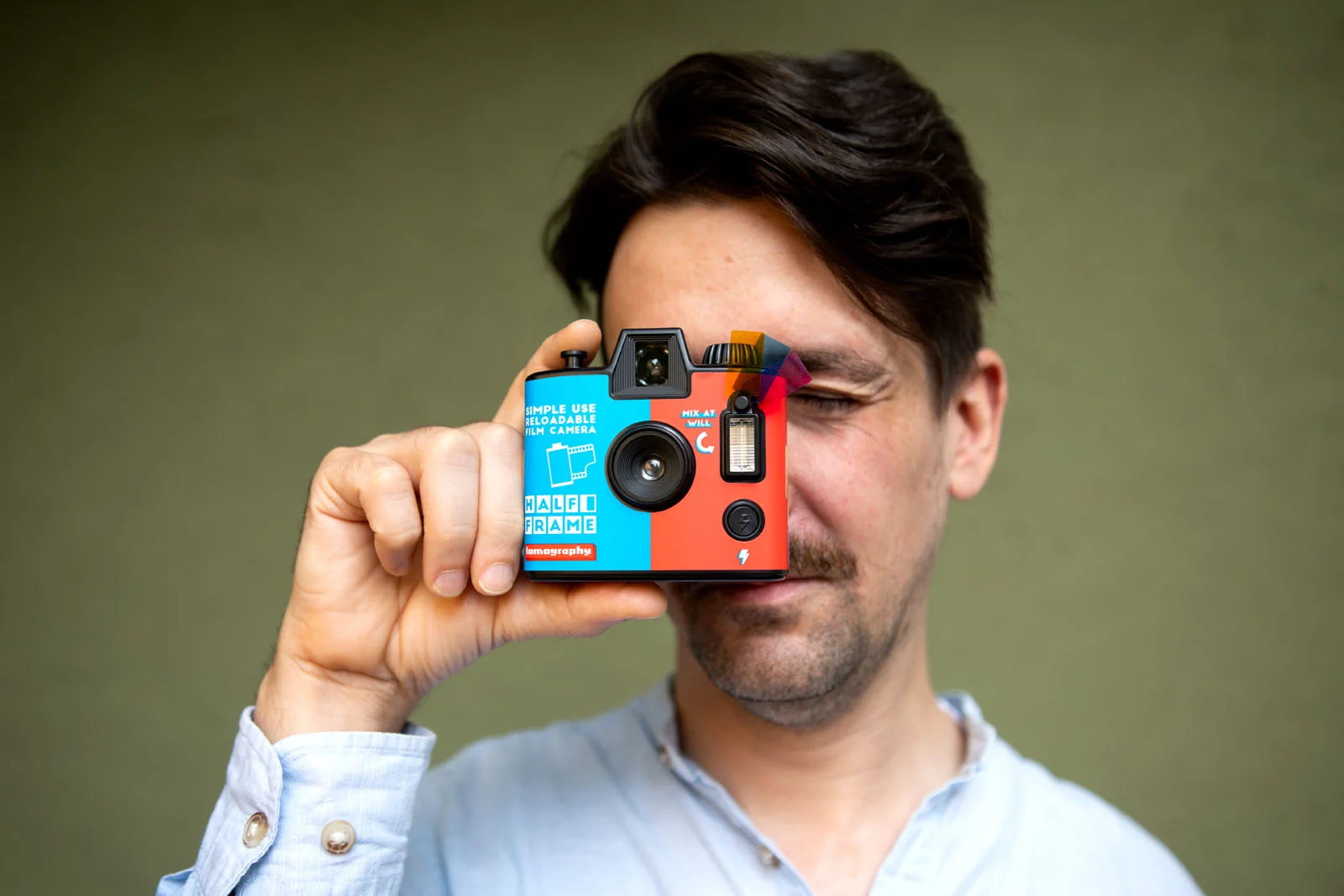
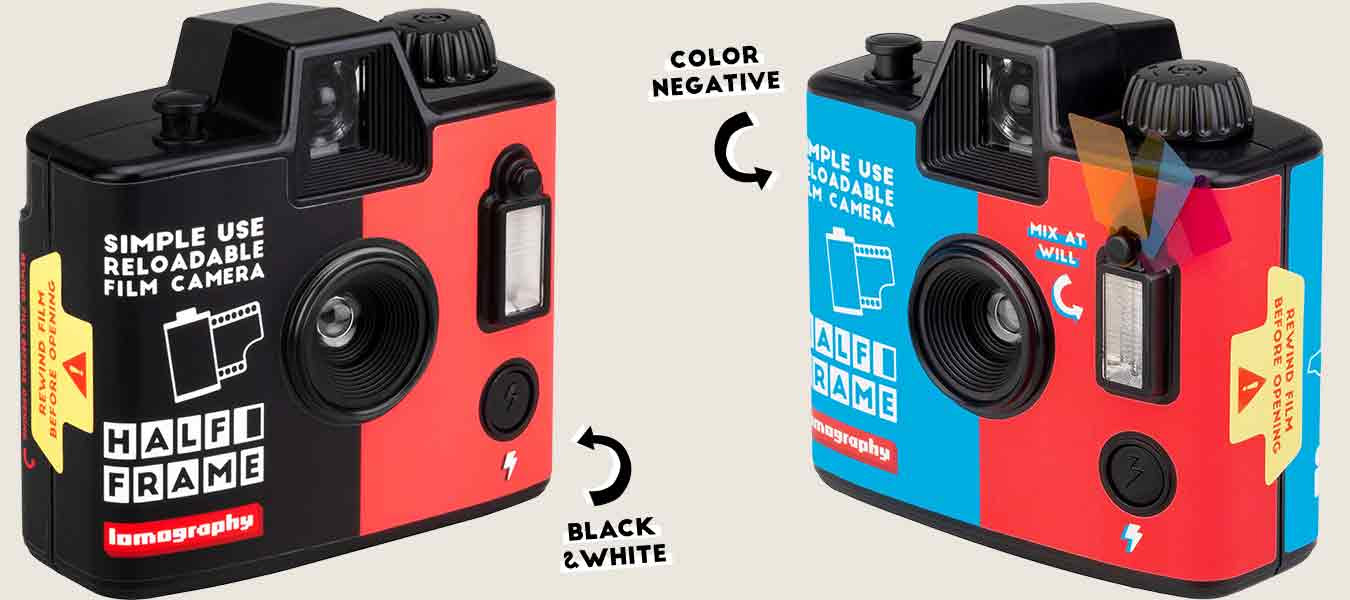
Half-frame’s return is not only about saving money; it taps into an emotional memory of casual point‑and‑shoot film. Lomography’s Simple Use Reloadable Film Camera Half Frame is described as a "more economical" take on the company’s classic accessible 35mm film camera, complete with a built‑in Xenon flash that delivers the familiar look of older compact cameras. Its tall, squatter body, central viewfinder and chunky top dial lean into the toy‑camera aesthetic that many film fans associate with carefree snapshots rather than high‑stakes, single‑shot perfection. Yet beneath that playful shell is a pragmatic tool: a fixed 21mm f/9 lens focusing from 0.6m to infinity, a 1/120s shutter, and simple AAA‑powered electronics. That blend of nostalgia and stripped‑down practicality is the real draw. You get the vibe of a thrift‑store point‑and‑shoot without the risk of dying electronics, and you get it in a format tuned for affordable film shooting.
The brand’s own explanation – "Double the sensations, the shocking moments, the scandals, the surprises" – points to how this camera is meant to be used: loosely, socially, and often. The point is not clinical sharpness; it is the frequency and freedom of pressing the shutter.
A growing half-frame ecosystem, with some odd choices
Lomography’s new half-frame model does not appear in a vacuum. It follows the success of the Pentax 17 and Kodak Ektar H35, which have helped renew interest in this niche format and inspired recommended film lists tailored to half-frame use. According to one editor, "it’s wonderful to see all of these half-frame cameras continue to come out," even while criticizing some design decisions. The strangest choice is Lomography pre‑loading its camera with a roll that only yields 40 half-frame shots, which implies around 20 full 35mm exposures instead of the more typical 24 or 36. That means buyers lose anywhere from 8 to 32 potential half‑frame images compared with what a standard roll could deliver. It is an odd move for a product that sells itself on volume and value. Yet the long‑term story is more important than the preloaded roll: the body is reloadable with any 35mm film, including newer emulsions like LomoChrome Classicolor ISO 200 and Lady Grey ISO 400.
This is where the format gets interesting. New film stocks and new half-frame body designs arrive together, reinforcing each other. You are no longer forced to hunt aging compacts on the used market and load them with whatever expired film you can find. Instead, you have fresh cameras plus fresh emulsions, a combination that makes half-frame feel like a living option, not a retro novelty.
Half-frame as the gateway to sustainable film habits
Half-frame’s resurgence is a quiet revolt against the idea that film must be rare, expensive and ceremonious. By design, cameras like Lomography’s Simple Use Reloadable Film Camera Half Frame treat a roll of film as dozens more chances to learn, fail and surprise yourself. That shift is essential if analog photography is going to attract new shooters who cannot justify burning through 36 exposures on a single cautious afternoon. With twice the exposures per roll and camera bodies that keep upfront costs down, half-frame makes the film photography budget feel far less hostile. It also reframes "cheap" as a strength: plastic bodies, fixed lenses and simple flashes become tools that encourage volume and play, not symbols of compromise. The more brands experiment with this format and new emulsions, the more half-frame looks like film’s most sustainable path forward – not as a replacement for full-frame, but as its more approachable, economical sibling.