
Silent by Design: Why Intel N150 Mini PCs Matter Now
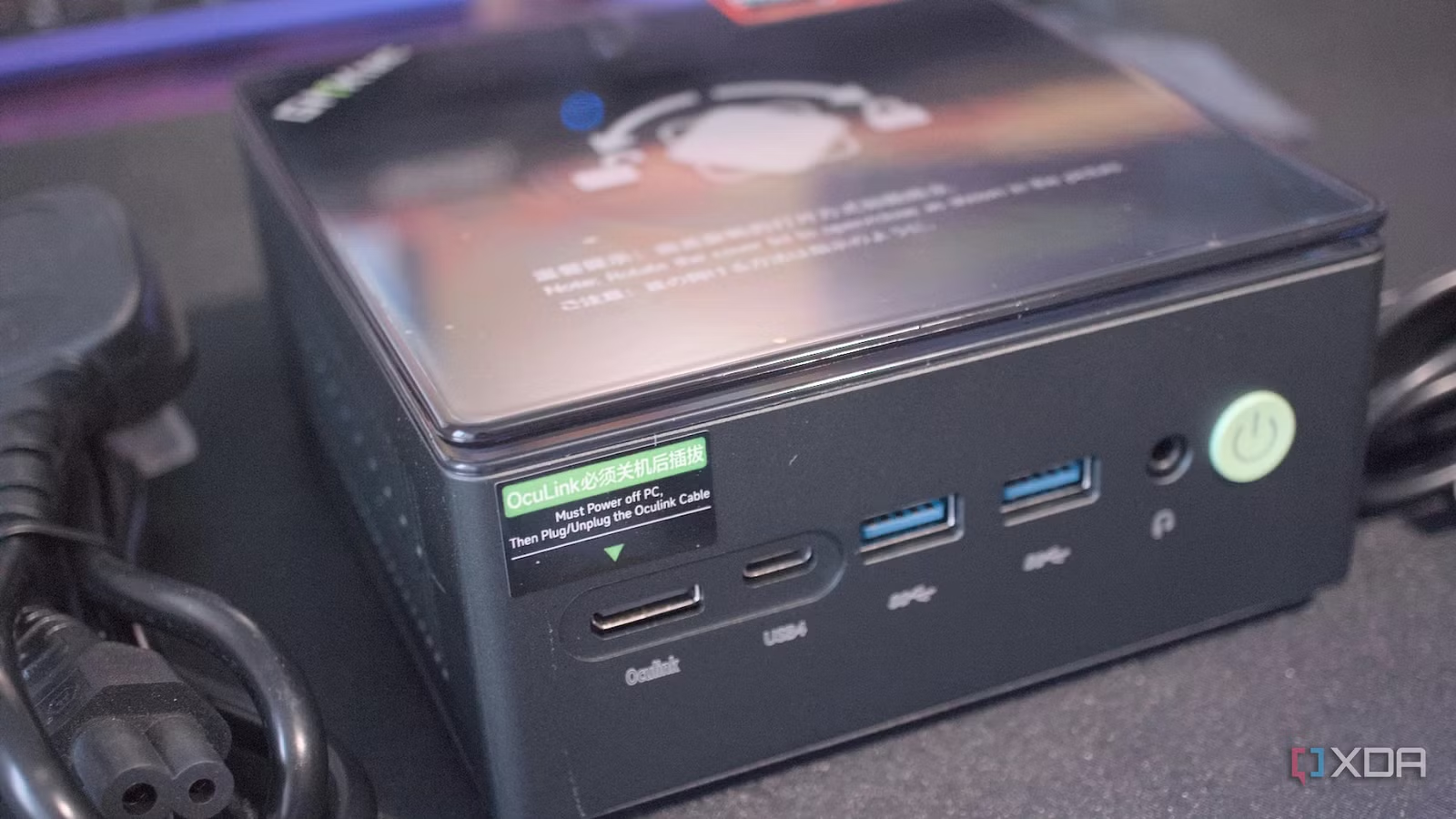
An Intel N150 mini PC is a compact, quad-core compact PC built around the low power Intel Processor N150, designed to deliver quiet, fanless, and energy-efficient compute for networking, office, and light server roles where silent operation and minimal maintenance matter more than raw performance.
These systems are not toys or disposable boxes; they are a direct response to noisy, overpowered desktops wasting power under light workloads. With a power-sipping 6W TDP, the Intel N150 turns the low power mini PC into a practical default for everyday tasks and always-on services. In practice, that means you can run routers, dashboards, thin clients, and home labs without the fan noise and heat of bigger machines. The real story is that these fanless designs are making silence and efficiency the baseline rather than a niche luxury, especially for networking mini PC deployments and compact office setups.
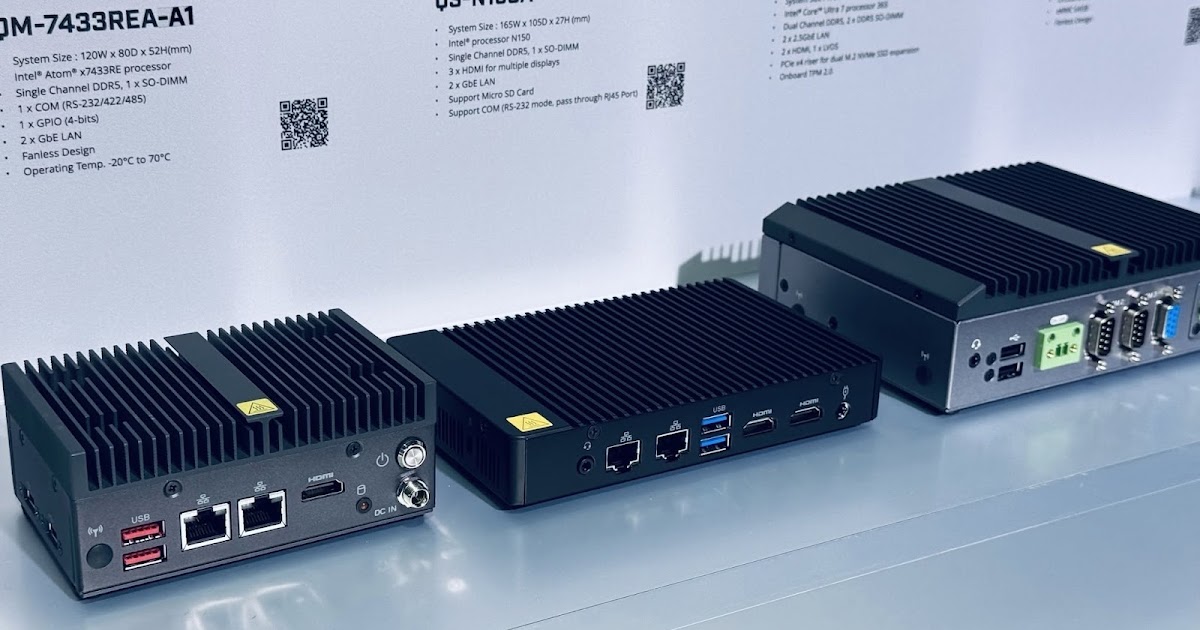
GigaIPC QS-N150A: Industrial Silence for Triple Displays
The GigaIPC QS-N150A shows how far the fanless mini PC has come: an ultra-slim, fanless industrial mini PC powered by an Intel Processor N150 quad-core CPU with a 6W TDP. Its ribbed aluminum chassis is fully passively cooled, so there is no fan to clog with dust or whine under load. For small control rooms or open-plan studios, that silence is not a luxury; it is a requirement.
Despite its tiny footprint, this quad-core compact PC offers up to 16GB of DDR5, an M.2 PCIe Gen3/SATA SSD slot, triple HDMI 2.0 outputs, dual Gigabit Ethernet, an RS-232 COM port, and optional 4G LTE expansion. At USD 329.95 (approx. ₱18,500), the QS-N150A undercuts many bulkier desktops while offering far lower power use and zero moving parts. For anyone wiring up multi-screen dashboards, digital signage, or quiet office workstations, this is proof that minimal noise and industrial reliability no longer demand oversized hardware.
Protectli Vault Pro VP2440: A Networking Mini PC with Serious Ambition
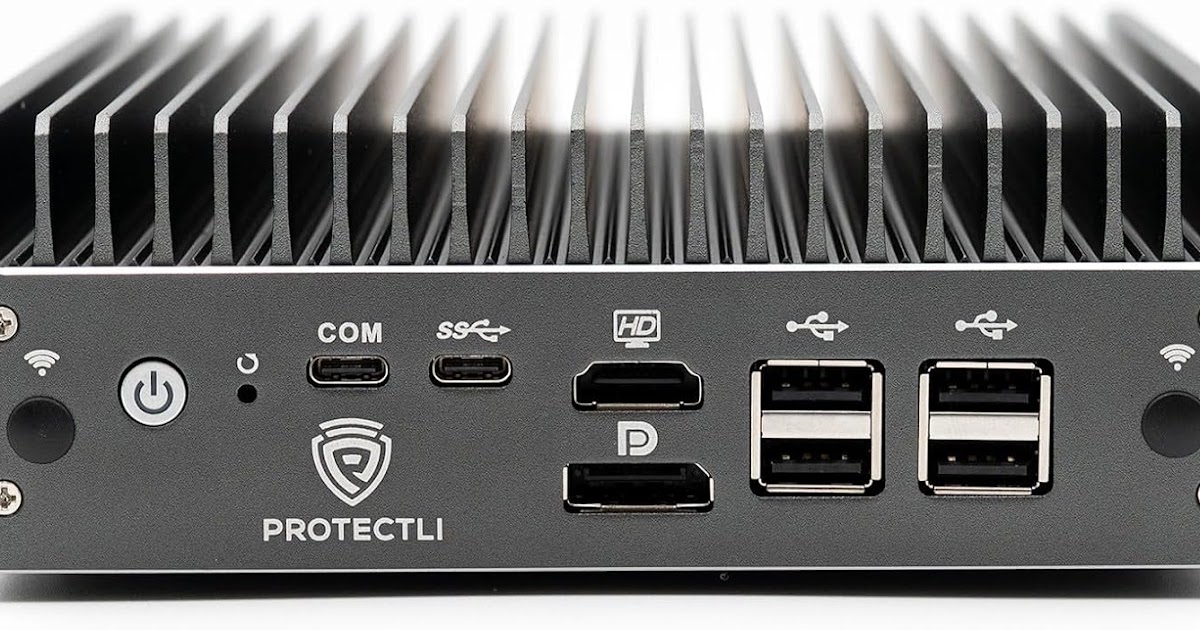
If the QS-N150A is about compact desktops, the Protectli Vault Pro VP2440 is unapologetically a networking mini PC. It is a compact, networking-focused mini PC powered by the quad-core Intel N150 processor and open-source coreboot firmware, aimed squarely at routing and security roles. This is where the N150’s low power profile pays off: always-on workloads that do not need noisy fans or high-watt CPUs.
The hardware is unapologetically feature-heavy for a low power mini PC: two 10GbE SFP+ cages, two 2.5GbE RJ-45 ports, up to 64GB of DDR5, 32GB of onboard eMMC, and an M.2 NVMe slot, all wrapped in an all-aluminum chassis. At USD 519 (approx. ₱29,000), it is not “cheap,” but it is clear about its mission. One quotable takeaway: “The Vault Pro VP2440 is the most feature-rich N150 networking mini PC yet, pairing quad-core efficiency with serious 10GbE connectivity.” For professionals building firewalls, lab routers, or branch-office gateways, this replaces noisy rack gear with a silent, desk-friendly appliance.
MeLE N150 QuieterDL: Dual 2.5G LAN for the Quiet Desk
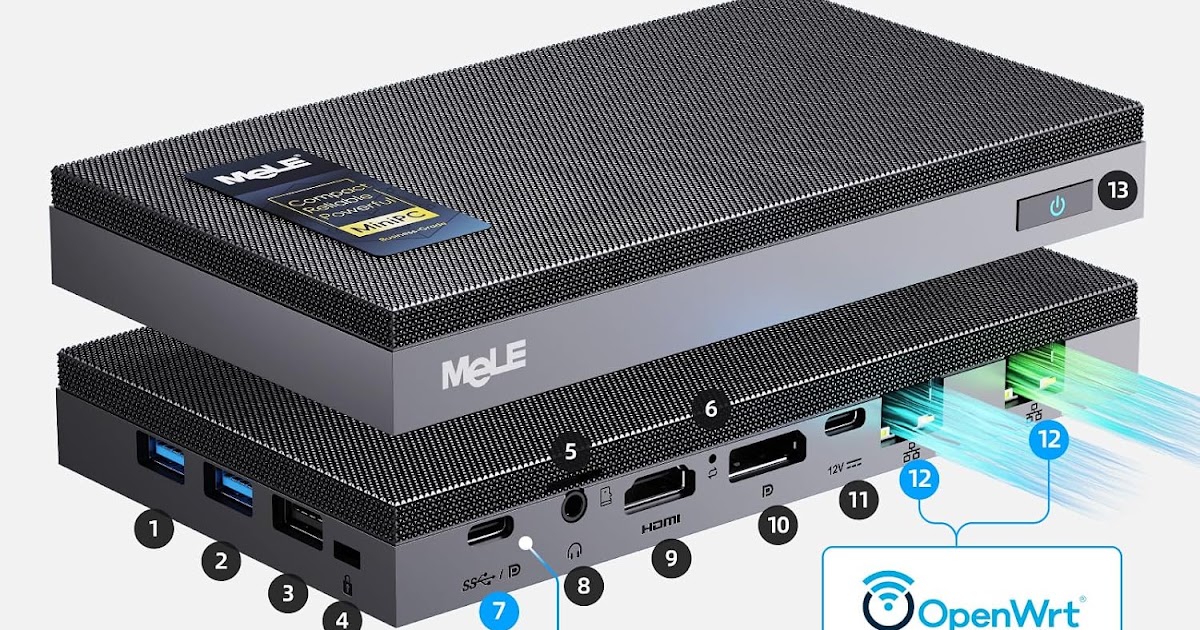
On the desktop side of the networking spectrum, the MeLE N150 QuieterDL targets users who want a minimalist yet capable daily driver. This dual 2.5G LAN iteration of the popular MeLE mini PC arrives as a ready-to-use quad-core compact PC with 16GB of RAM and a 512GB PCIe 3.0×4 SSD. Priced at USD 599.99 (approx. ₱33,500), it clearly competes with mid-range laptops and desktops rather than bargain-bin boxes.
What sets it apart is balance: dual 2.5G LAN for advanced networking, triple 4K display support via HDMI, DisplayPort, and USB-C, plus out-of-the-box compatibility with Windows 11 Pro and Linux on an OS-free unit. According to one description, it “can serve as a versatile, energy-efficient and minimalist desktop setup.” That is the core appeal: a fanless mini PC that can anchor both a quiet creative workspace and a small lab, without the noise and maintenance burden of traditional towers.
The Bigger Shift: From Loud Boxes to Quiet Infrastructure
Taken together, these Intel N150 mini PCs signal a clear shift in priorities. The segment emphasizes silent operation and minimal power consumption for office and server applications, using a 6W TDP CPU and energy-efficient designs to cut heat and noise. In creative studios, shared offices, and even home labs, fanless designs reduce maintenance and noise, making these systems suitable for environments where hum and dust are not acceptable.
The lesson is simple: for networking appliances, dashboards, and everyday productivity, oversized desktops are increasingly the wrong tool. A well-specced low power mini PC can route 10GbE traffic, drive three 4K displays, or anchor a minimalist workstation while staying nearly silent. The N150 generation proves that quiet, efficient infrastructure is no longer a niche experiment—it is a practical upgrade path. If your workspace or rack still sounds like a jet engine, these boxes make a strong case that the noise is now a choice, not a requirement.