
AI Cosmetic Dermatology: A New Kind of Clinical Partner
AI cosmetic dermatology is the use of artificial intelligence systems as decision-support tools that analyse skin and hair data, generate objective assessments, and help clinicians design personalized skin treatment and hair care plans, while keeping dermatologists in charge of diagnosis, safety, and final therapeutic decisions. This is not a story about machines replacing medical judgment; it is about augmenting it. A 2024 review in the Journal of Cosmetic Dermatology found that AI is already embedded in skin assessment, treatment planning, dermocosmetic product development and hair disorder management. From high-resolution facial imaging to predictive models for laser outcomes, dermatology technology innovation is moving fast—and patients now expect personalised recommendations as a baseline, not a luxury. The profession has a choice: either use artificial intelligence aesthetics to sharpen clinical decisions, or risk falling behind consumer apps that promise personalization without responsibility.
From Image Analysis to Individualized Procedures
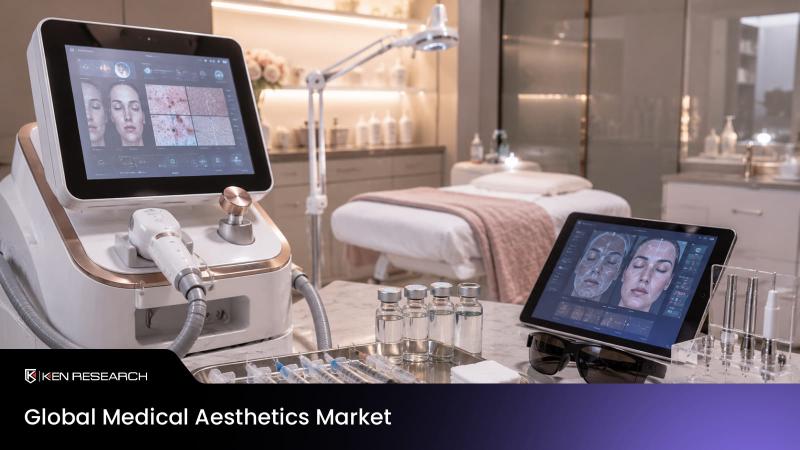
The real power of AI cosmetic dermatology lies in how machine learning algorithms turn messy visual data into tailored action plans. Advanced platforms can quantify wrinkles, pigmentation, pore size, redness, hydration and texture in seconds, giving dermatologists hard numbers instead of vague impressions. Rather than relying on a quick visual check, clinicians can build personalized skin treatment strategies—adjusting chemical peels, laser parameters, injectables and home regimens to a specific profile that reflects genetics, lifestyle, sun exposure and skin tone. Machine-learning models go further by analysing patient characteristics alongside prior outcome data to estimate how someone will respond to resurfacing or pigmentation therapies, allowing settings to be customised and complications reduced. Newer software even generates visualisations of likely post-procedure appearances, turning consultations into a candid discussion of trade-offs instead of glossy before-and-after albums. Used well, this is dermatology technology innovation in service of informed consent, not marketing.
Beyond the Face: Hair, Scalp and Workflow Transformation
AI’s influence does not stop at facial aesthetics. Algorithms are now assessing hair density, flagging early hair loss and tracking responses to treatments for androgenetic alopecia and other disorders by comparing sequential photographs over time. That turns subjective impressions—“it looks a bit fuller”—into measurable progress or stagnation. In daily practice, integration matters as much as the models. One board-certified dermatologist reports that patients in her clinic can scan their faces with AI-powered tools while they sit in the waiting room, generating an initial analysis that streamlines the consultation. This kind of artificial intelligence aesthetics shifts dermatologist time from repetitive measurement to interpretation and strategy. When AI predicts likely responses to lasers or pigmentation treatments, doctors can set realistic expectations, customise protocols and minimise complications—key drivers of patient satisfaction in elective care. The workflow becomes more data-rich, but also more human: conversations focus on goals, risks and timelines instead of raw observation.
Premium Skincare Chases Medical Aesthetic Credibility
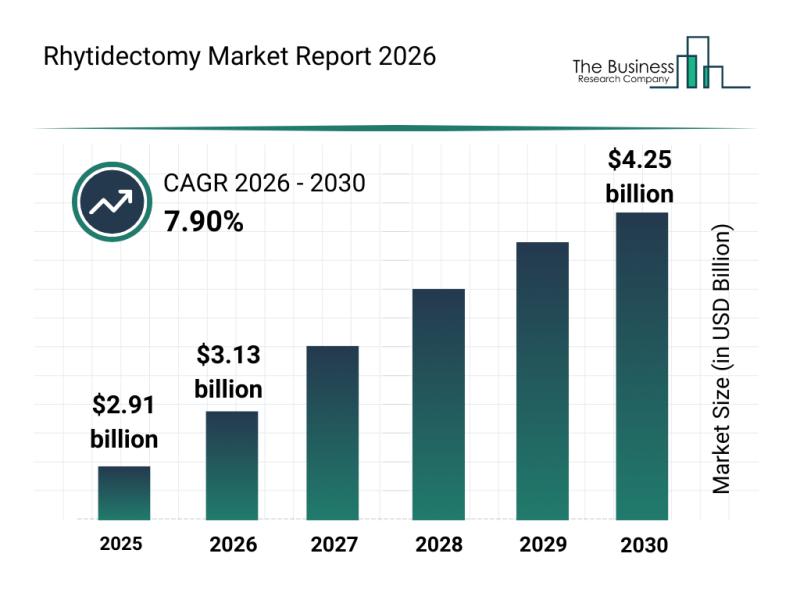
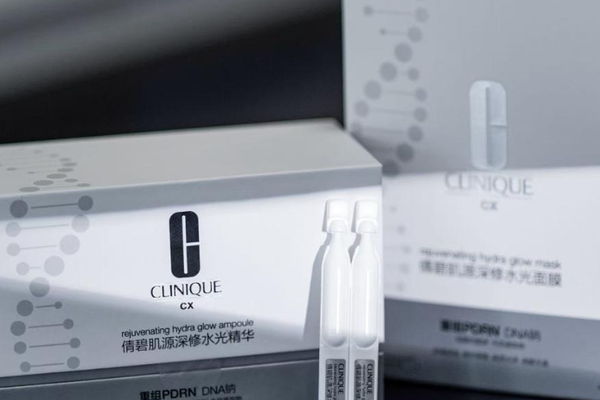
While clinics embed AI into treatment planning, high-end skincare brands are racing to align with medical aesthetic care. One major brand recently launched a CX Skin Source Deep Repair Hydrating Series built around recombinant PDRN, claiming it is the first skincare line with recombinant PDRN as its core component. PDRN has long been used in medical and aesthetic fields to promote tissue repair, strengthen the skin barrier and support wound recovery, including popular injection treatments marketed as "baby face" care. The move signals a broader shift: as medical aesthetic consumption moves from one-off procedures to long-term skin management, global medical aesthetic markets remain in a growth phase, with non-surgical photoelectric therapy and injectables as the fastest-growing segments. Consumers increasingly want integrated solutions covering daily care, procedure support and long-term anti-aging, not a split between “skincare” and “treatments”. Brands that ground their claims in medical research, ingredients validated in clinical settings and clear efficacy data will own this emerging "light medical aesthetic" space.
Why AI Must Stay a Tool, Not a Judge
Despite the excitement, there is a hard boundary: AI should assist, not decide. Dermatology image databases still carry bias; underrepresented skin tones and conditions can lead to inaccurate assessments if models are treated as oracles instead of tools. Researchers are clear that AI must complement medical expertise, not replace it. As cosmetic dermatology adopts more digital systems, the most responsible path is to use AI as an increasingly valuable assistant while keeping the dermatologist at the centre of care. On the industry side, high-end beauty groups are building product systems around medical research, ingredient innovation and clinical validation to secure the next wave of growth. For international brands, the next competitive phase will hinge on translating technical advantages from medical fields into consumer-visible benefits and maintaining long-term scientific validation. The future of personalized skin treatment and hair care will belong to the players—clinics and companies alike—who treat artificial intelligence aesthetics as a disciplined clinical partner, not a gimmick.