
Facelift surgery’s new moment: from niche vanity to mainstream upgrade
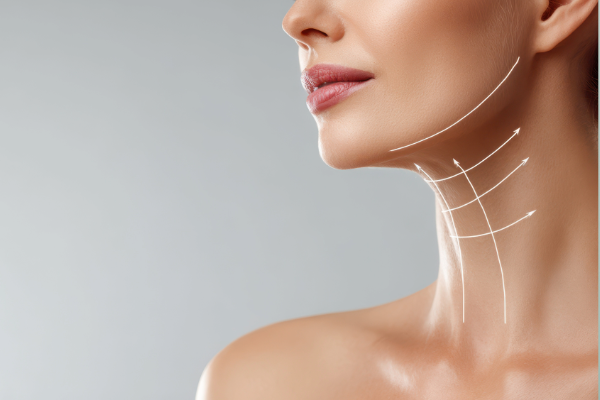
The facelift surgery market, centered on rhytidectomy and related facial rejuvenation procedures, refers to the growing segment of surgical and minimally invasive interventions that tighten, reposition, or stimulate facial tissues to reduce visible aging while promising shorter recovery times, more natural-looking outcomes, and increasingly personalized treatment plans.
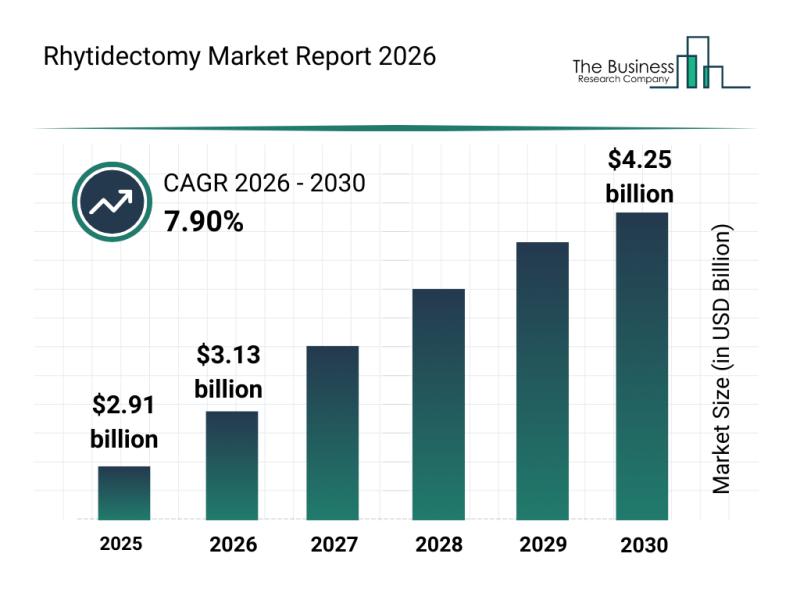
The key story is not that facelifts exist, but that demand for them is accelerating faster than many expected. The rhytidectomy market is projected to reach USD 4.25 billion (approx. ₱238.0 billion) by 2030, growing at a 7.9% compound annual rate. At the same time, the wider medical aesthetics ecosystem has already hit USD 18 billion (approx. ₱1.0 trillion) and is forecast to reach USD 33 billion (approx. ₱1.8 trillion) by 2029. This is aesthetic surgery growth on a scale that forces a rethink: facial surgery is no longer a fringe luxury; it is a core part of a fast-expanding beauty and wellness industry.
Technology is rewriting what a facelift looks and feels like
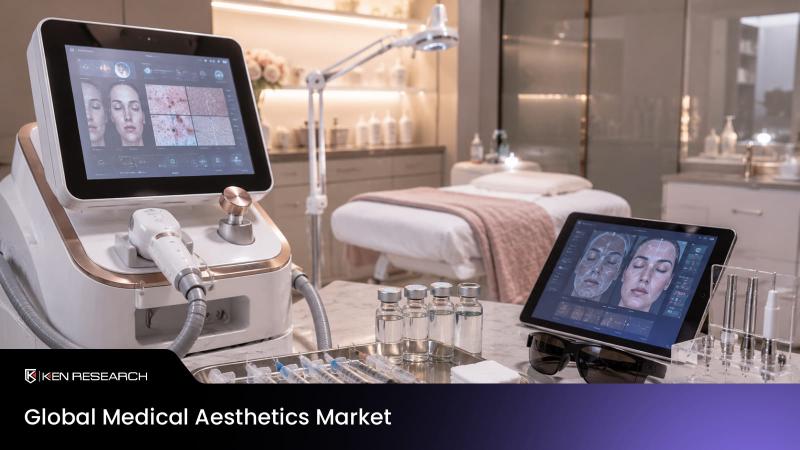
The facelift surgery market is not growing because people suddenly love operating rooms; it is growing because surgery no longer looks or feels as it once did. Key rhytidectomy trends include a shift towards minimally invasive facelift methods, wider use of advanced surgical planning tools, more short-recovery cosmetic surgeries, and an explicit focus on natural-looking results rather than pulled, overdone faces. In other words, innovation has attacked the main objections to surgery: fear, downtime, and stigma.
This push is part of a broader move in medical aesthetics towards minimally invasive and non-invasive procedures that offer reduced discomfort, shorter recoveries, lower treatment costs, and faster visible results compared with conventional surgery. Energy-based facial rejuvenation technologies and devices such as novel non-invasive treatments using high-intensity focused electromagnetic energy to stimulate and tone facial muscles show how blurred the line between ‘surgery’ and ‘device’ has become. The more technology softens the experience, the easier it becomes for consumers to say yes.
Consumers are driving the boom—and changing what a facelift means
If surgeons are rewriting the tools, consumers are rewriting the rules. The rhytidectomy sector is expanding because growing consumer interest in aesthetic procedures is pushing demand for facelift interventions far beyond traditional vanity surgery. Heightened awareness of facial anti-aging treatments, increased medical tourism, and a stronger emphasis on safety and outcomes are pulling more people into the conversation about facial rejuvenation.
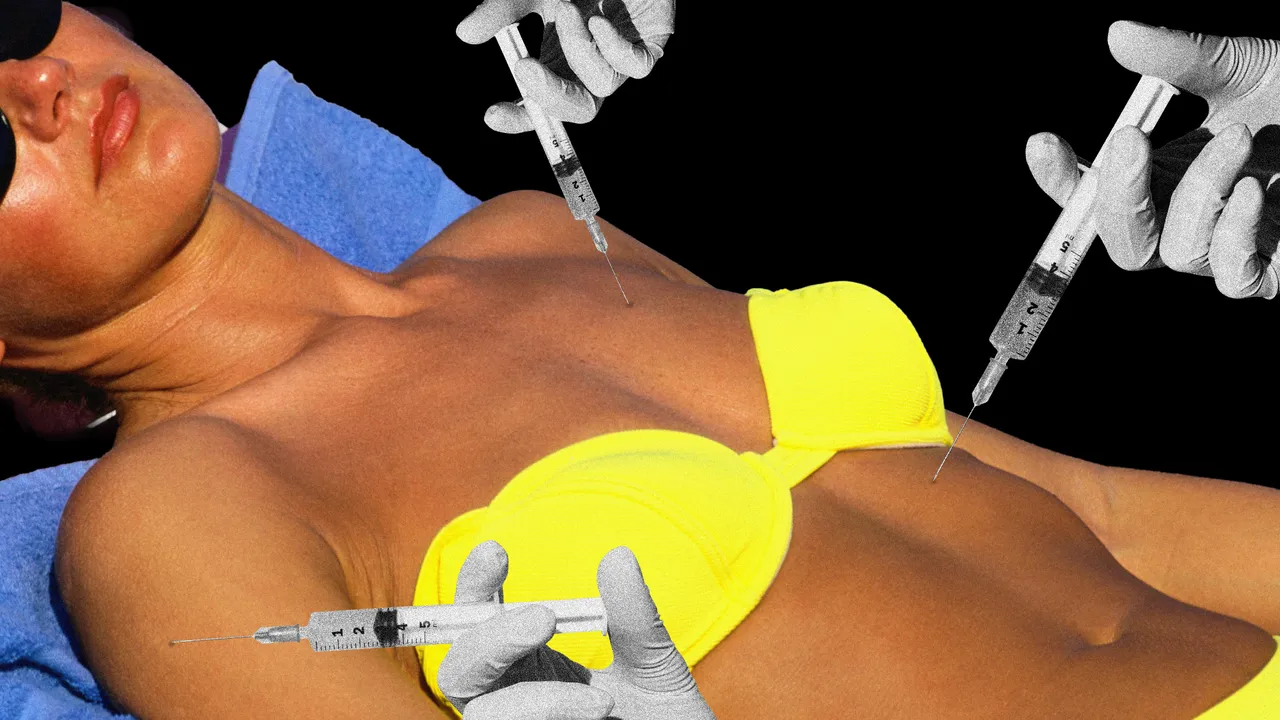
At the same time, the wider medical aesthetics market is driven by rising demand for minimally and non-invasive cosmetic procedures, greater consumer awareness, rising disposable income, and an expanding aging population seeking anti-aging solutions. Non-invasive procedures already dominate technique share because they offer a gentler, lower-commitment entry point. This matters for facelifts: injectable and device-based treatments act as gateways, normalizing aesthetic care so that a surgical option feels like the next logical step rather than a radical leap.
Age, lifestyle and home devices: why this surge will not fade soon
Beneath the technology buzz, demographic and lifestyle forces are locking in long-term demand. The global aging population is driving sustained interest in facial rejuvenation, wrinkle reduction, skin resurfacing, volume restoration and related treatments. Older consumers want to stay visible in the workforce and social sphere; younger consumers are more open to preventive or maintenance-based aesthetic care. This combination keeps pipelines full for both non-surgical and surgical facial procedures.
Home-use aesthetic devices add another layer. Consumers now use convenient, technologically advanced tools for acne treatment, wrinkle reduction, LED therapy, skin maintenance and hair removal at home. These devices do not replace facelifts, but they condition users to manage their appearance actively. Once appearance maintenance becomes routine, stepping up to more intensive facial rejuvenation procedures feels like an incremental decision, not a drastic one.
What the next decade of facelift surgery will demand
The next phase of aesthetic surgery growth will reward those who treat facelifts as part of a broader ecosystem, not a stand-alone operation. The medical aesthetics market is projected to reach USD 33 billion (approx. ₱1.8 trillion) by 2029, supported by artificial intelligence integration, personalized aesthetic solutions and continued expansion of minimally invasive procedures. One published analysis notes that AI applications could be adopted by more than half of aesthetic clinics globally over the forecast period.
For patients, this convergence means more tailored treatment plans, better pre-operative planning and clearer expectations. For providers, it means competition from clinics and networks that are consolidating and acquiring practices to build full-service aesthetic platforms; one plastic-surgery-focused medical practice, for example, acquired a well-known surgery and MedSpa group in a strategic move in 2023. The bottom line: facelifts are becoming more accessible, more data-driven and more integrated into everyday beauty routines. That makes the opportunity bigger—but also raises the bar on ethics, transparency and long-term care.