
From Face Cream to ‘At‑Home Procedure’: What Is Changing?
The convergence of premium skincare brands and the medical aesthetics market describes how luxury beauty companies are adopting ingredients, testing methods, and positioning once reserved for clinics to sell daily-use products that promise professional-grade results at home, reshaping consumer expectations and competitive dynamics across both industries.
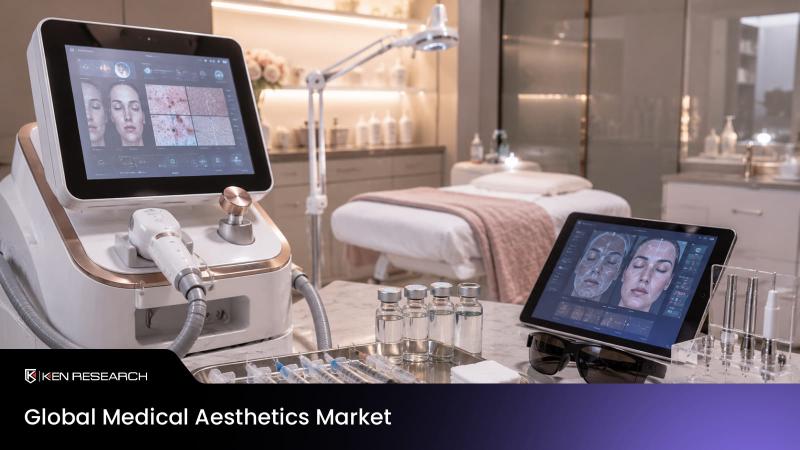
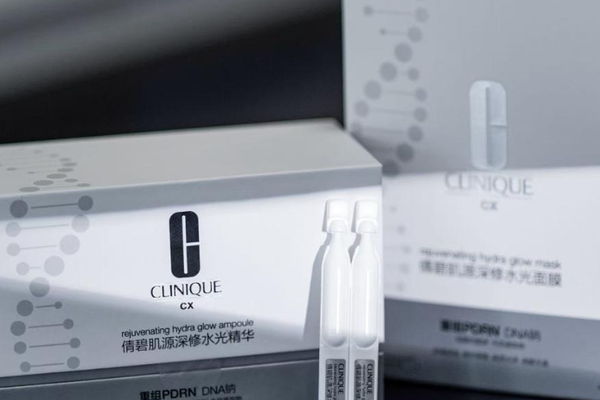
The core shift is simple: face cream now wants to behave like a mild, daily procedure. Clinique’s launch of the CX Skin Source Deep Repair Hydrating Series with recombinant PDRN in China is a textbook example, positioning a classic prestige brand inside a category long dominated by doctors and injectables. PDRN has been used for years in medical and medical-aesthetic settings for tissue repair and barrier support, especially in injectable treatments known for “baby face” effects. At the same time, the global medical aesthetics market has already reached USD 18 billion, driven by minimally invasive treatments, AI innovation, and rising consumer demand. These forces are colliding—and consumers need to understand both the opportunity and the risk in that collision.
A Fast-Growing Hybrid Category: Why Beauty Is Chasing Aesthetic Medicine
High-end skincare no longer grows simply by promising more moisture or brighter skin. As spending in medical aesthetics shifts from one-off procedures to long-term skin management, traditional premium skincare brands are hunting for new growth paths. That is pushing them toward medical-aesthetic-centered skincare, a segment now becoming an important growth direction for high-end daily care. The commercial logic is clear: the medical aesthetics market is expanding on the back of minimally and non-invasive procedures, aging populations, and rising incomes, with market size currently at USD 18 billion and projected to reach USD 33 billion by 2029 as AI and personalized treatments scale up. This is classic follow-the-money behavior—beauty brands are not suddenly turning altruistic; they are following aesthetic medicine growth where consumers are willing to invest in visible, measurable results.
Non-surgical treatments such as photoelectric therapies and injectables are among the fastest-growing sub-sectors of the global medical aesthetic market. As that growth accelerates, consumers stop seeing a hard line between a clinic visit and their bathroom shelf. They now expect integrated plans that cover pre-procedure stabilization, post-procedure repair, and long-term anti-aging—often with the same brand name spanning both spaces. When prestige skincare promises clinical-grade effects, it is not only selling a cream; it is selling an alternative—or complement—to going under a laser or needle.
Clinique’s PDRN Bet: Scientific Credibility or Marketing Upgrade?
Clinique’s move into recombinant PDRN skincare is more than a product launch; it is a signal of how far premium skincare brands will go to borrow clinical authority. The Estée Lauder-owned label frames the CX Skin Source line as the first skincare range with recombinant PDRN as the core ingredient, explicitly linking “scientific skincare” to medical aesthetic care. This follows earlier launches like its recombinant collagen series, which even obtained Class II medical device certification for perioperative skin repair scenarios in China. In other words, parts of Clinique’s portfolio now sit inside regulated medical-device territory, not only the cosmetics aisle. For consumers, the upside is obvious: access to technologies and ingredients once reserved for clinical settings, now adapted for everyday routines. The downside is subtle: it becomes harder to know where cosmetic promise ends and medical implication begins.
From an industry trend perspective, the boundary between skincare and medical aesthetics is “gradually blurring”. Competitors are not standing still either. Other high-end brands under groups such as L’Oréal, Shiseido, and Unilever are also investing in dermatology and life sciences collaborations, using lab research, clinical trials, and medical channels to bolster credibility. This is not about one brand; it is an arms race to claim the most convincing clinical skincare products without fully crossing into the responsibilities and constraints of practicing medicine.
Consumer Power Shift: From Instant Results to Long-Term ‘Skin Management’
The real driver behind this convergence is a consumer mindset shift. People who once chased quick, dramatic fixes are now more focused on long-term skin condition management and maintenance. That directly fuels demand for at-home routines that feel professional-grade: products that promise to extend the life of a laser session, make injectables last longer, or reduce the need for aggressive procedures altogether. This is why we see the rise of “light medical aesthetic care”—daily care positioned around medical-aesthetic scenarios such as pre-treatment stabilization and post-treatment repair. In practice, consumers no longer want to choose between skincare and medical aesthetics; they want one integrated journey that spans serums, devices, and clinic visits. According to one strategic market analysis, growing consumer awareness of aesthetic treatments and improved accessibility are key reasons the medical aesthetics market is on a strong expansion path.
Home-based aesthetic solutions amplify this shift. Convenient devices for LED therapy, acne management, and wrinkle reduction are creating a new growth pocket inside the wider medical aesthetics ecosystem. This at-home trend complements the clinical skincare push from premium brands: the bathroom increasingly looks like a mini treatment room. That can empower consumers with more control and continuity—but it also raises expectations. When everyday products adopt clinical language, users start judging them by clinical standards, and disappointment can be sharp if outcomes do not match the implied promise.
The New Competitive Map—and What Consumers Should Watch
As premium skincare brands push into the medical aesthetics market, industry categories are being rewritten. Professional injectable players are acquiring skincare lines, while beauty groups are building product systems centered on medical research, ingredient innovation, and clinical validation as a path to the next growth cycle. This convergence intensifies competition; the entry of medical-aesthetic ingredients into mass skincare means more crowded shelves and louder claims. For executives and investors, the opportunity is clear but complex: they must weigh treatment frequency, recurring revenue prospects, clinical adoption, regulatory risk, device costs, training needs, and consumer acceptance when evaluating bets in this space.
For consumers, the key is not to reject this hybrid era but to approach it with sharper filters. Regulatory standards for medical aesthetic devices and products are demanding—covering approvals, clinical evidence, promotional restrictions, practitioner qualifications, and post‑market surveillance—but those safeguards do not always apply in the same way to cosmetic products that borrow medical language. The smartest move is to treat “clinical” skincare as a bridge, not a substitute: a way to support or extend professional treatments, not a guarantee of clinic-level outcomes on its own. The brands that win will be those that respect that line instead of blurring it beyond recognition.