
The Turning Point: OLED Power Without Boutique Pricing
OLED gaming monitors are high-refresh, high-contrast displays that use self-emissive pixels instead of a backlight, delivering per‑pixel lighting control, deep blacks, and fast response times that were once reserved for ultra‑expensive, niche panels but are now entering mainstream price territory for PC gamers. For years, display tech was the guilty pleasure in a gaming rig – spectacular, but painfully priced. That’s changing fast. The most notable shift is that both OLED and mini‑LED monitors in 27‑inch 1440p formats can now be found for under USD 350 (approx. ₱19,600). When GPU and CPU prices feel stuck in the stratosphere, monitors have become the rare bright spot: they keep getting cheaper and better at the same time, a reversal of the usual PC hardware story.
BOE’s Mega Plant: Why Panel Supply Suddenly Matters to Gamers
The reason OLED gaming monitors are sliding down the price ladder isn’t magic; it’s manufacturing scale. Display maker BOE has started mass production at a new 8.6‑generation OLED plant, described as the first of its kind in its home market. This facility will pump out 10 million OLED panels this year alone, with output set to rise significantly in its second year of operation. Vast numbers of new, high‑specced panels entering the market are expected to push pricing into far more competitive territory, and smaller OLED gaming monitors have already dropped to much more reasonable money in recent months. With additional 8.6‑gen plants from other manufacturers in the works, it’s clear we are heading toward a flood of OLED displays from multiple sources, rather than relying on a handful of boutique suppliers.
ASUS ROG Swift OLED: Flagship Specs, Mainstream Ambitions
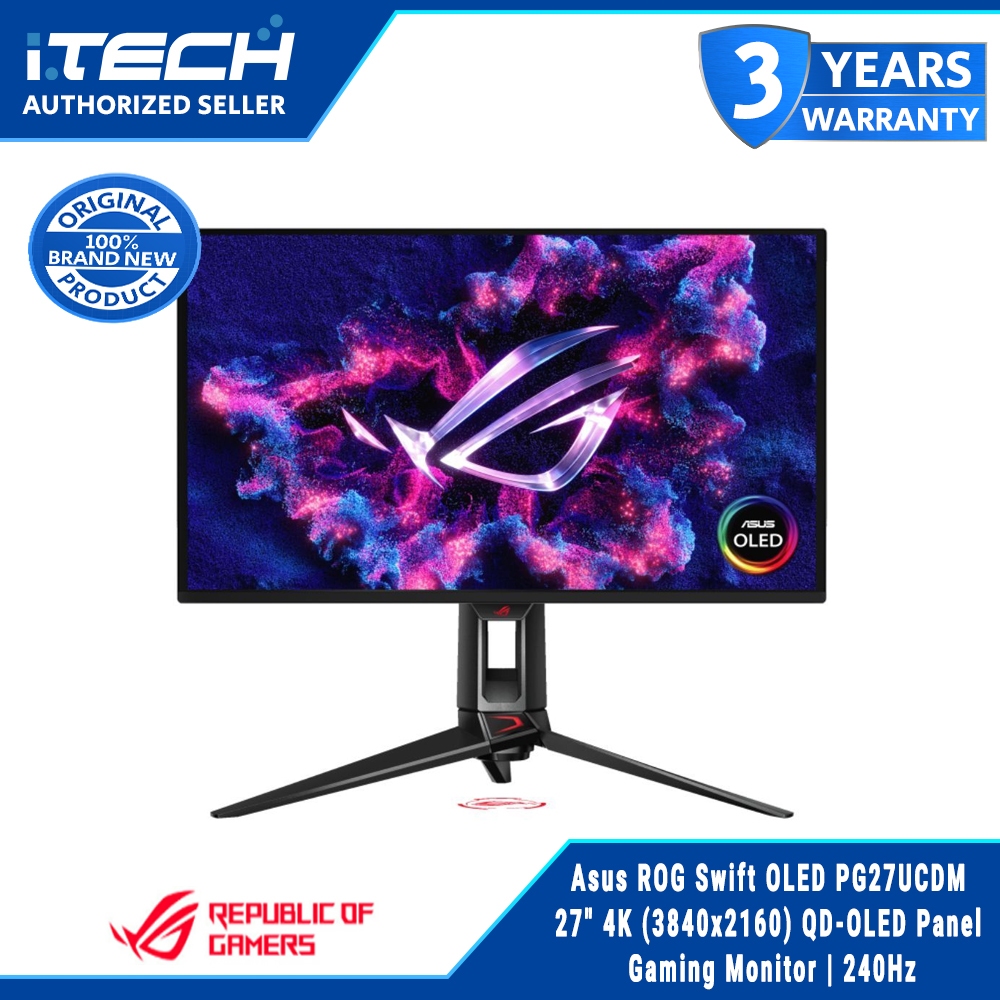
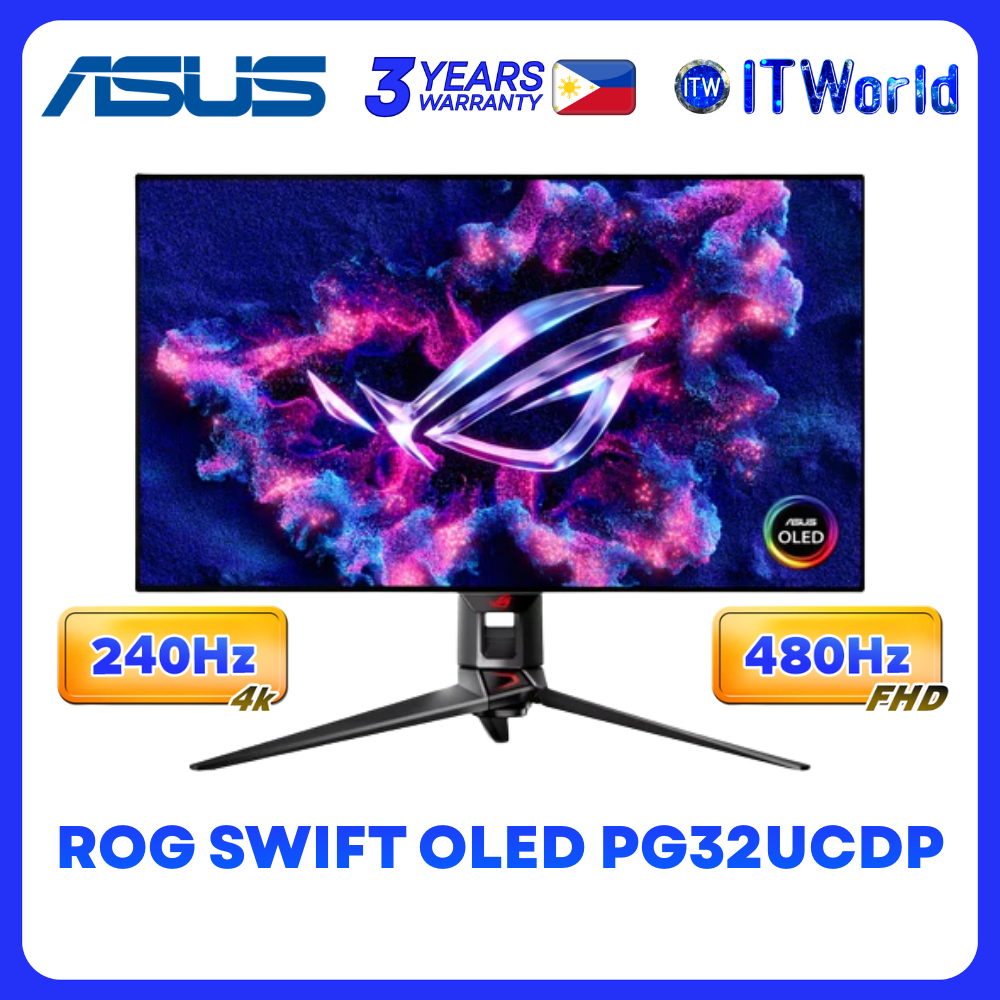
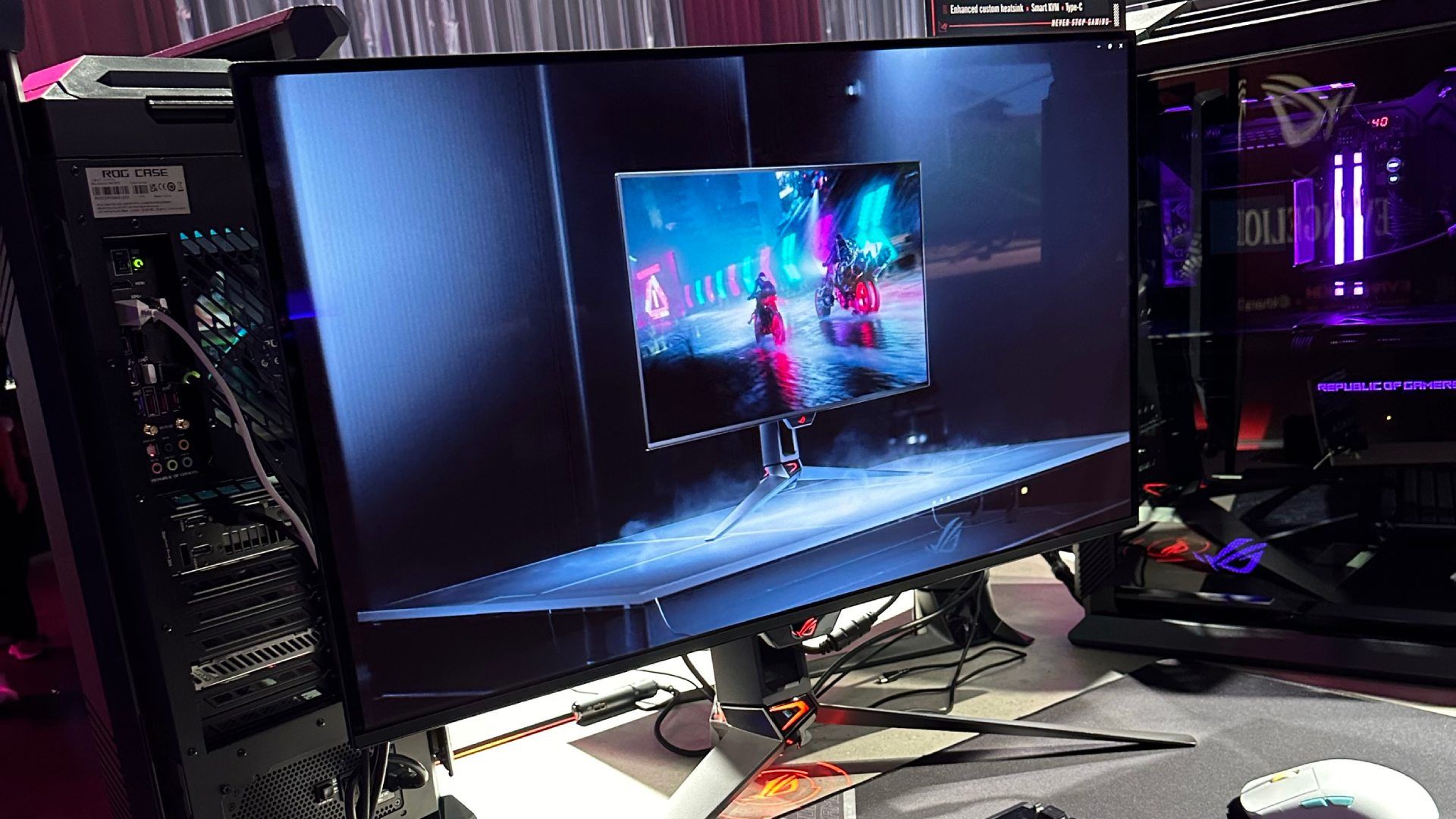
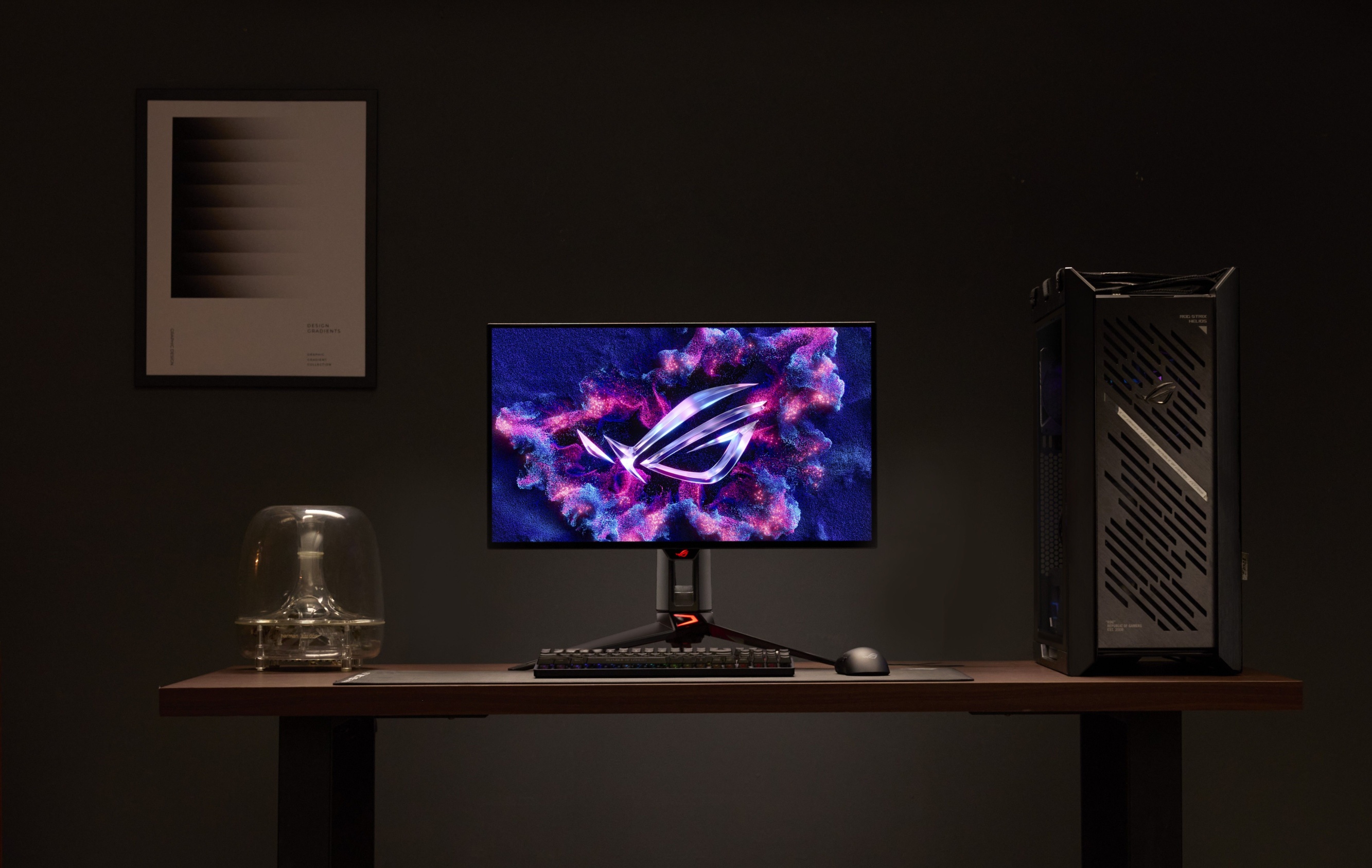
The clearest sign that OLED isn’t just a luxury toy anymore is ASUS launching the ROG Swift OLED PG27UCWM and PG32UCWM as full‑blown gaming monitors, not halo experiments. These True Tandem RGB OLED displays reach 1,000 nits of peak HDR brightness and can flip via a hardware hotkey between 4K at 240 Hz and full‑HD at 480 Hz. Tandem RGB matters: by stacking emissive layers and using a pure RGB stripe without a white subpixel, ASUS claims up to 27% larger color volume even at peak luminance. The power supply shift is equally important. These monitors replace conventional silicon MOSFET designs with GaNFET hardware, cutting waste heat by roughly 35%, dropping vent temperatures by 10%, and extending estimated panel lifespan by around 25% compared with previous ROG OLEDs. That’s real engineering aimed at long‑term, everyday use.
Mini-LED vs OLED: Picking the Right Weapon for Your Workload
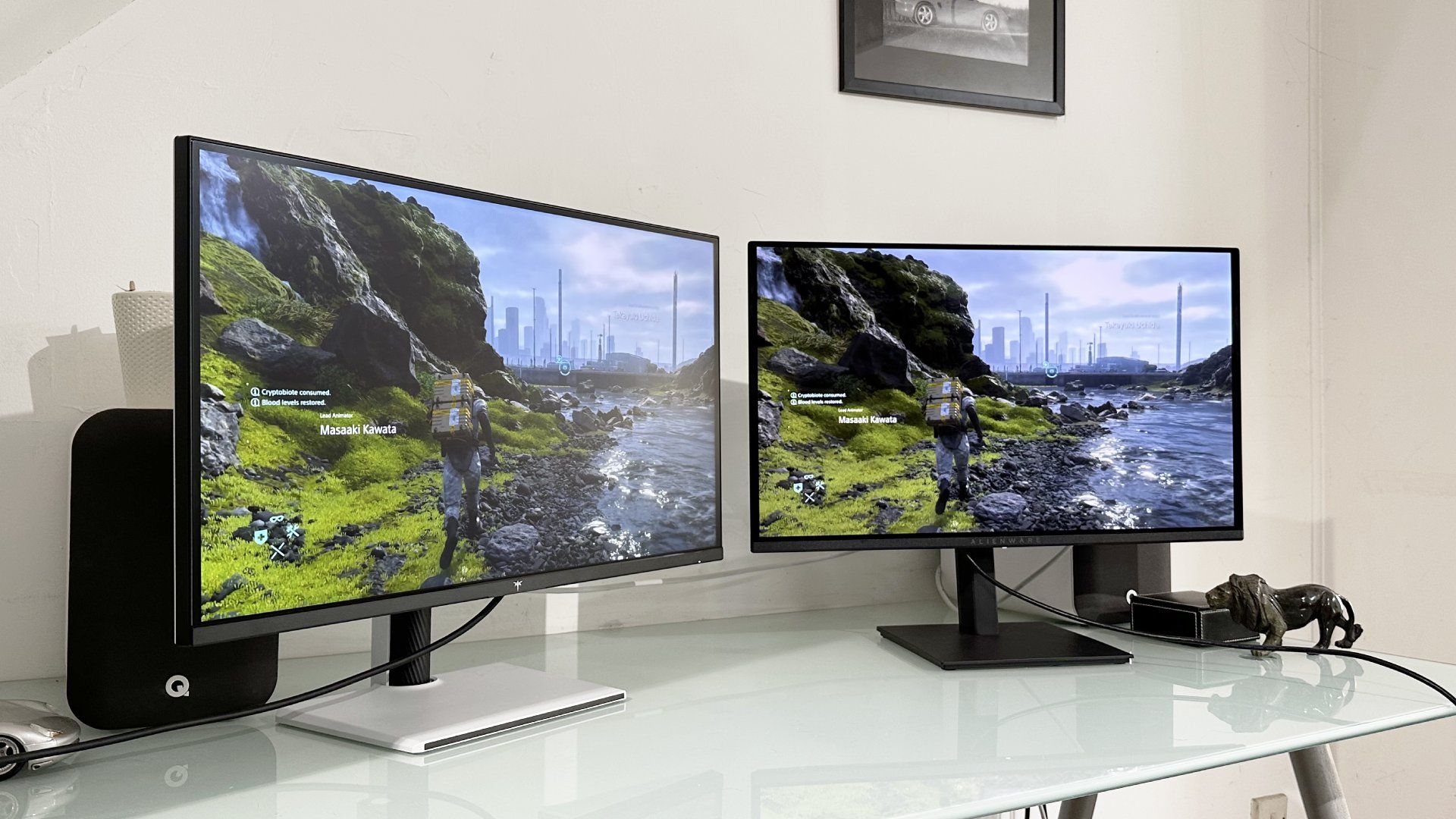
Lower prices don’t end the mini‑LED vs OLED argument; they sharpen it. Mini‑LED is still an LCD technology, but it fixes crude backlighting with arrays of individually addressable zones that can vary brightness across the screen. OLED, by contrast, delivers the ultimate lighting control because every pixel acts as its own light source. In real games, that difference is stark: in darker scenes, budget QD‑OLED panels have been shown to absolutely hammer similarly priced mini‑LED competitors, while at higher overall brightness the advantage can tilt back toward mini‑LED, especially for content that pushes sustained luminance. On paper, OLED often looks faster – one tested Alienware OLED runs at 240 Hz while a rival mini‑LED tops out around 200–210 Hz. But for players who prioritize high brightness, reduced blooming, or mixed productivity workloads, mini‑LED remains a strong value play.
Heat, Quirks, and the New Mid-Range Sweet Spot
The new ASUS ROG Swift OLED monitors show how engineering can make OLED less fragile in real rigs. Their GaNFET power supply reduces waste heat by about 35%, which in turn cuts vent temperatures and improves panel lifespan compared with earlier models. That’s not a minor detail; less heat means quieter systems and fewer worries about OLED longevity during marathon sessions. There are still caveats. The underlying 4‑stack LG architecture can produce micro‑current variations at extremely low luminance, causing visible banding in dark scenes and desktop dark modes; independent testers have documented this, and both the panel maker and ASUS have acknowledged it. Yet those edge‑case artifacts don’t change the bigger story. With both OLED and mini‑LED monitors under USD 350 (approx. ₱19,600) for 27‑inch 1440p panels, mid‑range PC builders who were locked into IPS or VA now have access to high‑end display tech without needing high‑end budgets. In a market dominated by gloomy hardware news, the monitor is finally the part of the build that feels like an upgrade in both performance and value.