
FSR 8x: AMD’s Most Aggressive Frame Generation Play Yet
AMD FSR 8x Multi-Frame Generation is an experimental extension of FidelityFX Super Resolution that aims to synthesize up to eight AI-generated frames between traditionally rendered frames, dramatically boosting perceived frame rates and GPU performance without a matching increase in rendering workload under suitable conditions. This is not a minor tweak; it’s AMD’s boldest attempt so far to redefine how many frames your graphics card can output from a single native frame. Hidden options discovered in the latest Adrenalin 26.6.2 drivers show selectable Multi-Frame Generation ratios from 1x to 8x, enough in theory to turn a 60 FPS base into an output approaching 480 FPS. Whether or not AMD ever ships the full 8x setting, the intent is clear: frame generation technology is moving from a neat extra into a headline feature designed to stretch high-end GPUs well beyond their raw raster performance.
Inside AMD’s Multi-Frame Generation: How It Goes Beyond Standard FSR
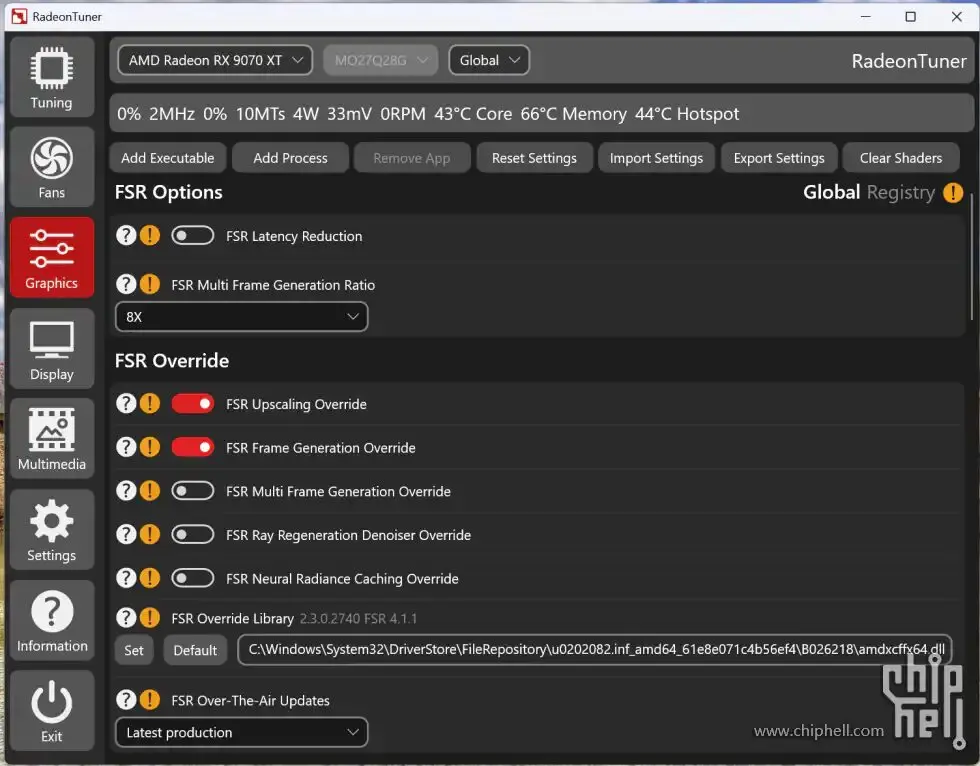
The discovery in recent Radeon drivers shows AMD folding Multi-Frame Generation directly into FidelityFX Super Resolution, not bolting it on as a separate gimmick. Traditional FSR upscaling renders a lower-resolution image and scales it up, trading pixels for performance. Multi-frame generation pushes further by creating multiple AI-generated frames between rendered frames, the “next evolution beyond traditional frame generation.” According to RadeonTuner’s findings, driver variables expose a "FSR Multi-Frame Generation Ratio (up to 8x)" alongside overrides for Ray Regeneration and Neural Radiance Caching. This hints at a future FSR stack where upscaling, ray data cleanup, and temporal lighting are all tuned together to feed cleaner motion data into the frame generator. If AMD gets the coordination right, FSR won’t just be about sharper pixels; it will be about smoother motion delivered at extreme refresh rates from realistic GPU workloads.
What the Hidden Driver Toggles Reveal About AMD’s Strategy
The key detail is not that FSR 8x exists in a menu—it’s that it exists as dormant driver entries. These new hidden options appeared with AMD Software Adrenalin Edition 26.6.2, but they are currently non-functional and likely require internal FSR DLLs or other software that hasn’t shipped. RadeonTuner’s developer notes that AMD often plants inactive configuration values well before a feature goes public, and here we see configuration values from 1x through 8x generation already in place. Community tests on upcoming titles using a Radeon RX 9060 XT found no way to turn the options on, confirming that the underlying AI model and runtime are missing. In other words, AMD is wiring the house before installing the appliances. That proactive integration signals that Multi-Frame Generation is not a side-project; it is being built into the Radeon driver ecosystem as a core capability AMD expects to highlight in a future FSR release.
The Competitive Picture: AMD vs NVIDIA and Intel on Frame Generation
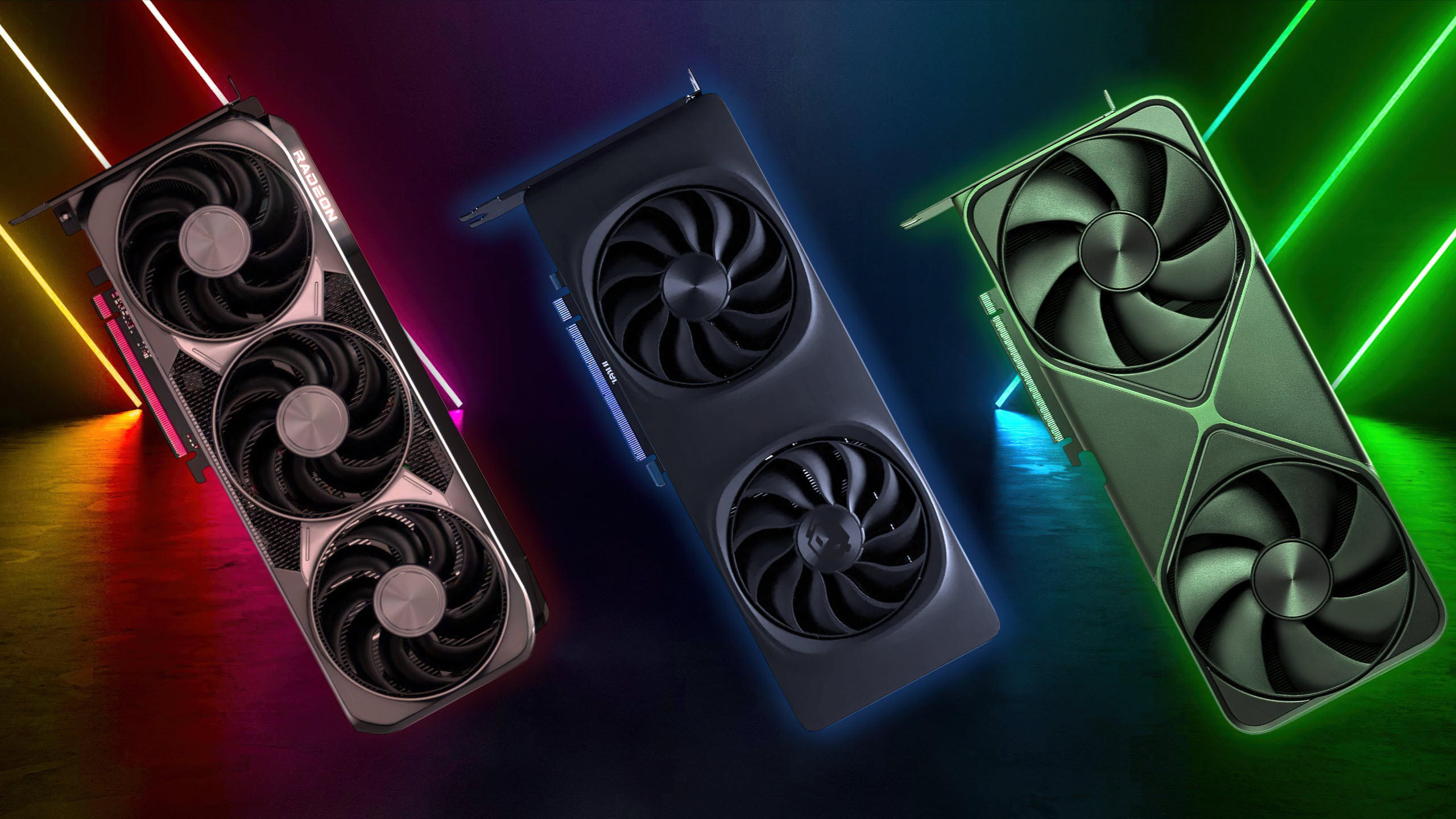
Multi-frame generation is now a three-way race. NVIDIA already offers DLSS Dynamic Multi Frame Generation with up to 6x generated frames, while Intel’s XeSS 3 supports up to 4x. AMD’s experimental upper limit of 8x is therefore not subtle; it’s a statement that its FSR technology is meant to stand toe-to-toe with the most aggressive frame generation technology on the market for enthusiast gamers. Of course, hitting 8x in practice will depend on hardware and display pipeline details. Current Radeon GPUs rely on software-based frame pacing, and higher generation ratios demand tighter presentation timing to avoid artifacts and latency spikes. That is why the newly exposed FSR Override modes, including Multi-Frame Generation, appear to target RDNA 4 and newer GPUs. AMD seems to be betting that future architectures and display hardware improvements will turn these ambitious ratios from placeholders into usable, high-refresh options.
Where FSR Goes Next: From Redstone Experiments to Major Feature Launch
FSR Multi-Frame Generation does not have a launch date, and AMD’s own pattern of seeding inactive options means these drivers are more roadmap than release. Still, the direction is unmistakable. AMD has already introduced preliminary Multi-Frame Generation support into the ADLX FidelityFX SDK, part of a broader FSR Redstone effort that lets future GPUs choose different generation ratios to balance image quality and performance. Current FSR Override features can already upgrade supported RDNA 4 hardware to FSR 4.1 upscaling and machine-learning frame generation, and the newly found menus for Multi-Frame Generation, Ray Regeneration, and Neural Radiance Caching suggest one of the biggest FSR updates yet is being assembled for a later debut. If development stays on track, FSR Multi-Frame Generation is likely to be one of AMD’s next major graphics announcements, and, if executed well, it could reshape how high-end gaming systems chase smooth motion and GPU performance boost at extreme frame rates.