
Verdict: A Serious Bridge Camera Superzoom for Travel and Hybrid Creators
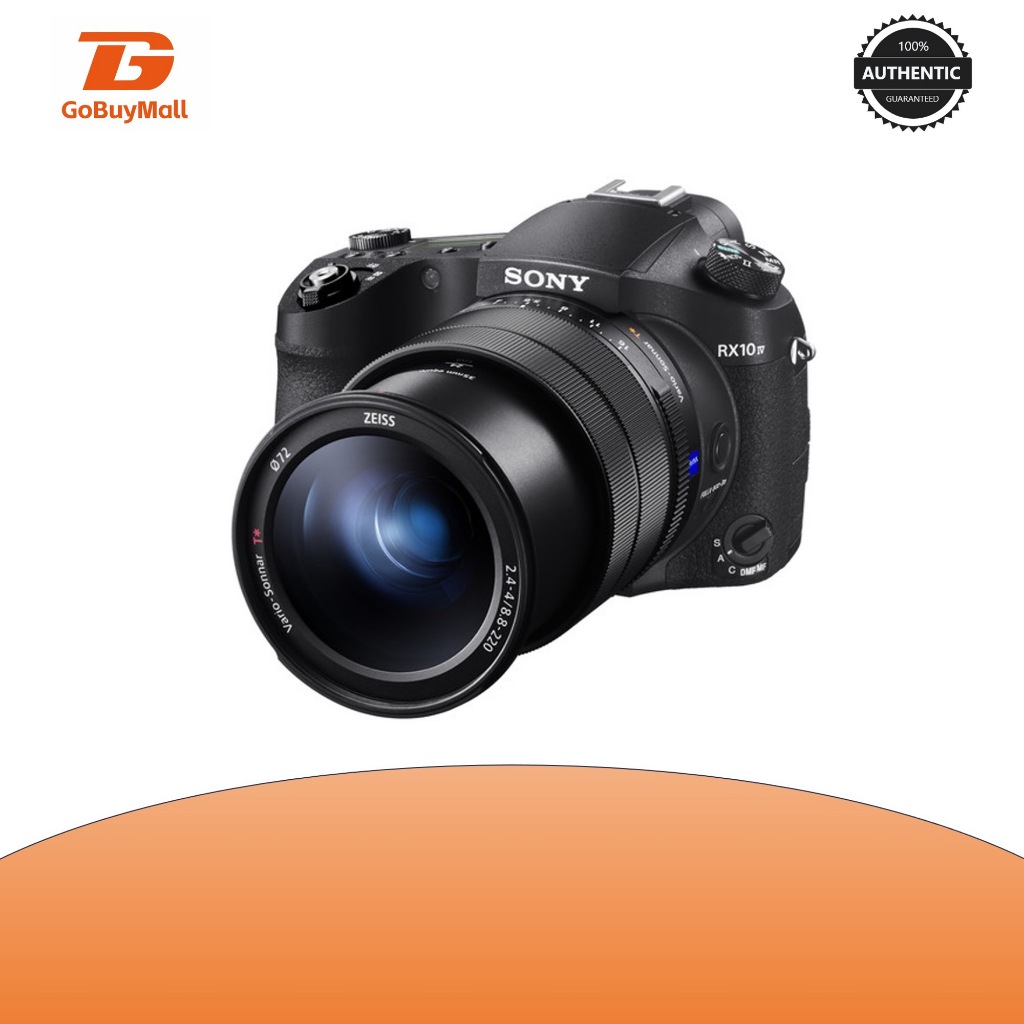
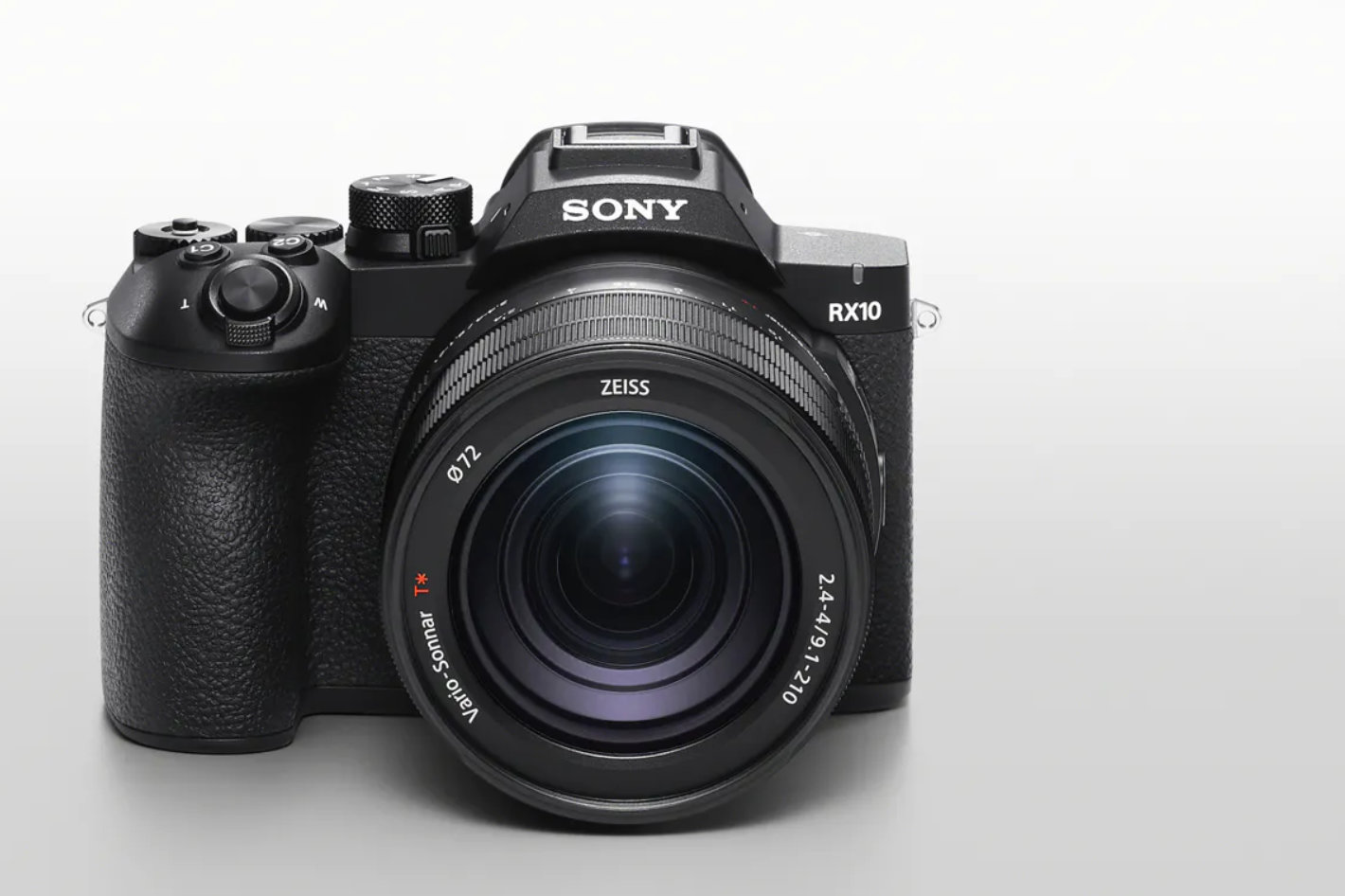
The Sony RX10 V is a high-end bridge camera superzoom that combines a 24-600mm equivalent F2.4-4.0 ZEISS lens, a 1.0-type stacked sensor, and advanced AI autofocus in a single fixed-lens body designed to replace multiple interchangeable lenses for travel, wildlife, sports, and hybrid stills/video shooting. At a launch price of USD 2,299.99 (approx. ₱129,000) plus tax, it is not a casual upgrade; it targets enthusiasts and working creators who value an all-in-one camera lens more than ultimate image quality or low-light performance. In that context, it succeeds: you can walk out the door with one camera and cover everything from wide landscapes to tight wildlife portraits while capturing 4K 120p video from the same rig. If you often shoot in dim venues or need shallow depth of field, though, a larger-sensor system still makes more sense.
| Spec | Sony RX10 V |
|---|---|
| Lens | 24-600mm equivalent ZEISS Vario-Sonnar T* F2.4-4.0, 25x optical zoom, Optical SteadyShot |
| Sensor | 20.1MP 1.0-type stacked Exmor RS CMOS (1" class) |
| AF system | AI-powered Real-time Recognition AF; up to 60 AF/AE calculations per second |
| Burst shooting | Up to 30 fps blackout-free continuous shooting |
| Video | 4K 60p full-width, 4K 120p (crop), 10-bit 4:2:2 internal, S-Cinetone, S-Log3, user LUTs |
| Viewfinder / LCD | 0.5" 3.68M-dot Quad-VGA OLED EVF; 3" 1.62M-dot tilting LCD |
| Macro focus | Approx. 3 cm at 24mm; approx. 72 cm at 600mm tele-macro |
| Battery | NP-FZ100, approx. 630 shots per charge (over 50% more than RX10 IV) |
| Body | Dust- and moisture-resistant; approx. 1,111 g ready to shoot |
| Connectivity | 5GHz Wi‑Fi, USB‑C, Micro-HDMI, headphone & mic jacks, MI shoe, 4K30 livestreaming, Creator’s App support |
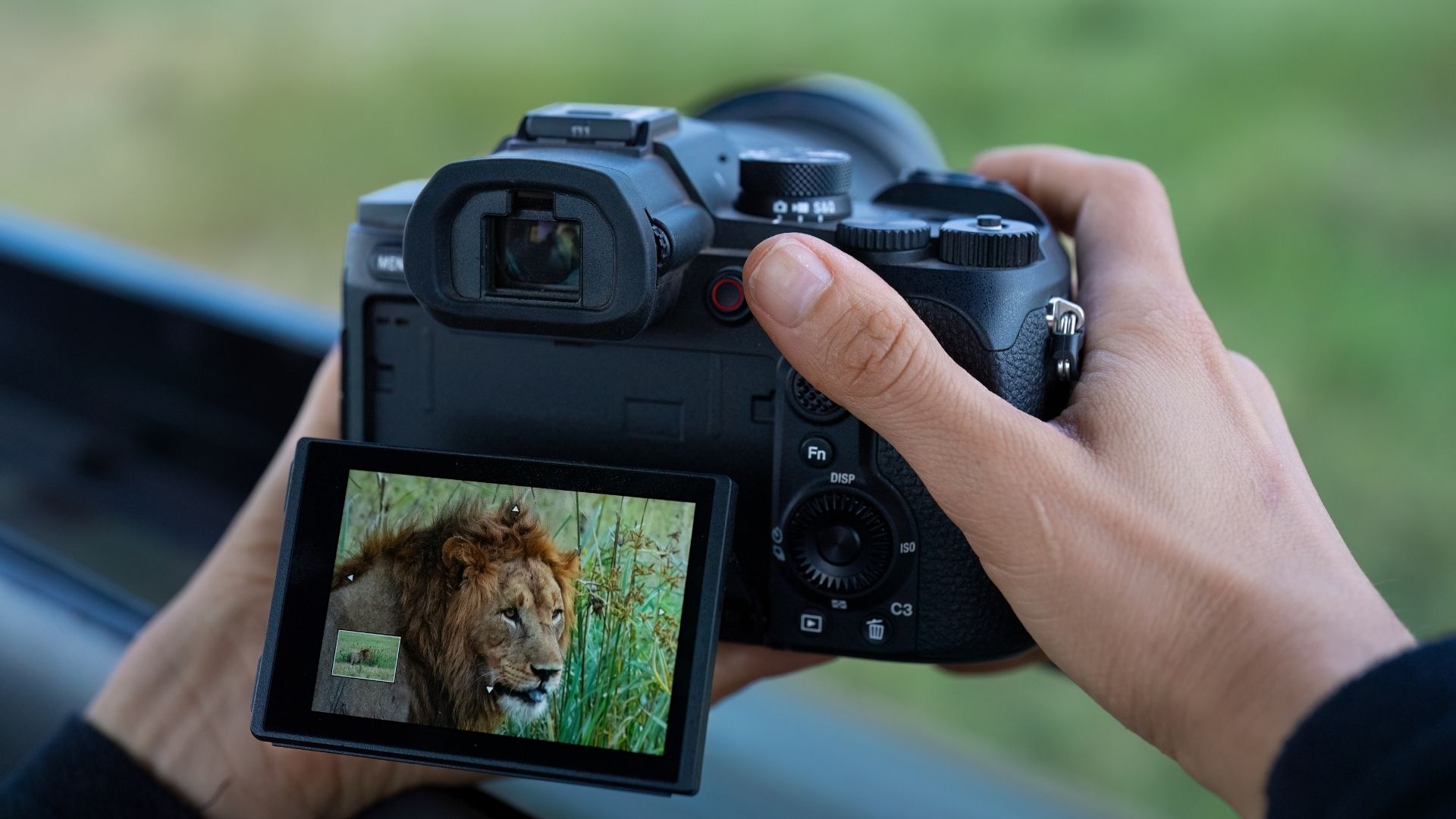
Lens and Image Quality: One All‑In‑One Camera Lens, Many Compromises
The defining feature of the RX10 V is its ZEISS 24-600mm equivalent F2.4-4.0 Vario-Sonnar T* lens, delivering a 25x optical zoom range that would usually demand an entire bag of glass on an interchangeable-lens system. From a user standpoint, this is the reason to buy the camera: you can frame a wide scene at 24mm, zoom straight to 600mm for tight wildlife or sports, and even focus as close as 3 cm at the wide end or 72 cm at 600mm for macro-style shots. The trade-off is tied to the 1-inch sensor. While the 20.1MP stacked Exmor RS chip delivers pleasing detail and background blur in good light, it cannot match larger sensors for very low-light work, where noise rises faster and the fixed lens cannot give you the ultra-wide apertures of fast primes. For most daylight travel camera setup scenarios, it is more than enough; for dim gyms, concerts, or night events, it is a compromise.

Speed, Autofocus, and Video: A Hybrid Workhorse in Bridge Form
Sony has pushed the RX10 series into Alpha territory with the RX10 V’s autofocus, burst rates, and video tools. The camera adds AI-powered Real-time Recognition AF that can identify and track people, animals, birds, insects, cars, trains, and aircraft, pairing this with continuous shooting up to 30 fps and full AF/AE tracking for fast, unpredictable subjects like wildlife and sports. According to Sony, “blackout-free continuous shooting at up to 30 fps with full 60 fps/sec AF/AE tracking” gives the RX10 V the responsiveness needed for action work. On the video side, you get 4K 60p from full-width oversampled 5.4K, plus 4K 120p (cropped) for 5x slow motion, 10-bit 4:2:2 internal recording, S-Cinetone, S-Log3, and support for up to 16 user LUTs with on-camera monitoring. Combined with Active Mode stabilization and the MI shoe’s digital audio support, it is a capable hybrid body for creators who want serious video options without switching systems.
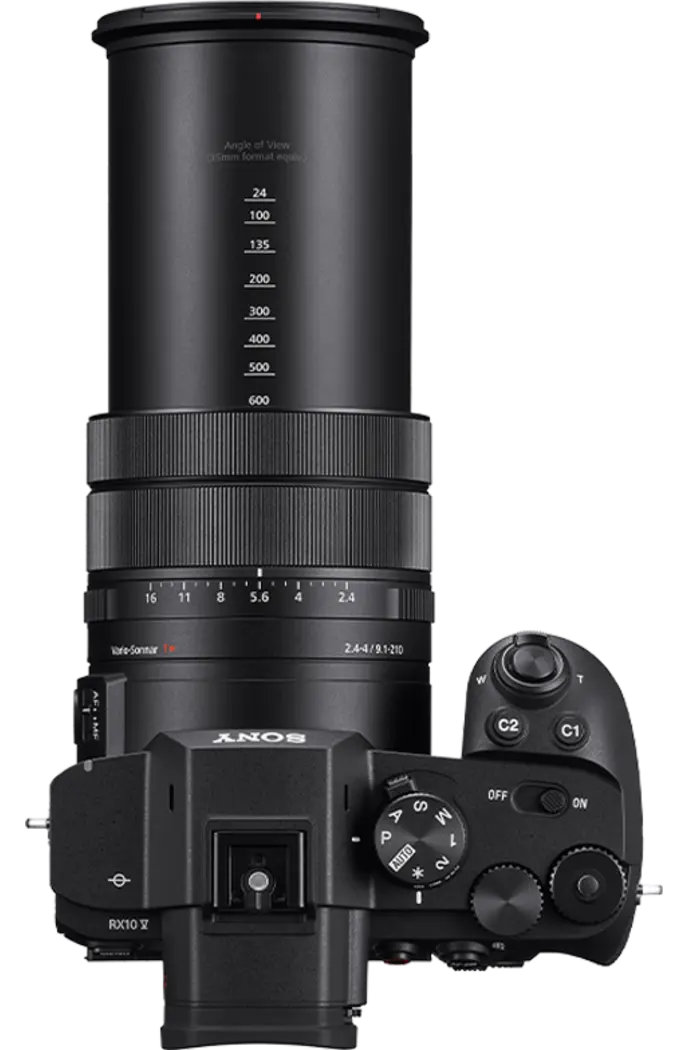
Design, Handling, and Value: Travel Camera Setup or Overpriced Bridge?
In the hand, the RX10 V feels like a slightly chunkier Alpha camera, sharing a familiar grip, button layout, and menus while gaining dust and moisture resistance for outdoor use. The larger 3.68M‑dot Quad‑VGA OLED EVF and 1.62M‑dot rear LCD improve viewing compared to previous RX10 models, and the updated power zoom ring, focus hold, declickable aperture, and Alpha-style function set make it behave like a system camera despite its fixed lens. At around 1,111 g ready to shoot, it is not lightweight, but it is significantly less to carry than a mirrorless body plus 24-70mm and 100-400mm equivalents, and the NP-FZ100 battery delivers about 630 shots per charge for practical all-day use. The catch is cost: with a suggested retail price of USD 2,299.99 (approx. ₱129,000) and equivalents in other currencies, the RX10 V is an expensive bridge camera that invites comparison with interchangeable-lens kits. You are paying for integration, convenience, and video features, not for the best possible low-light output.
Pros
- Exceptional 24-600mm zoom range covers most photo needs in a single body, reducing the need to carry multiple lenses.
- AI-powered autofocus and 30 fps blackout-free shooting make it suitable for sports, wildlife, and fast action.
- 4K 120p video, 10-bit 4:2:2, S-Cinetone, S-Log3, user LUTs, and strong connectivity create a powerful hybrid tool.
- Improved battery life and Alpha-like interface make it dependable for long travel days and easier to adapt to for existing Sony users.
Cons
- 1-inch sensor struggles in very low light compared to larger-sensor cameras, limiting clean high-ISO performance.
- Fixed lens restricts you to the built-in zoom’s aperture range and focal character; you cannot mount ultra-fast primes or specialty lenses.
- Body design closely resembles its predecessor and remains relatively large and heavy for a bridge camera.
- Buffer clearing can be slow after extended 30 fps bursts, which can delay follow-up shots in action sequences.
- High price for a non-interchangeable camera may put off buyers who prioritize sensor size or long-term system growth.

Buy if / Skip if
- Buy the Sony RX10 V if you want a single bridge camera superzoom that replaces a traditional multi-lens travel camera setup for landscapes, wildlife, sports, and family trips.
- Skip the Sony RX10 V if you often shoot in very low light and need the cleaner high-ISO performance and shallow depth of field of a larger-sensor, fast-prime system.
- Buy the Sony RX10 V if you are a hybrid shooter who values 4K 120p, 10-bit 4:2:2, S-Cinetone, S-Log3, and on-body LUT monitoring in an all-in-one camera lens package.
- Skip the Sony RX10 V if you prefer interchangeable lenses and want the flexibility to expand your kit with specialized optics over time.
- Buy the Sony RX10 V if you are coming from older bridge cameras and want Alpha-style autofocus, menus, and ergonomics without managing multiple lenses.
- Skip the Sony RX10 V if the high launch price relative to entry-level mirrorless kits makes you uncomfortable spending so much on a fixed-lens camera.
- Buy the Sony RX10 V if you prioritise travelling light and “leaving with one camera, coming home with every photo” over squeezing out the last bit of image quality.