
The quiet revolution: portability and proof beat raw specs
Compact full-frame mirrorless cameras are increasingly preferred in the used camera market because photographers value lightweight bodies with reliable autofocus, practical ergonomics, and proven performance more than marginal gains in resolution or bleeding-edge features. This shift is visible in sales charts where older, well-balanced models outsell newer flagships, highlighting a clear market preference for portability and trust over spec-sheet bragging rights. The clearest symbol of this trend is a compact full-frame mirrorless body weighing 514 g that keeps taking the No.1 spot at a major retailer’s rankings nearly three years after launch, despite new releases from several big brands. That camera, a 33MP stabilised full-frame model with an electronic viewfinder, continues to sell as a sweet-spot option for travel shooters and hybrid creators because it feels complete rather than experimental. In short, buyers are voting for cameras they can carry all day and trust on paid jobs, not for the freshest announcement.
A compact full-frame bestseller that refuses to age
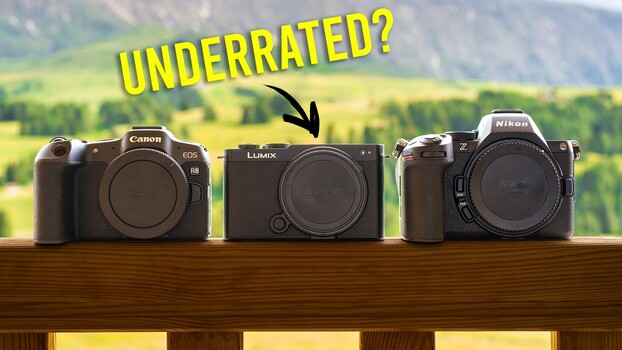
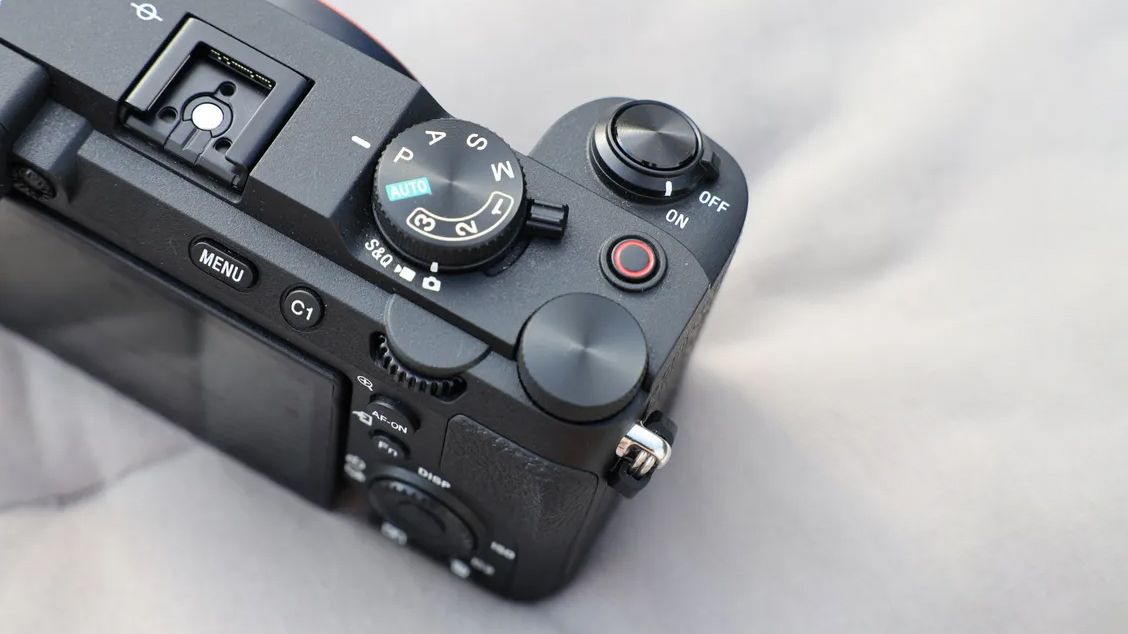
The standout case is a compact full-frame mirrorless camera described as the “world's smallest and lightest full-frame mirrorless camera” with a built-in viewfinder, in-body image stabilization and a 33MP sensor. It weighs just 514 g yet delivers full-frame image quality in a tiny body, with AI-powered subject-detection autofocus, 7-stop IBIS and 10-bit 4:2:2 4K 60p video aimed at serious photo and video users. Despite newer flagship bodies from multiple brands, June rankings from a leading retailer show this lightweight mirrorless camera again at No.1 among the best selling mirrorless bodies, ahead of more recent full-frame and APS‑C rivals. It launched nearly three years ago, but remains available around USD 2,098 (approx. ₱118,000) / £1,799, and “continues to prove that photographers don't always need the latest release to get the camera they want.” The lesson is blunt: once a design nails the balance of size, performance and price, incremental spec bumps struggle to dislodge it.
Used camera market trends: APS-C breadth, full-frame confidence
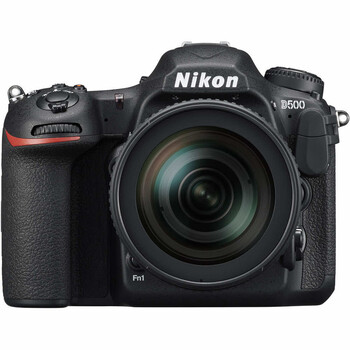
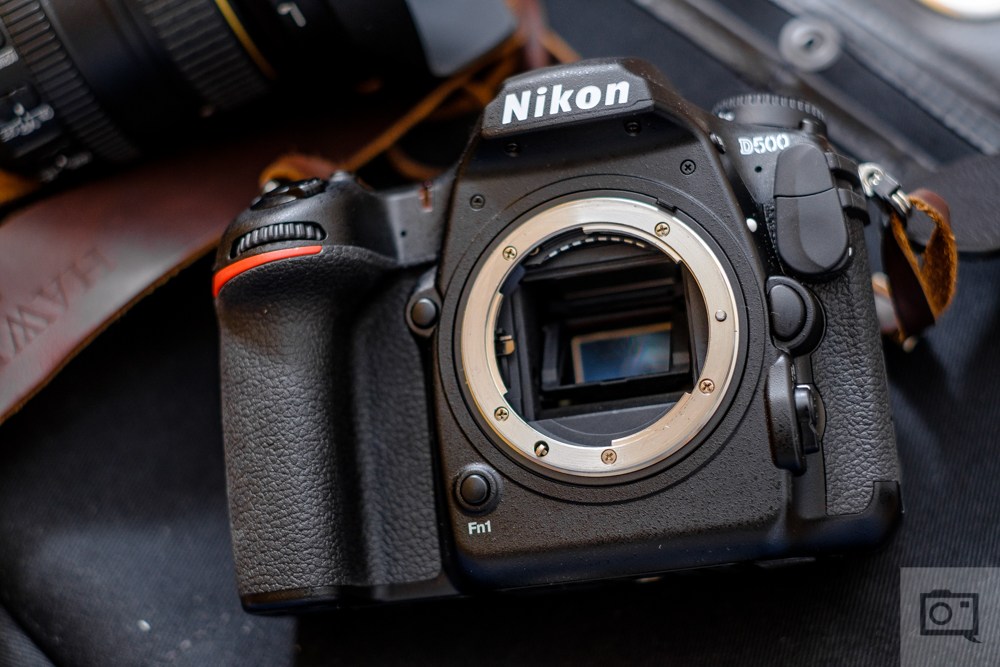
On the used side, recent data from a marketplace shows how mirrorless demand splits between affordability and confidence in familiar handling. Minna Camera analyzed all mirrorless interchangeable-lens cameras traded between January 1 and June 30, and found that 70% of the 10 most‑traded models were APS‑C bodies. Seven APS‑C cameras averaged about ¥90,000 (approx. USD 544 / £413), while three full-frame bodies sat around ¥190,000 (approx. USD 1,170 / £871), roughly double the price. According to Minna Camera, “Affordable APS-C bodies broadened the base of the ranking,” highlighting how lower prices continue to drive demand in used camera market trends. Yet the overall No.1 spot went to a full-frame camera with a deeper grip and DSLR-style ergonomics, followed by another full-frame model, proving that when buyers step up in price they still favour bodies that feel stable, familiar and dependable in the hand over ultra-compact experiments.
Form factor over fireworks: what photographers are really buying
Taken together, the rankings for both new and used best selling mirrorless bodies say something uncomfortable for spec-obsessed marketing: photographers care far more about how a camera feels and behaves than how new it is. The compact full-frame bestseller succeeds because it packs stabilised full-frame imaging, strong autofocus and 4K video into a body light enough to travel with, while still offering an eye-level viewfinder that many still consider essential. In parallel, the used chart’s APS‑C majority exists because price matters, but its full-frame leader wins by offering DSLR-like handling that inspires confidence during long shoots. Buyers are not chasing every extra megapixel; they are buying cameras that disappear in use. A lightweight mirrorless camera that hangs comfortably off the shoulder and nails focus beats a cutting-edge monster that feels like a chore to carry. Portability plus proven performance is the real spec that sells.
Conclusion: the era of enough is here
The current sales and trading data expose a clear shift: the mirrorless market has entered the era of “enough.” Compact full-frame mirrorless bodies that get the essentials right—autofocus that locks, stabilisation that works, ergonomics that do not fight the user—keep outselling newer models that mainly add complexity. APS‑C cameras dominate used camera market trends because they open the door with low prices, but when photographers pay more, they still seek reassuring handling and balanced feature sets. Manufacturers that keep chasing headline-grabbing specs while neglecting weight, grip comfort and everyday usability are betting against the evidence. The cameras winning today are those you want to carry tomorrow. Portability and trust are no longer side notes; they are the main reasons compact full-frame mirrorless and practical APS‑C bodies own the charts.