
A Repairable Handheld Meets Its First Big Test
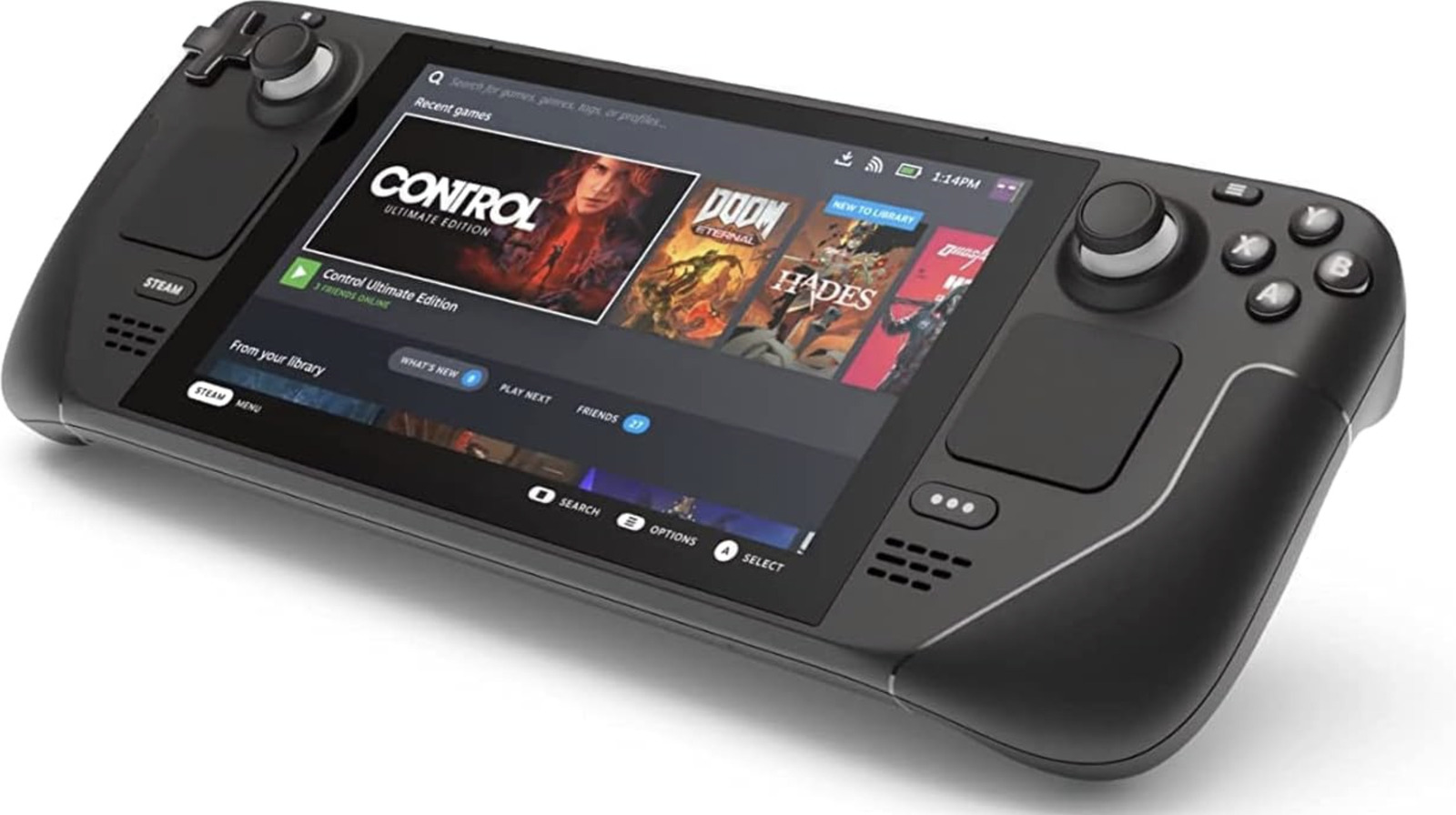
The Steam Deck battery replacement saga refers to Valve’s OEM batteries for the original LCD Steam Deck becoming scarce, after iFixit told users it was unlikely to receive more official batteries from Valve and began evaluating aftermarket alternatives, before Valve later helped secure a new supplier and restore the parts pipeline.
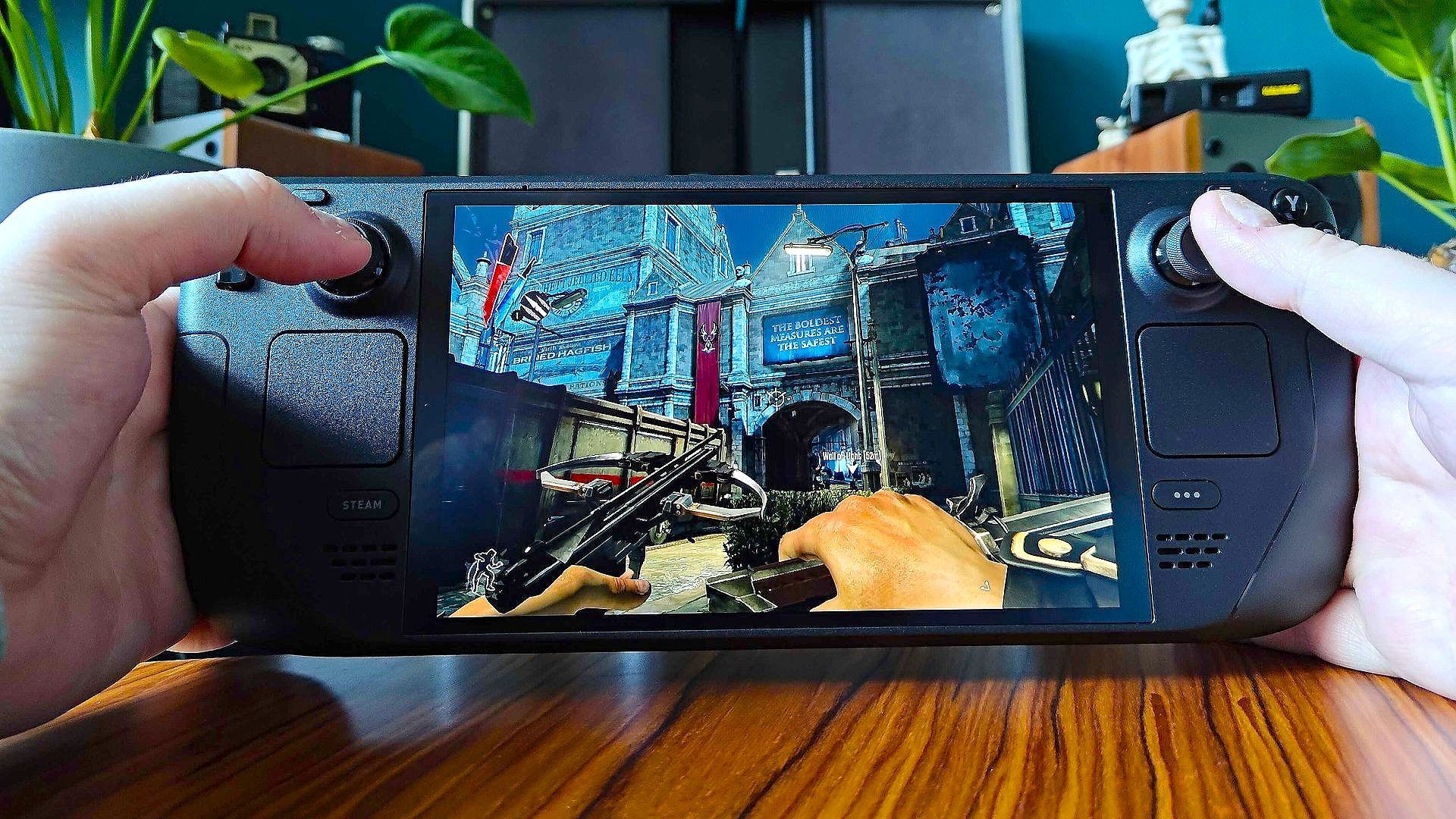
This episode should be a wake-up call for anyone who bought the Steam Deck on the promise of handheld gaming repairability. When the device launched in 2022, Valve highlighted its partnership with a major repair platform to sell official Steam Deck repair parts, making user-friendly self-service maintenance part of the pitch. Now, owners of the original LCD model are watching one of the most critical consumable components—the battery—slide into uncertainty, as iFixit warned that Valve was “starting to sunset” these parts and that it had no immediate plans to restock OEM batteries. Even though the latest update says Valve helped connect iFixit with a supplier to resolve the shortage, the damage to trust is harder to refill than any battery.
How a Battery Shortage Undercuts the Steam Deck’s Identity
The Steam Deck did not earn its reputation on raw power alone; it was sold as a handheld gaming device that respected user repairability. Repair specialists rated the original LCD Deck a solid 7/10 for fixability, while the newer OLED version scored an impressive 9/10. That score was supposed to mean something: you weren’t buying a disposable gadget, but a system that would “stand the test of time” thanks in part to battery replacements being treated as essential.
Yet that ideal collides with reality when the most important Steam Deck repair parts become harder to buy. The original LCD battery is a 40 WHr pack rated for around 8 hours of gameplay, while the OLED ships with a 50 WHr battery that can reach up to 12 hours. Those numbers matter because batteries are consumables; many early LCD units are now more than four years old and owners are starting to feel the squeeze of degraded capacity. If the only path forward is hunting for unofficial replacements because Valve is sunsetting parts, then the Steam Deck’s fixability score starts to look like a hollow badge instead of a durable promise.
Why the LCD Deck Is Being Left Behind
The timing of the battery shortage is not accidental. Valve stopped selling the LCD Steam Deck some time ago and formally discontinued the model at the end of 2025. Since then, its focus has clearly shifted to the OLED revision, with better battery life and more modern components. For Valve, trimming support for older Steam Deck repair parts may feel like ordinary product lifecycle management.
From a user’s point of view, however, the optics are much worse. This is hardware that launched in 2022, meaning the platform is only four years old for many owners. Seeing OEM batteries described as being “sunset” after such a short period makes the original right-to-repair narrative look less like an enduring philosophy and more like a marketing phase. The OLED line isn’t immune either: after an earlier stock outage, prices for the Steam Deck OLED were reported to have skyrocketed, with Valve pointing to rising memory and storage costs. When your flagship “repairable” handheld becomes harder to buy and harder to maintain within a few years, it raises hard questions about how long any future Valve handheld will be supported in practice.
Life After OEM: Third-Party Batteries and Repair Services
The good news is that Steam Deck LCD owners are not entirely stranded. iFixit has said it is actively evaluating aftermarket options and is now looking for alternative battery suppliers so that users retain at least one formal repair route. In the meantime, third-party Steam Deck battery replacement units are already available from various online retailers, giving determined owners another way to revive fading handhelds.
Still, trading official batteries for a mix of generic packs and independent repair services is a downgrade, not an equal swap. There is currently no confirmed timeline for consistent OEM or vetted third-party stock. That uncertainty forces users into a patchwork ecosystem for handheld gaming repairability: weighing unknown brands, checking community teardown guides, and hoping that an aftermarket cell matches the safety and performance of Valve’s original design. It is better than sending the whole device to landfill, but it is far from the clean, supported Steam Deck battery replacement path people thought they were buying into.
What This Episode Reveals About “Repairable” Hardware
The fast reversal—from emails about sunsetting Steam Deck repair parts, to Valve “hooking up” a new supplier for LCD batteries—shows that user pushback can work. But it also exposes how fragile the promise of repairability is when it depends on a single vendor quietly keeping the supply chain alive. A device can earn a high repair score, ship with detailed guides, and still leave owners vulnerable if the company decides that older components no longer deserve attention.
If handheld gaming repairability is going to mean more than marketing copy, it needs longer guarantees: years of accessible batteries, clear commitments to keep core Steam Deck repair parts in circulation, and honest communication when stock runs dry. The Steam Deck battery replacement scare is a small crisis with a partial fix, but it should influence how players judge future hardware. Before buying any “repairable” handheld, ask a simple question: will the batteries and basic parts still be easy to get when today’s launch trailer feels like ancient history?