
A Five-Year-Old ‘Budget’ GPU Returns – Here’s Why That Matters
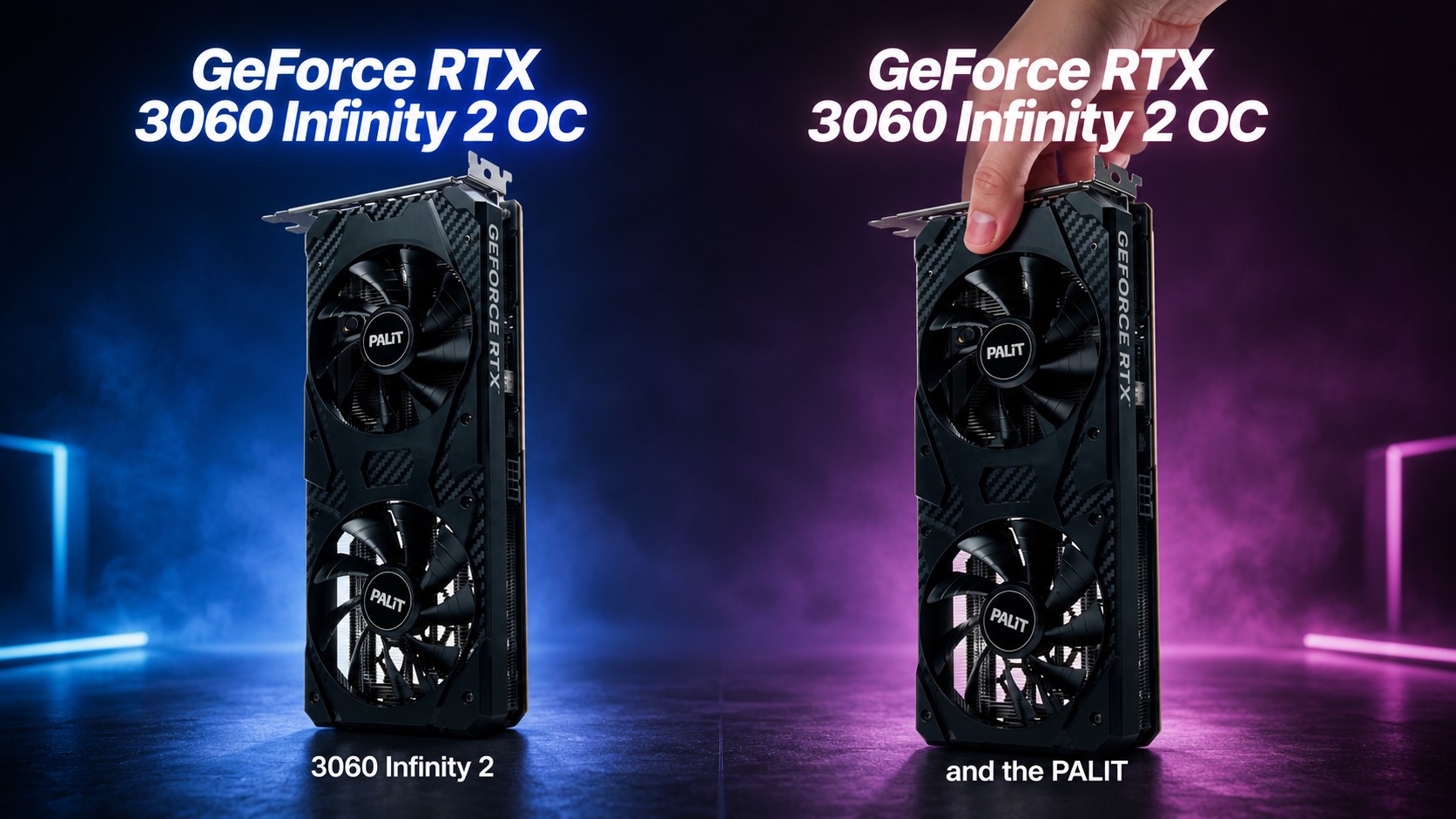
Palit’s GeForce RTX 3060 Infinity 2 OC is a revived mid-range graphics card built on Nvidia’s older Ampere architecture, repackaging a five-year-old design as fresh inventory to plug gaps in the strained GPU market and offer a familiar RTX 3060 budget GPU option when newer entry-level cards remain scarce and more expensive. The uncomfortable truth is that this relaunch is less about serving PC builders and more about patching a supply chain problem created by the AI boom. Nvidia has relaunched its five-year-old GeForce RTX 3060 specifically to combat component scarcity driven by artificial intelligence demand. Vendors are now bringing older GPUs back to market as a way to fulfill demand in a landscape distorted by memory-hungry AI hardware. When a legacy budget graphics card is suddenly treated like a strategic product, it exposes how fragile and skewed the GPU ecosystem has become.
Inside the Palit Infinity 2 OC: Old Silicon, Familiar Appeal
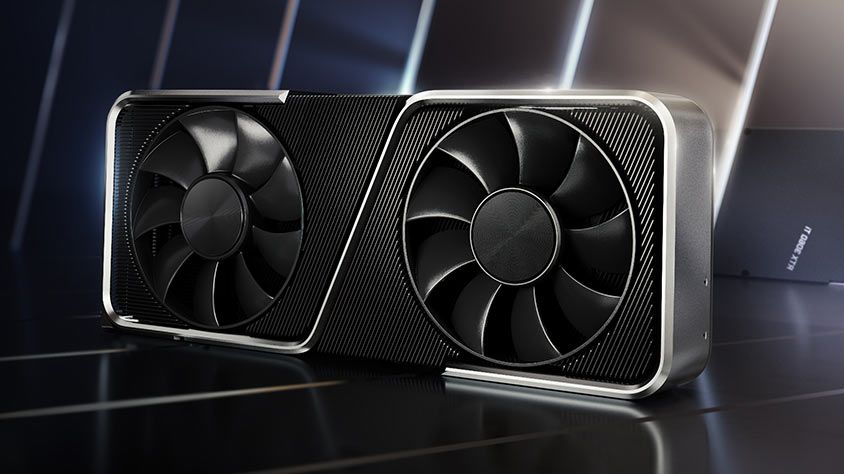
Strip away the branding and Palit’s RTX 3060 Infinity 2 OC is essentially the same GPU that launched in 2021. It carries 3,584 CUDA cores and 12GB of GDDR6 on a 192-bit bus, plus a mild factory overclock to 1,792 MHz—less than 1% above Nvidia’s standard 1,777 MHz boost. The card’s look is plain, a typical black shroud without zero-RPM luxuries, solidly in budget graphics card territory where aesthetics do not drive purchasing decisions. The real hook is that 12GB VRAM pool, which still matters for modern games and entry-level content creation workloads, especially for users trying to stretch a tight budget without being bottlenecked by memory. Palit itself positions the RTX 3060 as a "reigning champion" for budget performance, pointing to the latest Steam Hardware Survey where it remains the most popular desktop GPU with nearly 4% share, ahead of newer RTX 50-series cards sitting under 3%.
AI, Memory Shortages, and Why Old Cards Are Suddenly ‘New’ Again
The RTX 3060’s comeback is not nostalgia; it is a supply-side workaround. Late last year, PC hardware entered a turbulent era as AI workloads drove a surge in demand for memory and storage, pushing commodity silicon prices up with no sign of relief. GPUs were pulled into this storm, especially those using newer memory like GDDR7 in Nvidia’s Blackwell lineup, which is more expensive and competes directly with high-bandwidth memory that vendors prioritize for higher margins. Reviving Ampere-era cards solves a very specific problem for manufacturers: Samsung’s older 8nm process delivers better yields at lower cost than the more expensive TSMC N5 node used by Ada and Blackwell. In other words, it is cheaper and easier to spin up more RTX 3060s than to expand true current-gen budget production. More vendors are therefore turning to older Nvidia GPUs to satisfy a market reshaped by AI-driven shortages and pricing.
The Budget Segment Is Paying for Flagship Obsession
The RTX 3060 Infinity 2 OC exists because GPU makers are chasing high-margin flagships while leaving entry-level buyers to fend for themselves. With memory manufacturers busy producing HBM for "fatter margins," the industry’s creative solution is to reissue one of yesterday’s mid-range heroes instead of building a healthy modern budget stack. Nvidia’s latest cards lean on expensive GDDR7 and advanced nodes, so squeezing costs at the low end means falling back to older silicon with established yields. That is good for the balance sheet but bad for choice: there are fewer truly new budget graphics card models, and when they do appear, they often sacrifice VRAM capacity compared with the RTX 3060 budget GPU. The Steam data makes this clear: the RTX 3060 still leads desktop usage at around 4% share, while newer RTX 50-series options like the 5060 trail below 3%. People are not upgrading because the value story at the low end has stalled.
What This Means for Budget Builders and Workstation Users
For PC enthusiasts building gaming rigs or light workstations on tight budgets, the RTX 3060’s return is both a lifeline and a warning. Palit claims its Infinity 2 OC delivers smooth, ultra-stable framerates at 1080p, and the hardware is still capable of running modern titles without drama. You can even find RTX 3060 12GB cards under USD 300 (approx. ₱16,800), preserving that attractive VRAM advantage over the 8GB RTX 4060 and 5060. But the trade-offs are real: the card lacks support for Nvidia’s newest technologies such as frame generation and multi-frame generation, and many gamers may end up regretting a choice that mainly adds 4GB more memory while missing modern features. Meanwhile, an RTX 5060 Ti sells around USD 369 (approx. ₱20,600) and offers clearly better performance, DLSS 4.5, and efficiency, even if its 8GB VRAM limits it at higher resolutions. Budget builders are stuck deciding between more memory on old silicon or fewer features on newer but costlier cards.
The conclusion is uncomfortable: the Palit Infinity 2 OC is a symptom, not a cure. Nvidia rebooting the RTX 3060 makes sense operationally, but it highlights a GPU market that responds to AI and margins first, and to budget builders second. If you are assembling an affordable PC today, you are working in a constrained ecosystem where a five-year-old GPU still looks like one of the most sensible options. That should prompt more than a quick purchase decision—it should spark scrutiny of an industry that only seems interested in the budget segment when yesterday’s hardware can be sold all over again.