
Cinema Camera Firmware Is Quietly Redefining the Crew
Cinema camera firmware is the continually updated software layer that controls exposure tools, recording formats, and external communication, and it is now evolving from basic stability patches into a powerful engine for automation and workflow integration that increasingly offloads exposure management, lens control, and media handling from camera crews and bakes reliability improvements into the hardware they already own.
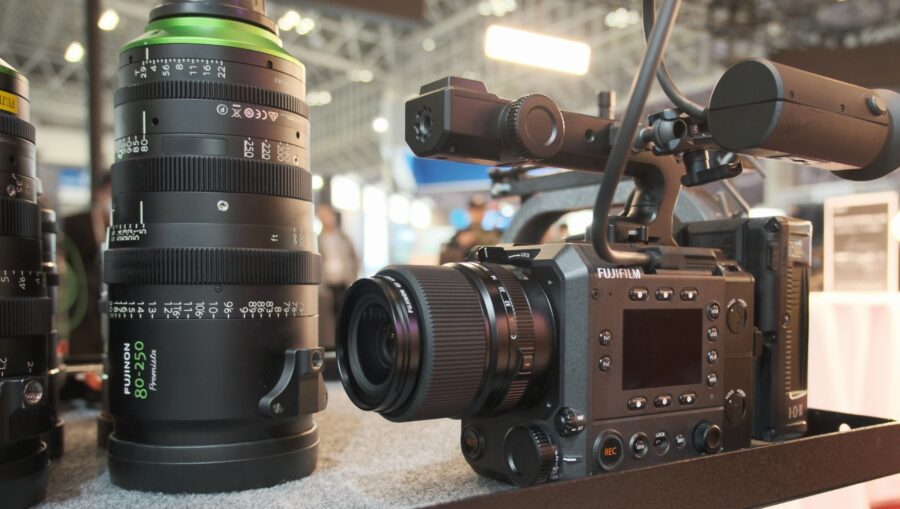
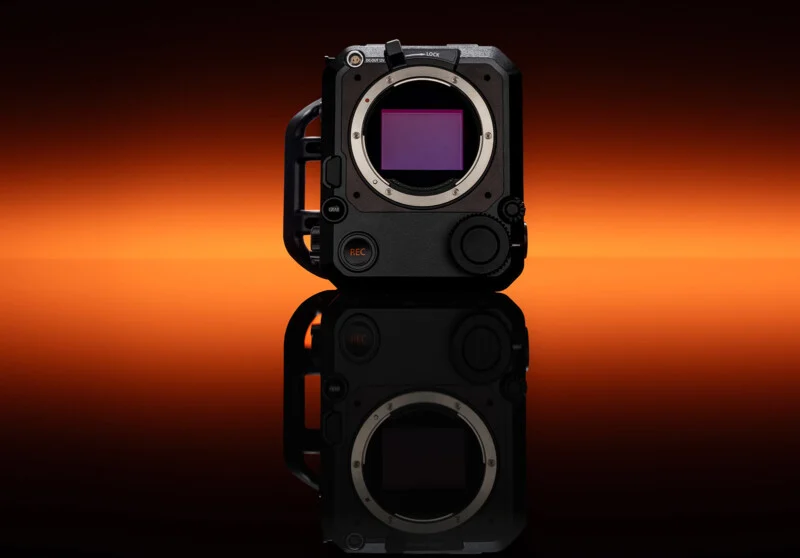
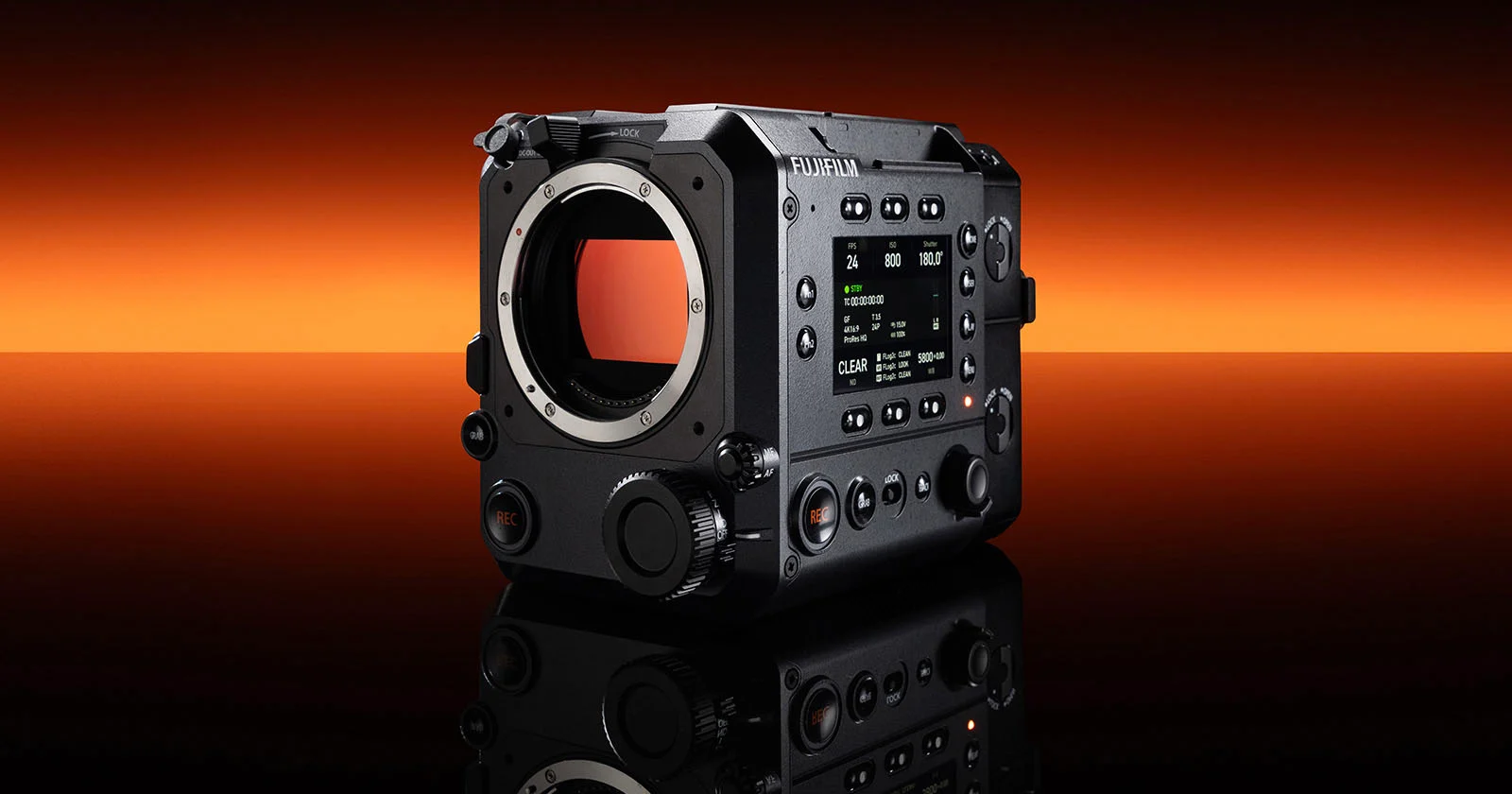
The main story is not a new camera body; it is that cameras like the Fujifilm Eterna 55 are gaining features that behave more like additional crew members than code tweaks. Fujifilm has published a firmware roadmap for the Fujifilm Eterna 55 cinema camera designed to expand its capabilities and applications as a filmmaking tool. Version 1.10 is already out, stabilizing white balance with PL lenses while refining overall operation of the company’s first dedicated filmmaking camera. This shift matters because professional video production is tired of losing time to menu-diving and mismatched setups; the new direction is clear automation, predictable behavior, and easier integration into serious sets.
Automatic ND Control: Exposure as a Background Task
The headline change on Fujifilm’s roadmap is automatic ND control, and it is more than a convenience checkbox. A future firmware update will give the Eterna 55 automatic, in‑camera adjustment of ND filter density while maintaining constant values for iris, shutter angle, and ISO sensitivity. In practice, this auto ND mode means the camera takes over exposure swings when light changes, freeing operators to focus on framing, blocking, and performance instead of constantly riding ND wheels.
For documentary and run‑and‑gun shooters, this is the difference between catching a fleeting moment and watching it blow out on the monitor. It also unlocks a subtle creative tool: the ability to perform iris pulls for depth‑of‑field effects without compromising exposure or shutter cadence. Instead of compromising artistic intent to keep exposure stable, cinematographers can keep their look locked and let automatic ND control absorb ambient changes. This is firmware behaving like a seasoned assistant camera, and it should become a baseline expectation on high‑end cinema bodies.
MXF Playback and LANC: Workflow, Not Specs, Wins the Day
Automation is only half the story; the other half is workflow awareness. Firmware version 1.20, expected later in 2026, will add support for in‑camera playback of MXF (Material eXchange Format) files. That might sound dry, but being able to review MXF straight on the camera instead of transcoding on a laptop eliminates a small but constant friction point in professional video production. Fujifilm is also planning an app‑based backup and restore system for camera settings, letting crews or rental houses clone full configurations in minutes instead of relying on handwritten notes or screenshots.
Further down the roadmap, version 1.30 will add LANC support for wired remote operation. That is a direct nod to broadcast and documentary rigs where camera bodies live on cranes, jibs, and shoulder mounts. Combine that with planned remote control of FUJINON Duvo series lenses through the multi‑function dial on the body and handle, and the Eterna 55 stops being a standalone box and starts acting like a cooperative node in a larger control ecosystem. Workflow integration, not headline specs, is becoming the true differentiator.
Reliability and Creative Freedom for Demanding Productions
These changes are not arriving in a vacuum. The GFX Eterna 55 has been on a steady firmware cadence since shipping began in late 2025, with earlier updates adding external RAW recording via HDMI and SDI in version 1.02 and reducing display delay for external monitors in version 1.04. With version 1.10, Fujifilm is not only polishing the current feature set but, for the first time, laying out a public roadmap of what owners can expect over the next 18 months. The camera’s IMAX‑certified, large‑format sensor and frequent pairing with PL‑mount cinema and anamorphic lenses mean that any reliability gain is amplified on high‑stakes sets.
White balance stability through the PL adapter is described as a “meaningful reliability improvement for real‑world production”, and that phrase captures the philosophy behind this firmware evolution. Instead of chasing niche features, the roadmap attacks the everyday failure points that slow productions down: color shifts, latency, exposure juggling, inconsistent setups. For a camera that costs USD 16,499.95 (approx. ₱925,000) / €13,285.30, these are not optional perks; they are table stakes that determine whether the body earns repeat bookings.
Smarter Cinema Tools Will Become the New Baseline
Automatic ND control, MXF playback, LANC support, and app‑based configuration might sound incremental, but together they signal a meaningful shift: cinema camera firmware is starting to think in terms of full productions, not isolated camera tests. Fujifilm’s roadmap for the Eterna 55 shows a clear intent to expand both creative possibilities and operational reliability through software, not new hardware shells.
The practical outcome is that professional video production gains breathing room. Crews can move faster between lighting conditions, clone setups across multiple bodies, integrate with broadcast‑style control surfaces, and trust color and latency in more scenarios. As more cinema camera makers follow this path, the competitive question will shift from “who has the largest sensor or the most K’s” to “whose firmware feels most like an experienced crew member.” The Eterna 55 roadmap makes one position clear: in the future of cinematography, smarter software is not optional — it is where the real innovation lives.