
Retro Style Meets a Serious 32.5MP Full-Frame Platform
Canon’s retro mirrorless camera is rumored to be a redesigned EOS R8 Mark II that pairs a vintage camera design with a modern 32.5MP full-frame sensor, aiming at photographers who want classic styling without giving up contemporary autofocus, burst shooting, and 4K video performance. This is not a vanity shell on old hardware; it is Canon’s attempt to turn its entry-level full-frame line into a lifestyle object as much as a creative tool. According to current reports, Canon is preparing a version of the EOS R8 Mark II with styling inspired by classic film bodies and planning a mirrorless camera announcement in September, signaling that design has become as strategic as specifications in the EOS R system. In other words, Canon has decided that how a camera looks in your hand and on your strap is now part of the product’s core feature set.
The EOS R8 Mark II Successor: Spec Sheet With Lifestyle Intent
Under the throwback skin, the EOS R8 Mark II successor is rumored to gain Canon’s latest 32.5MP full-frame sensor, 40fps electronic burst, oversampled 4K video, in-body image stabilization, and dual UHS-II SD card slots. This same 32.5MP full-frame sensor has already appeared in higher-tier bodies, meaning autofocus and image quality should be well beyond what most “entry-level” labels suggest. At the same time, Canon is reportedly holding back 7K recording, open gate capture, and advanced pre-capture and connectivity, keeping the camera deliberately below the R6 Mark III in the lineup. That restraint is smart: creators get a fast, hybrid tool with reliable IBIS and dual card redundancy, without the cost or complexity of cinema-oriented features they may never use. The message is clear—this is a lifestyle hybrid body first, a spec-chasing rig second.
AE-1 Nostalgia and the Strategy Behind Canon’s Vintage Camera Design
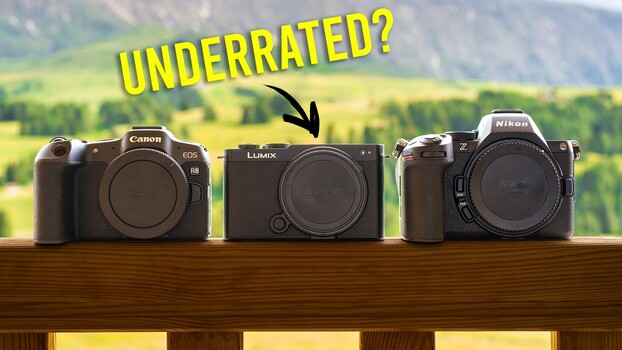
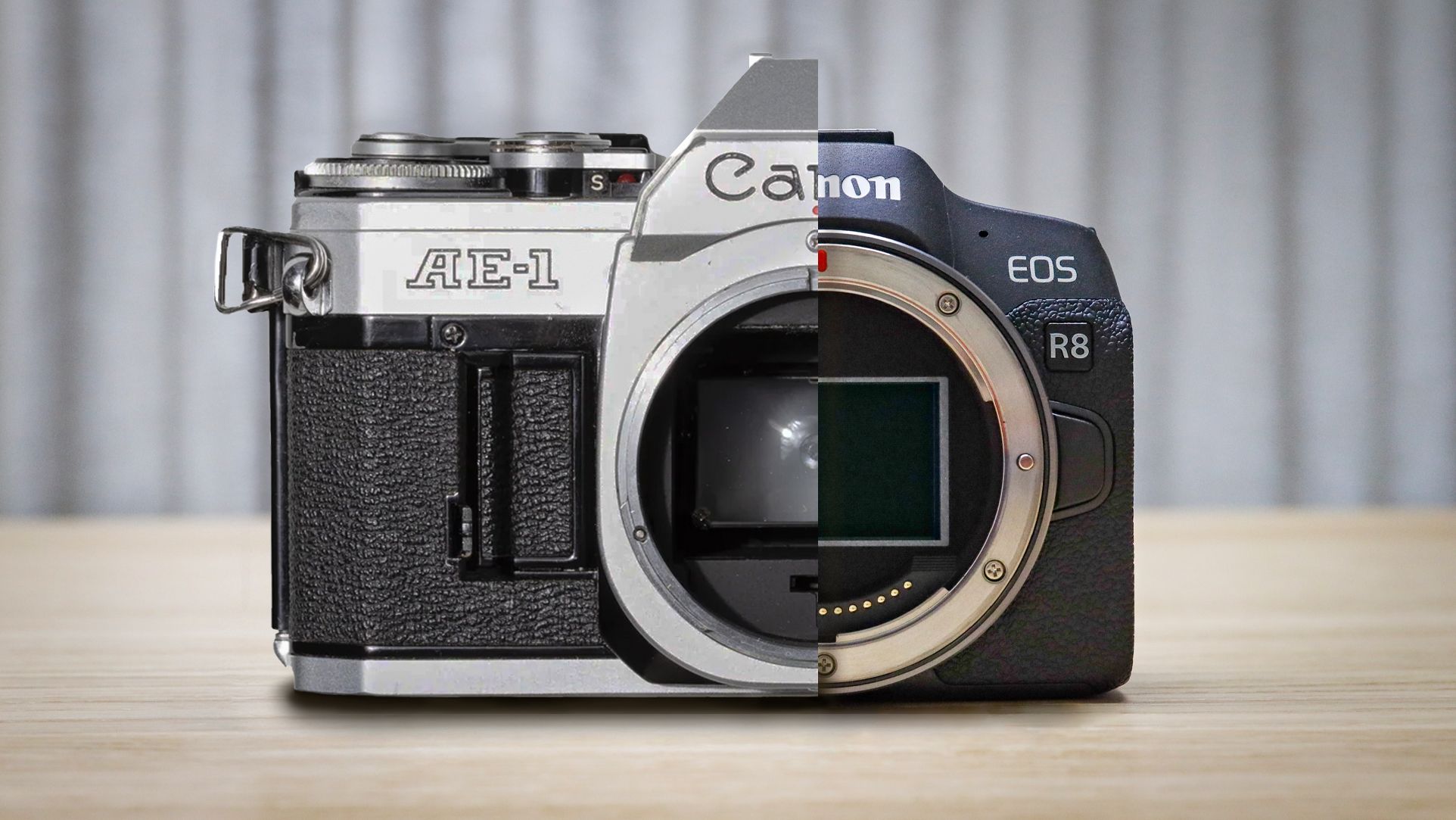
Canon is widely expected to tap into the 50th anniversary of the AE-1 as the emotional anchor for this retro-styled full-frame mirrorless camera, using that heritage to legitimize its vintage aesthetics. This is more than sentimentality. Rumors describe a retro exterior akin to the Nikon Zf, Zfc, and Fujifilm’s SLR-style X-series bodies, directly targeting photographers who already vote with their wallets for knobs, dials, and classic silhouettes. At the same time, reports suggest Canon may offer both a retro EOS R8 Mark II and a traditional-looking version, mirroring rivals that use identical internals in different shells to reach different audiences. That split design philosophy acknowledges a truth camera makers have sometimes ignored: some users care about how a camera feels and looks as much as how it performs. Canon is finally willing to design for both.
Positioned Between Entry-Level and Pro: A Camera for Creators Who Care About Form
Canon appears ready to place this retro EOS R8 Mark II between pure entry-level and professional bodies, keeping it below the EOS R6 Mark III while lifting it above the discontinued EOS RP and the original R8 in capability. The added IBIS and second SD slot will naturally increase body size, and a retro design makes that growth feel intentional rather than bloated. This is a camera for photographers and hybrid shooters who value ergonomics—physical dials, a more substantial grip, and a body that looks at home on the street or in a studio. For many creators, that blend of comfort and visual character matters as much as dynamic range charts. By deliberately dropping some high-end video features while maintaining fast stills performance and credible 4K, Canon is building a tool that prioritizes daily usability and personality over spec-sheet bragging rights.
Why Canon’s Retro Move Matters—and What September Could Signal
If the September mirrorless camera announcement lands as rumored, Canon will have done more than add another EOS R body; it will have diversified the lineup beyond its conventional black DSLR-style shells. In a market where nearly every major maker except Sony now offers a retro-themed interchangeable-lens camera, Canon’s move acknowledges that design language is part of brand identity and user experience, not an optional flourish. The practical impact on ordinary users is straightforward: they will gain a full-frame camera that feels special to own and use yet still delivers modern autofocus, high-speed shooting, stabilized video, and dual-card reliability. If Canon follows through with both retro and traditional R8 Mark II variants, it will send a welcome signal—that photographers no longer have to choose between aesthetics and performance when buying into the EOS R system.