
Screen-free wearables: from smartwatch sidekick to health-first tool
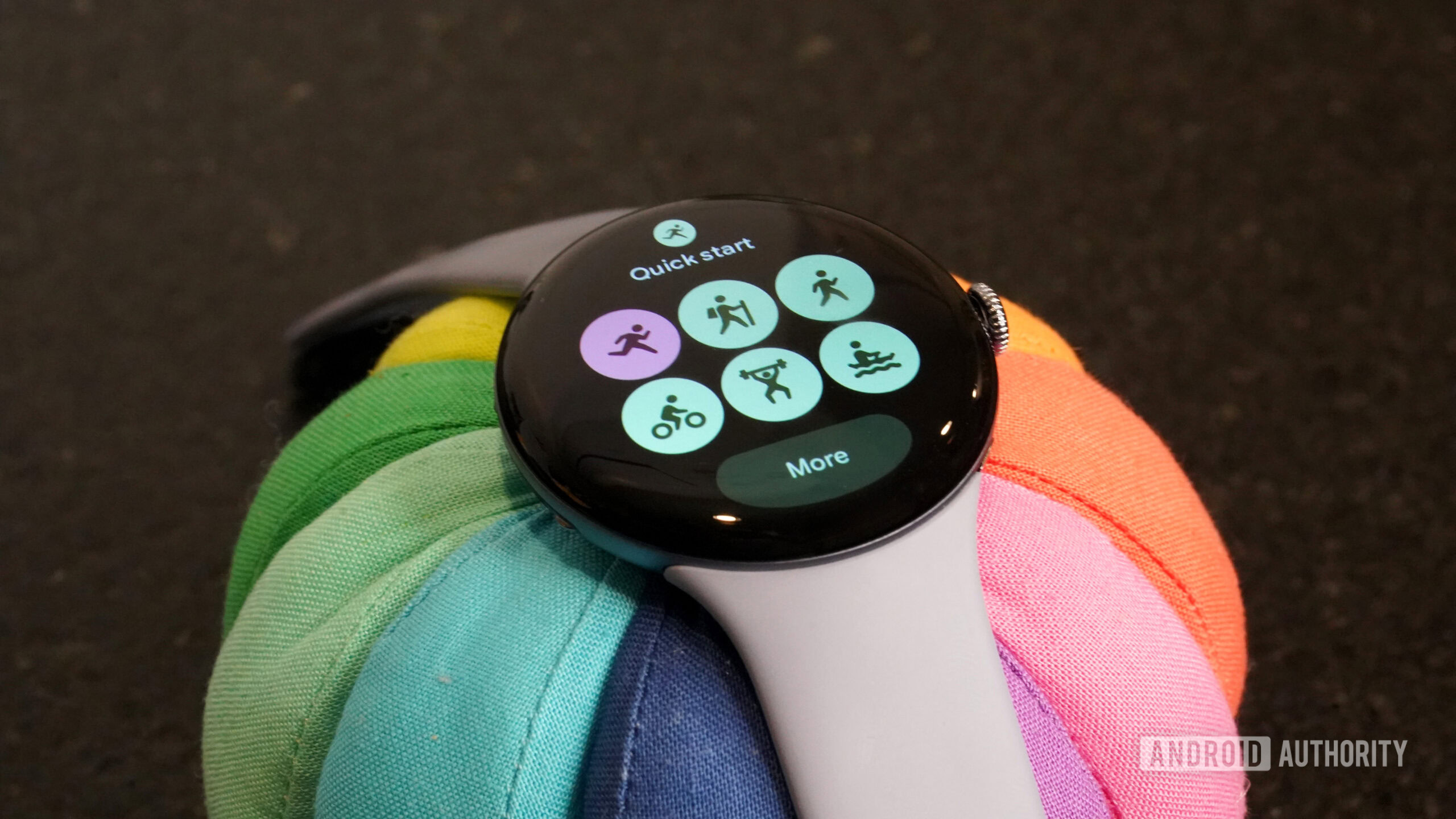
Screen-free wearables are minimalist fitness and health devices that strip away traditional displays and apps to focus on continuous biometric tracking, long battery life, and distraction-free insights delivered through a companion phone or cloud service rather than on-wrist interaction. That is the context for the latest health wearable leaks around Google’s Fitbit Air and Garmin’s Cirqa smart band, and it explains why these low-profile devices matter. Both bands are designed as screen-free fitness trackers that quietly monitor your body all day instead of nudging you to look at yet another glowing rectangle. In effect, they turn the wrist into a sensor hub rather than a tiny smartphone, and that shift challenges the idea that more screen time is the path to better health.
Fitbit Air leak: Google’s quiet reboot of health tracking
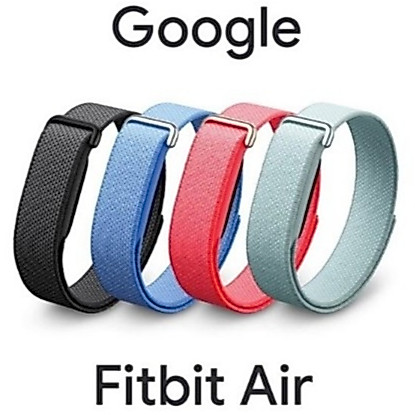
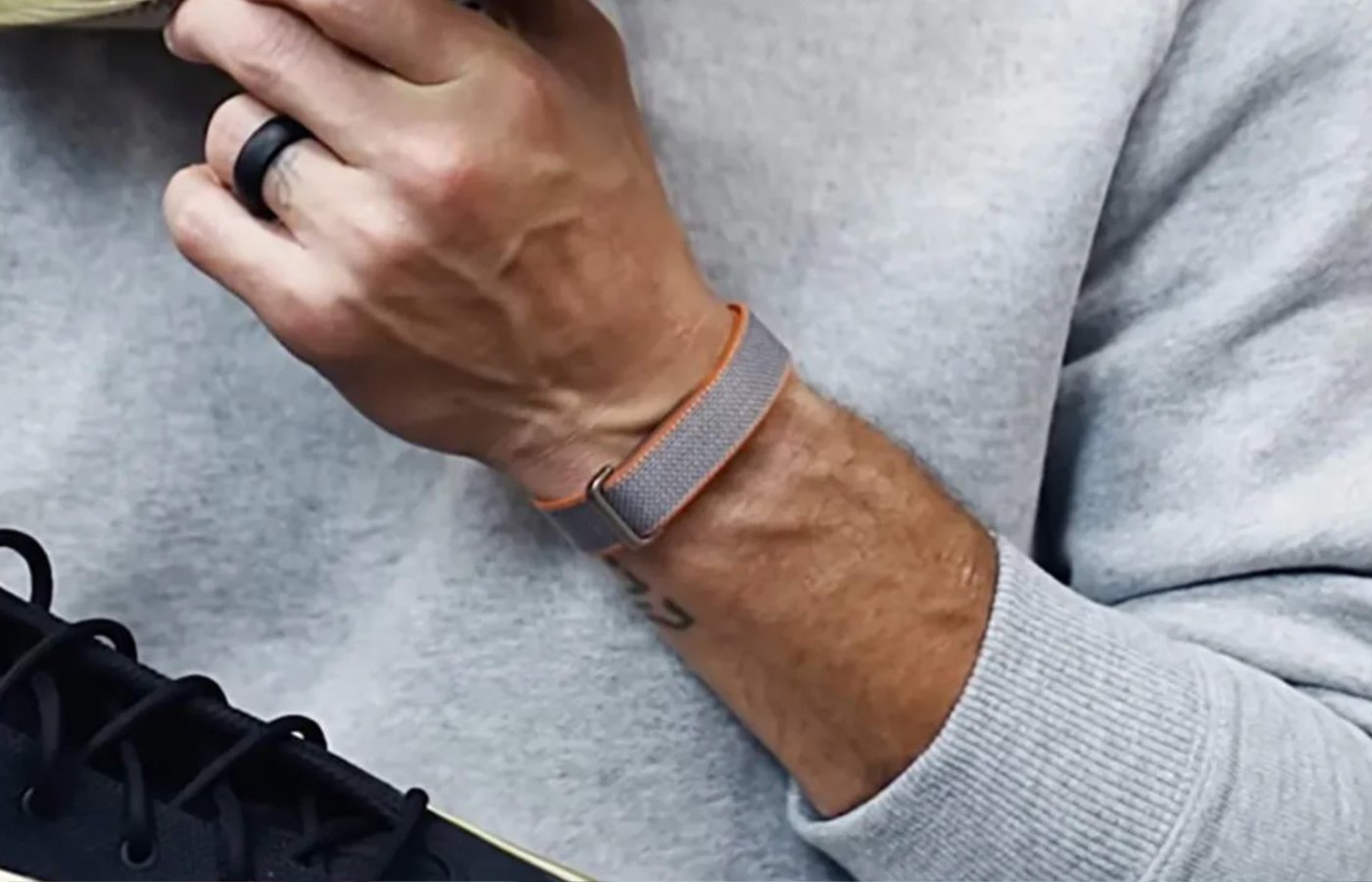
The Fitbit Air leak points to Google abandoning the idea that a fitness band needs a display at all. Early reports describe a slim, screen-free band built for all-day health tracking, with NBA star Stephen Curry already teasing it on social media. According to 9to5Google, the Fitbit Air will ditch the display entirely, leaning into passive tracking and AI-powered insights instead of notifications and apps. That design choice makes a statement: health data matters more than wrist-based widgets. A lightweight sensor housing and fabric-style straps underline that this is meant to stay on your body and out of your way, “suggesting a device that users can wear continuously without distraction”. Google is also folding Fitbit’s best software features into a broader Google Health ecosystem, retiring the Fitbit Premium brand in favor of a new Google Health Coach experience.
Price is where Fitbit Air could undercut niche rivals. Supplier data has the hardware listed at roughly USD 93 (approx. ₱5,200), leading observers to expect a USD 99 (approx. ₱5,600) retail price. That undercuts subscription-first models that give you the band and charge a steep monthly fee. If Google hits that pricing, the Fitbit Air becomes a mass-market invitation to try a screen-free fitness tracker instead of an impulse add-on for hardcore quantified-self fans. A rumored launch date of May 16 has surfaced, and an official announcement is expected in the coming weeks, though Google has not confirmed any details yet.
Garmin Cirqa wearable: endurance data without the display
On the other side of the aisle, the Garmin Cirqa wearable is surfacing through a steady drip of health wearable leaks. For months, leak after leak has described the Garmin Cirqa as a screenless smart band designed to compete with Whoop and the Google Fitbit Air. The latest hint came from Garmin’s own regional website, where a Health Status support page briefly listed “CIRQA” as a compatible device before the reference was deleted. That slip matters because Health Status is not a toy feature: it combines five core metrics — heart rate, heart rate variability, respiration, skin temperature and pulse ox — to give an overview of your general health. Bringing that package to a band with no screen looks like a direct pitch to endurance athletes who care more about deep recovery insights than checking texts on their wrist.
Earlier in the year, Cirqa even appeared on Garmin’s own site with color options in black and French Gray, only to be pulled down again. At this point, the Garmin Cirqa smart band is all but confirmed. The strategy is clear: Garmin wants a seat at the table as the screenless “focus wearables” category surges, alongside devices like Oura Ring 5, Polar Loop and Amazfit’s training straps. Where its full-fledged watches blur the line between smartwatch and sports instrument, Cirqa looks designed as a pure sensor pod: strap it on, collect high-quality data, and view the details later in an app or web dashboard. That is exactly how many serious runners and triathletes already use their ecosystems; Cirqa simply removes the unnecessary glass in the middle.
Why screen-free fitness trackers are arriving now
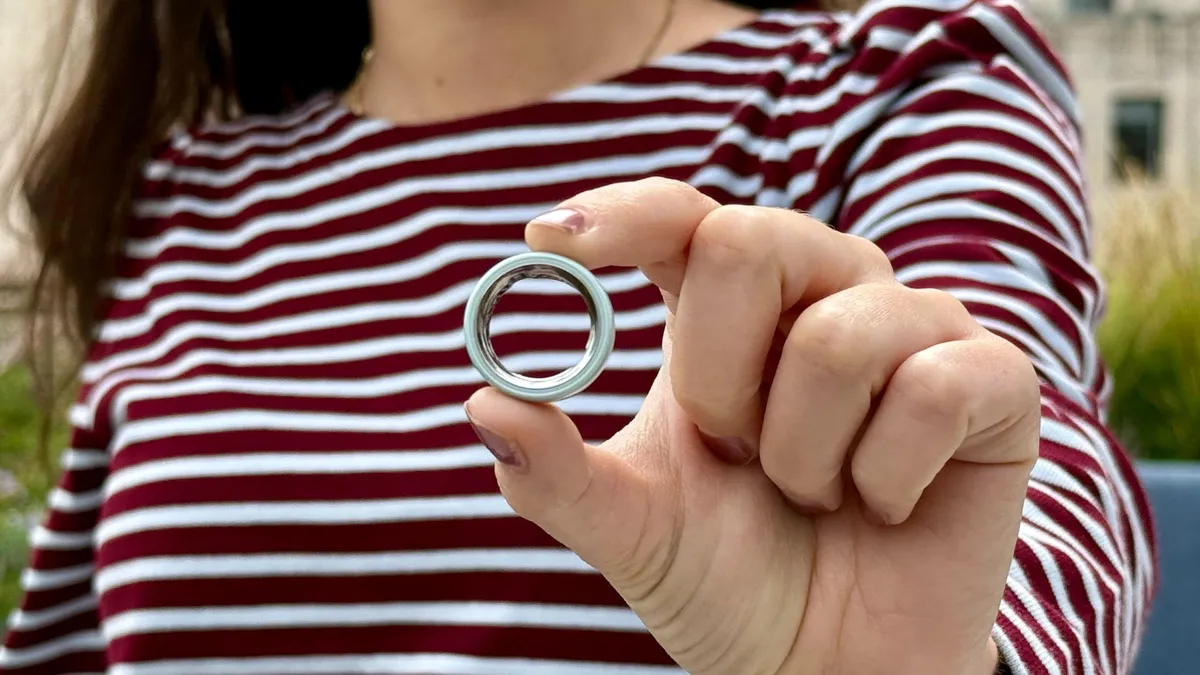
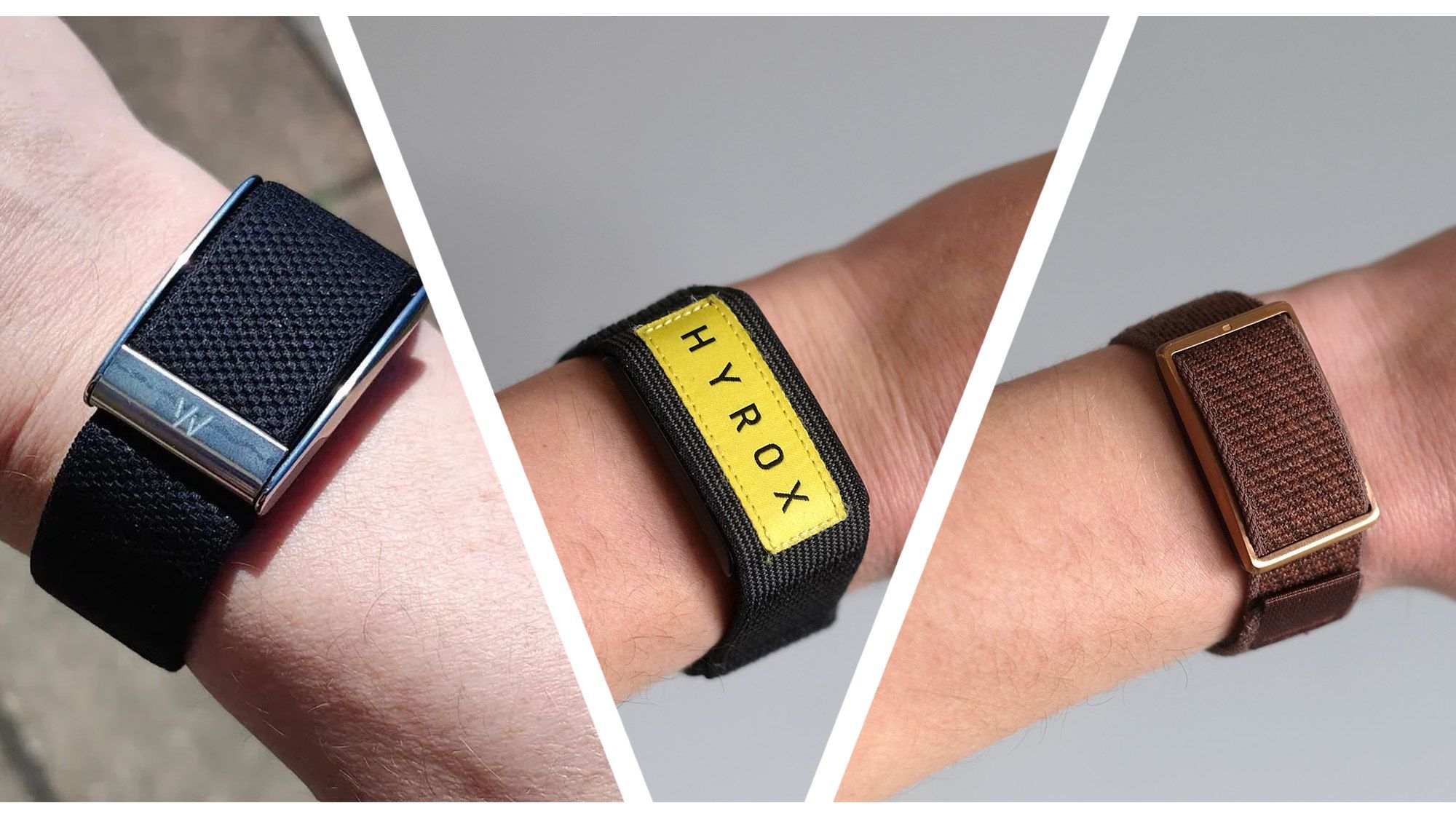
The timing of these health wearable leaks is not random. The screenless “focus wearables” category is having a moment, with rings, straps and now screen-free bands promising more signal and less noise. After a decade of chasing smartwatch parity—bigger displays, more notifications, more apps—fitness brands are discovering a ceiling: people who want health insights often do not want another interactive screen tied to every buzz and ping. Screen-free wearables appeal to users who prioritize battery longevity and distraction-free health monitoring; by removing the display, designers can allocate more room and power budget to sensors and batteries instead of pixels. The Fitbit Air leans into passive tracking and AI guidance, while Garmin’s Cirqa quietly inherits advanced Health Status analysis from top-tier watches. Together, they mark a pivot from on-wrist entertainment to invisible infrastructure for your physiology.
The next wearable battleground: attention, not apps
The most important shift here is not the hardware form factor but the philosophy behind it. Fitbit Air and Garmin Cirqa frame health wearables as tools that should demand less of your attention, not more. The bet is that people will trade instant on-wrist stats for deeper trend analysis and longer battery life, as long as the software experience on phone and cloud delivers meaningful guidance. Google is folding Fitbit’s data into its main ecosystem and testing a Google Health Coach to interpret it, while Garmin extends its Health Status framework into a band that can be worn in situations where a bulky watch is unwelcome.
What comes next is a race to prove that less interface can mean better outcomes. Expect more brands to experiment with rings, pendants and bands that do not look like tech at all, as long as they can promise the same thing these leaks hint at: wear it, forget it, then get clear answers when you choose to look. Google’s potential May launch window for Fitbit Air and the expectation that Cirqa’s debut is not far behind set up a near-term test of whether the screen-free fitness tracker can move from niche curiosity to mainstream health companion.