
A $299 Bargain With a Hidden Privacy Price
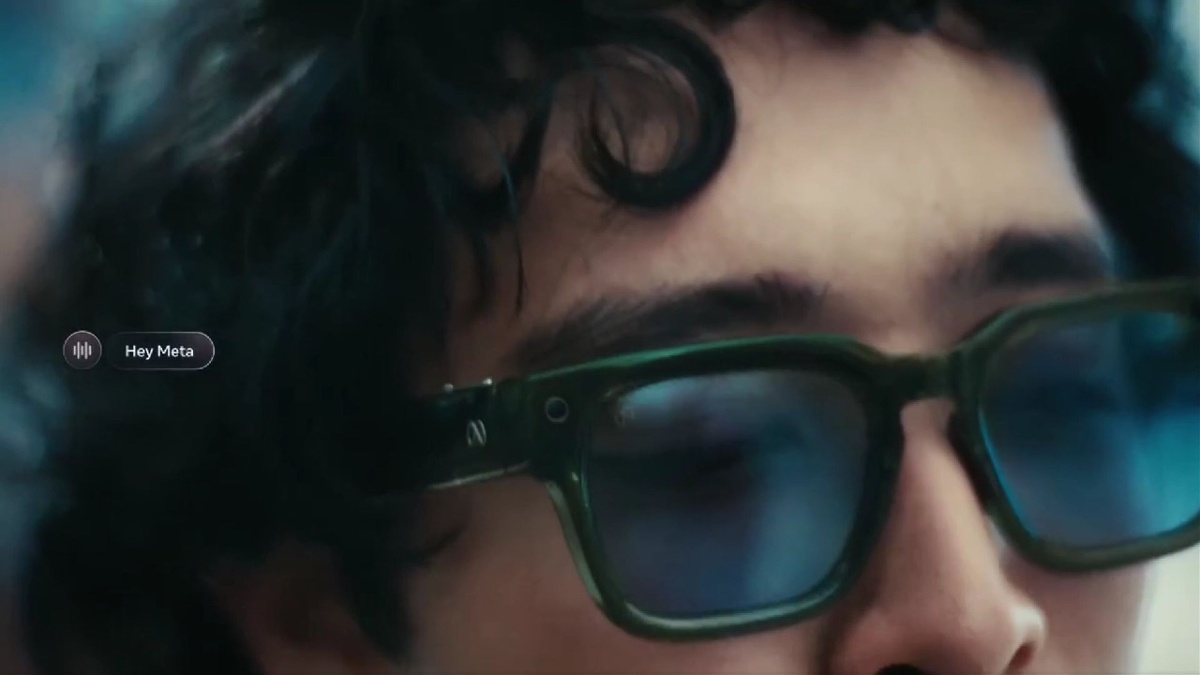
Smart glasses are camera- and sensor‑equipped wearable devices that sit on your face like ordinary eyewear but quietly capture audio, video, and data about you and everyone around you, raising sharp debates over consent, surveillance, and the limits of personal and public privacy. The central tension of today’s smart glasses boom is simple: the hardware has become affordable and stylish, but the privacy cost has become socially unacceptable. Meta’s latest models start at USD 299 (approx. ₱16,800), undercutting traditional brands that sell similar-looking frames for more, and its Kylie-branded edition climbs to USD 399 (approx. ₱22,400). Yet the real adoption barrier is not money; it is surveillance. As one early user put it after buying a pair, the hidden cost above the USD 299 (approx. ₱16,800) sticker is an enormous loss of privacy. When a device can see, hear, and infer everything you do when activated, the discount feels less like a deal and more like a trade you might regret.
Creators Are Pulling Back—Not Because of Features, But Fear
The most telling shift is among the very people these devices were designed for: creators and photographers. Many of them once praised Meta’s glasses for hands‑free photography and video, but now say negative public perception makes them reluctant to wear the devices outside or in crowded spaces. This is not about poor image quality or clunky design; users remain satisfied with the glasses’ look and performance. It is about the reputational risk of looking like a walking surveillance rig. Some wearers are changing how they use the glasses—tweaking privacy settings, avoiding filming in public, or even adjusting how the frames sit on their face so bystanders can see when they are clearly not recording. The result is absurd: people buy camera glasses, then contort their behavior to reassure everyone that they are not using the camera. That is not a path to mainstream smart glasses adoption; it is a slow walk to the drawer.
When Capability Outruns Comfort: The New Social Friction
Smart glasses’ biggest technical advantage—the always‑ready camera and sensors—is exactly what makes them socially radioactive. Users like the convenience, yet they are uneasy about Meta’s privacy practices and the potential for misuse. The person your glasses accidentally record on the street never agreed to be filmed and usually cannot tell it is happening. That is a consent problem, not a UX flaw. At the same time, the broader wearables race is accelerating; we are in the middle of a wearables war consumers did not ask for. Companies are betting that people will swap phones for eyewear, while reports of possible facial recognition under development pour gasoline on the anxiety. When even enthusiasts admit that concerns over privacy and misuse outweigh convenience, it shows how far device capability has outrun user comfort. You cannot design around that with nicer frames or better microphones.
Surveillance Is Trendy—Until It Lands On Your Face
Culturally, we have been warming to surveillance for years. Fashion once flirted with “paranoid chic,” selling the glamour of being watched without any real tracking. Today, consumers hold the cameras and point them at themselves: doorbell‑cam fit checks, biometric rings, apps that track every move of teenagers or pets. Smart glasses are the logical next step—and the step too far. Meta leans into this logic, selling frames that, when activated, track every move around you and marketing them with one of the most photographed people on the planet. Yet users are balking at becoming both the watcher and the untrusted watcher. According to one analysis, the hidden trade feels like paying to build your own wearable panopticon. The message from buyers is blunt: surveillance can be an aesthetic or a content genre, but once it becomes an unmissable part of your face, it becomes a social liability.
Policy Patches Will Not Fix a Trust Problem
Under pressure, Meta has started to treat wearable privacy issues as a policy problem it can patch. It announced a mandatory software update that disables the camera if someone tampers with the recording indicator light, and it plans to pursue legal action against services that help hide when the camera is on. Those steps might curb the most blatant abuses, but they do not answer the deeper worry that a face‑mounted device tied to a massive data company is an always‑on surveillance node. The backlash has already intensified on reports of possible facial recognition features in development and rising online criticism of wearable cameras. When users who like the product’s design and features still hesitate to wear it in public because of smart glasses privacy concerns, you no longer have an adoption challenge; you have a legitimacy crisis. Until companies treat privacy as the core product, not a compliance checkbox, Meta glasses surveillance fears will keep pushing creators and ordinary users to quietly opt out.