
FSR 8x Multi-Frame Generation: What AMD’s Hidden Drivers Reveal
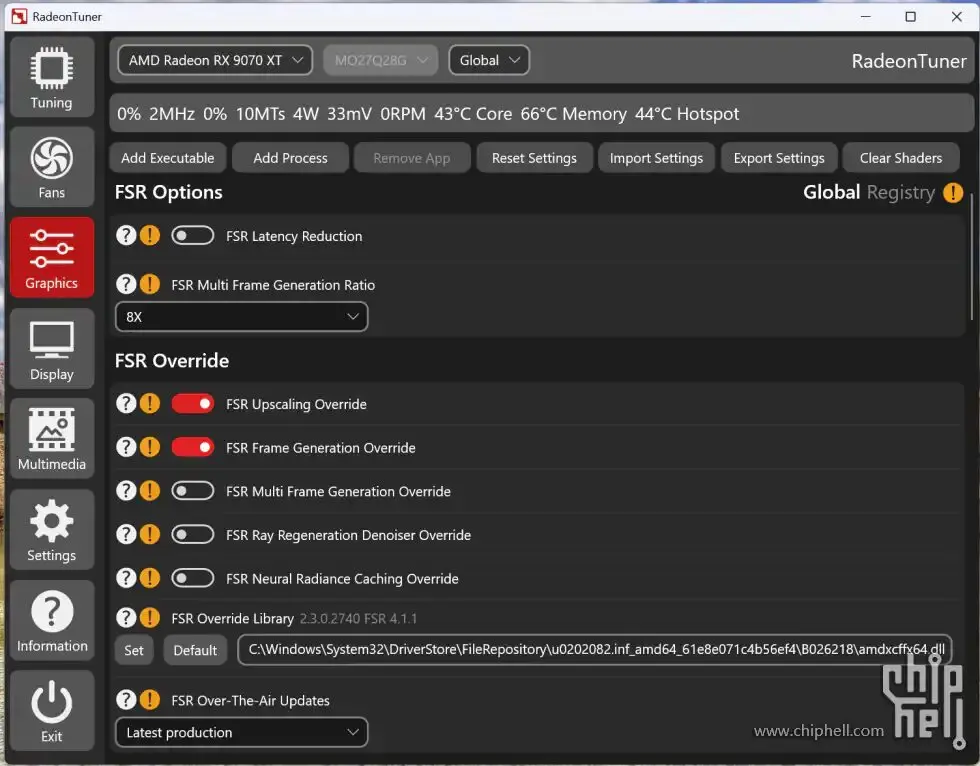
AMD FSR multi-frame generation is an experimental driver-based technology that appears to offer selectable frame generation ratios from 1x to 8x, theoretically multiplying a base framerate such as 60 FPS to much higher output rates by synthesizing additional frames between rendered ones for smoother motion and perceived responsiveness in supported games and applications. This is not a minor tweak; it is AMD telegraphing that frame generation gaming is about to move far beyond the simple “double your FPS” narrative. The discovery comes from RadeonTuner, a utility that exposes hidden AMD Radeon GPU variables and has now revealed fresh FSR-related controls inside the latest Adrenalin 26.6.2 drivers. Among them are new override options for FSR Ray Regeneration, Neural Radiance Caching, and especially Multi-Frame Generation ratios up to 8x. In plain terms: AMD is quietly wiring its driver stack for a very aggressive next generation of FSR, even if users cannot turn it on yet.
The 8x Promise: From 60 FPS to 480 FPS, at Least on Paper
The most provocative detail in these AMD driver features is the sheer range of Multi-Frame Generation ratios. The internal FSR interface surfaces selectable settings for 1x, 2x, 3x, 4x, 5x, 6x, 7x, and 8x. In theory, AMD’s own description makes the stakes clear: “That’s enough to turn a base framerate of 60 FPS into 480 FPS.” For anyone tracking frame generation gaming, this is a radical escalation. Today’s public FSR ML Frame Generation and FSR Upscaling overrides already exist for compatible titles and hardware, letting RDNA 4 GPUs upgrade games to FSR 4.1 upscaling and machine learning frame generation. The newly exposed 3x–8x modes, however, are currently non-functional and reportedly restricted to RDNA 4 and newer GPUs. That restriction matters: AMD is clearly positioning Multi-Frame Generation as a halo feature for its latest architecture, not as a drop-in bonus for older cards.
Why These Hidden AMD Driver Features Are Appearing Now
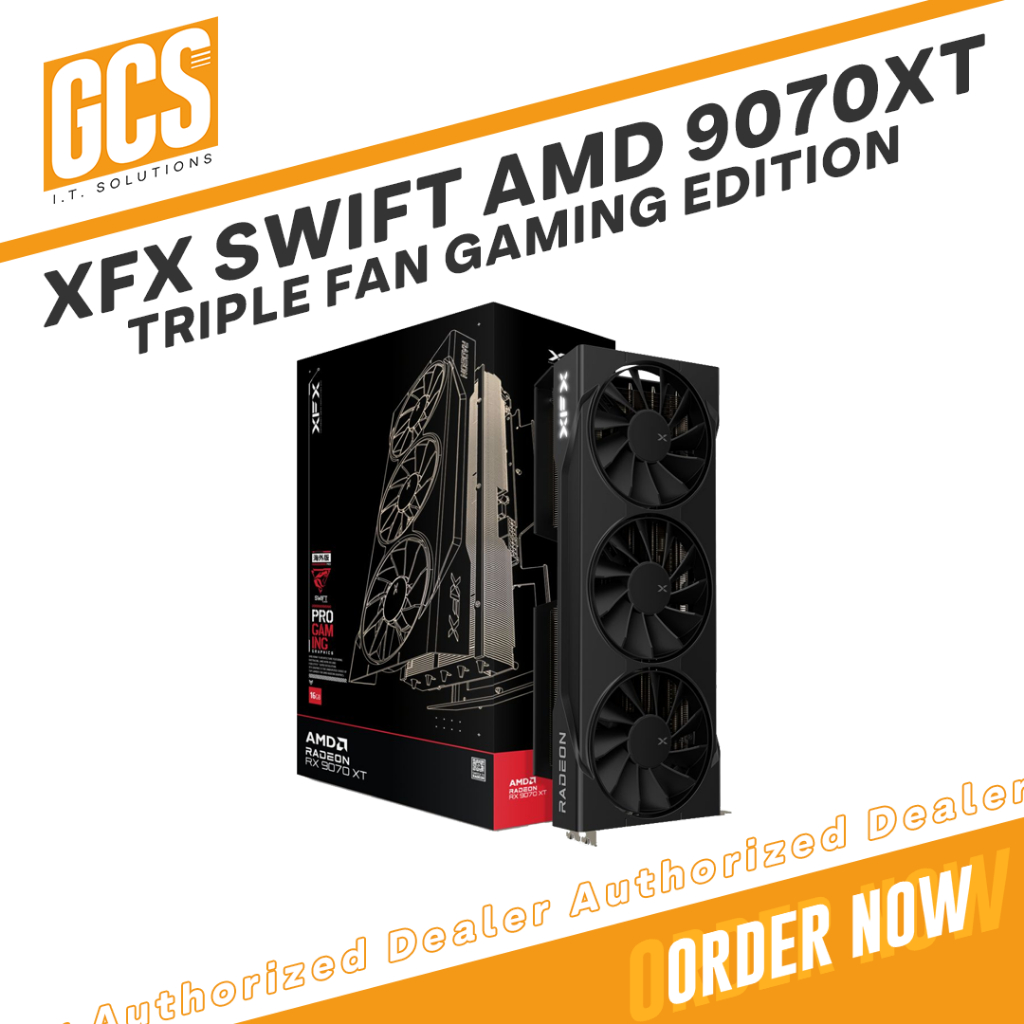
The timing of these hidden settings is not random; it reflects a roadmap AMD has been building for months. According to one report, AMD has been laying the groundwork for expanded FSR Redstone features for some time, starting with preliminary Multi-Frame Generation support introduced quietly into the ADLX FidelityFX SDK in April. That SDK hinted that future Radeon hardware would let users pick different frame generation ratios to balance image quality against performance. Since then, AMD has continued widening its FSR stack, most recently with FSR 4.1.1 and an FSR Override Library (v2.3.0.2740) that interacts with the latest Adrenalin 26.6.2 drivers. When a Radeon RX 9070 XT was used with that combination, RadeonTuner uncovered the new FSR Multi-Frame Generation Ratio menu and related overrides. It is hard to see this as anything but an active testbed phase: the features exist in the driver, but AMD has intentionally left them dormant while it iterates internally on the FSR DLLs and supporting components.
Experimental Today, Strategic Tomorrow: AMD’s Testing Phase
Right now, these references to FSR 8x technology are tantalizing but useless for end users: the options are non-functional and likely depend on new or experimental FSR DLLs and related files that have not been released. A separate analysis confirms that at this stage the settings appear experimental, remain completely non-functional, and require internal software components that are still under wraps. That is not a half-hearted prototype; it is standard practice for a company preparing a significant feature launch. The broader pattern is clear. AMD already provides FSR Override options for FSR Upscaling and FSR Frame Generation in supported games today. Now it is wiring in Multi-Frame Generation, Ray Regeneration Denoiser overrides, and Neural Radiance Caching overrides. Two independent reports argue that, taken together, these updates suggest FSR could be in line for one of its biggest overhauls later this year, spanning Multi-Frame Generation, Ray Regeneration, and Neural Radiance Caching. AMD is not dabbling; it is building an integrated AI graphics stack.
What Comes Next for FSR and the Frame Generation Race
The key takeaway from AMD’s hidden FSR 8x Multi-Frame Generation work is that the frame generation race is entering a new phase, and AMD intends to be at the front of it. The company has once again confirmed plans to deliver FSR Multi-Frame Generation in its ecosystem, and the driver references point directly to RDNA 4 and future GPUs as the main targets. While nothing is official yet, both reports agree that these hidden settings show AMD is actively developing more ambitious AI graphics technologies, with one stating that FSR’s technology suite “could be in for a major update later this year.” Between Multi-Frame Generation ratios up to 8x, Ray Regeneration, and Neural Radiance Caching, AMD is preparing FSR for a leap rather than a step. When those dormant toggles finally switch on, they will not only redefine AMD driver features but also force the rest of the industry to respond.