

From all-digital gaming to home-made cartridges
The rise of DIY SSD cartridge systems in PC gaming is a nostalgic hardware trend where players turn second-hand drives, custom housings, and scripts into physical “cartridges” that launch their digital libraries, restoring a tactile ritual to all-digital gaming while asserting control over game preservation and ownership in an era of disappearing discs. This is not a neutral experiment in retro gaming hardware; it is a quiet protest against the idea that our libraries should live only behind accounts and launchers. As major platform holders plan to stop producing physical game discs after 2028, PC players are making it clear that if corporations abandon physical media, they will build their own. That tension between corporate convenience and user control explains why these PC nostalgia projects feel so timely—and why they resonate beyond a few hobbyists on social media.

The DIY SSD cartridge: nostalgia wired into Steam
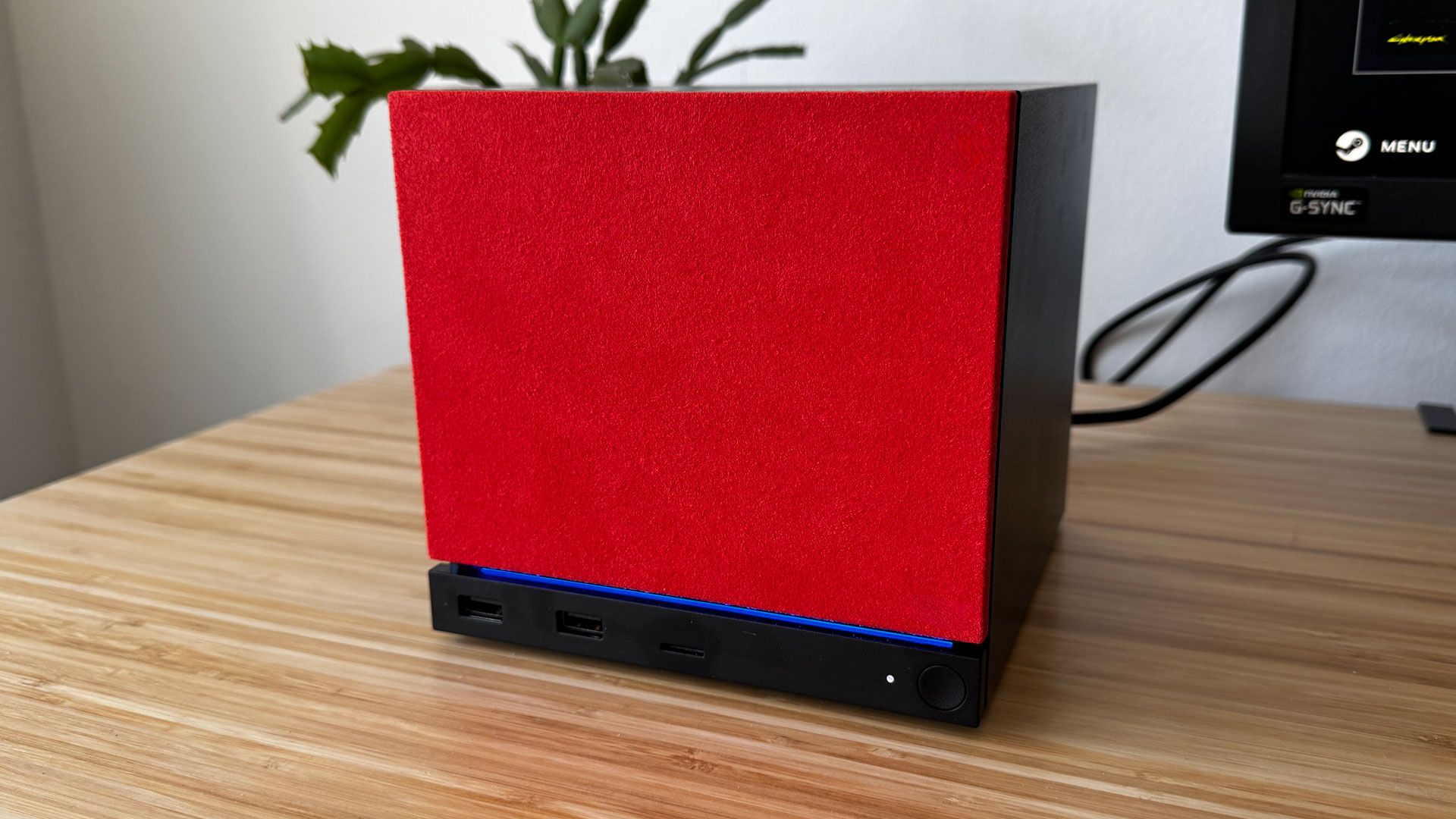
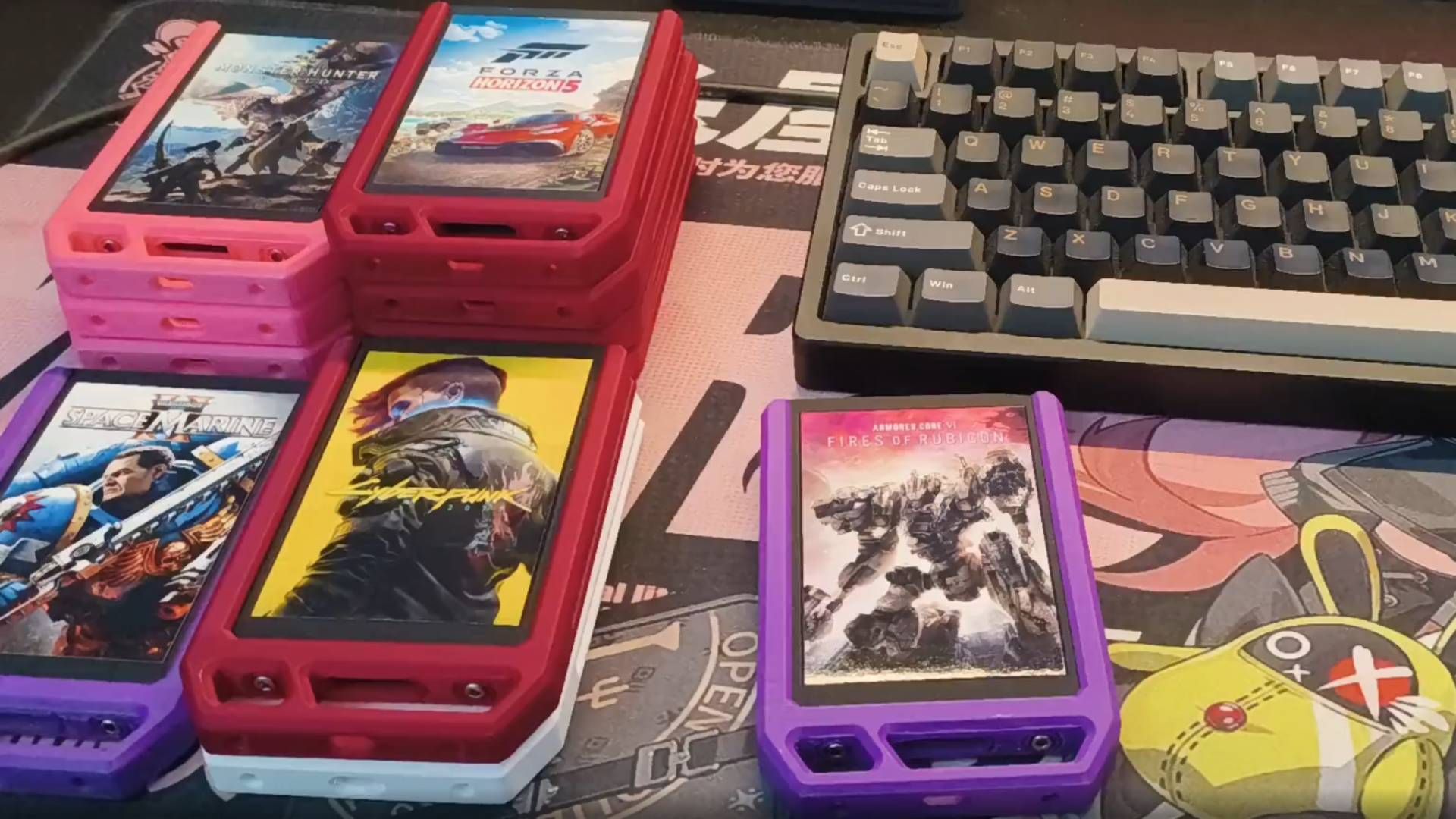
User Jibril-sama’s project is the clearest expression of this trend: a game cartridge system for a Steam library built from second-hand 2.5-inch SATA SSDs scored “for cheap.” Each drive is an actual DIY SSD cartridge, containing installed games and housed in colorful shells printed with the cover art. Slot one into a dock and a script triggers Valve’s Steam browser protocol, jumping straight to the game’s library page—and it can be configured to launch the game automatically. The quotable heart of the build is the admission that they “just got lucky,” buying 128 GB SSDs for €7 (USD 8, approx. ₱470) each. In a time of spiking memory prices, that is more fluke than blueprint. Yet the point is not cost efficiency; it is the ritual. You choose a cartridge, hold it, insert it, and the PC responds like a modernized console. That physical rhythm is what all-digital gaming has stripped away.
GOG, retro gaming hardware, and the right to keep what you buy
While hobbyists build cartridge rigs, one major PC storefront is openly cheering the broader do-it-yourself movement. GOG has long specialized in bringing old games to modern PCs and making them DRM-free so players can use them however they wish. After Sony’s decision to stop producing game discs in 2028, GOG reminded players on social media: “Download the offline installer of any of your games on GOG, save it to a disc and it’s yours forever. You don’t need a storefront’s permission to play what you bought.” That statement turns retro gaming hardware—optical drives, USB sticks, external SSDs—into tools of resistance, not relics. Burning your own discs or packing installers onto drives is admittedly not the same as owning a stamped, boxed release. Still, it is practical protection against what PC collectors call digital “not-quite-ownership,” where a banned account or shuttered service can erase years of purchases overnight.
Why PC nostalgia projects matter in an all-digital future
Affection for physical media is not irrational sentimentality; it is a reaction to a genuine loss. Writers who collect PC games speak openly about how something will be lost when discs go away, even as they admit that home-burned discs are imperfect substitutes. Commentators looking at cartridge builds confess an outsized affection for game cartridges in particular, even if they lack space for more plastic cases. These DIY projects are PC nostalgia projects, but they are also cultural criticism. They highlight how Steam’s all-digital ecosystem, though viable and convenient, keeps many titles tied to a client and account, raising the persistent question of how much you truly own your digital games. By grafting SSD “carts” and home-made installers onto that infrastructure, enthusiasts show that modern services can coexist with tangible rituals and local control, instead of demanding that everything be abstracted into a cloud and a login.
PC gaming’s hardware flexibility is its quiet advantage
The most important lesson from SSD cartridges and DIY discs is not that every player should start hoarding refurb drives. It is that PC gaming’s open hardware ethos gives players room to shape their own future. Even in a “no-discs world,” collectors can keep optical drives or external units handy, or switch to flash drives and external SSDs when space or practicality demands it. Others can turn retired laptop SSDs into quirky retro gaming hardware, mapping them to Steam with scripts and custom cases. These projects may be niche, and they may cost more than the digital games they carry, but they send a clear message: all-digital gaming does not have to mean surrendering physical choice. As more console ecosystems move toward sealed boxes and locked-down launchers, PC players are quietly demonstrating a different model—one where nostalgia, preservation, and experimentation belong to the community, not only to platforms. That is a future worth defending, cartridge by cartridge.