
Soundbar vs Headset: The Real Desktop Audio Choice
Gaming soundbar vs headset debates are about matching your desktop audio peripherals to how you play, how your room sounds, and whether you value immersion, communication, or awareness above everything else. A soundbar turns the whole room into your soundstage, while a headset locks that soundstage to your ears for focus and privacy.
If you still rely on flimsy monitor speakers, you are holding back your gaming audio setup. High-end options now split into two serious camps: cinematic soundbars with subwoofers and competitive-grade wireless headsets. On the soundbar side, the ASUS ROG Gjallar Gaming Soundbar aims to be a full desktop audio system rather than a simple speaker bar. Across the desk, the Razer BlackShark V3 has been called the best gaming headset for most players, thanks to its balance of sound quality, comfort, and price. The right answer is not which is “better,” but which fits your desk and your habits.
The Case for a Gaming Soundbar: ASUS ROG Gjallar
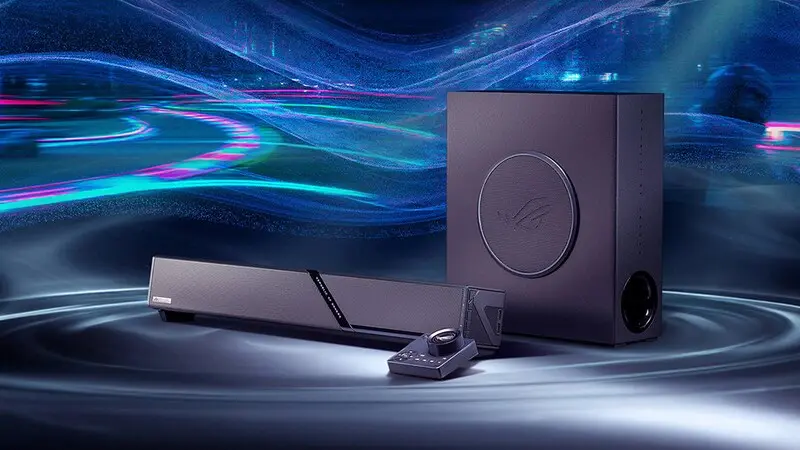
The ROG Gjallar Gaming Soundbar exists for players who want their games to feel like a small cinema in front of their monitor, without wearing anything on their head. It is a complete desktop audio system: compact bar, wireless subwoofer, and a dedicated control hub, ready to sit under your screen and command your whole room.
ASUS packs left and right full-range drivers, dual tweeters, and two upward-firing speakers into the bar to deliver a 2.1.2-channel Dolby Atmos experience aimed at immersive positional audio. A 6.5‑inch, 65 W wireless subwoofer deepens bass and adds a more cinematic impact to explosions and music. The soundbar connects to PCs, consoles, and mobile devices through 3.5 mm, optical, USB‑C, HDMI 2.1 (with 4K 120 Hz passthrough), and Bluetooth 5.3. This is more than a speaker: it doubles as a USB hub and includes Acoustic Echo Cancellation microphones to keep voice chat intelligible without feeding game audio back into your party. ASUS has not yet announced pricing or release date, but it is clearly targeting premium‑seeking gamers.
The Case for a High-End Gaming Headset: Razer BlackShark V3
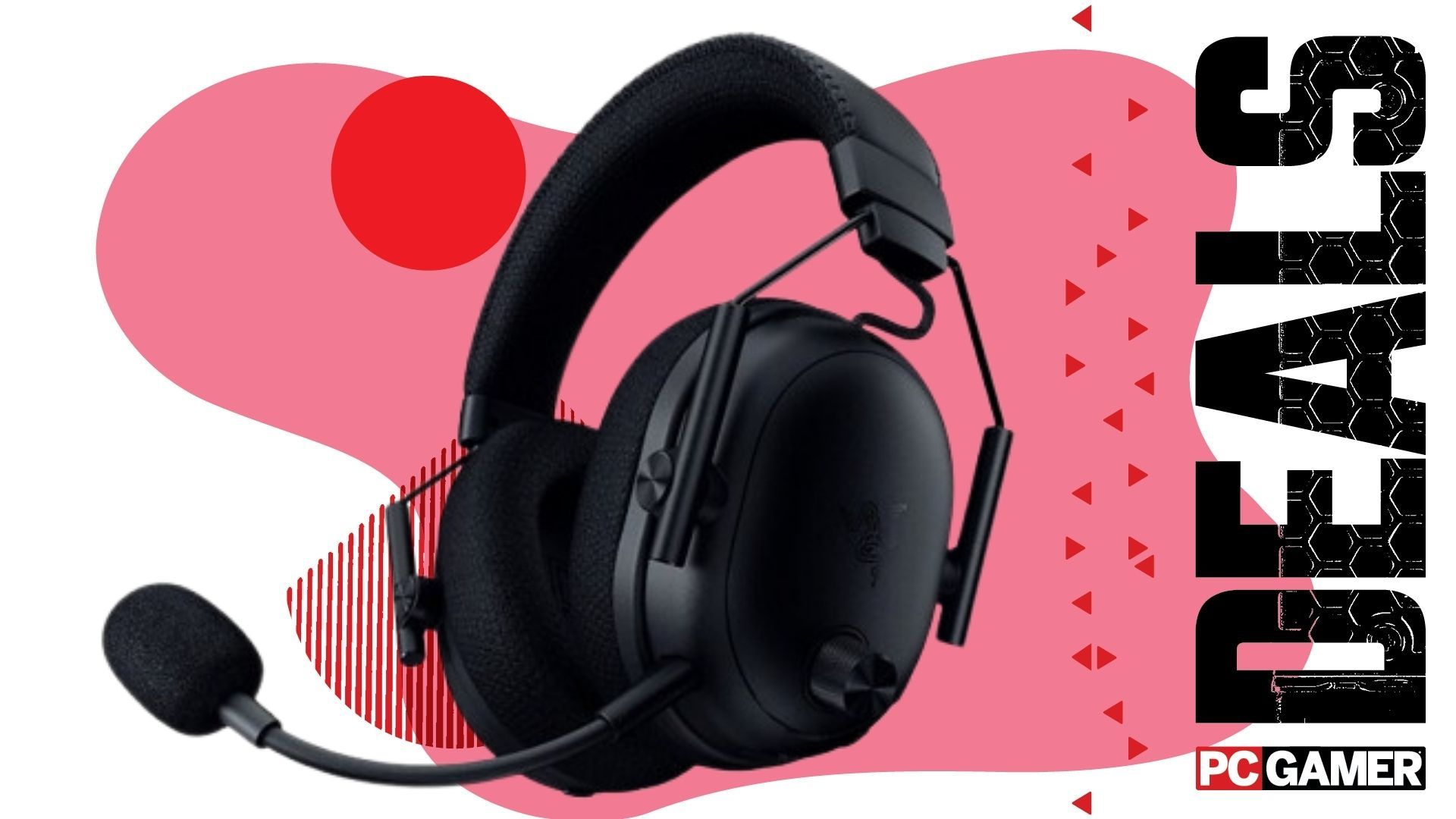
If the soundbar is about filling space, the Razer BlackShark V3 is about shutting the space out so you can compete. It is a wireless high-end gaming headset that focuses your world down to directional cues, footstep clarity, and clean team comms. Where the soundbar spreads sound around the room, the V3 pins it directly to your ears with closed-back isolation.
The BlackShark V3 uses 50 mm TriForce Titanium drivers for “excellent-sounding” gaming and music audio at a price that undercuts many rivals. Low-latency HyperSpeed Wireless keeps shots and footsteps in sync with what you see, which matters when milliseconds decide fights. A 9.9 mm mic, shared with a more expensive sibling model, delivers solid voice quality that suits competitive play and streaming alike. The headset is rated for a 70‑hour battery life, although its lowest-latency mode shortens that endurance. It launched at USD 149 (approx. ₱8,300) but has been seen at USD 129.99 (approx. ₱7,200), a discount of about USD 19 (approx. ₱1,000). According to one long-term review source, the BlackShark V3 “knocks it out of the park” as a balance of sound, comfort, and design.
Immersion vs Focus: How Each Shapes Your Gaming Audio Setup
Choosing between a gaming soundbar vs headset is ultimately choosing how you want to experience your games on a daily basis. The ROG Gjallar pushes towards open, shared immersion: sound radiates into the room, Dolby Atmos height effects add a sense of space, and the subwoofer gives single-player epics and cinematic cutscenes the weight they deserve. It also serves mixed platforms well, since it is happy with PC, Mac, major consoles, and mobile devices in the same setup.
The BlackShark V3, by comparison, is about disciplined focus. Closed-back cups, low-latency wireless, and a dedicated microphone make it a strong fit for competitive lobbies, co-op raids, or late-night sessions where you do not want to keep the whole house awake. It does not try to be a living-room replacement; it tries to be the reference point for what you hear in-game. If your desk is in a shared or echo-prone space, that focus can be worth far more than extra channels and RGB strips.
Conclusion: Pick the Peripheral That Fits Your Desk, Not the Hype
The loudest mistake you can make is buying a high-end audio peripheral that fights your space and your habits. If you want your desk to double as a miniature theater, play across several platforms, and enjoy feeling explosions in your chest, the ROG Gjallar Gaming Soundbar’s multi-channel Atmos design and wireless subwoofer lean directly into that fantasy. If you live in voice chat, grind competitive modes, and care more about hearing a single footstep than a sweeping soundtrack, the Razer BlackShark V3’s focused directional sound, strong mic, and long battery life give you an edge.
There is no universal champion in this showdown. There is only the question you have to answer before you spend a cent: do you want your games to fill the room, or to fill your head? Once you know that, your choice of desktop audio peripherals becomes obvious—and the premium gear on both sides is ready to reward that clarity.