
RTX 50 SUPER Delay: A Memory Problem, Not a Silicon Problem
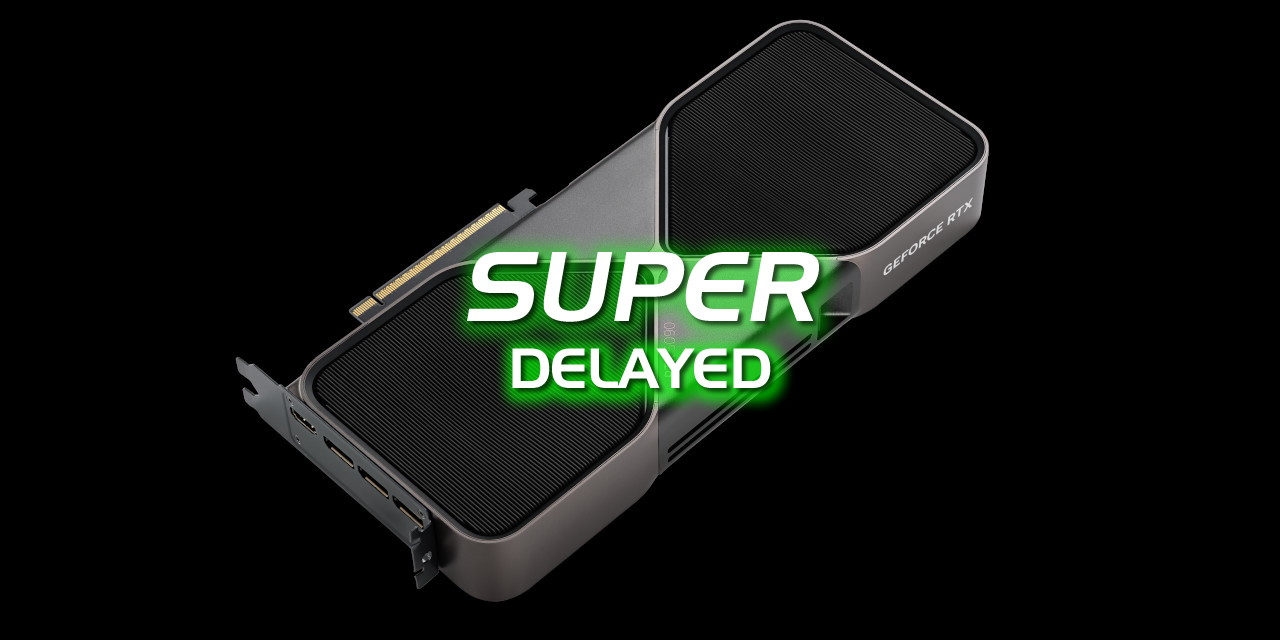
The RTX 50 SUPER delay refers to NVIDIA’s reported decision to postpone launching its new RTX 50 SUPER graphics cards, even though production-ready boards have already reached partners, because the high cost of 3GB GDDR7 memory chips threatens to push graphics card pricing beyond what most gamers and enthusiasts will accept.
This is not a story about unfinished GPUs; it is a story about a bill of materials blowing up in NVIDIA’s face. Add-in-board partners say they already have production-ready RTX 50 SUPER hardware, yet NVIDIA has instructed them to postpone launch and provided no new schedule. In other words, the silicon is ready, but the economics are not. That distinction matters if you are planning a GPU upgrade—because it signals that the eventual RTX 50 SUPER cards may arrive late, scarce, and more expensive than many buyers are prepared for.
GDDR7 Memory Prices: The 3GB Chip That Broke the Roadmap
The core of the RTX 50 SUPER delay is the price tag attached to 3GB GDDR7 memory modules. Industry sources report that each 3GB GDDR7 chip costs between USD 60 and USD 70 (approx. ₱3,360–₱3,920), while a 2GB GDDR7 chip costs about USD 20 (approx. ₱1,120). That means NVIDIA pays roughly three times more money for only 50% more capacity. For a card using six or eight of these chips, memory alone adds hundreds of dollars (tens of thousands of pesos) to the bill of materials.
According to one report, 3GB GDDR7 memory chips are “what make this SUPER series SUPER”, providing higher capacities and speeds that distinguish these cards from their non-SUPER counterparts. But when the memory upgrade costs explode like this, the math stops working. NVIDIA can either eat the cost and crush its margins or pass it on and turn the RTX 50 SUPER into a niche luxury for a shrinking slice of the market. Neither option is attractive, which is why the launch is on ice.
Enthusiast Cards, Mainstream Pain: How Pricing Could Spiral
The delay hits both enthusiast and upper-mainstream cards, not just a single flagship toy for benchmarks. Reports say the RTX 5080 SUPER and RTX 5070 Ti SUPER are planned with 24GB of GDDR7, while the RTX 5070 SUPER bumps up to 18GB. Those capacities sound fantastic—on paper. In practice, they make memory the most dangerous line item in the cost structure. One analysis estimates that, for the RTX 5070 SUPER, moving from 12GB to 18GB with these pricier modules could push memory cost from about USD 120 (approx. ₱6,720) to around USD 360 (approx. ₱20,160), potentially adding roughly USD 240 (approx. ₱13,440) to the card’s price.
These graphics cards were already expected to be pricey; that kind of premium risks turning them into “wallet-worriers” for buyers. And this is where enthusiasts should be worried: a GPU launch postponed by memory inflation usually reappears as a launch framed by “premium positioning” and limited stock. If NVIDIA proceeds with 3GB GDDR7 at current prices, expect RTX 50 SUPER cards to carry premium pricing that filters all the way down the stack, reshaping what “midrange” means for the next cycle.
AI’s Shadow Over Gaming: Why the Delay Is Happening Now
This delay did not materialize out of nowhere. Early rumors had the RTX 50 SUPER launch penciled in for the first quarter, before an AI-induced memory shortage derailed those plans. The wider DRAM industry is prioritizing AI memory, with major suppliers dedicating capacity to HBM products for AI accelerators, not GDDR7 for gaming GPUs. GDDR7 supply constraints have already been acknowledged as a factor limiting GeForce production.
In plain terms, AI data centers are outbidding gamers. When 3GB GDDR7 packages jump to USD 60–70 (approx. ₱3,360–₱3,920) each while 2GB versions sit around USD 20 (approx. ₱1,120), gaming products become collateral damage. That pressure is so intense that the rumored GeForce RTX 5050 9GB—an entry card that would have used three 3GB chips—has reportedly been suspended or canceled because its memory cost would be absurd relative to its overall price. The message is clear: the current memory market punishes affordable GPUs first.
What This Means for Your Next GPU Purchase
For ordinary buyers, the RTX 50 SUPER delay is a warning sign about the next generation of graphics card pricing. These cards were already expected to command high prices, and memory premiums threaten to push them into “crazy high” territory where many will walk away. Unless GDDR7 pricing comes down, reports suggest the RTX 50 SUPER series may not launch anytime soon, and NVIDIA has not confirmed any new window.
While waiting, NVIDIA has resumed shipments of the older GeForce RTX 3060 12GB, with refreshed versions aiming to stay near their original launch pricing. That move hints at a short-term strategy: extend previous generations instead of rushing expensive refreshes to market. For you, that means two practical paths. Either buy current-gen cards before the next wave of price hikes, or sit on your money and wait for memory costs—and the AI frenzy driving them—to cool. What you should not do is assume that delayed products will return as bargains; delays like this usually foreshadow higher launch prices, not lower ones.