
A Screen Problem That Exposed the Gap Between Durability and Support
Pebble’s decision to offer free replacements for Pebble Time 2 watches with cracked screens, even beyond the standard 30‑day warranty, highlights a growing clash between real‑world smartwatch durability expectations and how manufacturers choose to handle hardware failures. Over the past few days, owners have flooded online forums with reports that their Pebble Time 2 screens are cracking far too easily during ordinary daily movements, prompting questions about quality control and, more importantly, about accountability when wearables fail in normal use. In several cases, users say the display fractured while reaching into pockets or scratching a leg, not from dramatic drops or abuse. When a device designed to be worn all day cannot survive basic contact with clothing, the hardware is only half the story; how the maker responds becomes the real test.
How Widespread Screen Cracking Problems Reframed Smartwatch Durability
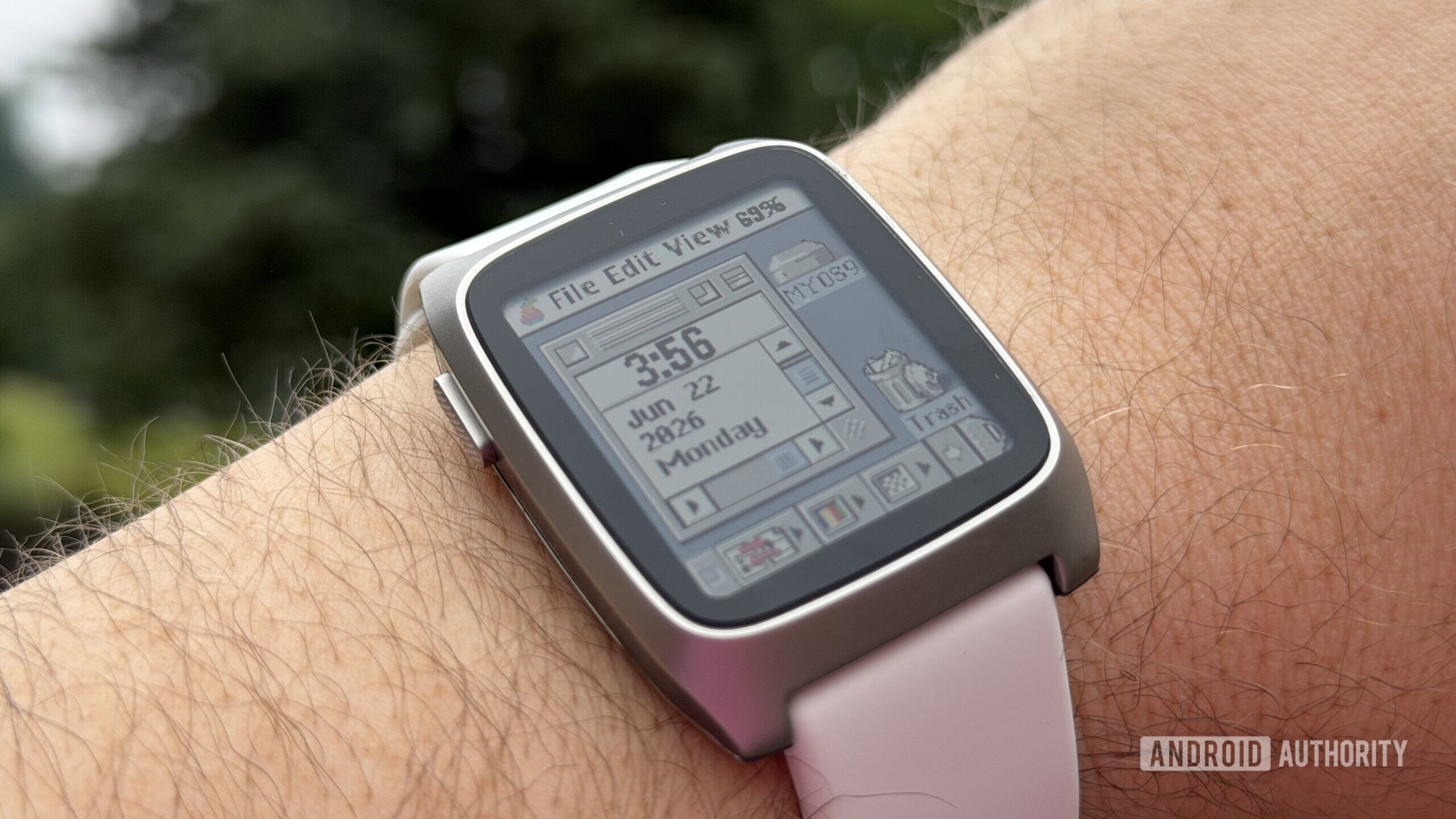
What makes the Pebble Time 2 situation so troubling is not a single spectacular failure, but a pattern of cracked screens during everyday use. One owner described wearing the watch for about two months, scratching their leg through jeans, hearing a crack, and then discovering a fractured display. Others report glass breaking while slipping a hand into a pocket, even with a screen protector fitted. That is the definition of smartwatch durability issues: routine contact and minor knocks that a wearable should handle without drama. A watch is meant to be worn while typing, driving, exercising, and commuting; bumps against desks, door frames, and bag straps are part of normal life. If users must tiptoe around their wristwear, the design has failed its basic brief, no matter how long the battery lasts or how light it feels.
Pebble’s Replacement Policy: A Rare Stand on Manufacturer Warranty Support
Initially, Pebble’s short 30‑day warranty paired with silence around the cracking reports made the situation look familiar: blame the user, hide behind policy, and move on. Instead, founder Eric Migicovsky did the opposite. Pebble confirmed it has received 51 cracked‑screen reports out of about 22,000 Pebble Time 2 units in customers’ hands, and every verified case has been replaced at no cost. According to Pebble’s own update, “we’ve only received 51 reports of this issue, roughly 0.25% of the entire batch,” yet around 330 replacement watches have already been shipped to customers. That is far beyond legal minimums and typical manufacturer warranty support, where physical damage is often brushed off as user error. Pebble is effectively admitting that if a watch cracks during normal wear, the burden belongs on the maker, not the person who bought it.
From Quality-Control Flaws to Ongoing Customer Service Standards
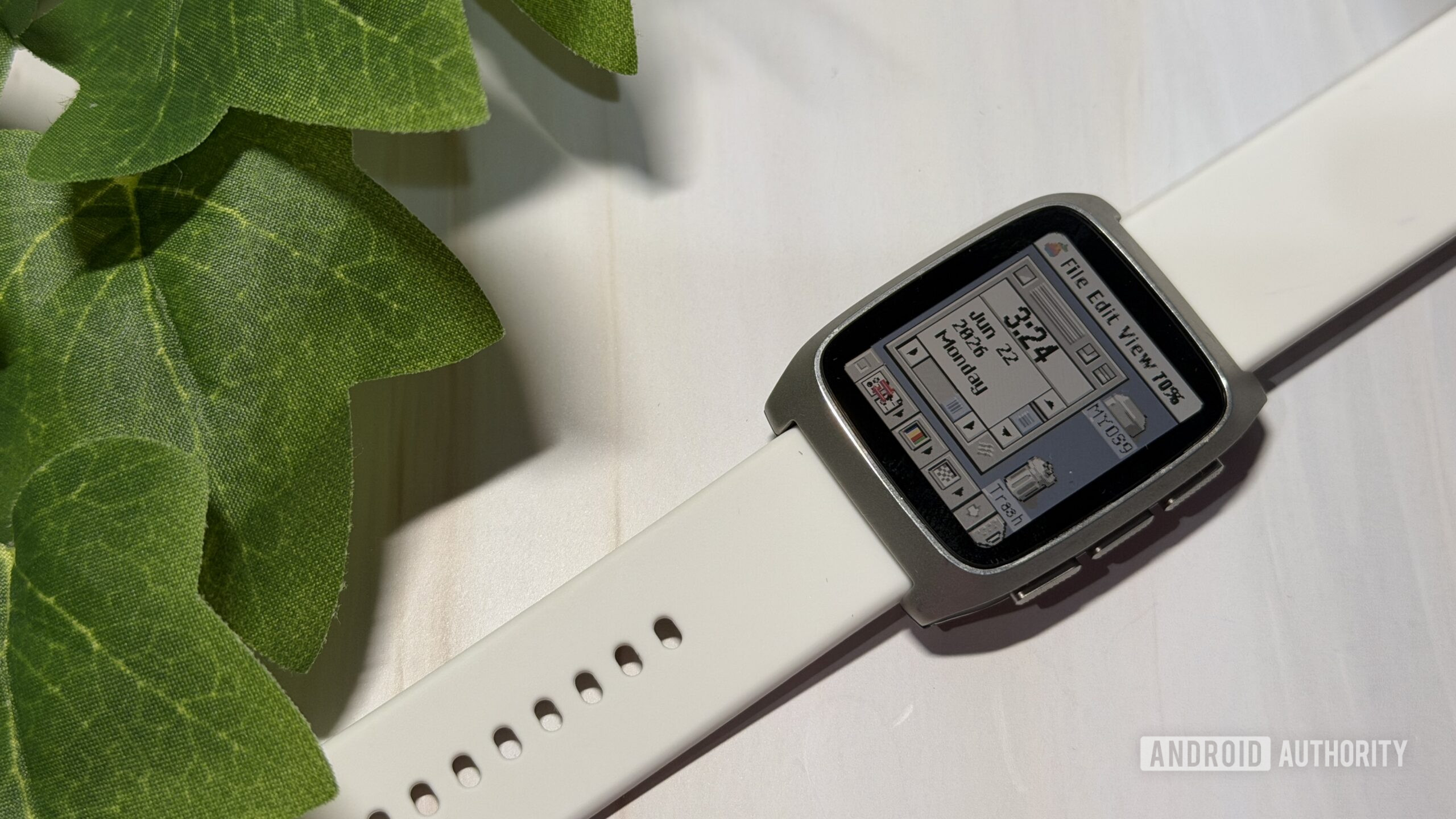
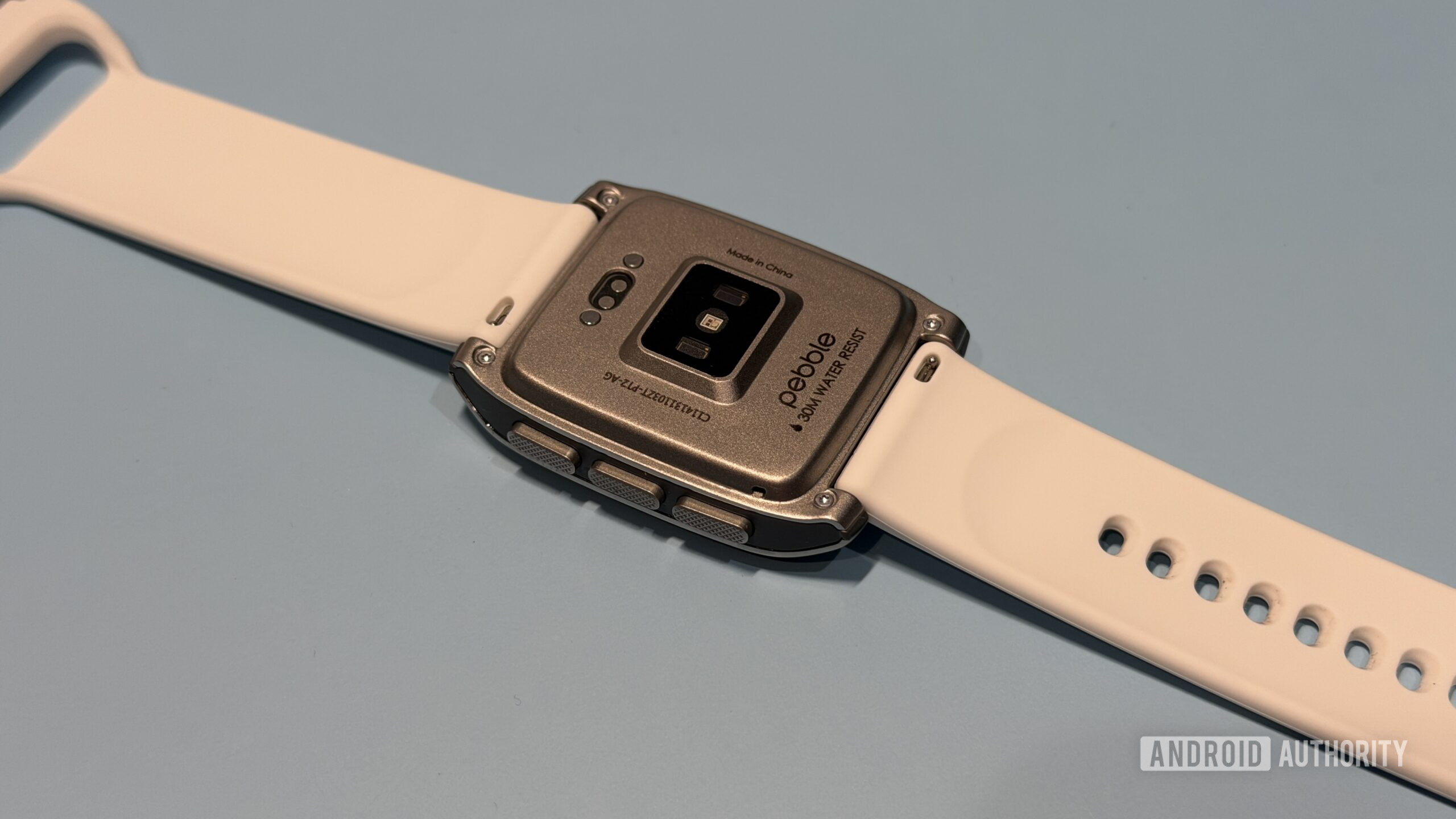
The cracked screens are not the only hardware headache. An early teardown found a missing retaining clip on one of the Time 2’s physical buttons, pointing to quality‑control issues, and also revealed a battery soldered directly to the motherboard, which makes future battery replacement more complex. Pebble has acknowledged button failures and poor battery life in a small number of units, introduced manufacturing changes, and tightened testing to reduce those faults in future runs. More telling than the fixes is the attitude: the company admits that hardware is imperfect, especially when much assembly is done by hand, but insists the focus is on reducing mistakes and taking care of customers when they appear. Pebble says it will keep replacing reasonable cracked‑glass cases for free “as long as we can,” then move to large discounts and sell full front display assemblies for self‑repair. That is customer service standards defined by long‑term responsibility, not warranty fine print.
What Pebble’s Move Says About the Future of Smartwatch Accountability
The Pebble Time 2 saga should make buyers rethink what they demand from wearables. A smartwatch that cracks while brushing against clothing exposes the gap between marketing promises and lived reality. But Pebble’s response proves that manufacturer accountability does not have to end at a short warranty window. If you experience a manufacturing‑related problem—cracked front glass, poor battery life, or other hardware faults—there is a strong chance Pebble will replace your watch for free once the issue is verified. Their stance stands out in a market where many companies defend the product first and the customer last. As shipments continue and preorders are fulfilled, Pebble’s approach should be a benchmark: when smartwatch durability issues surface, the measure of a brand is whether it treats failures as shared problems to fix, not as opportunities to hide behind policy.