
Snapdragon X2 vs Intel Panther Lake and AMD Zen 5: The New Balance of Power
This comparison looks at how ARM-based Snapdragon X2 laptops stack up against the latest Intel Panther Lake and AMD Zen 5 mobile processors in real-world workloads, including gaming, content creation, and business productivity, to help buyers decide which platform delivers the best mix of performance, battery life, and features for their needs. In short, Snapdragon X2 systems now offer desktop-class CPU performance that rivals or beats top-tier Intel and AMD mobile chips in many benchmarks, while traditional x86 machines still hold advantages in graphics and software compatibility. If you care most about battery life and thin-and-light design, ARM is finally a serious contender; if you play modern games or rely on niche Windows apps, Intel and AMD remain safer choices.
CPU and GPU Performance: Snapdragon X2 Benchmarks Against Intel and AMD
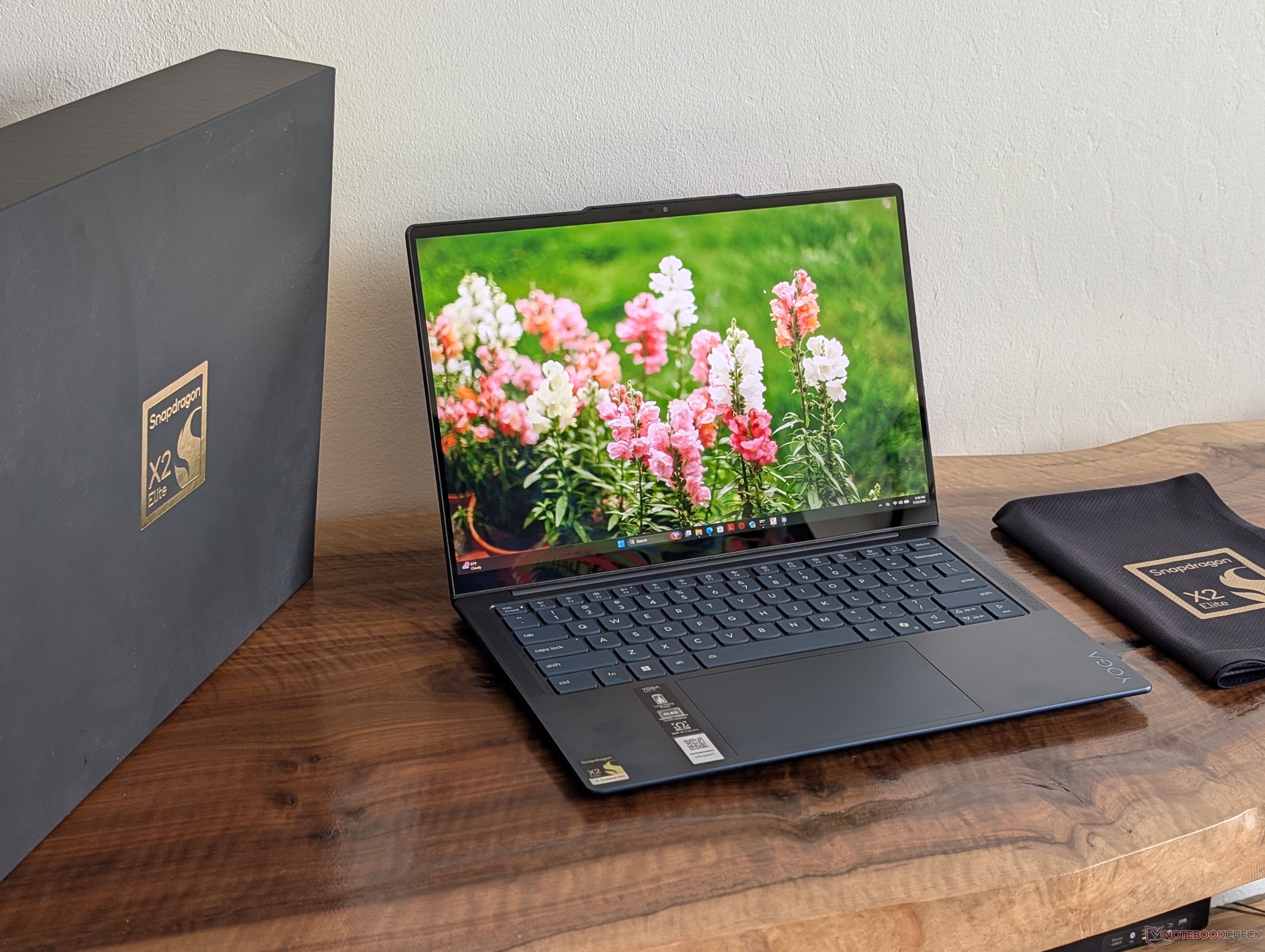
The Snapdragon X2 Elite Extreme in the Asus ZenBook A16 packs 18 cores—12 performance at 4.4 GHz and six efficient at 3.6 GHz—delivering outstanding single- and multi-core results. In Geekbench 6, it beats desktop-class Intel Core Ultra 7 265KF and Ryzen 9 9955HX in both single-core and multi-core tests, and even tops the Core Ultra 9 275HX mobile chip. Cinebench tells the same story: an X2 score of 151 single-core and 1391 multi-core outpaces a Panther Lake X9 388H laptop at 130 and 1173 respectively. That makes Snapdragon X2 performance a real competitor to x86 in CPU-heavy tasks. GPU performance is better than the original Snapdragon X generation but remains a shared caveat: the Adreno iGPU is still the weakest part of the package and game support can be inconsistent.
In integrated graphics workloads, Panther Lake still has an edge in demanding games, but the gap is narrower than before. In Baldur’s Gate 3 at 1080p Low, an Intel Core Ultra X7 358H with Panther Lake iGPU reaches 69.4 fps, while the Snapdragon X2 Elite Extreme in the ZenBook A16 manages 60 fps. At 1080p Medium, the same Intel system hits 58.5 fps versus 49.1 fps on the ZenBook A16. According to one review, “Battery life is exceptional—at least it is if all you’re doing is looping a video, at which it kept going for almost 17 hours,” highlighting how ARM trades a bit of gaming headroom for endurance and responsiveness.
Design and Windows ARM Experience: ZenBook A16 vs Surface for Business
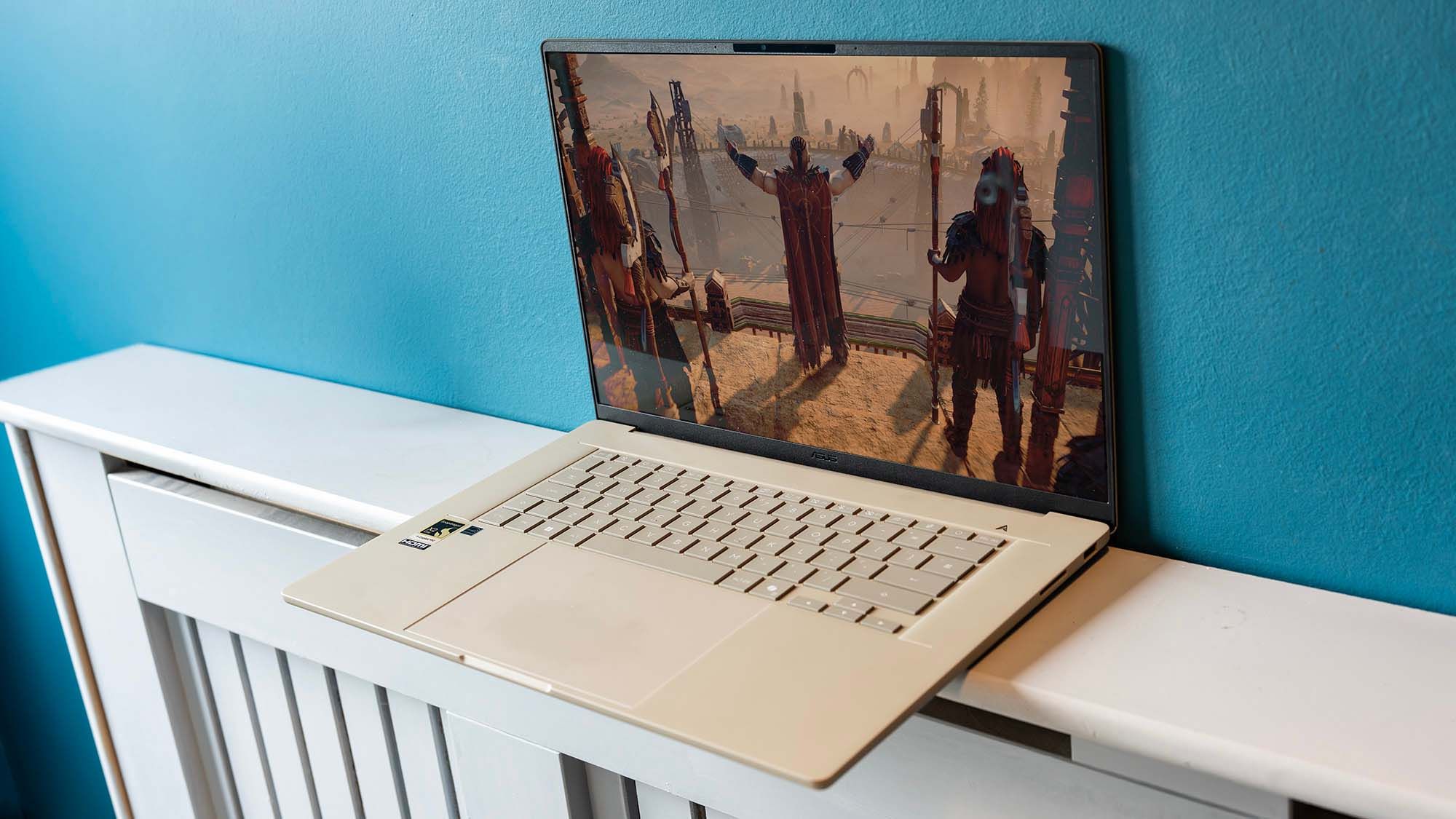
Snapdragon X2 laptops add value beyond raw performance through thin-and-light designs and improved Windows ARM performance. The ZenBook A16 uses a chassis material with a matte feel that keeps the 16-inch OLED system extremely light at around 1.2 kg while remaining stiff enough to be handled by the corner without compromising the trackpad. Combined with exceptional battery life—almost 17 hours of video playback in testing—this makes it ideal for mobile professionals who prioritise endurance and portability over maximum frame rates. All that single-core performance also yields a very responsive Windows experience, and any further optimisations such as Microsoft’s Low Latency Profile arriving on Windows on ARM would only enhance that snappy feel. If gaming is secondary and long battery life matters more, Snapdragon X2 performance is now compelling in day-to-day use.
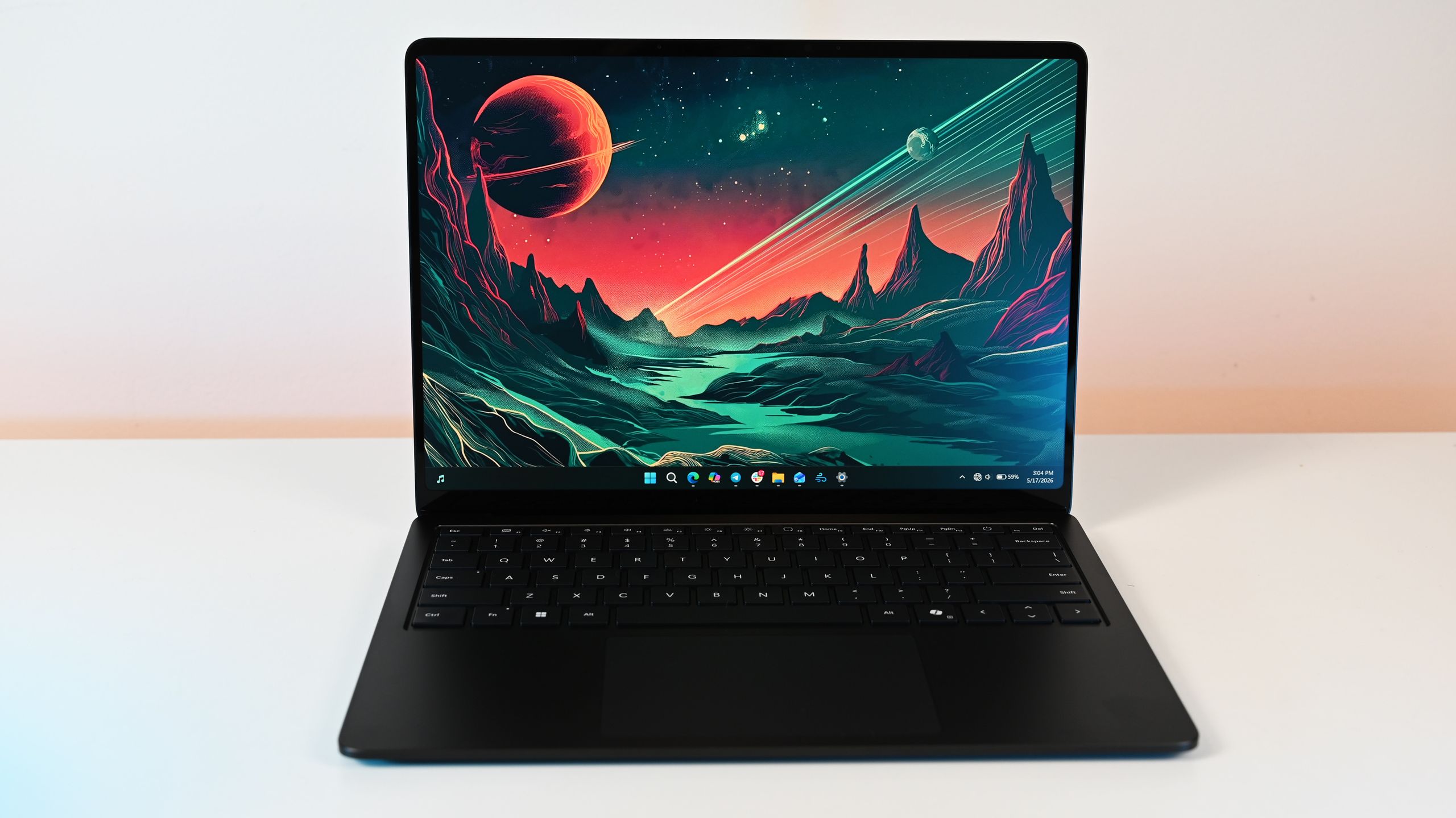
Business-focused Snapdragon X2 devices like Surface Laptop 8 for Business and Surface Pro 12 for Business layer corporate features on top of this ARM foundation. Both can ship with pre-installed Windows 11 Pro or Enterprise, giving IT departments familiar management tools on ARM hardware. The Surface Laptop 8 for Business stands out with a built-in privacy screen that obscures on-screen content when viewed from an angle, protecting sensitive data from prying eyes without needing third-party filters. It also includes a haptic trackpad that lets you feel feedback from the operating system and supported apps as you drag files or perform actions. Most of these features are tuned for business, and the sources note that many consumers are unlikely to use them, meaning you may pay for extras you do not need unless that privacy screen is essential.
Spec Snapshot: ARM vs Intel Mobile in a Gaming Benchmark
Hard numbers help clarify the current ARM vs Intel mobile debate. In the popular RPG Baldur’s Gate 3, Snapdragon X2 and Panther Lake systems deliver broadly similar experiences at modest settings, with Intel still ahead but not by a vast margin. The table below compares one Snapdragon X2 laptop and one Panther Lake machine using the same resolution and presets to give a concrete laptop processor comparison in a real game.
| Spec | Snapdragon X2 Laptop (ZenBook A16) | Intel Panther Lake Laptop (MSI Prestige 16 AI) |
|---|---|---|
| CPU & GPU | Snapdragon X2 Elite Extreme, Adreno X2-90 iGPU | Core Ultra X7 358H, Arc B390 12 Xe3 iGPU |
| 1080p Low Average FPS (Baldur’s Gate 3) | 60 fps | 69.4 fps |
| 1080p Medium Average FPS (Baldur’s Gate 3) | 49.1 fps | 58.5 fps |
| Battery Life Comment | Looped video playback for almost 17 hours | Not specified in sources |
| Approximate Price | USD 2,200 (approx. ₱123,200) | Not specified in sources |
These figures show that Windows ARM performance on Snapdragon X2 is strong enough for smooth gameplay at lower settings, though integrated Panther Lake still offers higher frame rates. For many players, that difference decides whether medium settings feel comfortable, while productivity users may prefer the ARM system’s battery and thermals. The quoted price of the ZenBook A16 at USD 2,200 (approx. ₱123,200) underscores that you are paying premium money for cutting-edge ARM silicon, a high-end OLED panel, and extraordinary battery life rather than top-tier gaming performance.
Buy if / Skip if
- Buy the Snapdragon X2 Asus ZenBook A16 if gaming is of secondary importance and you want a thin, light productivity laptop with exceptional battery life and strong CPU performance.
- Skip the Snapdragon X2 Asus ZenBook A16 if you like to play games on more than medium settings, because the Adreno iGPU is still the weakest part of the package and some titles have limited support.
- Buy the Snapdragon X2 Surface Laptop 8 for Business if you need Windows 11 Pro or Enterprise with a built-in privacy screen and haptic trackpad on a modern ARM platform.
- Skip the Snapdragon X2 Surface Laptop 8 for Business if you are a general consumer unlikely to use business management tools, because you may be paying for unneeded features unless the privacy screen is a must-have.
- Buy an Intel Panther Lake or AMD Zen 5 laptop if integrated GPU gaming performance and broad software compatibility across legacy Windows apps matter more than battery life and ARM experimentation.
- Skip an Intel Panther Lake or AMD Zen 5 laptop if you prioritise long unplugged use, very light designs, and are comfortable with the maturing Windows on ARM ecosystem offered by Snapdragon X2 systems.