
Zen 6: A Generational Leap, Not a Modest Refresh
AMD Zen 6 processors are the company’s upcoming sixth-generation x86 CPUs, confirmed to debut at the Advancing AI conference and previewed in recent Geekbench leaks, which together suggest notable single-threaded and multi-threaded performance gains over Zen 5 and mark a strategic step in AMD’s effort to improve x86 computing while expanding its AI-focused hardware portfolio. This is not a quiet, incremental refresh. The numbers indicate that AMD is aiming for a clear generational jump in everyday compute workloads and multi-core tasks. With launch dates now locked in and engineering samples already surfacing, the conversation has shifted from speculation about timing to hard questions about how much performance AMD can deliver and whether Zen 6 can reshape expectations for high-end workstations and gaming rigs.
What the Medusa Point Benchmarks Really Tell Us
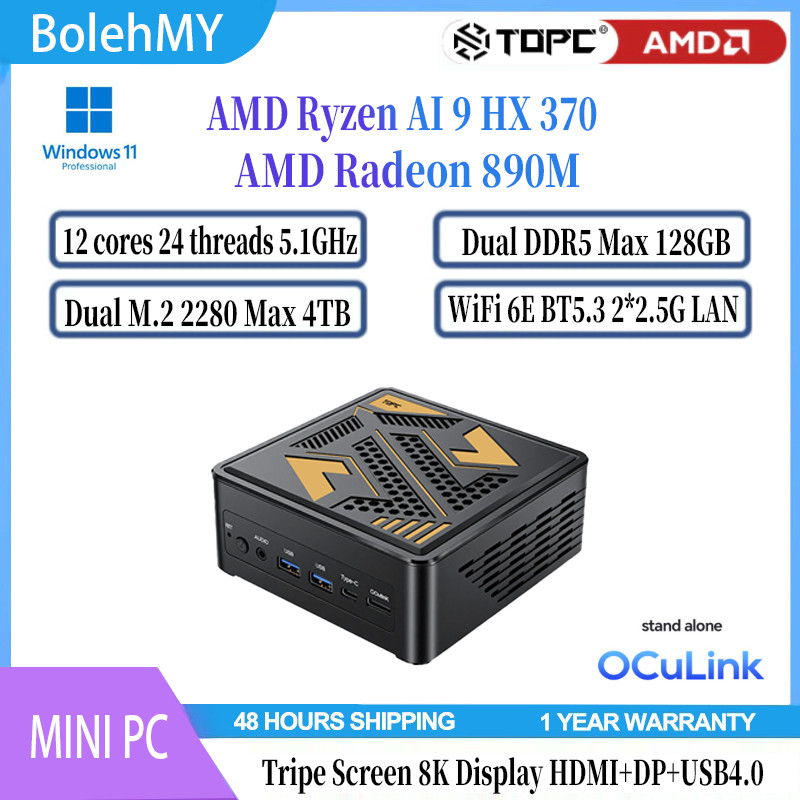
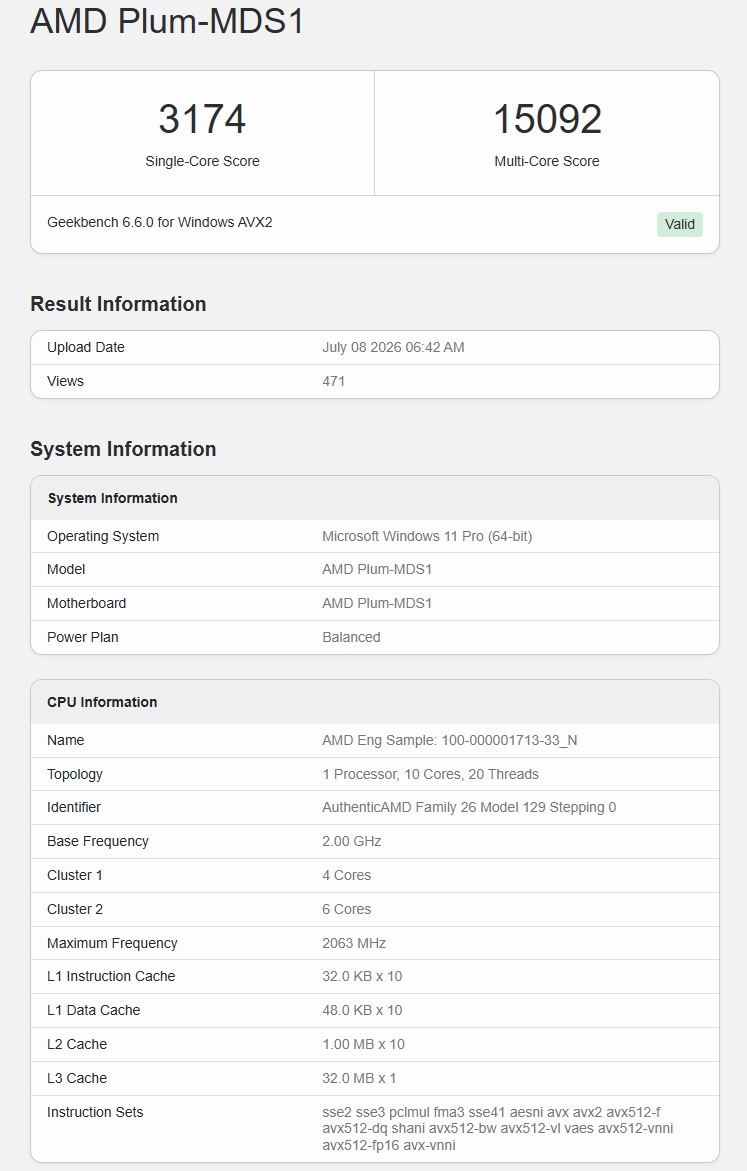
The clearest next-gen CPU benchmarks so far come from a chip labeled “AMD Plum-MDS1”, an engineering sample tied to the Medusa Point family. It combines four Zen 6 cores with six Zen 6c cores for 10 total cores, mirroring the core count of the current Ryzen AI 9 HX 370 based on Zen 5 Strix Point. In Geekbench 6.6, that Zen 5 chip scores 2605 in single-threaded and 13397 in multi-threaded tests, while Medusa Point reaches 3174 and 15092, respectively, translating to a 21.8% single-thread and 12.6% multi-thread uplift. That is the kind of jump that usually only happens when architecture and clocks both move forward. One quotable data point stands out: “This gives AMD’s new Zen 6 CPU a 21.8% single-threaded and 12.6% multi-threaded advantage.” For an early sample, this is a loud statement.
| Spec | Zen 5 Ryzen AI 9 HX 370 | Leaked Zen 6 Medusa Point | |
|---|---|---|---|
| Core configuration | 10 cores (Zen 5) | 4 Zen 6 + 6 Zen 6c (10 cores total) | |
| Geekbench 6.6 single-thread score | 2605 | 3174 | |
| Geekbench 6.6 multi-thread score | 13397 | 15092 | |
| Single-thread uplift | Baseline | 21.8% higher than Zen 5 sample | |
| Multi-thread uplift | Baseline | 12.6% higher than Zen 5 sample |
AMD’s Strategy: Keep x86 Central, Add AI Muscle
AMD’s decision to reveal Zen 6 at its Advancing AI 2026 conference on July 22–23 shows where it thinks the battle is now being fought: at the intersection of classic x86 workloads and AI-heavy compute. Executive Vice President and CTO Mark Papermaster framed Zen as a long game, pointing out that the architecture has now reached its sixth generation since 2017 and that x86 computing remains central to enterprise infrastructure. Enterprise customers have spent decades building software stacks around x86, so AMD is not trying to replace that model; instead Zen 6 is designed to “further optimize standalone x86 workloads while complementing AMD’s expanding portfolio of AI-focused hardware.” That is AMD’s bet: keep the familiar CPU at the heart of servers, desktops, and workstations, while surrounding it with accelerators and platforms tuned for AI and data-heavy tasks.
Why These Early Numbers Matter for High-End Buyers
A 20-plus percent jump in single-thread performance is not just a tidy line in a slide deck; it can reorder CPU rankings in many real workloads. Even without architectural details, the leaked data signal that Zen 6 could bring meaningful gains to any high-end workstation or gaming build that depends on strong per-core performance and solid scaling across many threads. The Geekbench result also hints at larger L3 cache—32 MB detected versus 24 MB on Strix Point—alongside new instructions such as AVX-512-fp16, though the exact cache reporting may not be perfect. If retail silicon matches or exceeds these early scores, system integrators will have a compelling reason to view Zen 6 as the default choice for next-gen premium rigs, assuming platform costs and availability cooperate. The competitive stakes in client and server markets make this uplift more than a curiosity; it is a strategic weapon.
Looking Ahead to Advancing AI: Expect Clarity, Not Hype
With AMD’s processor launch confirmed for the Advancing AI 2026 event at Moscone Center West in San Francisco, the leaks now set a baseline for expectations rather than hype. The conference is an annual gathering for developers, enterprise customers, partners, and the wider tech industry, and this year AMD is expected to introduce new CPU, GPU, AI accelerator, and platform technologies across several segments. Zen 6 is widely expected to anchor future Ryzen desktop, EPYC server, and workstation products, even if AMD has not formally named those families yet. The company has said that more technical information will be shared during the keynote, and given the intensifying competition in both client and server CPU markets, this event is poised to be one of AMD’s most important launches of the year. The leaked next-gen CPU benchmarks have already set a high bar; now AMD has to clear it on stage.