
Leaks Point to a Hardware-Centric Fix for Samsung’s Smartwatch Weaknesses
Samsung’s upcoming Galaxy Watch 9 and Galaxy Watch Ultra 2 are new smartwatches whose leaked specifications highlight larger batteries, a new chipset, and familiar designs, all aimed at improving endurance and performance while keeping the overall aesthetic consistent with previous Galaxy Watch generations. That focus is important. Earlier Galaxy Watches have been competent but often criticized for battery life and efficiency compared with rivals. These leaks, arriving days before Samsung’s July 22 Unpacked event, suggest the company is finally treating those complaints as core product problems instead of side notes. Rather than chasing radical new designs, Samsung appears to be betting that smarter internals—bigger batteries, a new processor, and updated software—are what will move its wearables from “good enough” to compelling upgrades for existing owners.
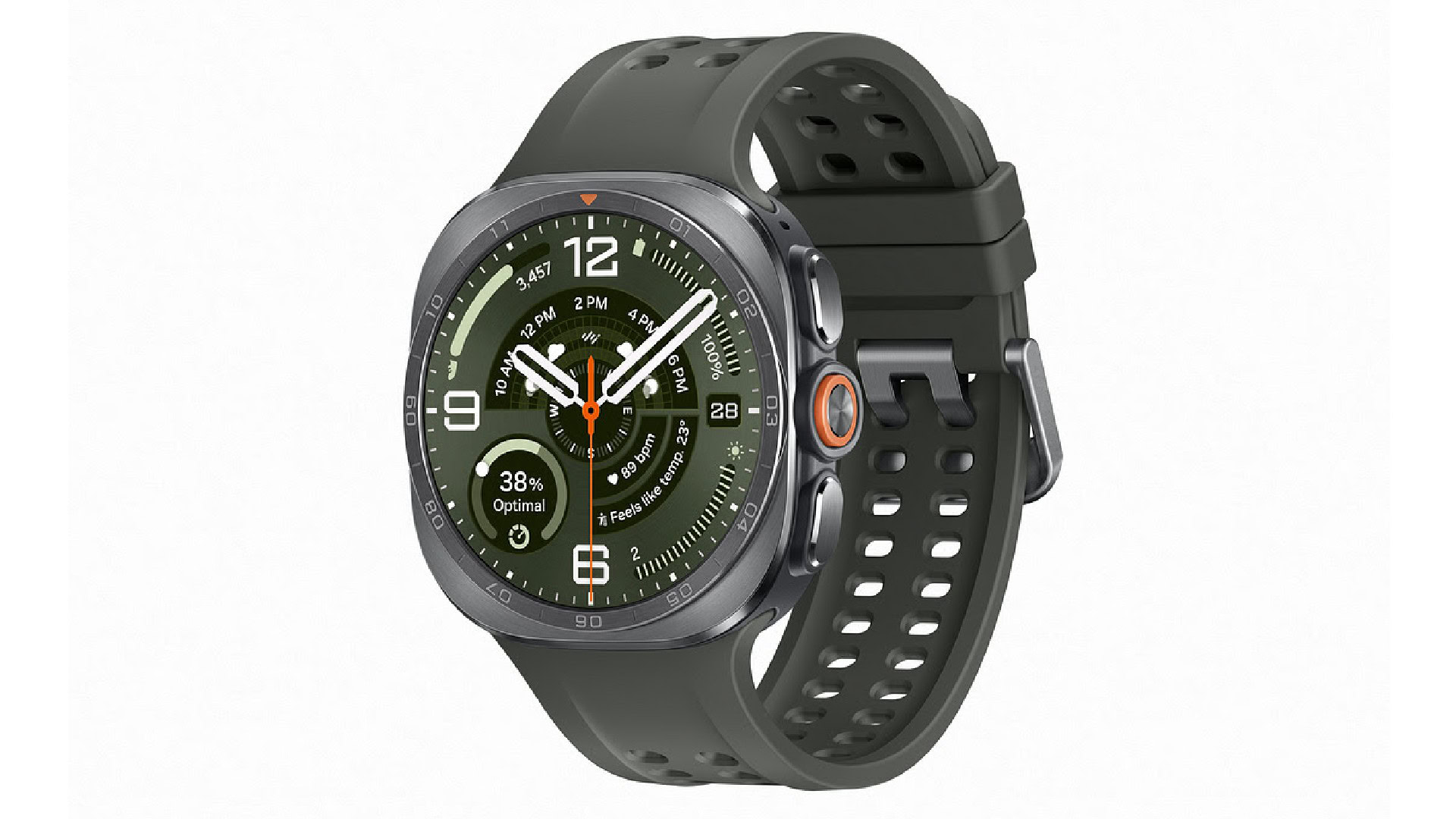
Galaxy Watch 9 Specs: Incremental Design, Meaningful Internal Gains
The leaked Galaxy Watch 9 specs describe a familiar, round smartwatch in 40mm and 44mm sizes, with 1.3-inch 438 x 438 and 1.5-inch 480 x 480 displays respectively. Aluminum frames, 5 ATM water resistance, and optional LTE keep the design firmly in the mainstream Samsung mold rather than chasing extreme-sport styling. The real story is inside. Both models reportedly use Qualcomm’s Snapdragon Wear Elite SW6100 chip, replacing Samsung’s own Exynos W1000. That shift is not cosmetic; it signals Samsung’s willingness to trade homegrown silicon pride for the promise of better efficiency and smoother Wear OS 7 with One UI 9 Watch. With 2GB of RAM, 32GB of storage, Bluetooth 6.0, NFC, and dual-band Wi‑Fi across the line, Samsung seems intent on eliminating performance bottlenecks that made past Galaxy Watches feel fast on day one and sluggish months later.
Galaxy Watch Ultra 2 Leak: Battery Muscles and Premium Ambition
If the standard model is about sensible upgrades, the Galaxy Watch Ultra 2 leak reads like Samsung flexing. The 47mm watch allegedly uses a 1.5-inch 480 x 480 display, a titanium frame, and a 10 ATM water‑resistance rating. The headline change, though, is the battery: an 800mAh cell versus the current Ultra’s 590mAh, a rare, unambiguous leap in a category where gains are usually incremental. In plain terms, "the Galaxy Watch Ultra 2 is expected to reach 800mAh capacity, a significant jump from the 590mAh battery on its predecessor." Pair that with the same Snapdragon Wear Elite SW6100, 2GB of RAM, and 64GB of storage, and the Ultra 2 looks like Samsung’s statement piece for people who care more about staying on wrist for days than shaving off millimeters of thickness. Reports of up to 5,000‑nit peak brightness further reinforce the idea that Ultra is being positioned as a multi‑day, all‑conditions workhorse rather than a fashion accessory.
Battery and Chip Upgrades Directly Target Longstanding Pain Points
The most encouraging part of these leaks is how clearly they address known gripes. Battery capacity across the range is no longer static: the 44mm Galaxy Watch 9 jumps to 445mAh—matching the previous Classic—while the Ultra 2’s 800mAh pack dwarfs both its own predecessor and most mainstream wearables. In contrast, the 40mm Watch 9 holds at 325mAh, indicating Samsung is willing to leave one size more conservative on battery to keep weight and comfort in check. Combined with the chipset switch, these are not decorative specs. According to WinFuture, the move to Snapdragon Wear Elite SW6100 is “the big change” for this generation, because it underpins both performance and efficiency gains instead of being a mere branding swap. If Wear OS 7 and One UI 9 Watch are tuned to these internals, Galaxy Watch owners might finally see the day‑to‑day reliability they’ve been asking for, not just new watch faces and health metrics.
Pricing Signals Samsung’s Confidence in Its Smartwatch Overhaul
The emerging price picture suggests Samsung believes these upgrades justify a firm, premium stance. Leaks point to the Galaxy Watch 9 starting at €409 (USD 468, approx. ₱26,200) for the 40mm Bluetooth model, rising to €459 (USD 525, approx. ₱29,400) for LTE. The 44mm versions reportedly begin at €439 (USD 502, approx. ₱28,100) for Bluetooth and €489 (USD 560, approx. ₱31,400) for LTE, while the Galaxy Watch Ultra 2 LTE lands at a steep €749 (USD 857, approx. ₱48,000). Those numbers, partially corroborated by multiple leaks, show Samsung is not chasing budget buyers; it is betting that fixing battery life, upgrading chips, and adding stronger materials and water resistance will make these watches feel worth flagship phone money. With Unpacked on July 22, we will soon see whether real‑world endurance and performance match the spec sheet—and whether users agree that these upcoming smartwatch upgrades are worth the asking price.