
The RTX 3060 Comeback: A VRAM Play, Not Pure Nostalgia
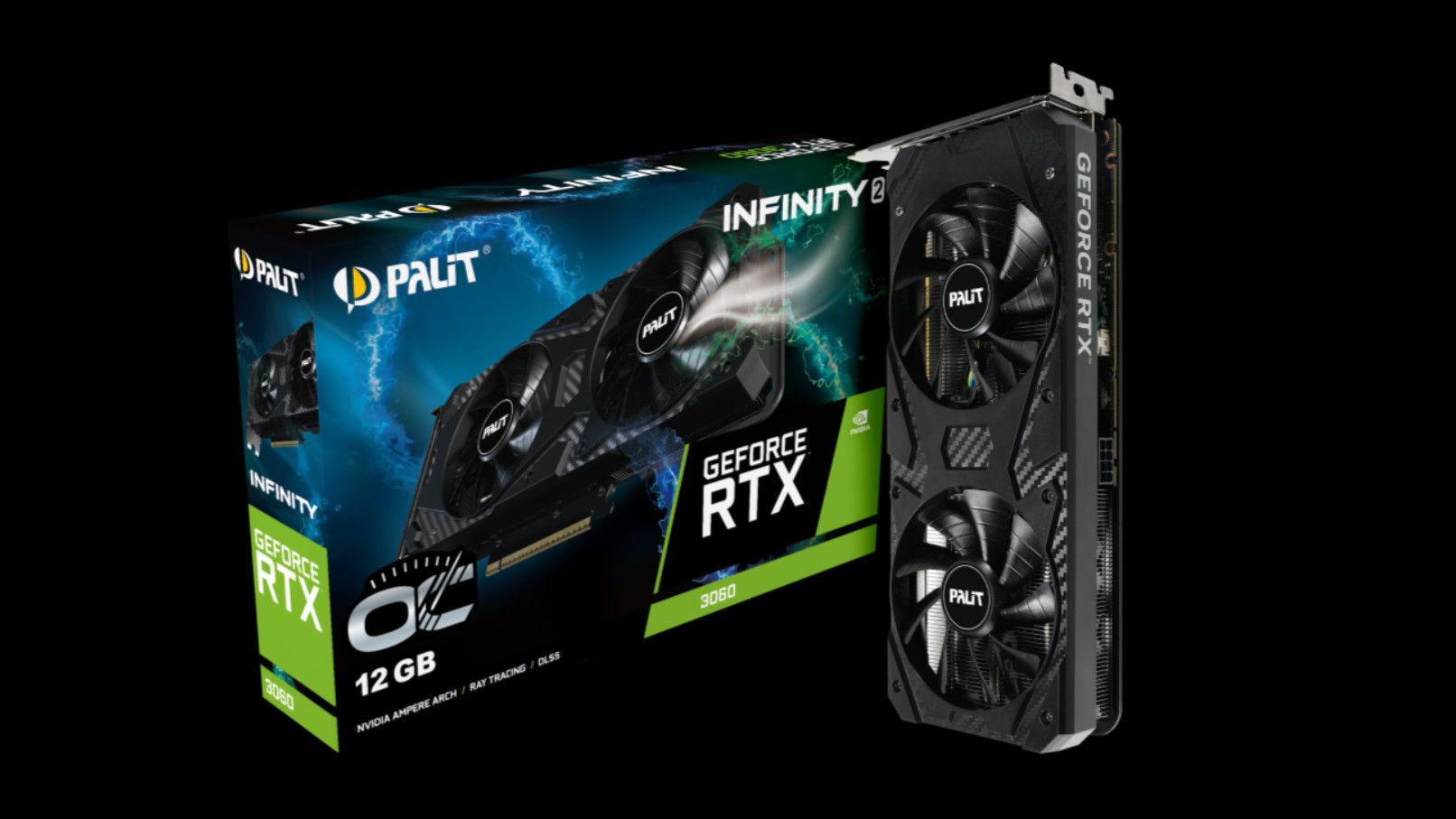
The current RTX 3060 comeback refers to manufacturers relaunching this previous-generation graphics card with 12GB of GDDR6 video memory as a budget-friendly alternative in a RAM-starved market, positioning it as a midrange option that offers more VRAM than many newer cards while avoiding the supply constraints and costs tied to cutting-edge GDDR7 components. This is not a sentimental revival; it is a tactical response to a graphics card shortage driven by a wider RAM crisis, where memory prices and availability are distorting the usual upgrade path. Palit’s new GeForce RTX 3060 Infinity 2 OC, marketed as “the return of a classic,” is the clearest signal of this trend. By packing 12GB GDDR6 into a dual-fan design and promising “dependable performance without the premium price tag,” Palit is leaning hard on the appeal of an affordable 12GB VRAM GPU. The core question isn’t whether the card is capable—it’s whether the budget GPU revival offers genuine value compared with leaner, faster current-gen boards.
RAM Crisis and Supply Chains: Why Old GPUs Look New Again
The RTX 3060’s resurrection is a direct consequence of a RAM crisis that has reshaped the GPU business from the bottom up. Current-generation cards rely heavily on GDDR7, a memory standard that is more expensive and harder to deploy at scale for lower-end products. Past-gen GPUs like the RTX 3060, however, use GDDR6, drawing on a different supply chain that can still support 12GB VRAM configurations without blowing up costs. In a “RAM-starved climate,” manufacturers face a harsh trade-off: either ship entry-level cards with limited VRAM, or reach back to proven architectures that can carry more memory at the so-called cheaper end of the market. Due to cost issues, stacking GDDR7 in genuinely budget cards—think designs with 16GB VRAM—is described as “a lot less tenable.” Instead of building new silicon tailored to this squeezed segment, the industry is repackaging older designs, betting that extra VRAM will trump generational performance in the eyes of frustrated buyers.
12GB VRAM vs Newer Silicon: Where the RTX 3060 Still Makes Sense
On paper, the Palit RTX 3060 Infinity 2 OC targets users who care more about VRAM headroom than raw frame rates. It offers 12GB of GDDR6, a configuration many gamers prioritize and that can support heavier textures, higher-resolution assets, and more demanding modern workloads without stuttering. The card’s popularity backs this up: the RTX 3060 still ranks second on the June Steam hardware survey, evidence that plenty of people find its performance and memory balance adequate for their needs. Yet the trade-off is plain. Newer cards like the RTX 5060 typically deliver higher throughput, more advanced features such as DLSS 4, and better efficiency—despite shipping with only 8GB VRAM. For users focused on high-refresh competitive gaming or modern rendering features, the older architecture is a compromise. For those whose workloads are constrained by VRAM rather than core speed, the 12GB VRAM GPU can still look attractive, especially in a budget GPU revival where every gigabyte feels scarce.
The Pricing Problem: Value or Recycled Inventory?
The uncomfortable reality is that this RTX 3060 comeback only makes sense if pricing does. Right now, that’s far from guaranteed. According to one analysis, “the RTX 3060 might have 12GB of VRAM at a relatively affordable price point, but looking at current pricing in the US as an example, it’s not meaningfully cheaper than the RTX 5060 with 8GB,” which is described as only “just over 5% more expensive.” At that kind of gap, the 12GB card starts to look like recycled inventory, not a compelling deal. These resurrected GPUs are being framed as solutions to the graphics card shortage, but they risk feeling like stopgaps that shift stock rather than solve user pain. A 12GB VRAM GPU that trails in performance yet hovers near current-gen prices undercuts the entire budget pitch. If manufacturers want the RTX 3060 comeback to be seen as consumer-friendly, they must widen that price delta, not hide behind the word “classic.”
What Budget Builders Should Watch for in the RTX 3060 Revival
For ordinary users, the practical impact of this budget GPU revival is a more complicated buying decision, not an automatic win. Gamers and builders facing a graphics card shortage now have an extra option on store shelves, but it’s one that demands scrutiny of both VRAM and price. A resurrected RTX 3060 with 12GB GDDR6 can be a smart pick only if it undercuts current-gen 8GB cards by a clear margin and you know your workloads are VRAM-limited. The lesson is simple: treat these revived GPUs as tactical tools, not time machines. Check whether the extra memory will matter for your games or applications, then compare performance and features against modern alternatives. At this stage, “It’s sad that the RAM crisis has forced us to this point,” but buyers do not have to accept nostalgia as a substitute for value. The RTX 3060 comeback is useful pressure on the low end of the market—if you insist that manufacturers price it like the budget solution they claim it to be.