
Performance-to-portability: what this battle is really about
The real-world trade-off between performance and portability in RTX 5090 and RTX 5080 gaming laptops is about how much weight, fan noise, and battery compromise enthusiasts accept to reach desktop-class frame rates in a mobile form factor, and which designs convert that raw silicon into playable, comfortable gaming sessions rather than benchmark bragging rights alone. Flagship gaming laptops 2025 are no longer about asking “how fast?” but “at what cost to size, thermals, and unplugged use?” The answer varies wildly across today’s top machines. The Gigabyte Aorus Master 16 Gen 2 pushes the RTX 5090 to its limits in a slim 16‑inch shell, while the MSI Raider 18 HX leans into brute-force RTX 5080 portable performance with an 18‑inch screen that barely qualifies as mobile. Asus’ new ROG Strix G16 2026 and RTX 5070-based options aim to rein in the excess, showing that balance—not headline specs—defines the best high-end gaming notebook comparison.
Gigabyte Aorus Master 16 Gen 2: full RTX 5090, limited freedom
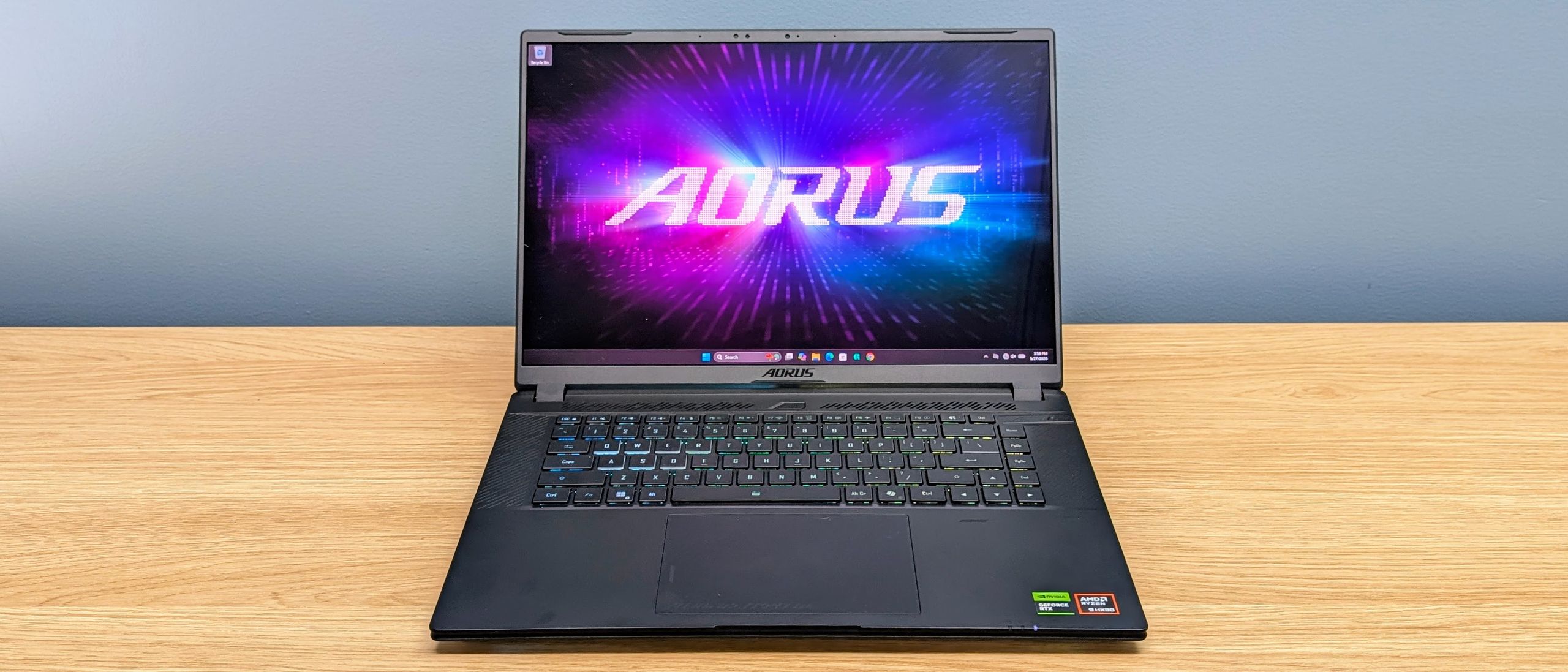
If you want an RTX 5090 gaming laptop that behaves like a desk-bound GPU, the Aorus Master 16 Gen 2 is the bluntest instrument in this group. It drives the RTX 5090 at up to 175W for extended periods, delivering the speed its high-end hardware promises. In gaming tests, it can be up to 35% faster than RTX 5080 laptops, particularly when ray tracing and 24GB of VRAM come into play. That is the definition of no-compromise performance in a 16‑inch machine. But the price of that performance is paid in every other part of the experience. Battery life is weak: web browsing barely cleared 2.5 hours, and video playback stayed under four hours despite a large 99Wh pack. Fan noise is harsh and high-pitched, making full-load sessions intrusive even by gaming laptop standards. At USD 4,299 (approx. ₱252,000) for the tested configuration, this RTX 5090 gaming laptop is closer to a movable desktop than a portable rig—and you need to be comfortable with that.
MSI Raider 18 HX: RTX 5080 portable performance that forgets portability
The MSI Raider 18 HX is the poster child for RTX 5080 portable performance that has outgrown the word “portable”. It combines Intel’s Core Ultra 9 285HX with an RTX 5080 and a huge 18″ QHD+ 240Hz display. That hardware is “nuclear-level punching power” for games and heavy work like 4K editing, simulations, and AI workloads. On the other hand, the RTX 5080 is built for 4K gaming, but with a QHD+ panel you can chase extremely high frame rates and lean on upscaling. The problem is that this is closer to a compact tower than a laptop in spirit. The sheer size and weight undermine the idea of mobility, and at USD 3,467.98 (approx. ₱203,000) on offer, it is very heavy on the pocket. In practice, the Raider 18 HX is perfect for someone who wants an all-in-one replacement for a gaming desktop but rarely needs to move it far. If you care about fitting your rig in a standard backpack, look elsewhere.
Asus ROG Strix G16 2026: chasing balance instead of bragging rights
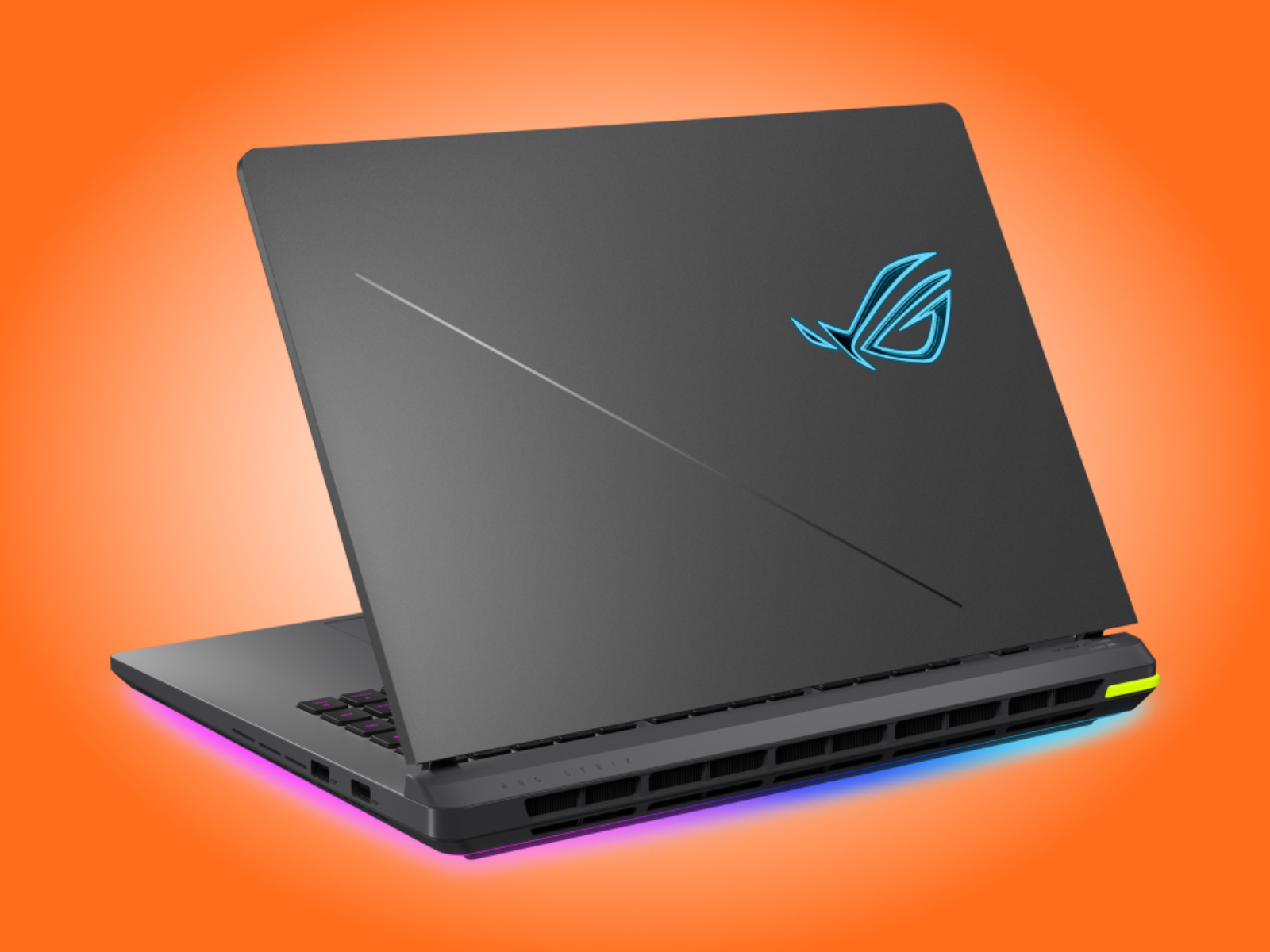
Asus’ latest ROG Strix G16 takes a more measured approach, aiming to balance performance with battery life and screen quality instead of chasing pure benchmark dominance. The headline upgrade over the 2025 edition is a 300Hz 1600p IPS display that hits its peak refresh rate when the dGPU runs in Ultimate mode, dropping to 240Hz otherwise. That’s still overkill for most players, but it acknowledges that sustained high frame rates matter more than marketing numbers. Under the hood, configurations scale from RTX 5060 up to RTX 5080, with mid-range RTX 5070 variants sitting in a practical sweet spot on price and capability. Pricing starts at £2,599 for one of the RTX 5070 models, reinforcing the point: this is for people who want fluid, competitive gameplay and a 90Wh-class battery rather than maximum TDP bragging rights. In the flagships arms race, the Strix G16 2026 looks like the grown-up option—the one built for long sessions off the charger, not headline-grabbing peak power.
The smarter buy: stop chasing the last 20% of frames
Across these machines, one pattern stands out: the closer a laptop gets to desktop-class performance, the more it abandons the fundamentals that matter when you are away from a wall socket. The Aorus Master 16 Gen 2 proves that a full-power RTX 5090 can live in a 16‑inch chassis—but its fan noise and poor battery life are clear warnings. The MSI Raider 18 HX shows how RTX 5080 portable performance can be spectacular, but its size and price drag it back toward being a stationary device. Meanwhile, the more balanced design of the ROG Strix G16, particularly in RTX 5070 configurations, underlines a simple truth: most players are better off giving up the last 20–30% of frames for quieter, lighter, and longer-lasting hardware. In a high-end gaming notebook comparison, the “best” flagship isn’t the one that wins every benchmark. It’s the one you still enjoy carrying and using a year later—and that probably means skipping the most extreme configs altogether.