
Cuffless blood pressure trackers: what they are and why they matter
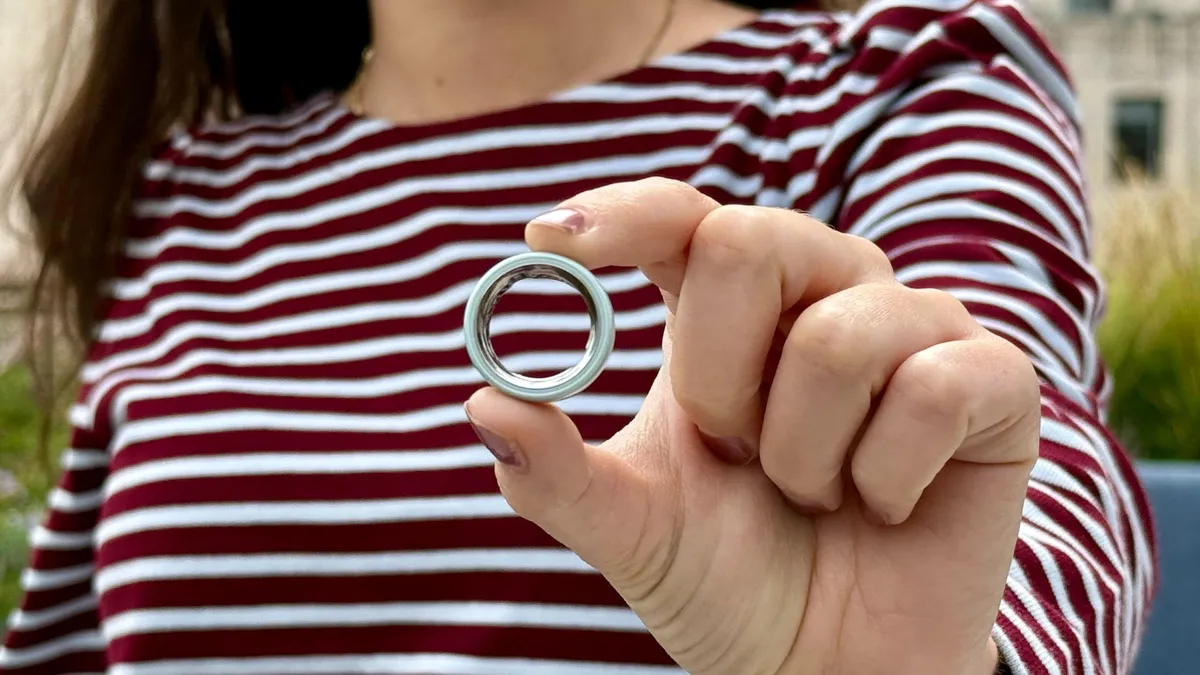
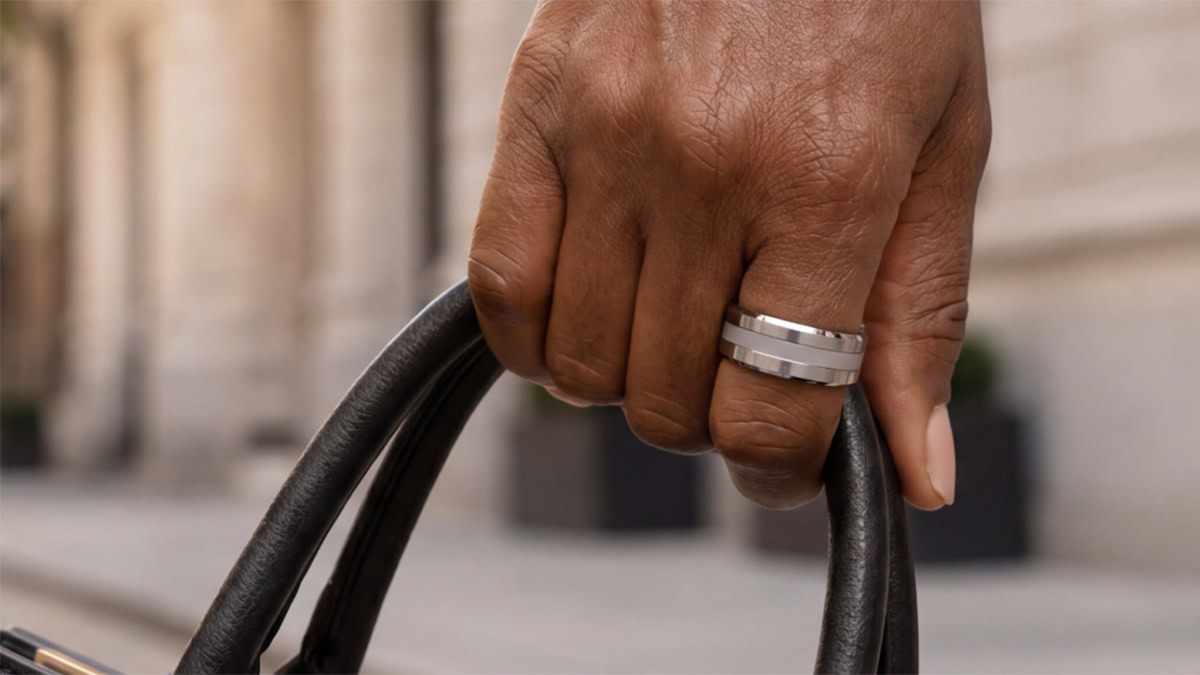
A cuffless blood pressure tracker is a wearable device that estimates systolic and diastolic pressure from sensors on your skin, aiming to replace traditional arm cuffs with more frequent, passive readings throughout the day and night for trend-based insights. That is the promise behind the Vital Signals Signal Ring, a $399 (approx. ₱22,300) smart ring that claims to deliver direct blood pressure readings straight from your finger and “completely bypassing the need for a traditional, bulky arm cuff.” In theory, this moves blood pressure monitoring from an occasional chore to a continuous background vital sign, creating a new class of blood pressure monitoring wearables that compete not only with home cuffs but also with smartwatch-based estimations and trend-only smart rings.
Signal Ring vs traditional cuffs: convenience wins, proof lags
On convenience, the Signal Ring walks all over traditional cuffs. Traditional home monitors demand a seated posture, a wrapped arm, and a conscious decision to take a reading. By contrast, Vital Signals says the ring tracks fluctuations throughout the day and can capture automatic readings overnight, then display those readings in graphs so users can monitor trends. This turns smart ring blood pressure tracking into something you wear, forget, and later review. But ease is not the same as reliability. The ring’s tall medical claims still need real-world scrutiny and, crucially, regulatory clearance. Until accuracy is proven against medical-grade cuffs, a cuffless blood pressure tracker is a useful companion, not a replacement, for anyone who lives with hypertension or needs clinically trusted numbers.
How rings stack up against smartwatches and other wearables
The Signal Ring is entering a crowded field of blood pressure monitoring wearables, and its big swing is promising direct systolic and diastolic numbers, not vague “vascular trends.” Other smart rings still lean on trends, and many smartwatches use indirect estimations or require periodic cuff calibration. Here, the Signal Ring’s claim that it needs no cuff for setup or calibration is bold: it lowers the barrier to entry but raises the bar on Signal Ring accuracy expectations. According to a Bloomberg report cited by the company, the ring aims to make continuous hypertension monitoring as simple as wearing a wedding band. The problem is that without external validation, more granular data can give a false sense of precision. A neat graph of incorrect numbers is worse than a sparse log of reliable cuff readings.
Data, ecosystems, and the trust gap
Health data is only useful if it fits into your broader health ecosystem. The Signal Ring can sync with Apple Health on iPhone and Google Health on Android, which is a strong start for interoperability. But your blood pressure results depend on a data connection because processing happens in the cloud, a quiet limitation that matters if you travel, have spotty connectivity, or worry about latency and privacy. Meanwhile, the absence of FDA clearance is more than a legal footnote; it is a trust signal. Even the product’s own positioning concedes that these are “tall medical claims” that must stand up to real-world scrutiny. Until the ring earns medical-grade validation, it should be treated as a wellness device that complements, not substitutes for, validated tools your clinician recognizes.
So, can a smart ring replace your blood pressure cuff?
For now, the honest answer is no. The Vital Signals Signal Ring is an exciting proof of where smart ring blood pressure technology is heading: cuffless, continuous, and woven into everyday life at $399 (approx. ₱22,300). It is especially appealing if you want long-term trends, sleep-linked insights, and tighter integration with the health apps you already use. But replacement is a higher bar than convenience. Consumer trust in new blood pressure monitoring technology will hinge on regulatory approval and public, medical-grade validation of claims about Signal Ring accuracy. Until we see that, the sensible approach is hybrid: use a smart ring as an early-warning and lifestyle tool, then confirm important numbers with a traditional, clinically validated monitor before you or your doctor make decisions.