
Retro camera sales reveal a shift in what photographers value
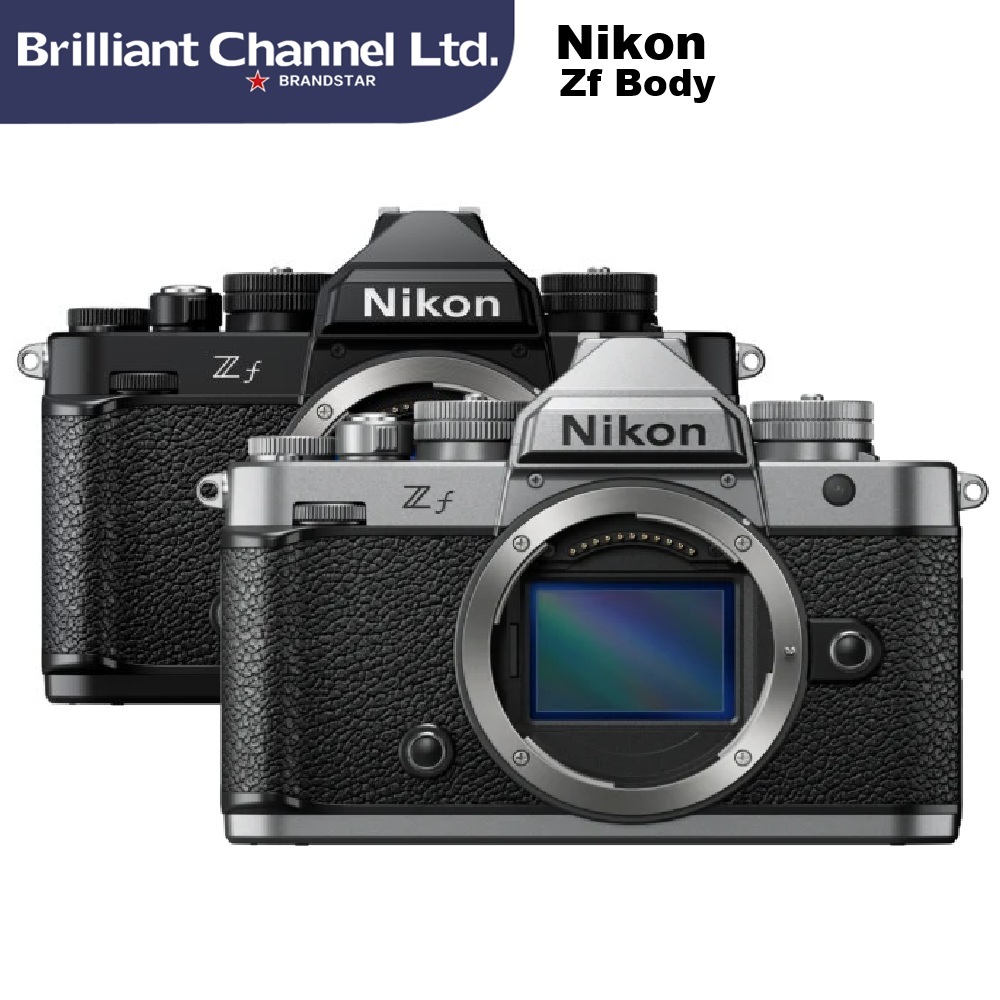
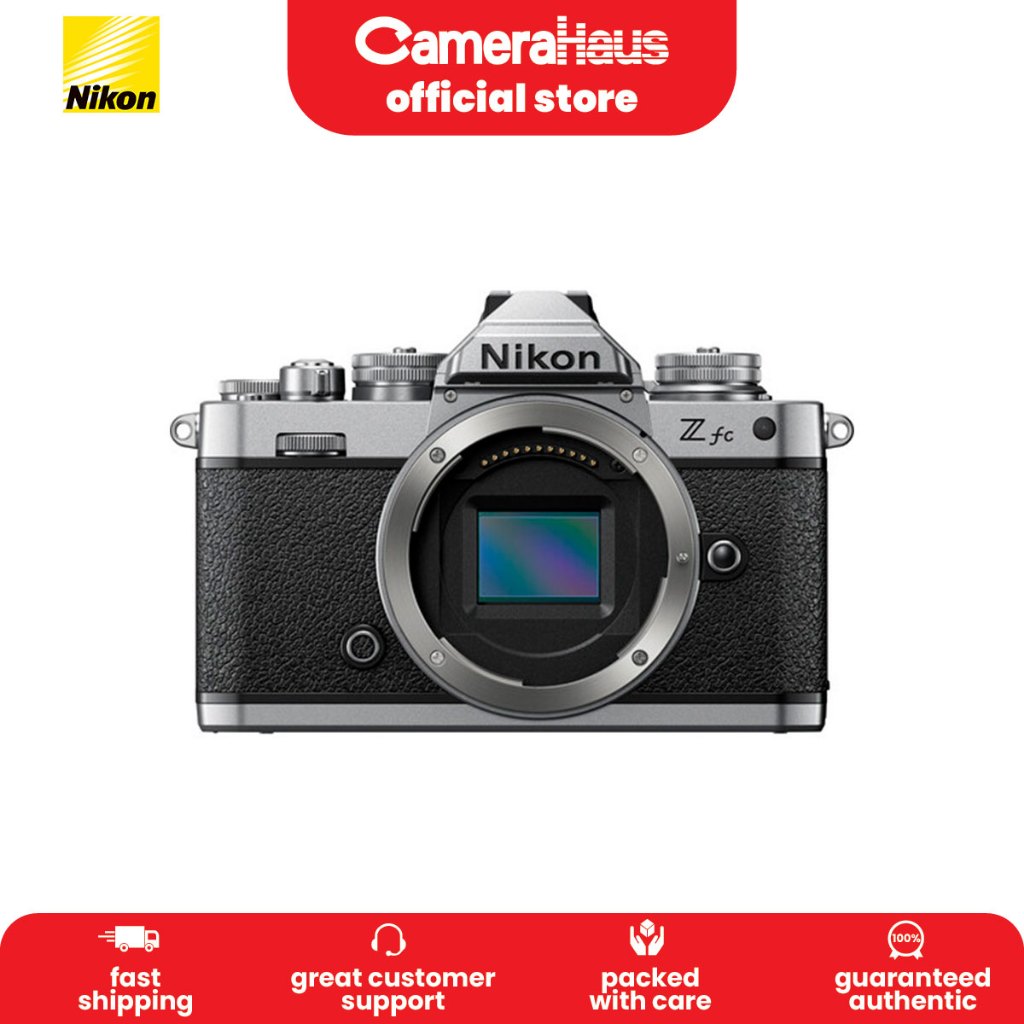
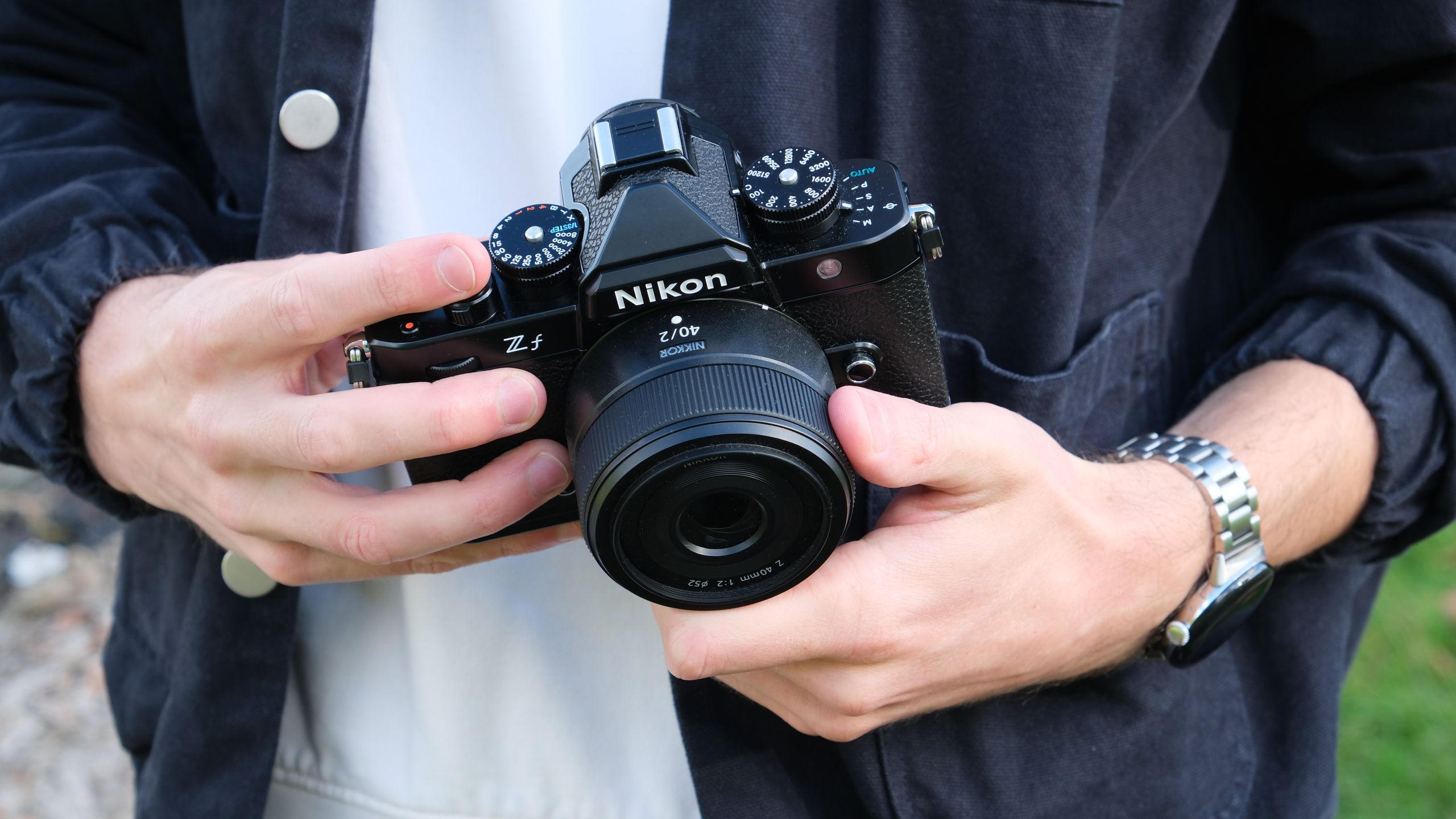
Retro camera sales in the used mirrorless cameras market describe the rising demand for classic camera design that blends vintage-inspired ergonomics and aesthetics with modern digital performance, where photographers increasingly choose such models over newer, specification-led flagships that emphasize resolution and raw speed. The headline story is not a new sensor or autofocus breakthrough, but a nearly three‑year‑old retro body returning to the top of the charts. The Nikon Zf, a full-frame mirrorless with a romantic, film-era look, has again taken first place in a major used ranking after more than a year away from the top, ahead of newer competitors from Sony, Fujifilm and Canon. That is more than nostalgia: it signals that many photographers feel modern designs have gone too far towards utilitarian computers, and they are voting with their wallets for cameras that make the shooting experience feel special.
Nikon Zf popularity shows design beating spec sheets
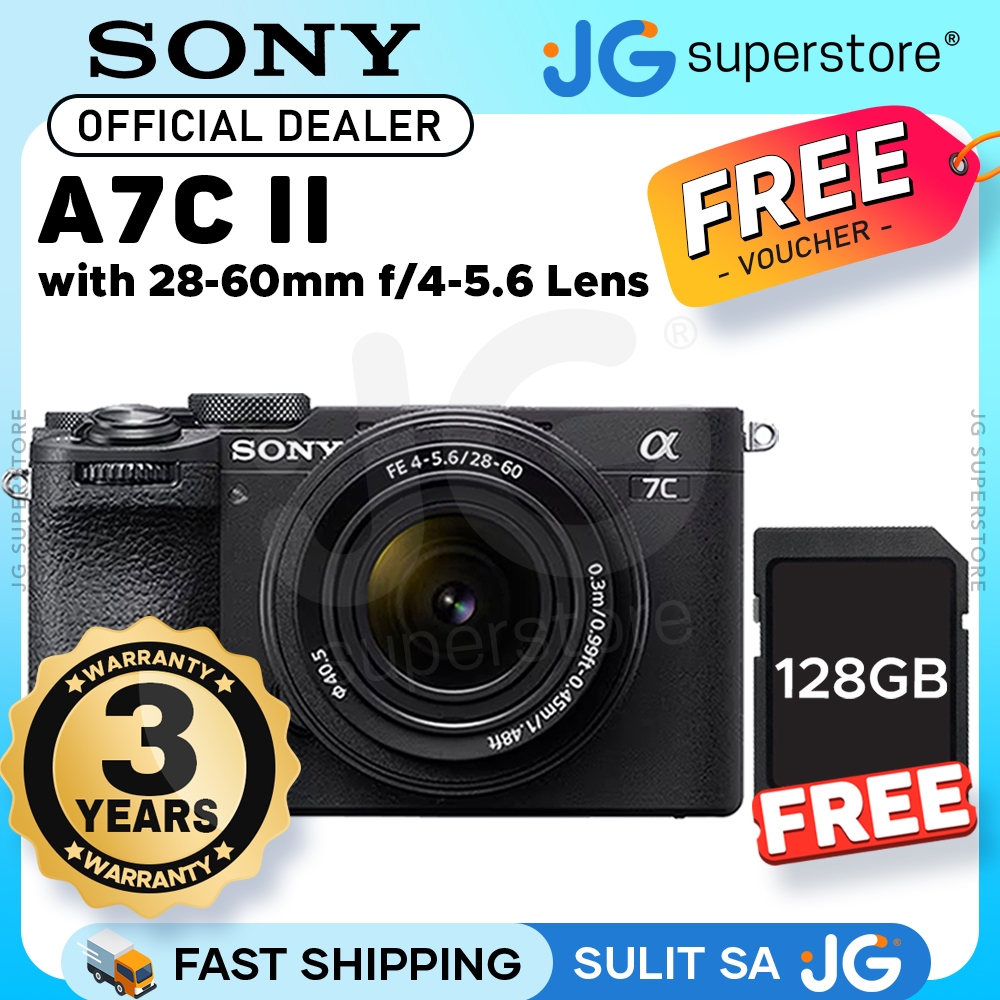
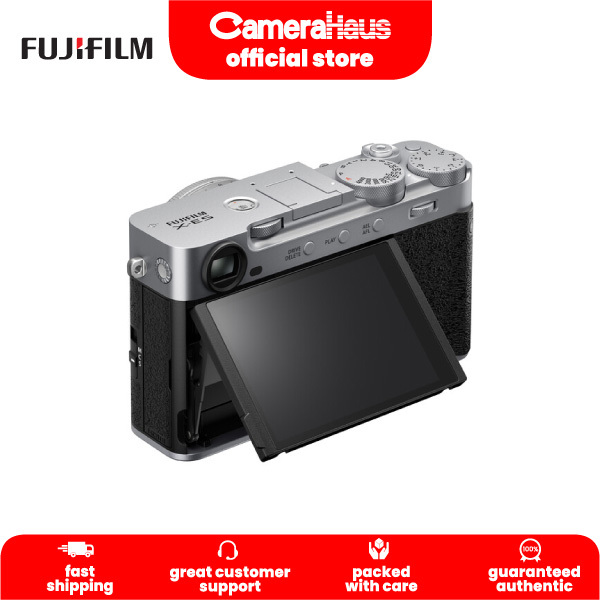
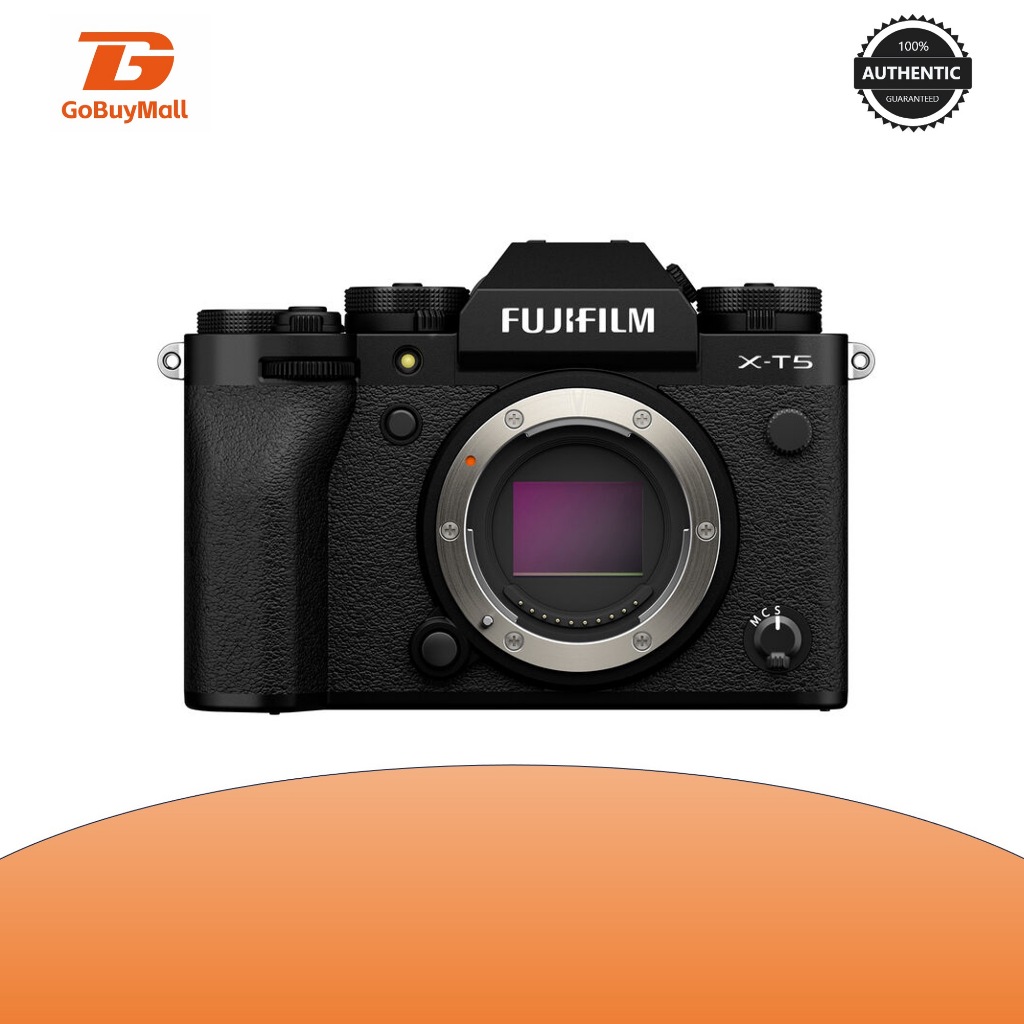
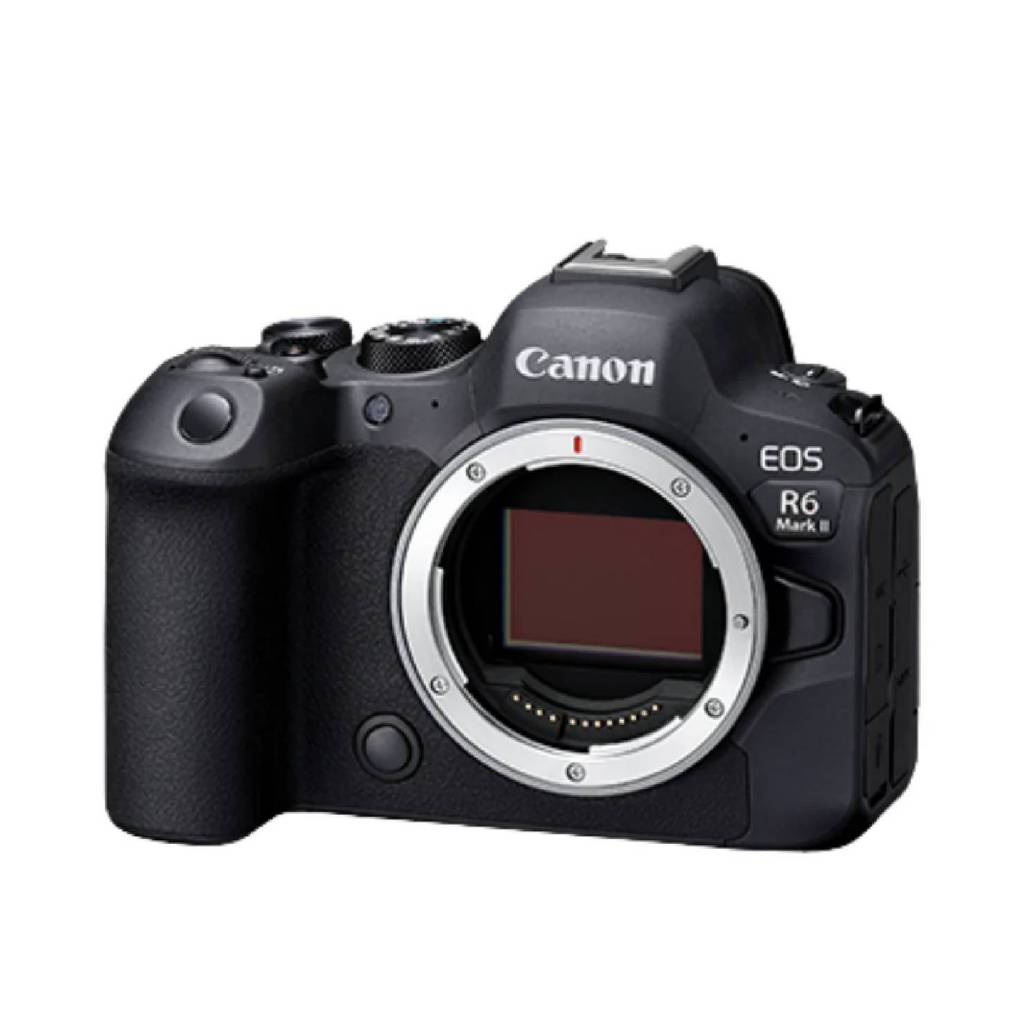
The Nikon Zf’s popularity in used mirrorless cameras rankings is a blunt message to camera makers: design and feel now rival specs for buying decisions. A major retailer reports the Nikon Zf back at number one in its June used ranking, with the Nikon Z50 II in second, ahead of the Sony A7C II, Fujifilm X‑E5, Fujifilm X‑T5, Sony A7 III, Canon EOS R6 Mark II, Nikon Zfc, Sony A7 V and Sony A7 IV. This is not a spec monster; it is a full-frame retro camera whose appeal starts with dials, leatherette and a silhouette that echoes classic film bodies. According to that retailer, the recent surge may partly reflect a fluctuating supply of used Nikon Zf stock, warning that “if it can maintain its current high inventory level, it will certainly become a formidable rival to Sony cameras, but we'll see…”. In other words, demand is strong enough that availability, not desire, may be the limiting factor.
Premium compacts prove the appetite for classic camera design
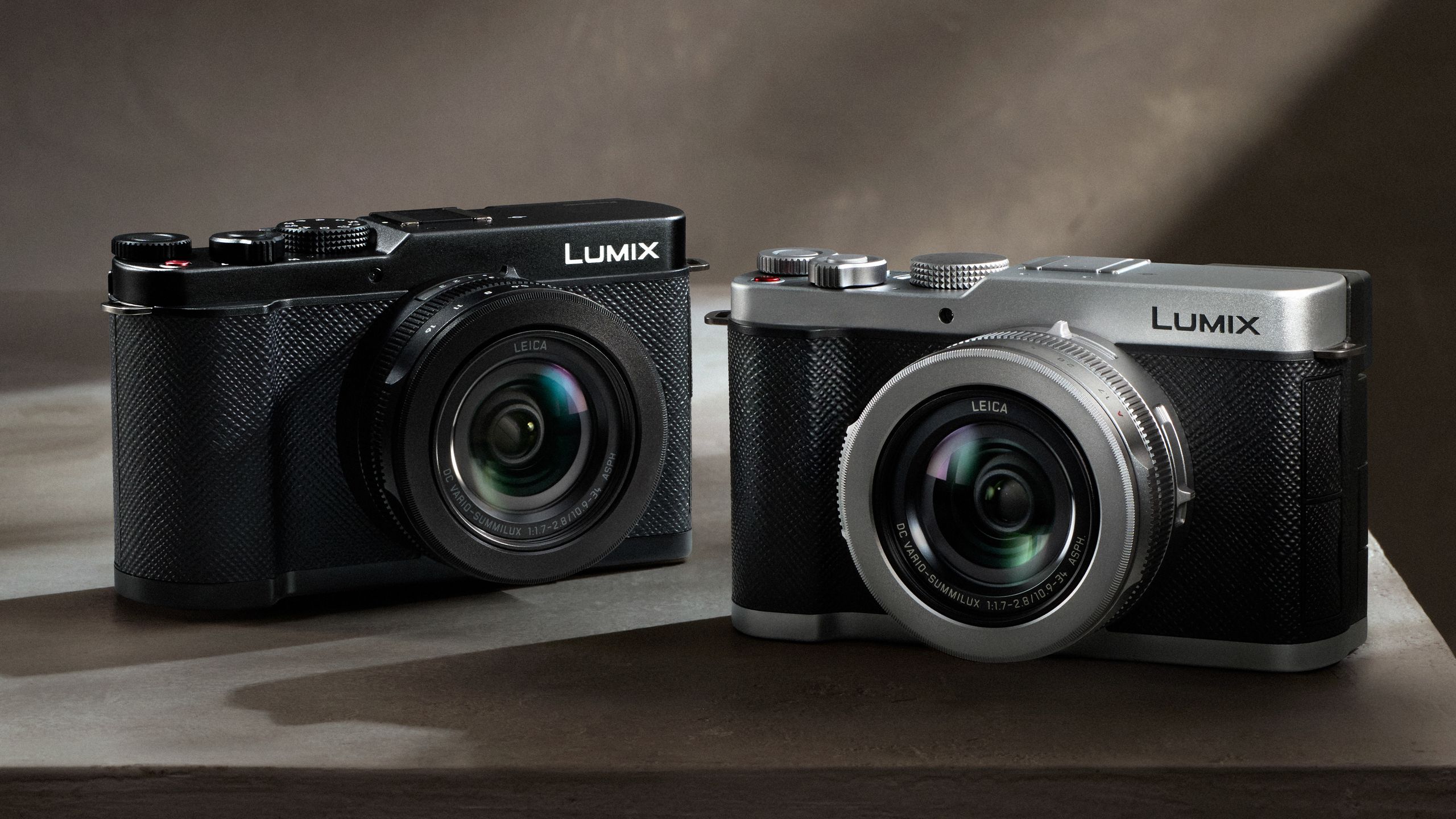
The same taste for classic camera design is visible in premium compact sales. One new fixed‑lens model, the Lumix L10, went straight to the top of a major compact camera ranking just 12 days after release, becoming the second compact from the same maker in a few weeks to debut at number one. Positioned for photographers and content creators who want higher‑end stills and video, it uses a 20.4MP Micro Four Thirds sensor with a Leica‑branded 24‑75mm equivalent f/1.7 zoom lens. Reviewers call it “a handsome fixed‑lens compact with a fantastic Leica zoom and excellent in‑camera LUTs”, highlighting not only optics and features but the look and film‑like color workflows. Its price of USD 1,497.99 (approx. ₱84,000) / £1,299 sits above a travel‑focused sibling at USD 897.99 (approx. ₱50,000) / £869, which itself recently topped the charts. Buyers seem willing to pay more when compact cameras feel like premium, photographic objects rather than point‑and‑shoot gadgets.
Demand, scarcity and the emotional appeal of retro bodies
If retro camera sales are strong, supply is struggling to keep up. Before the Lumix L10 even reached shelves, its maker warned that demand had exceeded expectations, with preorders so high that some customers would miss release day and new orders were temporarily suspended due to supply constraints. Another poster child of classic styling, the Fujifilm X100VI, has been known to sell out almost immediately whenever stock appears. Current rankings show several popular compacts, including the PowerShot SX740 HS / Lite, PowerShot G7 X Mark III, X100VI and Ricoh GR IV, listed as backordered and unavailable on a major retailer’s site. This scarcity reinforces desire: when cameras that look and handle like film-era machines are hard to find, they start to feel like cult objects. The used Nikon Zf benefits from the same effect; once more units hit the second‑hand market, enthusiasts who missed out new are quick to pounce.
Why photographers are choosing retro mirrorless cameras now
The deeper story behind Nikon Zf popularity is that photographers are tired of treating cameras as mere computers. The Zf offers a full‑frame sensor that no Fujifilm X‑Series camera matches, yet its appeal lies as much in how it feels in the hand as in its files. One retailer notes that many long‑time Fujifilm users, people who already love film‑inspired controls, now speak warmly about the Zf as the only retro‑themed mirrorless option with that larger sensor format. Retro styling paired with modern autofocus and performance pulls in both enthusiasts who want an engaging shooting experience and professionals who need reliable results but miss the tactile qualities of older gear. Add the surge in premium compacts with Leica‑branded zooms, cinematic LUTs and film-like presentation, and the message is clear: the future of cameras may belong less to the megapixel race and more to tools that make image‑making feel purposeful and enjoyable again.