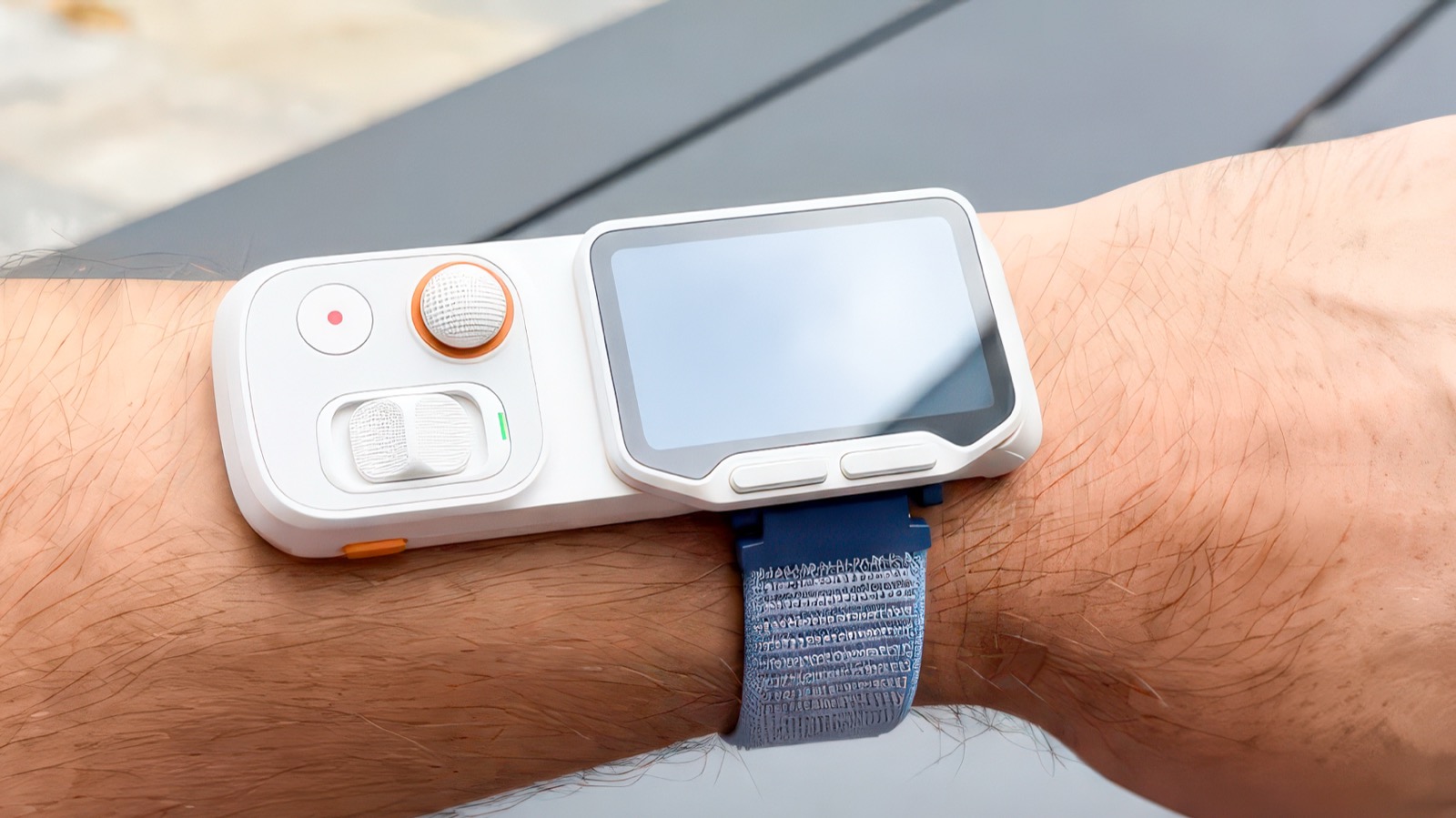

Open-source camera design arrives in the mainstream
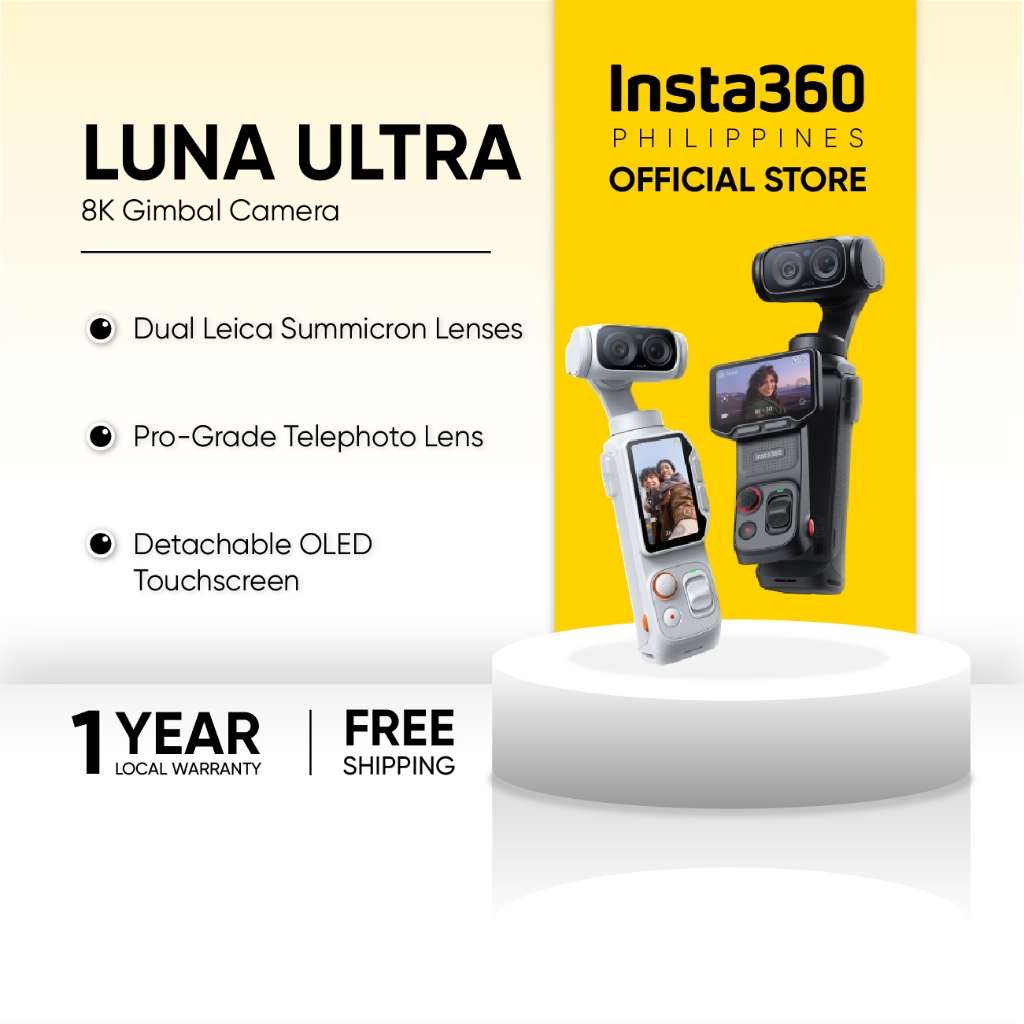
Open-source camera design is a model where manufacturers publish precise hardware files of their cameras so that anyone can create, 3D print, and share custom accessories and DIY camera gear without reverse-engineering the device first, turning users into direct contributors to the product ecosystem and accessory innovation. Insta360 has taken a bold first step in that direction by releasing the official 3D design files for its Luna Ultra creator camera and inviting the public to design Luna Ultra accessories that fit with millimeter-level accuracy. The move is not a side promo; it is a statement of intent that users deserve access to the geometry normally locked behind corporate walls. In an industry that treats body dimensions like trade secrets, handing over these blueprints is nothing less than a challenge to the old rules of who gets to invent gear.
A global 3D printing contest that doubles as R&D
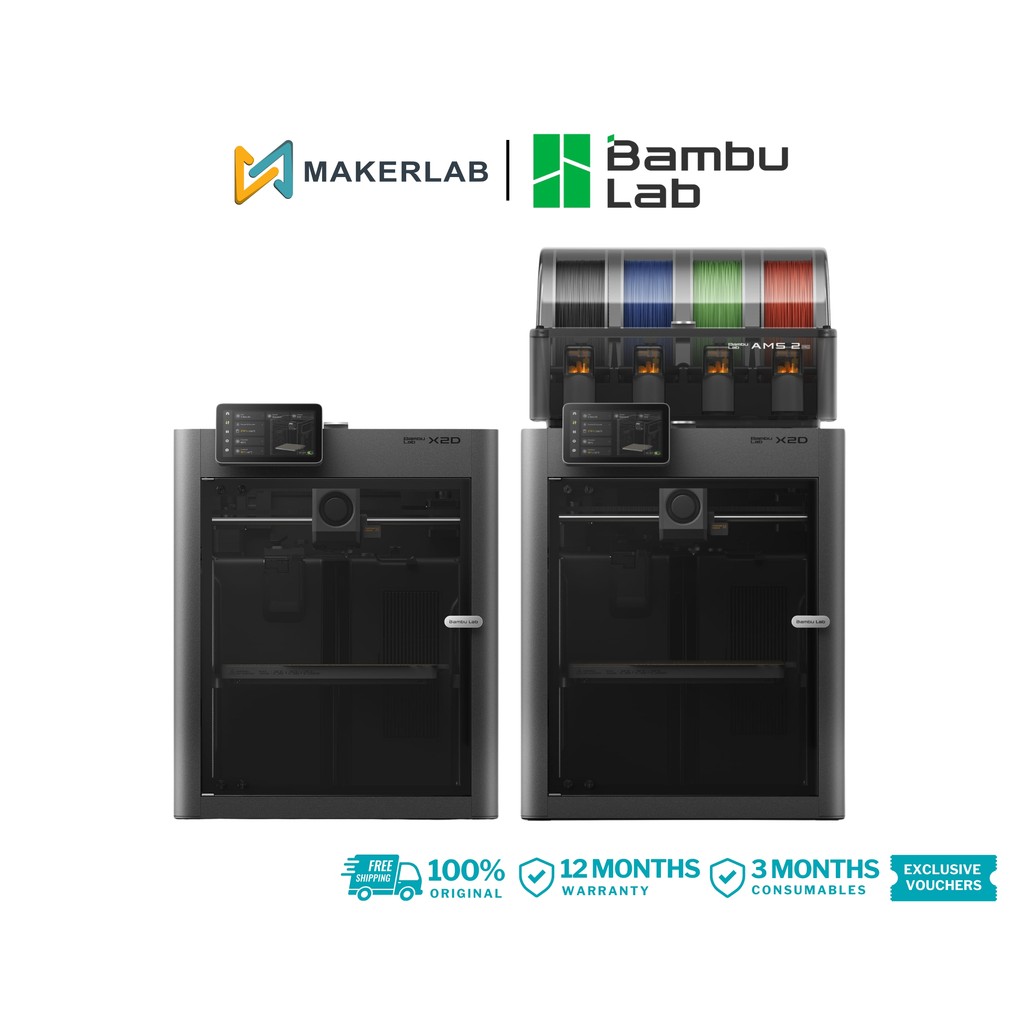
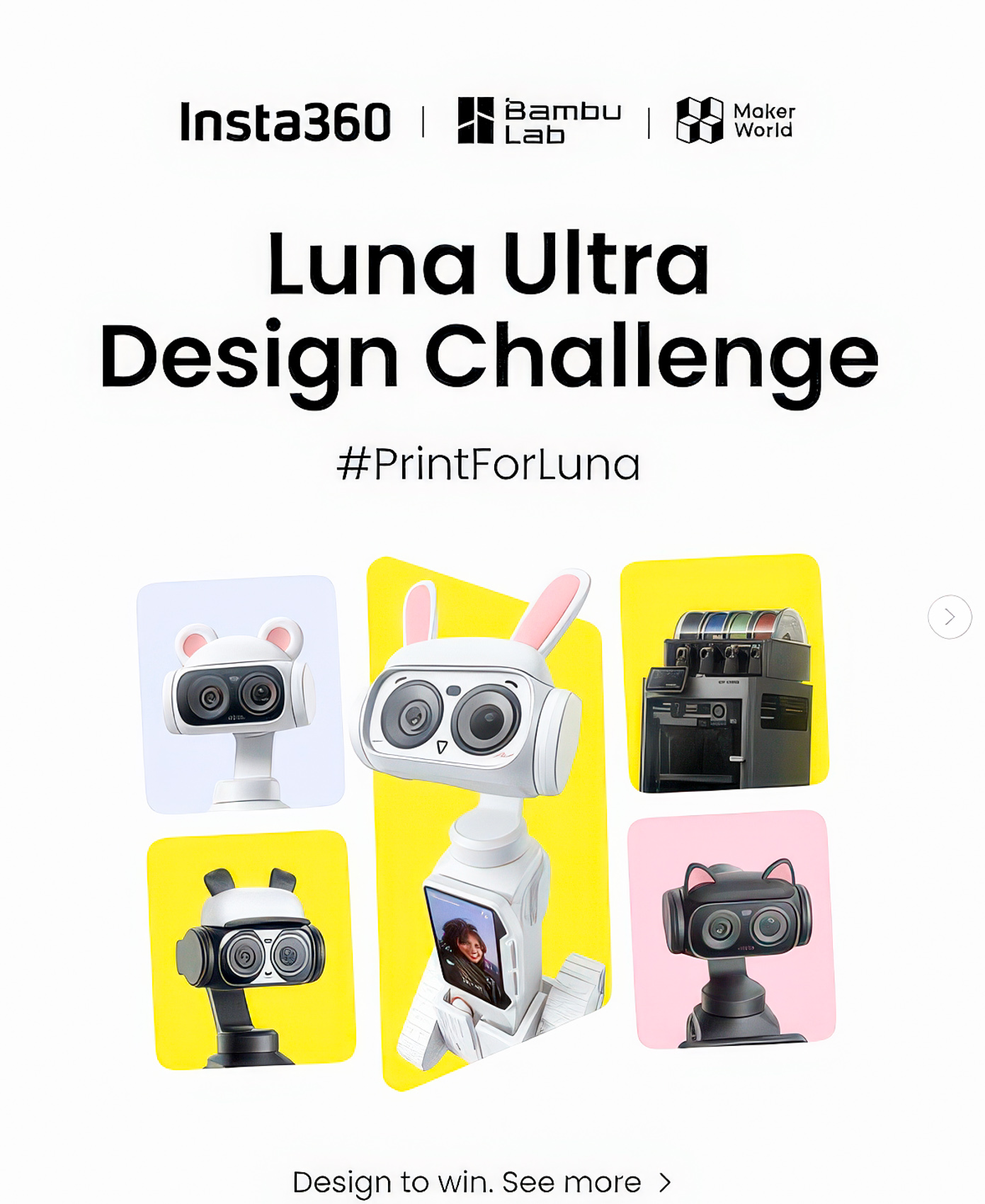
Instead of guarding its design files, Insta360 partnered with 3D printer maker Bambu Lab on a global design challenge hosted on the MakerWorld platform. Submissions opened July 10 and close August 9, with winners announced August 20. At stake is a prize pool of about USD 11,160 (approx. ₱651,000) spread across 40 awards, including the Luna Ultra camera paired with Bambu Lab X2D Combo or A2L Combo printers for top creators, plus gift cards and coupons for other winners. This is more than a marketing stunt. It turns community members into an unpaid R&D lab, rewarded only when their ideas prove valuable. You do not even need to own a 3D printer to enter, because printers sit inside that same USD 11,000 (approx. ₱640,000) prize pool. The message is clear: if you can imagine 3D printed camera accessories, Insta360 wants you prototyping them on its dime.
Creative mods vs. practical add-ons: personality wins
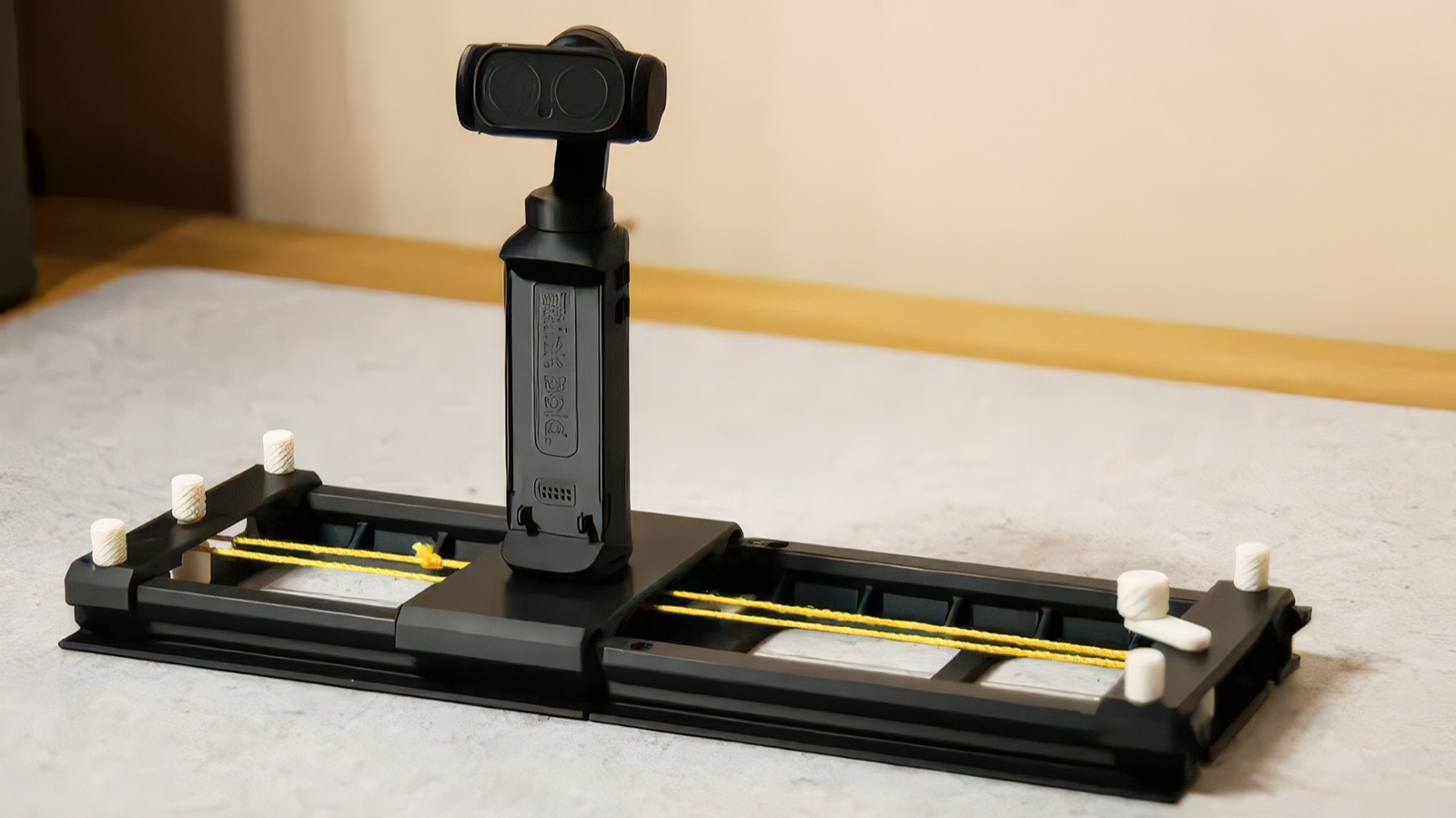
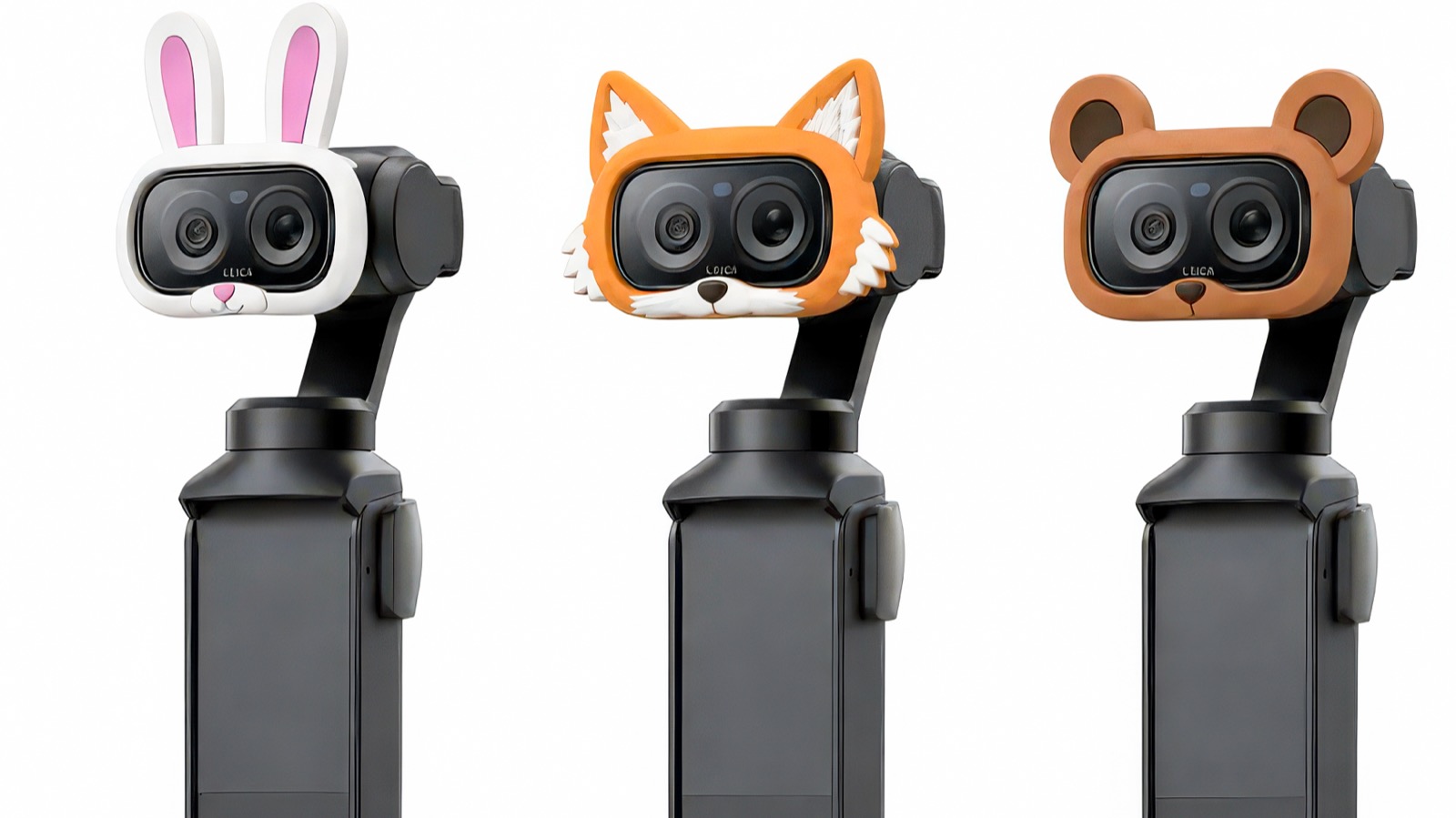
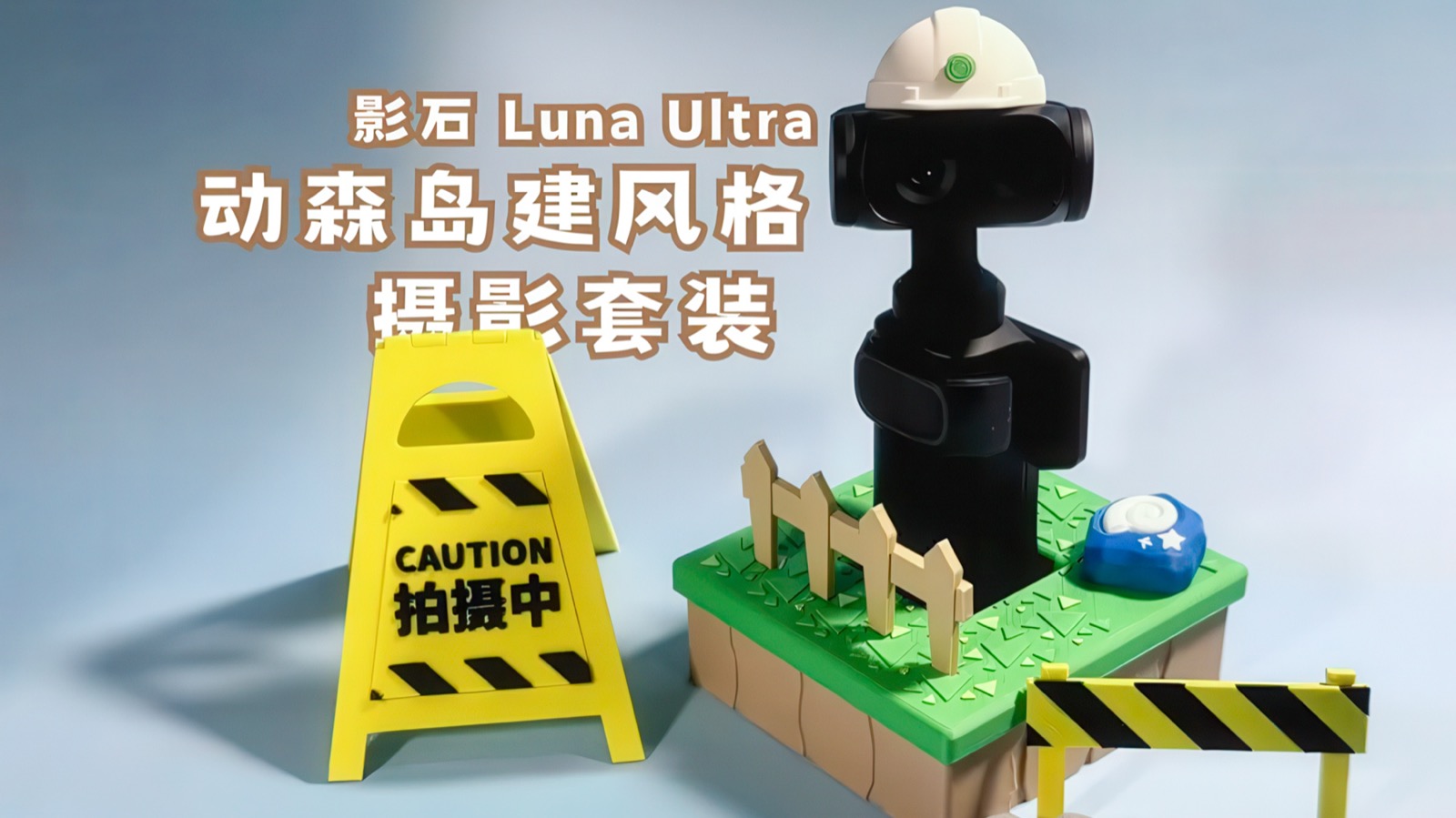
Insta360 split the Luna Ultra contest into two tracks: "Creative mods" and "Practical add-ons". Practical add-ons focus on stability mounts, filming rigs, and functional expansions—classic DIY camera gear that promises smoother shots and extended use cases. Creative mods, on the other hand, are pure personality: custom looks, playful concepts, and aesthetic upgrades such as cat ears or character-inspired shells for the camera’s twin “eyes” arrangement that already evokes robots from popular films. According to one report, “the accessory industry has always known this quietly. The margin lives in personality, not in utility”. That observation matters. Open source camera design gives builders room to chase both utility and delight, but it is the whimsical Luna Ultra accessories that are most likely to spread online, driving demand for 3D printed camera accessories far beyond the usual circle of gear nerds.
Why open hardware threatens the old accessory ecosystem
No major camera brand has previously opened the exact geometry of a flagship product to the public the way Insta360 has with the Luna Ultra. Traditionally, camera bodies, gimbals, and action cams are measured by hand by third-party makers, who ship mounts that “almost fit” because they never see the real CAD files. That system keeps control with manufacturers—and keeps friction in the aftermarket. By publishing 3MF and STL files, Insta360 flips that script: every community design can wrap the camera precisely. It is a quiet but direct challenge to the idea that only the brand can define the official ecosystem of camera accessories. Drone and action camera giants have watched their gear be reverse-engineered for years; Insta360 is choosing to profit from that inevitability instead of resisting it. If open-hardware wins, camera companies lose their monopoly on what “official” gear looks like.
The future: community-driven gear innovation on fast-forward
What makes this open source camera design experiment important is not the contest itself, but the speed and direction it implies for future gear. Insta360 saw a maker community that was going to 3D print camera accessories anyway and decided to hand them blueprints, judge their work, and hire the best of them. That converts the most engaged users into a rolling design pipeline that can iterate faster than any in-house accessory team. If even one winning Luna Ultra accessory becomes an official product with a collaboration deal, other brands will have to explain why their users are stuck guessing at body measurements instead. 3D printing and maker platforms compress the accessory innovation cycle from years to weeks, and they let niche ideas—FPV-style rigs, cosplay-friendly shells, experimental stabilizers—find their audience without waiting for corporate approval. The conclusion is hard to avoid: the future of DIY camera gear belongs to communities with the files, not companies with the patents.