
Counterfeit SSDs: A Hidden Threat to Storage Security
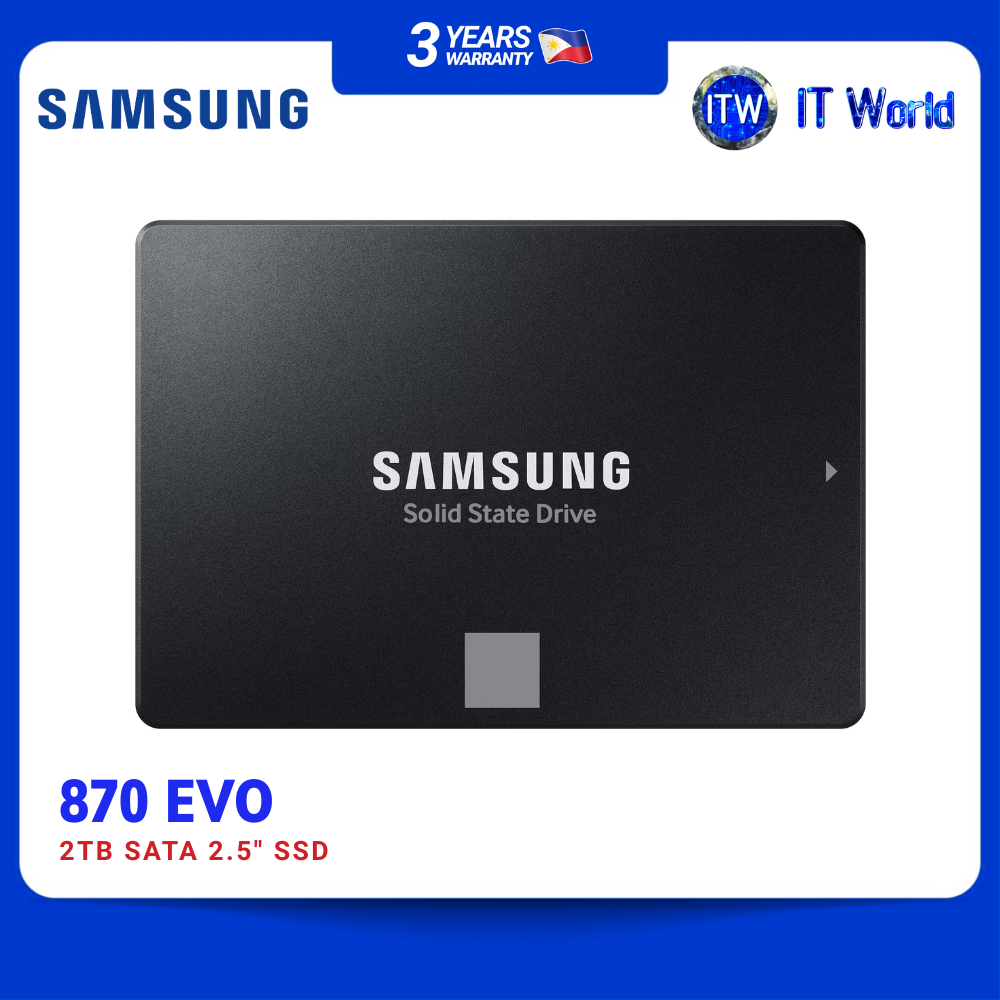
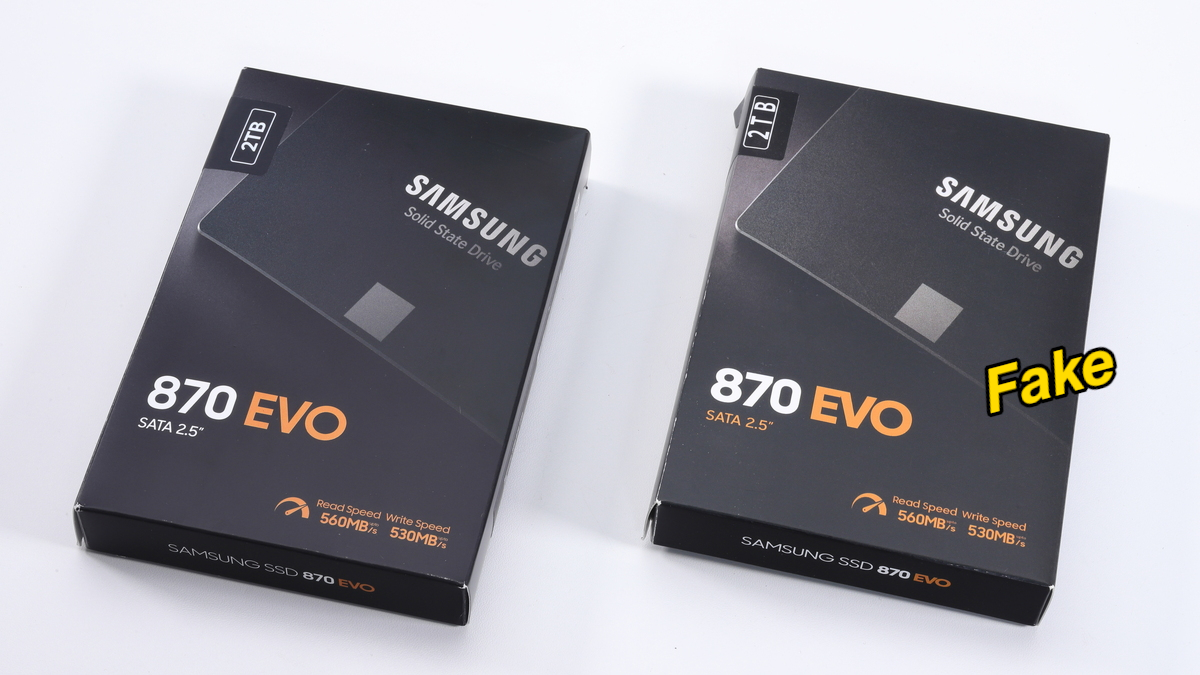
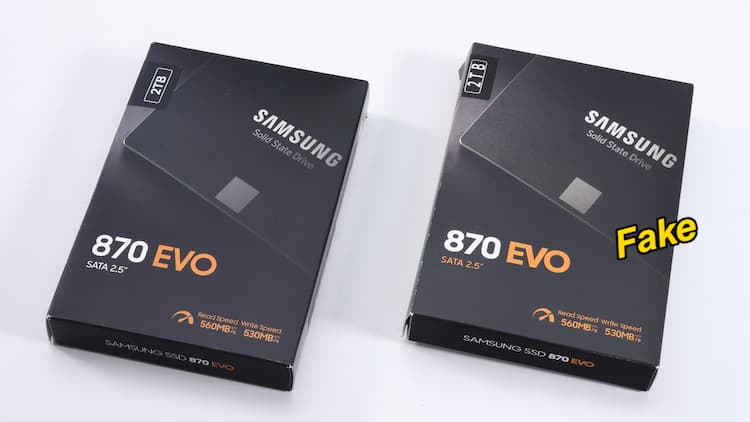
Counterfeit SSDs are fraudulent storage devices that imitate branding, packaging, and model names of genuine drives while hiding cheaper internal hardware, misleading capacities, and unstable behavior that can cause data loss and system failures once the drive is stressed at or near its claimed full capacity. This is not a theoretical worry; the storage market is facing a wave of fake products that look almost perfect on the outside. Popular lines like the Samsung 870 EVO 2TB SATA SSD have been cloned so closely that the packaging, labels, and physical design can pass a casual inspection. In other words, storage security now starts before you even power on the PC. If you care about data integrity, you cannot treat retail shelves—or online listings—as neutral ground.
The most alarming lesson from the fake Samsung 870 EVO case is that performance can look fine until the drive is pushed. Early tests with CrystalDiskMark showed read speeds of 492 MB/s and write speeds of 467 MB/s, which is exactly what you would expect from a normal SATA SSD of this class. On the surface, that seems like a pass. Only when testers ran full-capacity tools did the mask slip: after roughly 120 GB written, throughput collapsed to 0 KB/s and the process froze. In practical terms, a drive that behaves like this is not a minor annoyance—it is a direct threat to any high‑end build that depends on predictable storage performance and safe data retention.
Inside the Fake Samsung 870 EVO: How Bad Is It?
If you think a fake SSD is “just slower,” you are missing the real risk: catastrophic data loss and total device failure. The cloned 870 EVO 2TB appears in Windows as a fully working 2TB SATA drive and initially behaves like one. But during a full‑capacity test, after writing about 117,227 MB (around 120 GB), the write speed drops to 0 KB/s and the drive stops responding. After a reboot, the SSD may no longer be detected and all stored data can be lost in one hit. According to one technical review, “it’s as if the SSD tried to write beyond its actual capacity… most likely, it’s a 120 GB SSD disguised as a 2 TB model.” That is not a performance quirk; it is a fundamental storage security failure.
Opening the fake makes the scam undeniable. Instead of Samsung’s proprietary controller, NAND layout, and DRAM cache, the counterfeit board uses a RayMX RM1135T controller with only two unmarked generic NAND chips. The PCB itself bears no resemblance to the original. This kind of build quality means your data is effectively hostage to the cheapest possible components hiding behind a famous brand name. For a gaming rig, workstation, or content‑creation build, that translates to a serious threat to system stability: corruption during large installs, failed backups, and crashes when the drive silently breaks itself mid‑write. Fake Samsung SSDs are not “good enough” alternatives; they are storage landmines waiting for a big file transfer to trigger them.
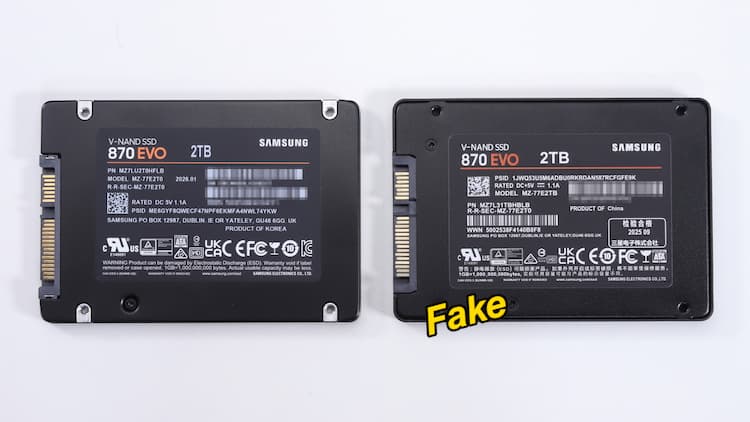
Counterfeit SSD Detection: Visual and Serial Checks
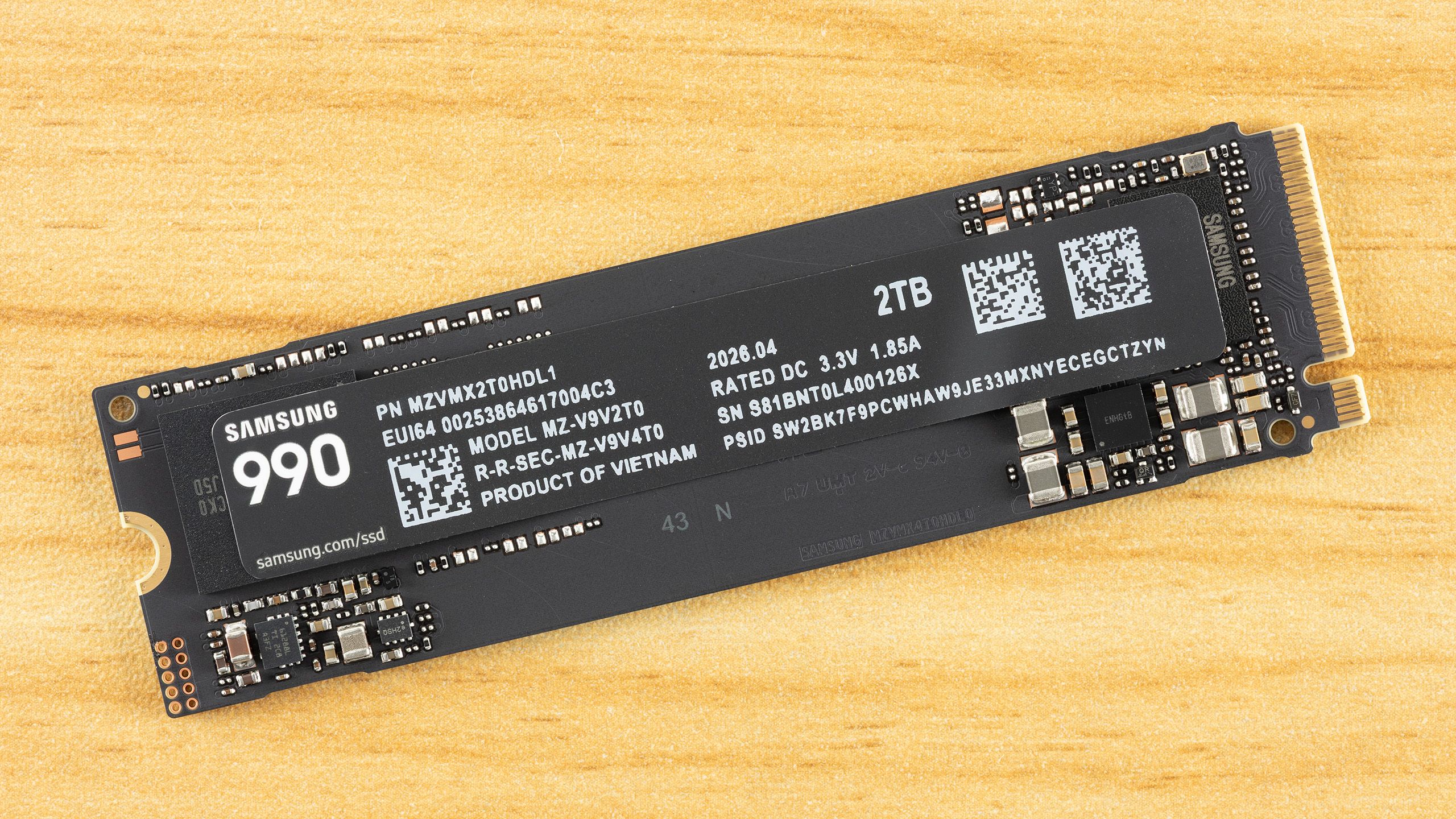
The uncomfortable truth is that fake Samsung SSDs can look convincing at a glance, but they still leave clues if you are willing to check them closely. On the box, misaligned labels—especially capacity markings—and slightly desaturated colors compared to known‑genuine packaging are early warning signs. On the drive itself, mounting screw locations that do not match official product photos should raise suspicion. So should sloppy label work: misaligned serial numbers, questionable QR codes, and barcodes that look off compared to other units you own from the same brand. Compliance logos that appear fuzzy or incorrectly placed are another red flag. None of these alone prove a fake, but together they form a practical counterfeit SSD detection checklist that every PC builder should internalize.
Visual inspection must be paired with an SSD authenticity check based on serial numbers and vendor tools. When you have access to the drive, checking the serial against the manufacturer’s records and scanning any QR or digital signature fields is essential. For Samsung drives specifically, users are advised to verify their SSD using the official Samsung Magician software, which can confirm through a digital signature whether the unit is “Samsung Authenticated” or a fake copy. This is not overkill; it is basic storage security hygiene. If a drive fails any part of this authenticity check—odd serial formatting, validation errors, or missing branding—treat it as suspect, especially before trusting it with operating system installs or critical project data.
Testing Behavior: The Only Honest Truth an SSD Gives You
Even a careful visual and serial check should be followed by behavioral testing, because some counterfeits are deceptively well built and only fail under load. Benchmark tools like CrystalDiskMark can show whether advertised performance roughly matches expectations, but as the fake 870 EVO proved, respectable sequential speeds do not guarantee that the drive’s claimed capacity is real. To expose lies about capacity and reliability, you need full‑write utilities that span the entire address space, such as H2testw or similar tools. In the case documented, writing around 120 GB was enough to trigger a total collapse: write speed hitting 0 KB/s and the drive becoming unresponsive. Any SSD that dies when asked to write its supposed capacity is not an edge case; it is a counterfeit or defective product that should never be part of a high‑end build.
The reason this testing step matters is simple: fake storage devices can behave acceptably during light use and then destroy your data when you finally push them with game installs, large media projects, or backups. Unlike some fakes that quietly overwrite old data, this clone actively damages its own storage area and ends up completely unusable after the failure event. That behavior makes traditional “I’ll notice something is wrong” assumptions dangerous. Your system might boot fine for weeks before a big update or file copy kills the drive, taking irreplaceable files with it. Treat an initial full‑capacity test like a burn‑in for your storage security. If the drive survives, it earns a place in your build; if not, it goes back in the box and out of your life.
Why PC Builders Must Treat SSD Authenticity as a Core Skill
Fake storage devices are now a direct threat to high‑end systems, not a fringe concern. Counterfeit Samsung 870 EVO SSDs look real but can destroy your data, and when they fail, the drive may no longer be detected at all. That combination—convincing appearance plus catastrophic behavior—turns storage security into a frontline issue for every serious builder. A rig with a top‑tier GPU and CPU means nothing if the boot or project drive is a disguised low‑capacity SSD waiting to corrupt your files. If you assemble PCs for clients, the reputational risk is huge: one counterfeit drive can make an entire build look unstable, even though the real problem is hidden in a tiny PCB under a branded label.
The takeaway is blunt: authenticity checking is no longer optional. Before you trust any drive labeled as a Samsung 870 EVO—or any popular consumer model—perform a counterfeit SSD detection routine: detailed visual inspection, serial number and QR verification, vendor software authentication, and at least one full‑capacity write test. This process costs time, but it is far cheaper than losing a game library, a client project, or months of creative work to a fraudulent device. As fake Samsung SSDs and other clones grow more convincing, the builders who stay ahead will be the ones who treat storage validation as seriously as cable management or cooling. Your data deserves that level of respect.