
Pebble’s cracked-screen crisis becomes a customer service opportunity
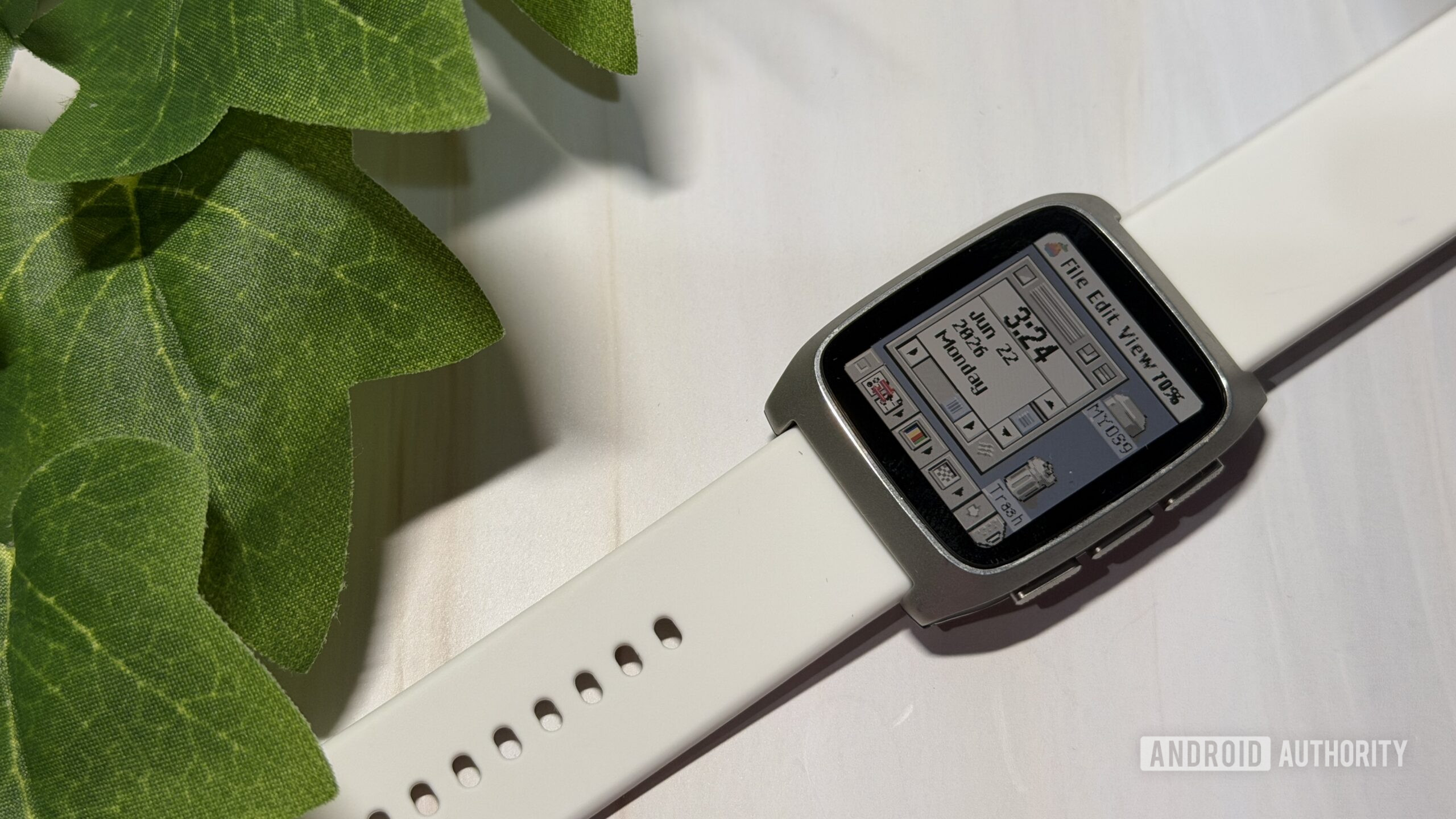
Pebble’s no-questions-asked smartwatch warranty replacement program for cracked Time 2 screens is a customer-first response to hardware defects that challenges the usual limits of out of warranty coverage and sets a higher expectation for wearable customer service across the industry. Pebble is replacing faulty Time 2 watches for free, even when they fall outside the standard warranty window, and has already shipped around 330 replacement units. That is not normal behavior in the wearable world, where physical damage is often blamed on users. Here, Pebble openly treats cracked glass, bad buttons, and weak batteries as design and manufacturing problems it must fix, not nuisance tickets to deflect. This is the rare case where a Pebble Time 2 repair claim feels less like a fight and more like a partnership, and that is exactly why it deserves attention.
The numbers behind Pebble’s smartwatch warranty replacement gamble
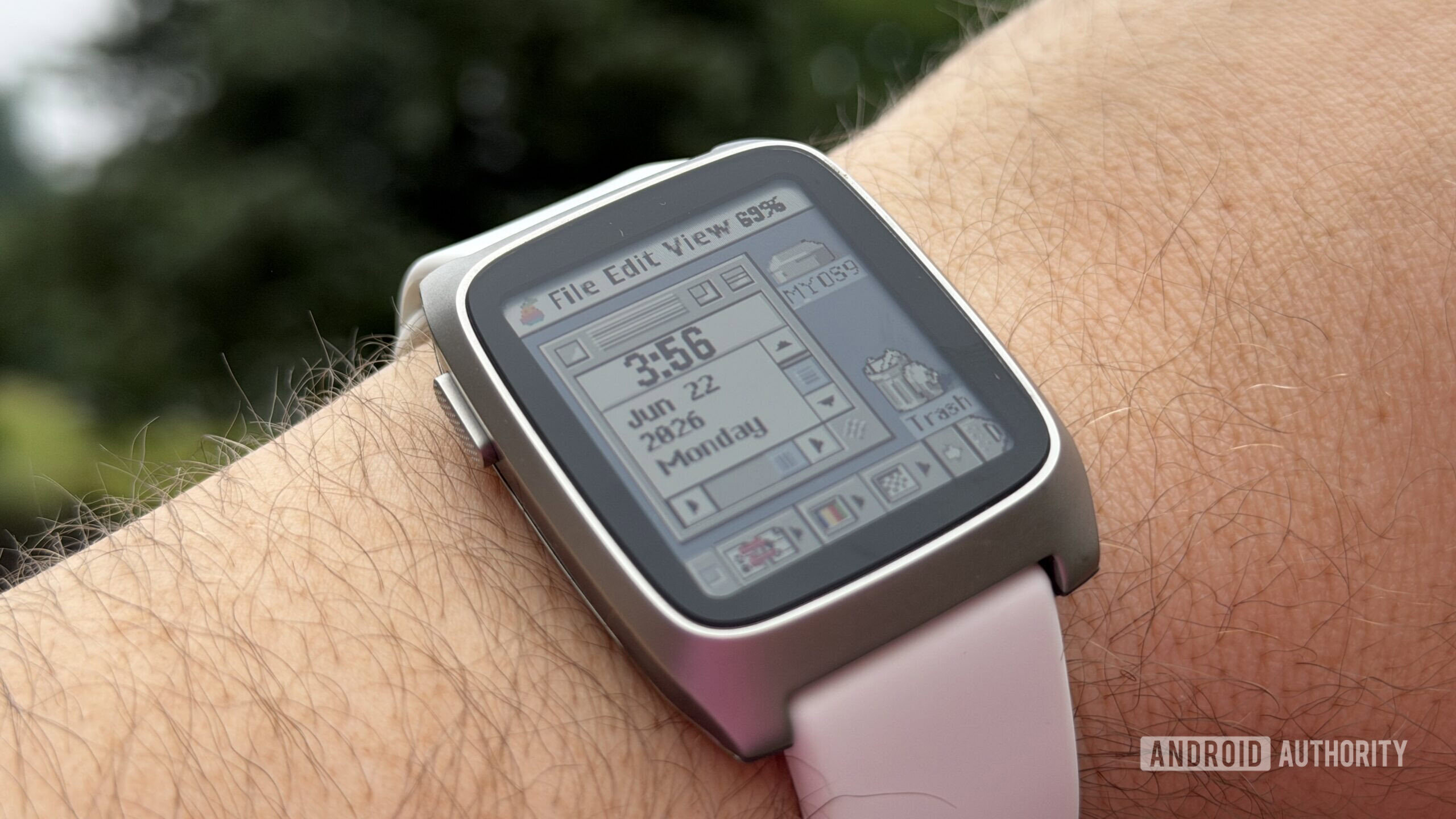
On paper, Pebble’s hardware record looks manageable: founder Eric Migicovsky says the company has received 51 cracked-screen reports out of roughly 22,000 Pebble Time 2 watches in customers’ hands, or about 0.25% of the batch. Button failures sit even lower, with about 30 reports tied to an internal retaining clip assembled incorrectly. Battery complaints are more scattered; some users expecting a week or more of life instead saw fewer than three days before Pebble tightened power checks in manufacturing. In other words, this is not a catastrophic recall. Pebble could have hidden behind statistics and warranty fine print. Instead, the brand treats each of these small percentages as human problems worth fixing, and that choice turns a minor defect rate into a major statement about how wearable customer service should work.
Out of warranty coverage as a deliberate loyalty strategy
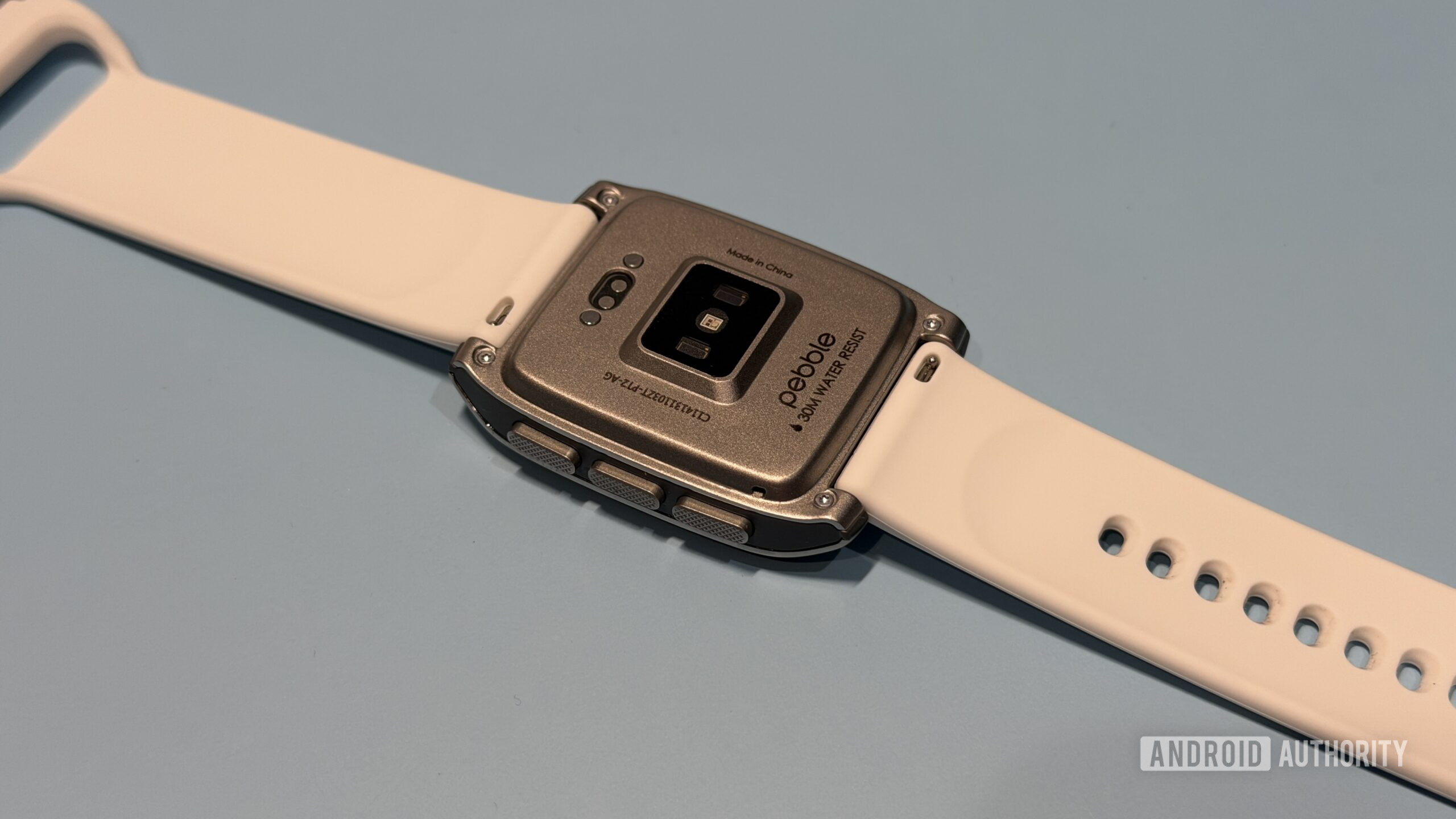
Pebble’s approach is not a charitable accident; it is a deliberate loyalty play. The company is replacing faulty Time 2 watches at no cost for anyone with a manufacturing-related issue, whether that is cracked front glass, poor battery life, or another hardware fault. To get a smartwatch warranty replacement, owners submit a bug report through the Pebble app with a photo or video of the damage, and once Pebble verifies it as a hardware defect, the watch is swapped out free of charge. This stands out in a market where many manufacturers point to warranty limits or label cracked screens as user error. Pebble, described as community-driven, treats mistakes as an unavoidable part of building hardware by hand and focuses on “taking care of customers when they do occur”. That mindset turns out of warranty coverage from a grudging exception into a core part of the brand promise.
From cracked glass to long-term Pebble Time 2 repair options
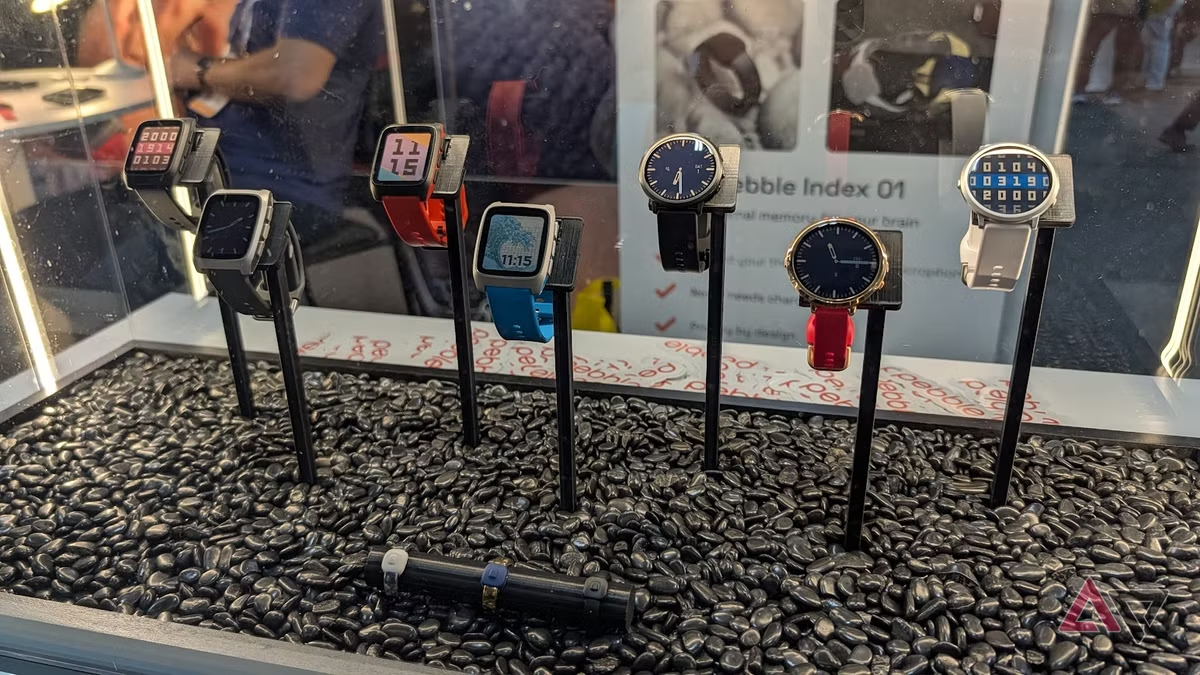
Pebble’s response started with cracked screens, after multiple reports surfaced in a short period and owners made it clear they expected action. Every verified case has received a replacement, and Pebble says the program will continue for reasonable cracked-glass claims “as long as we can” before shifting to heavily discounted units and selling full front display assemblies for those who prefer a self-service Pebble Time 2 repair path. At the same time, manufacturing changes aim to stop buttons from popping off in future runs and to tighten battery-life consistency. This mix of generous out of warranty coverage and concrete design fixes says something powerful: Pebble is willing to pay for its mistakes now and invest in fewer mistakes later. That combination is far more persuasive than the usual scripted apology and limited repair window users see elsewhere.
What Pebble’s customer-first stance signals for future wearables
Pebble’s broader update also covers upcoming shipments, with the next Pebble Time 2 batch going out at the end of July and preorders giving way to standard orders once early buyers are served. There are about 14,000 preorders for the circular Pebble Round 2, and customers will be emailed two weeks before units are ready to ship. That operational transparency matters, but it is the service philosophy that stands out. When a small brand says hardware is imperfect and invites users to reach out for fast support, it reframes wearable customer service as an ongoing relationship rather than a 30-day safety net. If more smartwatch makers treated cracked screens and short battery life as their responsibility instead of customer misfortune, out of warranty coverage would feel less like an exception and more like a basic feature of buying connected hardware.