
A Single-Backer Bet Comes Due
The VR game funding crisis is the industry-wide reckoning triggered when Meta pulled back from financing VR titles, exposing how dependent independent VR developers and major studios had become on one company’s subsidies and forcing a painful reset toward leaner budgets, new partnerships, and more sustainable business models beyond speculative metaverse spending. Meta’s Meta VR investment pullback was not a tweak; it was a hard stop. In mid‑January, the company said it would shift investments away from the metaverse toward wearable devices like smart glasses, cutting around 1,500 jobs in Reality Labs and roughly ten percent of the division’s workforce, many from VR gaming. This also marked the end of internal VR game development and a sharp reduction in funding and publishing support for external studios. When one platform has been the primary banker, that kind of retreat is less a business decision and more a controlled detonation.
The Great VR Die-Off and the New Consolidation
Meta’s withdrawal wiped out a key pillar of VR game funding and set off what amounts to a controlled culling of the sector. The platform had poured money into VR during the pandemic boom, selling over 20 million Quest 2 units and scaling studios to match that high-water mark. But Reality Labs had piled up around USD 73 billion (approx. ₱4.1 trillion) in losses since 2020, and in one recent quarter brought in USD 402 million (approx. ₱23 billion) in revenue against USD 4 billion (approx. ₱228 billion) in losses. According to Coray Seifert, Meta’s move “has very little to do with VR and more to do with AI,” as the company sees generative AI as the better bet than Spatial Computing. The result on the ground: the “Great VR Die-Off” of studios that grew to match Meta’s ambitions and are now paying for that optimism.
This is classic industry consolidation, but with a twist: instead of mergers driven by success, we are watching contraction driven by the collapse of a single backer. Prominent players have already shrunk or vanished. nDreams cut 78 staff and closed two locations. Vertigo Games shut its Amsterdam studio in June after calling the VR market “challenging,” shifting attention to flatscreen projects like a remake of The 7th Guest and a non‑VR Arizona Sunshine. Skydance Interactive, which previously generated over USD 100 million (approx. ₱5.7 billion) with its Walking Dead titles, has paused VR development after its parent’s merger led to fresh scrutiny of VR’s returns. The message to anyone still betting on blockbuster VR epics is clear: cinematic, Hollywood‑style productions are too expensive for the current VR audience. The industry is consolidating not around size, but around what can actually make money.
Broken Partnerships and Collateral Damage
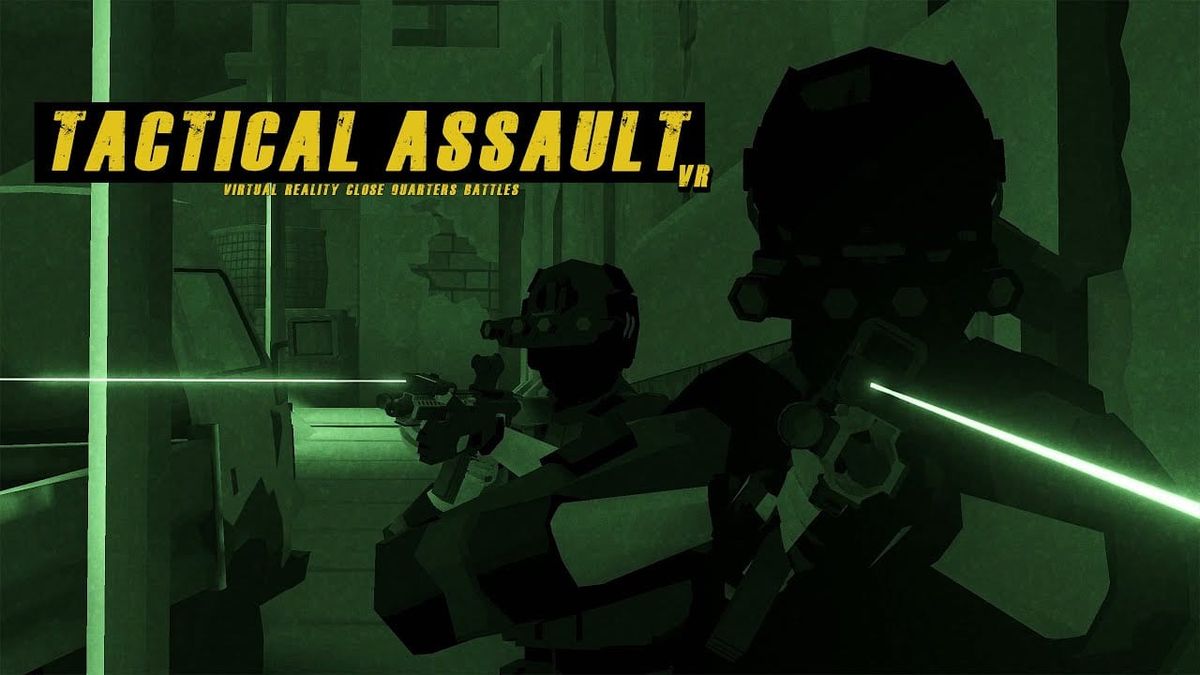
Beneath the headline layoffs, the more telling story is how VR studio partnerships are dissolving. Meta has not only halted its internal VR development; it has also cut funding and publishing support for external studios, costing hundreds of jobs and pushing some companies to close. Combat Waffle Studios, the team behind Ghosts of Tabor, reported layoffs tied to an unnamed “large platform partner” withdrawing support. Cloudhead Games, maker of Pistol Whip, cut 40 of 56 employees in January, with its CEO bluntly citing the loss of platform funding and “the most important financier” stepping away overnight. These are not failed experiments; they are successful independent VR developers whose business models were built around a single patron. When that patron stepped back, the partnerships that kept ambitious VR alive snapped in sequence.
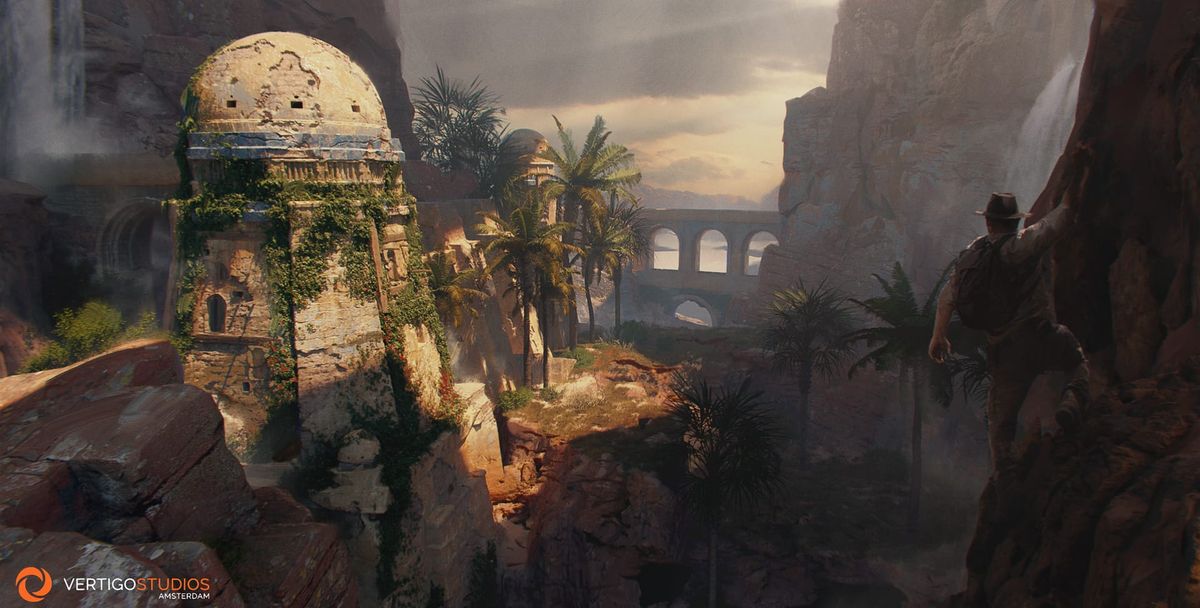
Vertigo Games Amsterdam shows how collateral the damage can be. A report described a VR title codenamed Project U, said to be based on Tomb Raider, that reached a praised vertical slice before being canceled in January 2026, months before the Amsterdam studio’s shutdown in June. UploadVR later confirmed the studio’s closure, while stressing it could not verify that the project was definitively a Tomb Raider VR game. At the same time, its parent company confirmed that Metro Awakening’s team would be shuttered as the firm pivots away from VR toward flatscreen projects. In parallel, Crystal Dynamics is focusing its own resources on two non‑VR Tomb Raider games due in 2027. Once, a Quest‑exclusive Tomb Raider or Harry Potter VR pitch might have sailed through approvals; now, such deals die in reorganization meetings long before players ever hear of them.
Toward Sustainable VR: Smaller Scopes, Smarter Money
The immediate effect for players is fewer big‑ticket VR blockbusters and a slower release cadence. Without fresh hardware and new VR hits, Meta’s own strong usage numbers—over 100 titles grossing more than USD 1 million (approx. ₱57 million) and a 10 percent rise in in‑app purchases—are unlikely to repeat. Cinematic action adventures on the scale of Metro Awakening will become rare. But this VR game funding crisis is also forcing the medium to mature. Samantha Ryan, who oversees the Quest content ecosystem, has been explicit that large‑budget narrative games are not profitable in VR and that Meta will now be a more passive platform operator. Instead of bankrolling blockbusters, the company says it wants to strengthen external developers through partnerships and invested nearly USD 150 million (approx. ₱8.6 billion) in such programs in 2025.
Crucially, this means independent VR developers can no longer rely on speculative funding cycles. Meta’s own analysis highlights that the most consistent successes are “strongly embodied experiences with large movements” that give full‑body interaction a new twist. That points toward tighter scopes and mechanics‑driven design rather than expensive, asset‑heavy epics. At the same time, the lure of free‑to‑play is proving dangerous: store data shows a lottery dynamic where a tiny fraction of games hit, while the vast majority earn neither attention nor revenue. In other words, the crisis is forcing teams to build business plans rather than pitch decks. Sustainable VR will belong to studios that align budgets with realistic audiences and focus on gameplay that only VR can offer.
New Gatekeepers: Post-Meta Funding and What Comes Next
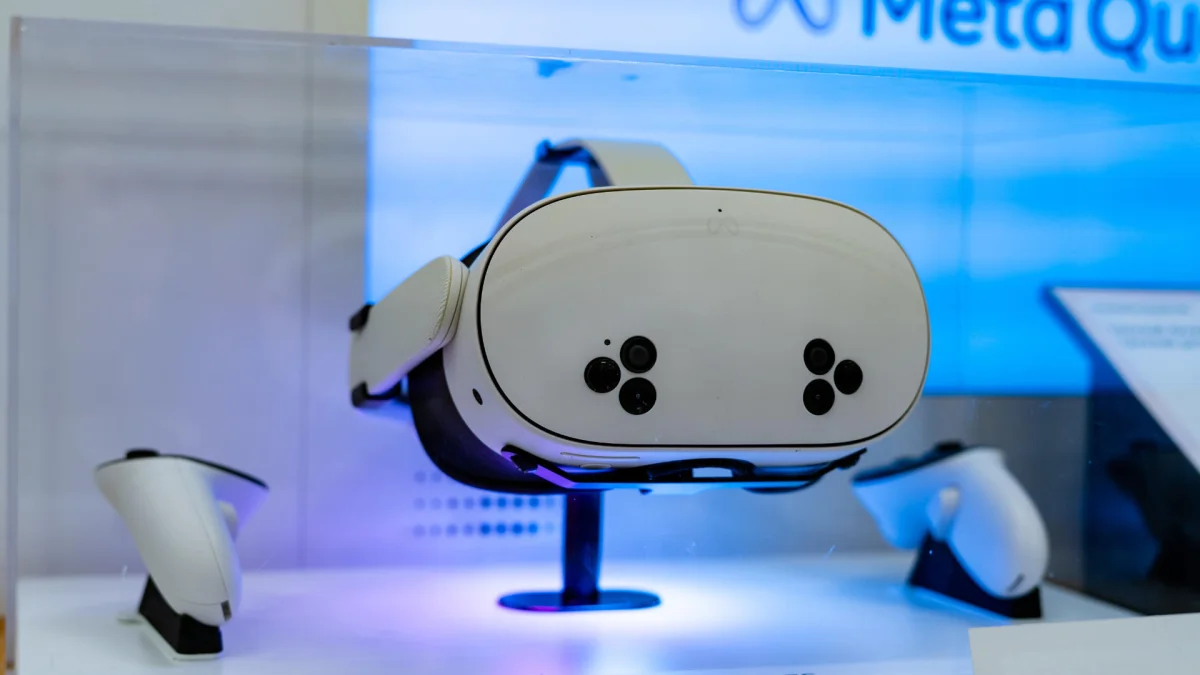
With Meta stepping back from hands‑on publishing, a vacuum has opened—one that former insiders are already moving to fill. The company will remain a major, but more passive, platform operator, leaning on the reality that 86 percent of Quest usage already comes from third‑party apps and content. Meanwhile, new intermediaries are emerging to replace Meta’s direct role. Dark Arts Syndicate, for example, launched in late May 2026 as a publishing and services firm led by ex‑Meta staffers, aiming to plug gaps in developer support and funding. These outfits will not have Meta‑scale budgets, but they may bring healthier incentives: smaller deals, clearer milestones, and a narrower focus on projects that can stand on their own economics. Meta, for its part, is pushing its Reality Labs budget into smart glasses and compact XR hardware, including an internal “Project Phoenix” device and a likely future Quest 4.
This next phase of VR gaming industry consolidation will be less glamorous and more disciplined. Some studios will continue to merge or shutter as shareholders question weak VR returns, like the post‑merger decision that made Skydance Interactive pause VR development. Others will adapt: trimming teams, leaning on cross‑platform releases, and treating VR as one product line rather than a moonshot. An ecosystem that depended on a single corporation was never stable. The upside of Meta’s exit from aggressive VR game funding is that future hits will have to prove they can survive without a single patron propping them up. If VR is to matter in the long term, that discipline is not a tragedy; it is overdue.