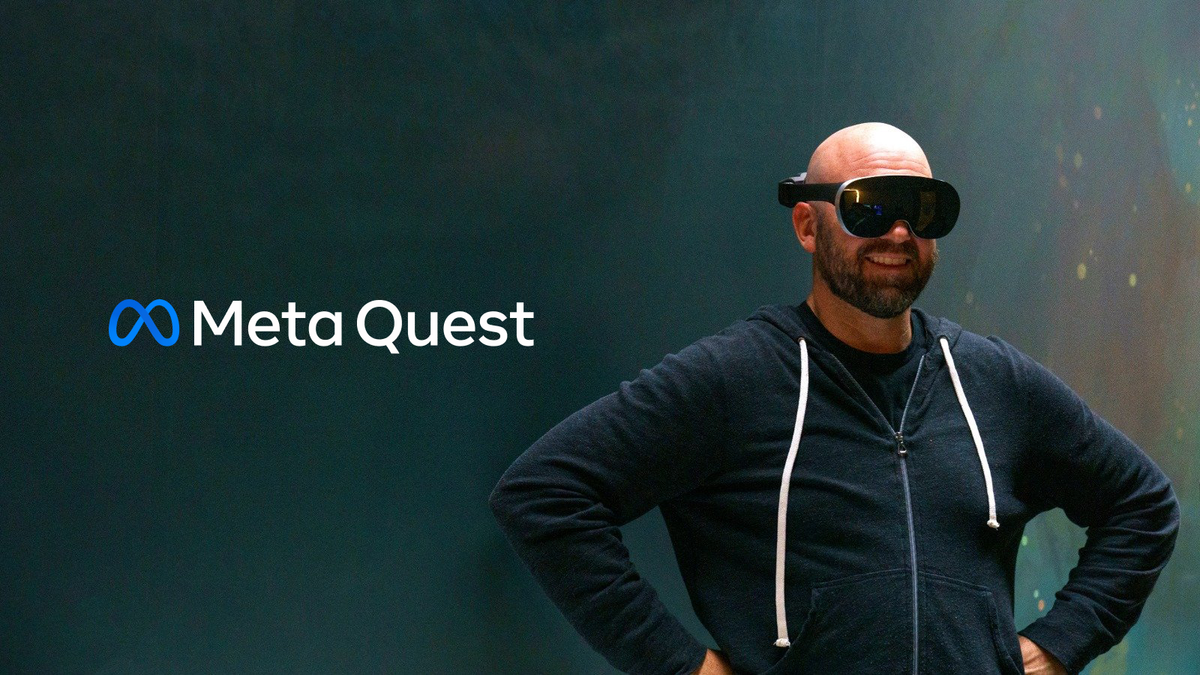

Phoenix: The Ultralight Bet That Aims to Prove VR Isn’t Dead
The Meta Phoenix headset is a rumored ultralight mixed reality device with a tethered compute unit that Meta is developing alongside other next generation VR headsets, and its expected reveal at Meta Connect is shaping expectations for how the company will push mixed reality devices forward for gamers, prosumers, and enterprises. Meta’s CTO Andrew Bosworth has been forced onto the defensive because many observers now assume the company has abandoned VR after shutting down several VR game studios and trimming other XR efforts. His answer in a recent Instagram AMA was blunt: Meta is building “multiple next-generation headsets” and will have “more to share” at Connect, scheduled for September 23–24. That combination of public reassurance and concrete roadmap hints puts Phoenix at the center of Meta’s attempt to restart the XR narrative on its own terms.
What Makes Phoenix Different—and Why It Still Won’t Be a New Paradigm
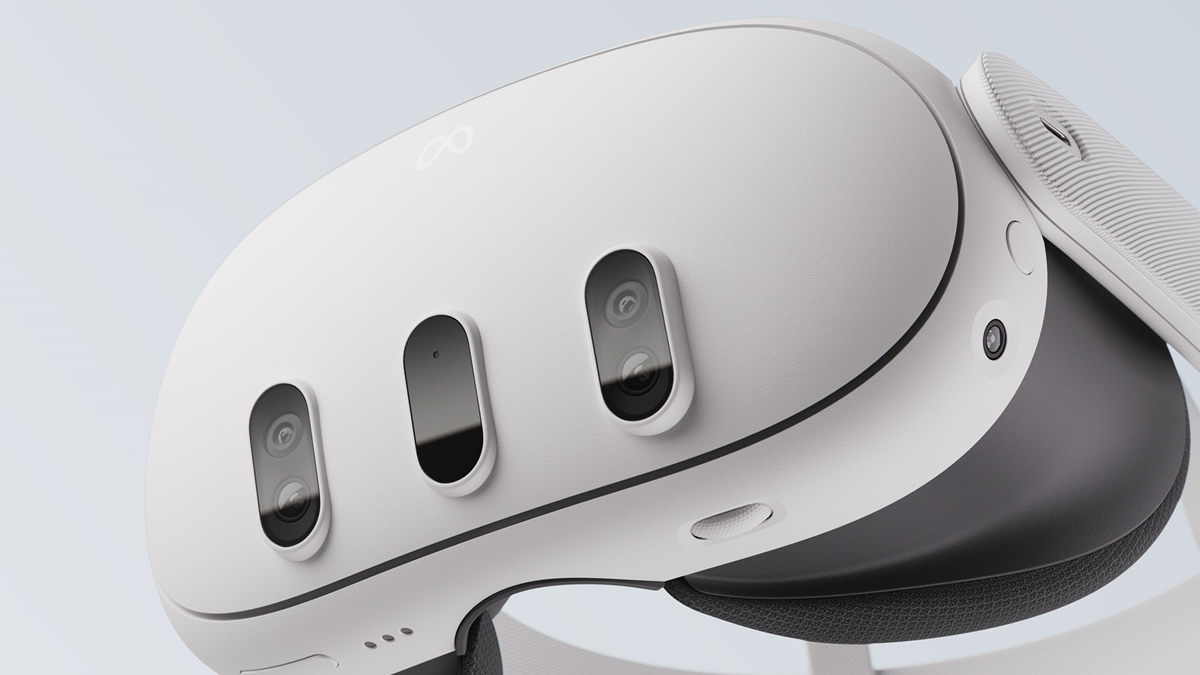
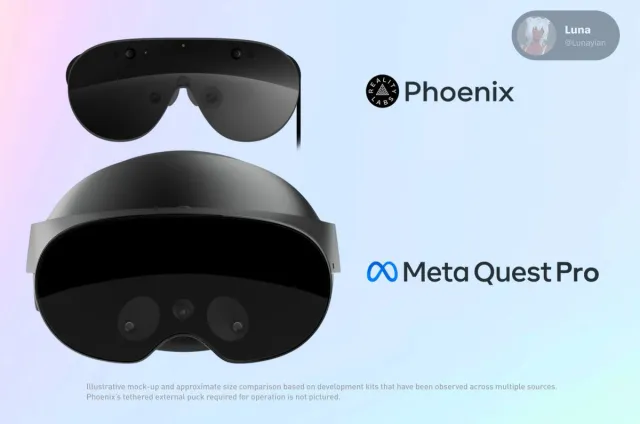
Phoenix, also referred to by codenames like Puffin and Loma, is described as a lightweight mixed reality headset tethered to a compute puck, closer in form to ski goggles than the “shoebox on the face” feel of Quest. Firmware graphics and leaked renders suggest something far slimmer than today’s standalone headsets, likely leaning on high-end components such as MicroOLED panels, eye tracking, and advanced processors similar to Qualcomm’s latest Snapdragon Elite chips. In other words, Phoenix looks less like a wild new idea and more like Meta’s answer to the Apple Vision Pro: a similar paradigm, but cheaper, lighter, and more open to developers and experimental use. That is important progress, but it is incremental. The last time VR truly broke out of a slump, it took a paradigm shift in price and simplicity from the original Quest and Quest 2, not a premium halo device.
The Hard Truth on Pricing, Adoption, and the Coming XR Winter
The uncomfortable reality is that Phoenix is likely to land in the USD 1,000–2,000 (approx. ₱56,000–₱112,000) range based on its bill of materials and Meta’s new focus on economic sustainability. At that price point, you can forget about huge adoption: the device becomes a prosumer or enterprise tool, not the next smartphone. We have seen this story before. Vision Pro sits at around USD 3,700 (approx. ₱207,200), Snap’s Specs at USD 2,200 (approx. ₱123,200), and upcoming devices like Pico Swan and Valve’s Steam Frame are expected around USD 2,000 (approx. ₱112,000) and USD 800–900 (approx. ₱44,800–₱50,400) respectively. Meanwhile, Quest 3—a strong mixed reality device at roughly USD 600 (approx. ₱33,600)—still sold dramatically less than the far cheaper Quest 2. The industry is entering an era where AR/VR is getting expensive, and these headsets, however impressive, will not reach widespread consumer adoption unless a genuinely new everyday use case appears.

Meta’s Diversified Hardware Strategy: Phoenix, Quest 4, and a Smaller but Sharper Market
Bosworth’s insistence that Meta is working on “multiple next-generation headsets” matters because it signals a diversified hardware strategy instead of betting everything on a single device. Internal memos and public comments point to at least two paths: Phoenix as an ultralight mixed reality device with a tethered compute puck, and a more traditional gaming-focused Quest 4 that is a “large upgrade” over Quest 3 but likely sold without the heavy subsidization that defined earlier models. UploadVR’s understanding is that Phoenix should launch in the first half of 2027, with Quest 4 arriving no earlier than late 2027, though Meta’s schedules are known to shift. This multi-headset roadmap is Meta’s way of covering both high-end MR niches and the core VR gaming audience, while also reacting to new competition such as Valve’s upcoming Steam Frame. The goal is not one mass-market smash, but a family of devices that keep VR gaming and mixed reality relevant in a smaller, more demanding market.
What Phoenix Means for Consumers and the XR Ecosystem
Phoenix will not end the XR “winter” on its own, but it could reshape expectations about what mixed reality devices can be. For consumers, the message is clear: the next generation VR era is arriving, but first as premium, niche products that suit enthusiasts, developers, and enterprise clients more than casual buyers. Meta’s own shift into a “more sustainable shape” through studio closures, canceled projects, and a retreat from some Horizon offerings shows that XR must now pay its way instead of being heavily subsidized. In the short term, that means high prices and slower adoption. In the longer term, these devices will open new B2B use cases, give developers fresh hardware to build against, and signal to investors and the press that mixed reality is far from dead. I expect next year to be slightly better for XR, but serious ecosystem growth may not arrive until around 2028, when today’s experiments either prove their value or fade.