
Steam Frame’s Real Launch Product Is the Software
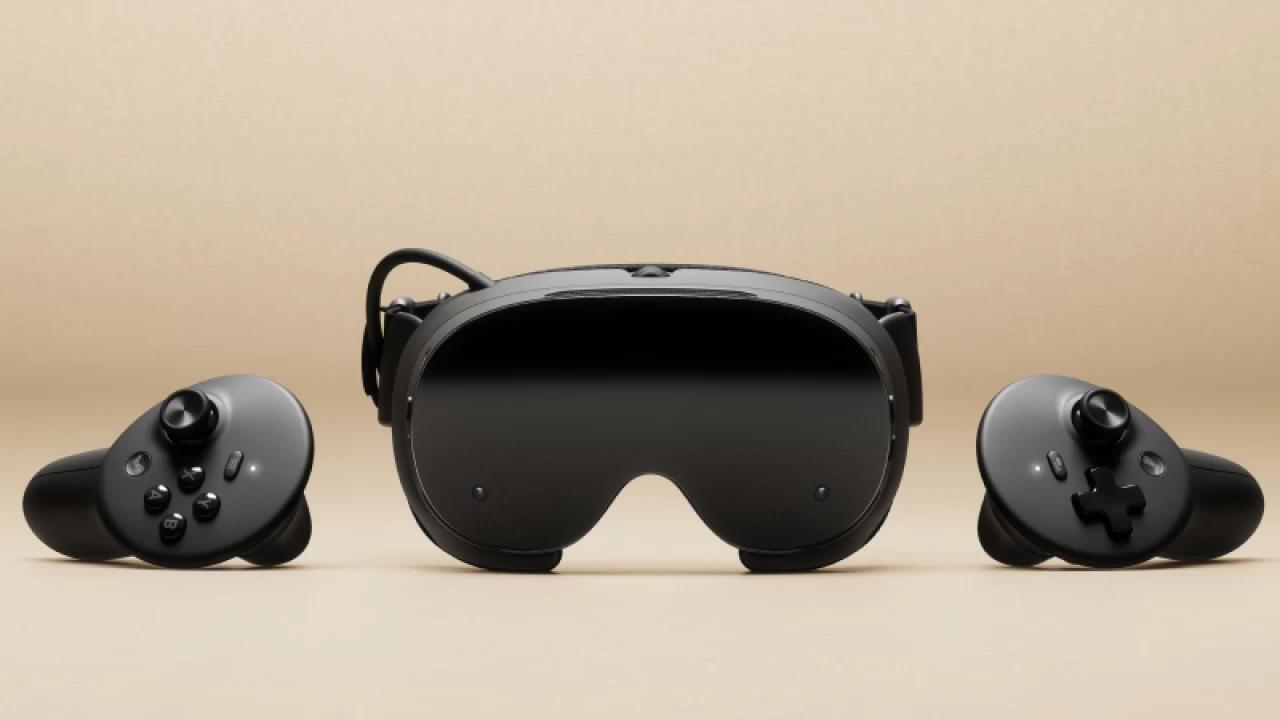
Valve’s Steam Frame is an announced wireless, streaming‑first VR headset that can also run games independently on Snapdragon‑class hardware using a custom Linux‑based operating system, backed by deep Steam integration and a curated library tailored for the device. The interesting story now is not the hardware specs we already know, but how aggressively Valve is reshaping its software stack in the weeks before the Steam Frame release announcement. The pattern is clear: SteamVR beta updates, a first public preview of the Arm‑based Holo Core OS, and a growing “Great on Frame” catalog all land almost together. Valve is not polishing a single headset; it is finishing an ecosystem where desktop Steam, Linux, Android builds, and standalone VR meet. That ecosystem work says more about launch readiness than any teaser trailer ever could.
SteamVR Beta 2.17.4 Turns VR Into a Full Steam Client
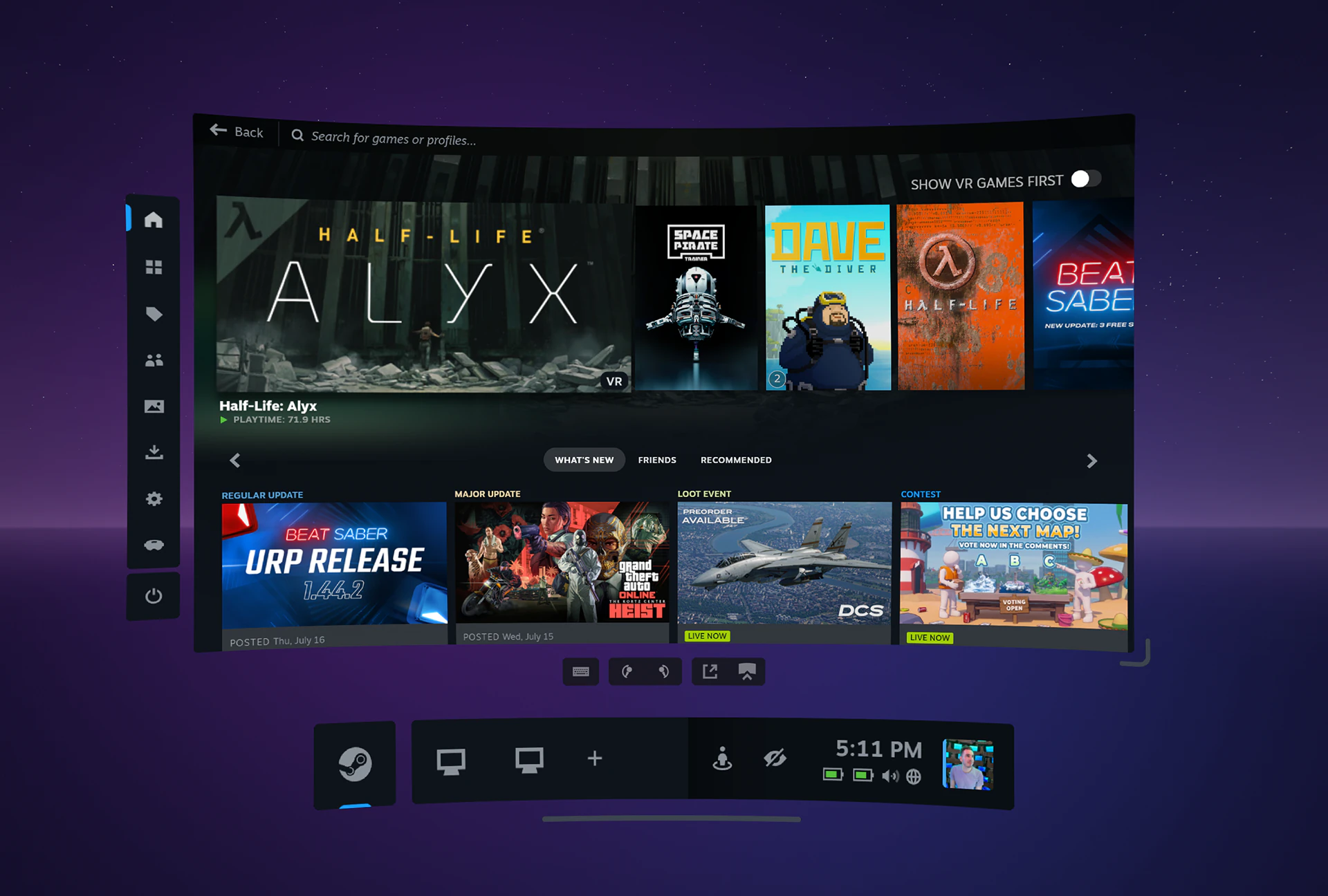
SteamVR Beta 2.17.4 is less a routine patch and more a statement that VR is meant to be a first‑class Steam platform. In‑game, users can now pull up achievements, community guides, and notes from within the VR dashboard instead of juggling windows on a desktop monitor. For a streaming‑first Valve VR headset, that parity matters. The new Quick Access Menu, borrowed from Steam Deck, brings notifications, volume, brightness, and battery status into a single, always‑available panel. Overlay apps can be quit directly, overlays above or below the player have improved orientation, and there is a new slider for environmental and camera brightness. This is Valve closing the gap between “VR launcher” and “Steam client in VR”. The message is blunt: by the time the Steam Frame release lands, users should expect a coherent interface whether they are on a PC monitor, a handheld, or inside a headset.
Holo Core OS: The Arm Linux Foundation Behind Steam Frame
Underneath the UX polish, Valve and Collabora have quietly delivered the first publicly downloadable preview of Holo Core, a pure aarch64 port of Arch Linux aimed at Steam Frame development. This is the operating‑system backbone for a Valve VR headset that must run on a Qualcomm processor while still feeling like SteamOS. Holo Core is not a general Arm Arch spin; its initial target is the package set needed for Steam Frame development and OS image creation, which still grows to several thousand packages once build and runtime dependencies are counted. Developers already get package servers, source trees on Valve’s GitLab, and a base‑devel container that can run on native Arm systems or via QEMU on x86‑64 through Docker‑style tools. According to Collabora, it intends to work with the upstream Arch project on aarch64 support and automated, repeatable builds, turning this experimental port into a stable base over time.
“Great on Frame” Grows, and It Matters More Than Specs
Hardware launches fail when the store feels empty or uncertain. Valve is trying to pre‑empt that by slowly populating a “Great on Frame” page, which highlights games rated Playable or Verified for the headset. That list has now grown to 8 titles after two more VR games, Ancient Dungeon and Underdogs, were added. Both new entries carry the Steam Frame Verified badge, meaning they work with the default controller layout and graphical settings, display correct controller icons, and keep text readable. Ancient Dungeon has even uploaded a native Android version, a strong hint that Valve is serious about standalone play instead of treating Steam Frame as a glorified streaming client. There is still no date for the Steam Frame release announcement, but the careful, incremental curation of games makes it look “more and more like it’s going to happen very soon”.

Desktop, Linux, and VR Are Converging Into One Valve Platform
Viewed together, these moves reveal Valve’s real goal: merge the desktop Steam experience, Linux‑driven devices, and standalone VR into one continuous platform. SteamVR Beta 2.17.4 brings the familiar Quick Access Menu and full Steam overlays into VR. Holo Core pulls Arm hardware into the same SteamOS family used by the Steam Machine and other devices. The “Great on Frame” list tries to guarantee that when users unbox a Valve VR headset, they can buy with confidence instead of gambling on compatibility. Valve has not added new pricing or launch details for Steam Frame, but it has made something more meaningful: visible progress on the pieces that decide whether the headset becomes a daily device or a toy. If this ecosystem‑first strategy works, the Steam Frame release will feel less like trying yet another gadget and more like logging into Steam from a new doorway.