
A VR Game Developer Controversy That Became a Trust Stress Test
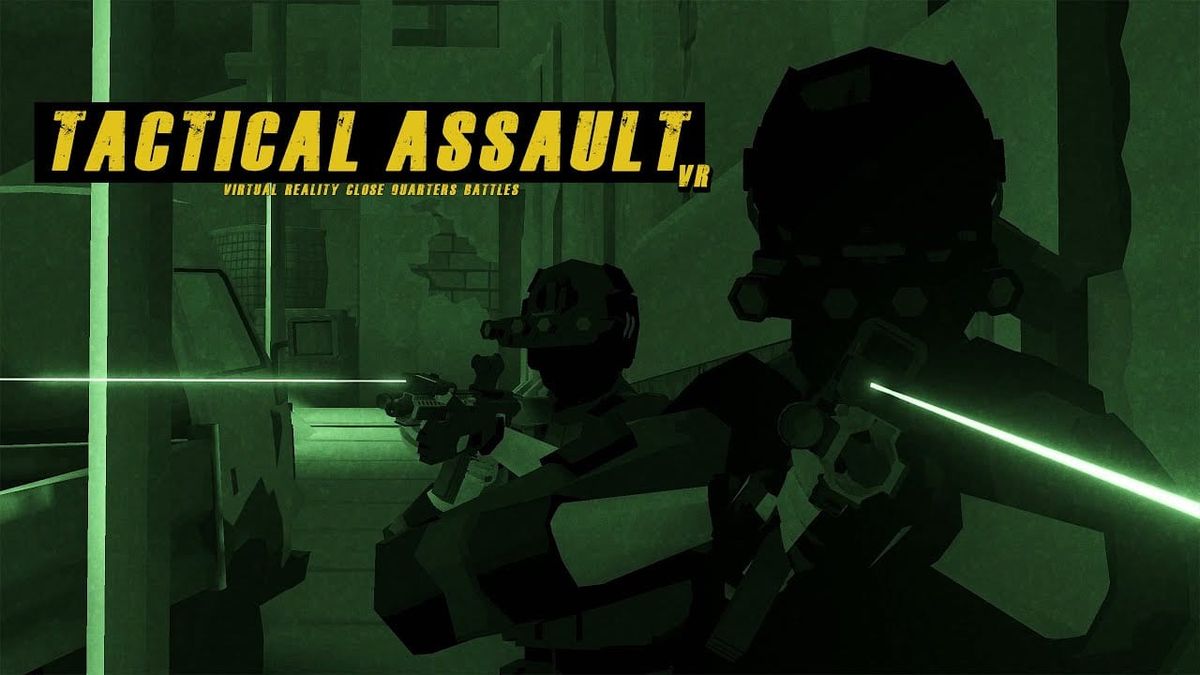
The current VR game developer controversy around Tactical Assault VR is a stress test of how misconduct by studio leaders can damage community trust, force commercial partners to react, and expose the gaming industry’s weak standards for vetting who builds and profits from our favorite titles. This is not a neutral incident; it is a collision between player expectations of safety and transparency and an ecosystem that has long treated developer backgrounds as an afterthought. After news surfaced of a 2020 arrest and subsequent conviction of lead developer Xerxes “Jarvis” Sangco, the game was rapidly dropped by publisher 2080 Games and saw its association with Combat Waffle Studios severed. What could have remained a niche VR shooter is now a cautionary case study in gaming industry accountability and reputational risk.
Rapid Partner Exodus and a VR Studio Leadership Crisis
Once Sangco’s criminal history became widely known, the reaction from business partners was swift and unforgiving. 2080 Games publicly stated that, "Yesterday we became aware of a past incident related to the developer of Tactical Assault VR. Consequently, we have made the decision to terminate our publishing agreement with the developer and the game." Combat Waffle Studios followed by removing all Tactical Assault content and declaring, "Our relationship with Tactical Assault is over. We will not promote, support, or associate with the project going forward." This was more than moral distancing; it was risk management. Supporting a title led by a convicted child sex offender threatened to contaminate their own brands. Inside HammerFire Interactive, the fallout triggered a VR studio leadership crisis. In direct response to community outrage, developer "Puddle" announced that Sangco is "stepping down as game developer, thus ending his involvement with Tactical Assault VR's development, leadership and decision making processes." The message is clear: in VR gaming, leadership conduct can now cost you your partners overnight.
Community Trust in Gaming: Outrage, Division, and Practical Fallout
Players are no longer passive consumers in this story; they are the enforcement mechanism for gaming industry accountability. HammerFire’s statement admits the project "has taken a fatal hit in reputation and confidence" and calls the community’s outrage "fierce and justified." At the same time, it urges people to stop issuing death threats, exposing the darker edge of community anger. Practically, this controversy affects ordinary users in concrete ways. There will be a delay until the next game update while development and ownership are handed over, although the game remains playable for now. Mod support is delayed, and planned future DLCs are put on hold in favor of expanding existing ones. Reviews on Steam and Quest show multiple players swearing off the game entirely because of Sangco’s involvement, even before his exit was confirmed. The Discord community is divided between those who see stepping down as enough and those who believe any association with Tactical Assault VR is now tainted. Community trust in gaming is clearly not guaranteed; it has to be earned, and it can evaporate fast.
Platforms, Publishers, and the Cost of Weak Vetting
The most uncomfortable lesson from this VR game developer controversy is that the broader ecosystem helped normalize the risk. Tactical Assault VR was included in a recent game bundle, and only later did the curator note it "was not aware of this information" about Sangco’s past when the game was added. That gap is not unique; the industry lacks formal vetting standards for developer backgrounds, leaving platforms and publishers exposed to sudden trust erosion when hidden misconduct surfaces. Once the arrest and conviction became public knowledge, partners had little choice but to cut ties to protect themselves, demonstrating how high-profile controversies create reputational risk for any VR platform or publisher seen as backing problematic titles. Yet the ownership question remains unresolved: if Sangco still holds the legal rights to Tactical Assault VR, future revenue could continue to flow to him, despite his public removal from development. That contradiction shows how shallow "stepping down" can be when there is no structural framework for handling misconduct in game leadership.
What Accountability Should Look Like in VR Gaming
The Tactical Assault VR leadership crisis should be treated as a turning point, not a one-off scandal. The project will continue under the leadership of Puddle and Black Canto and without a publisher, but even they admit the game’s future is "uncertain at best." That uncertainty reflects a deeper truth: VR gaming cannot rely on ad hoc community outrage and hurried corporate statements as its only accountability mechanisms. Platforms, publishers, and studios need clear standards for background checks, transparent ownership structures, and defined responses when serious misconduct comes to light. Without those, every new incident will drag players, partners, and developers through the same chaos of anger, boycotts, and ambiguous handovers. Community trust gaming depends on more than good marketing and fun mechanics; it depends on believing that the people profiting from virtual worlds respect real-world safety and ethics. Until the industry proves it can enforce that belief, trust will remain fragile—and every controversy will be another stress test it might fail.