
Wearable Health Apps vs Third‑Party Platforms: The Real Battle
Wearable health apps are software platforms that collect, display, and interpret data from fitness trackers and smart devices, turning raw information about activity, sleep, and wellness into daily insights that are meant to guide behavior, track progress over time, and connect multiple touchpoints in a person’s health routine.
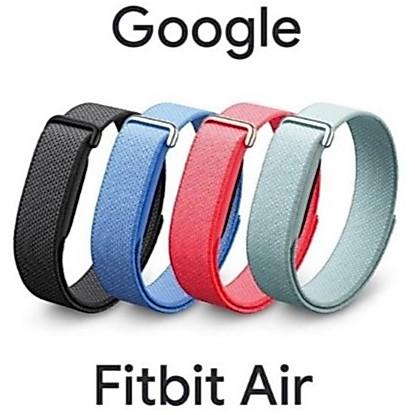
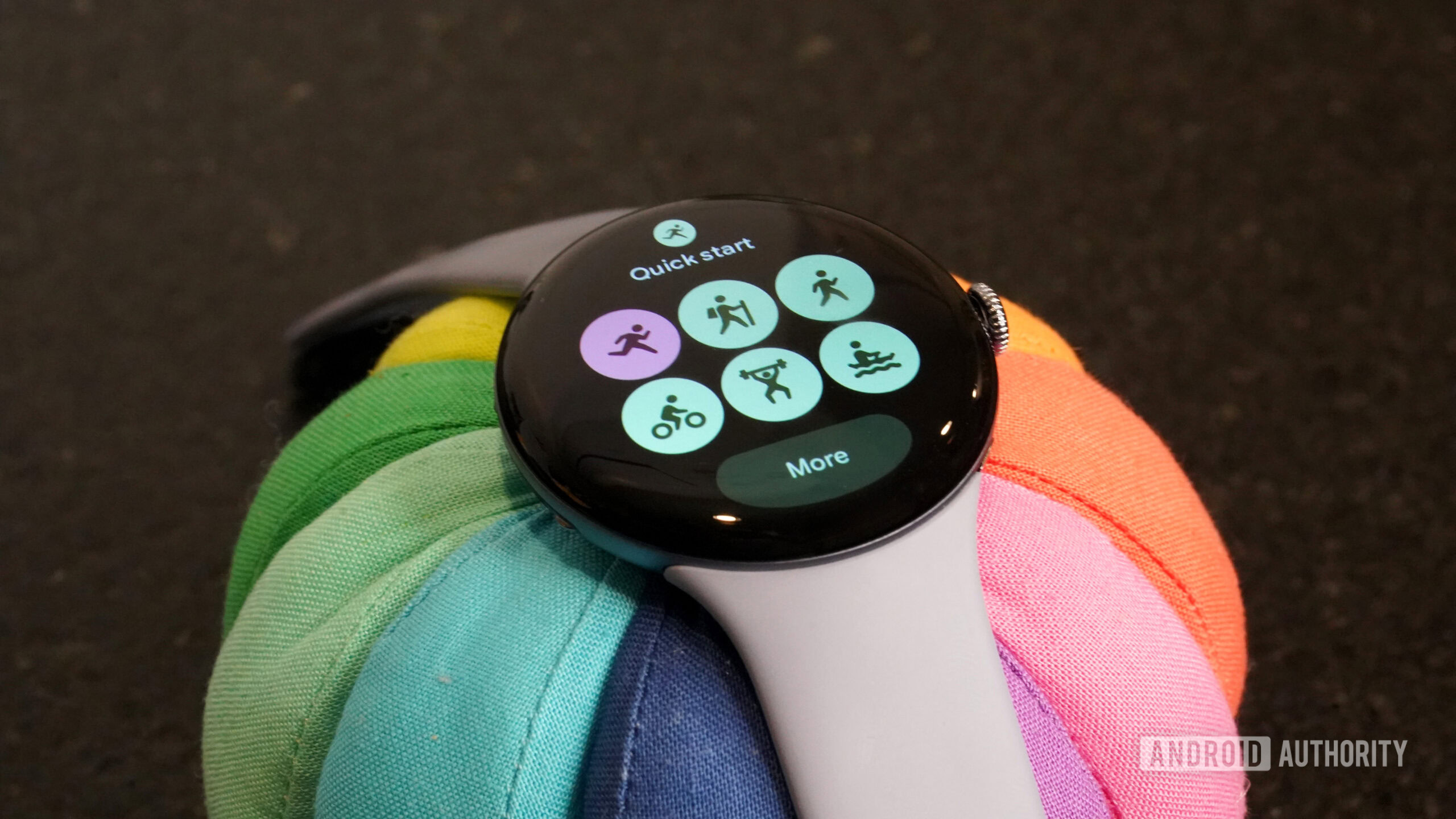
The key story in wearable health apps today is not hardware; it is who controls the data and how tolerable the software feels to use. Native apps from big manufacturers are increasingly built around premium upsells and AI “coaching,” while third‑party fitness apps focus on clear dashboards, cross‑device sync, and fewer nags. The tension shows up starkly with the Fitbit Air, a USD 99 (approx. ₱5,600) screenless tracker that is elegant on your wrist but weighed down by its own Google Health app. Users who bought minimal hardware are discovering maximal software clutter—and many are opting out.
When Premium Makes the Experience Worse
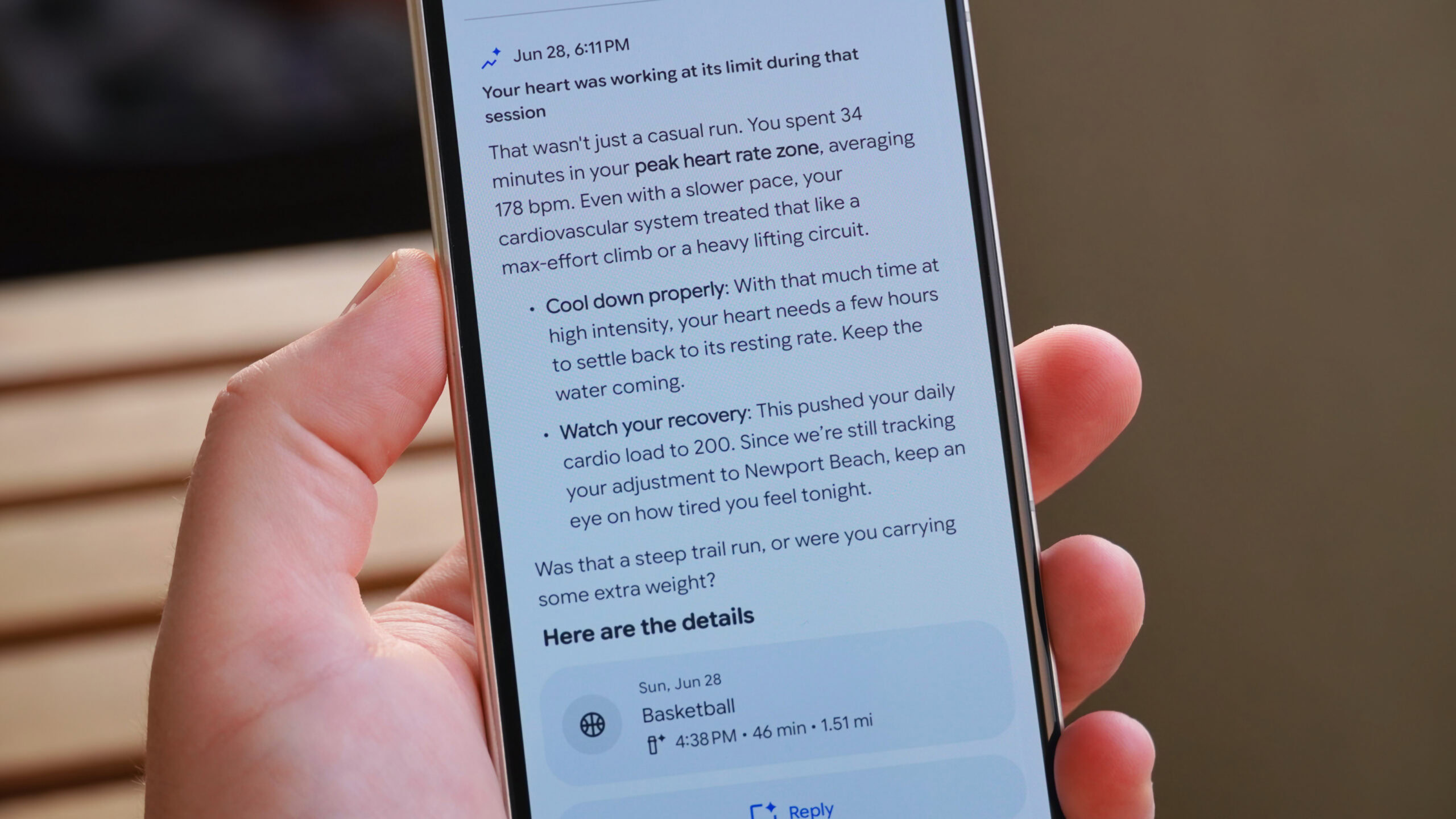
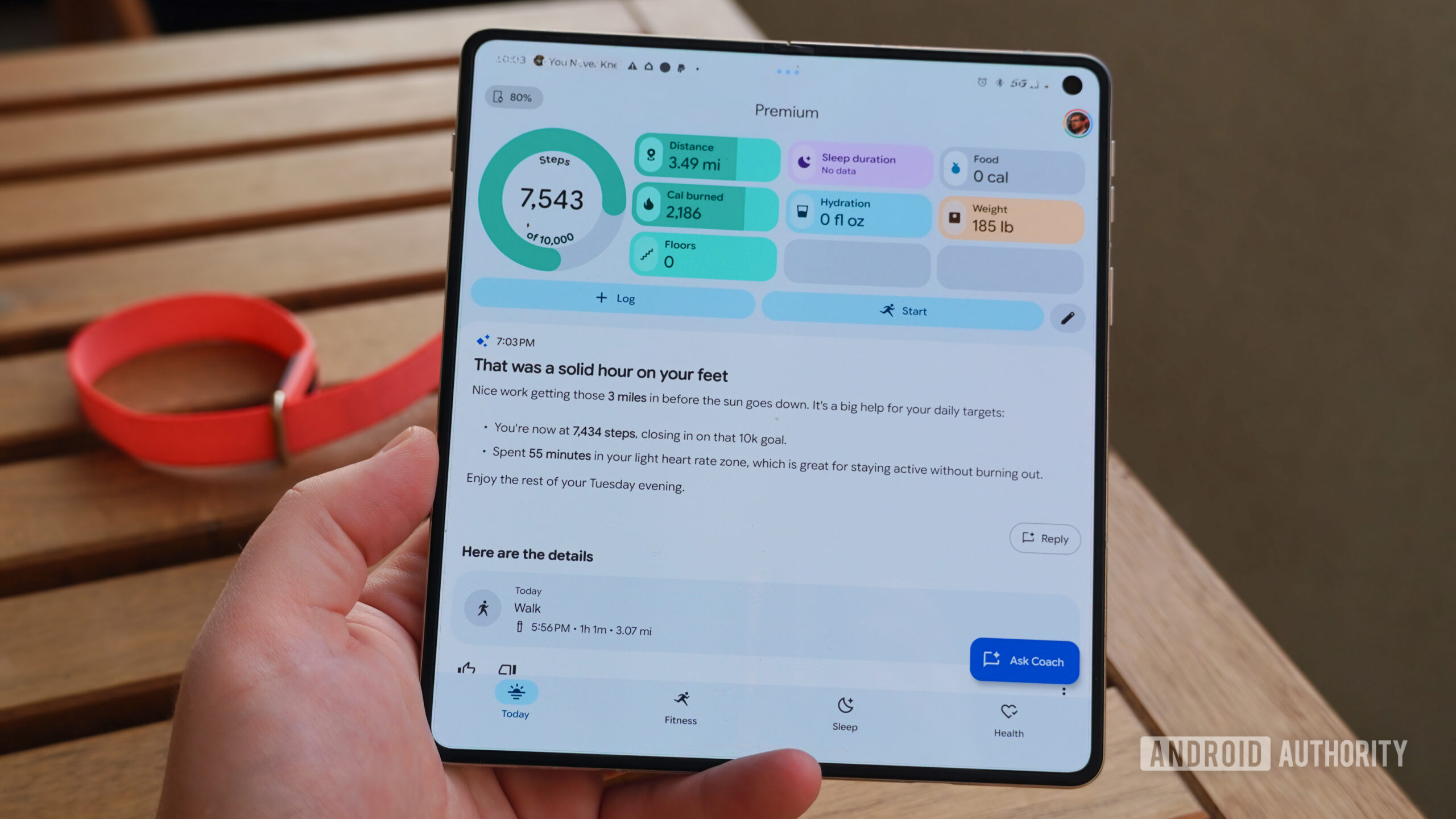
Google Health Premium is sold as the smarter layer on top of basic tracking, bundled with the Gemini‑powered Health Coach and priced at USD 9.99 (approx. ₱560) per month or USD 99.99 (approx. ₱5,600) per year. All the essentials—activity, sleep, basic health metrics, and wellness logging—remain free. In theory, paying should enhance those basics. In practice, subscribers report the opposite: “subscribers get the worse version of the app, because free users see a concise timeline of their activity, sleep, and logged data without the superfluous AI text”.
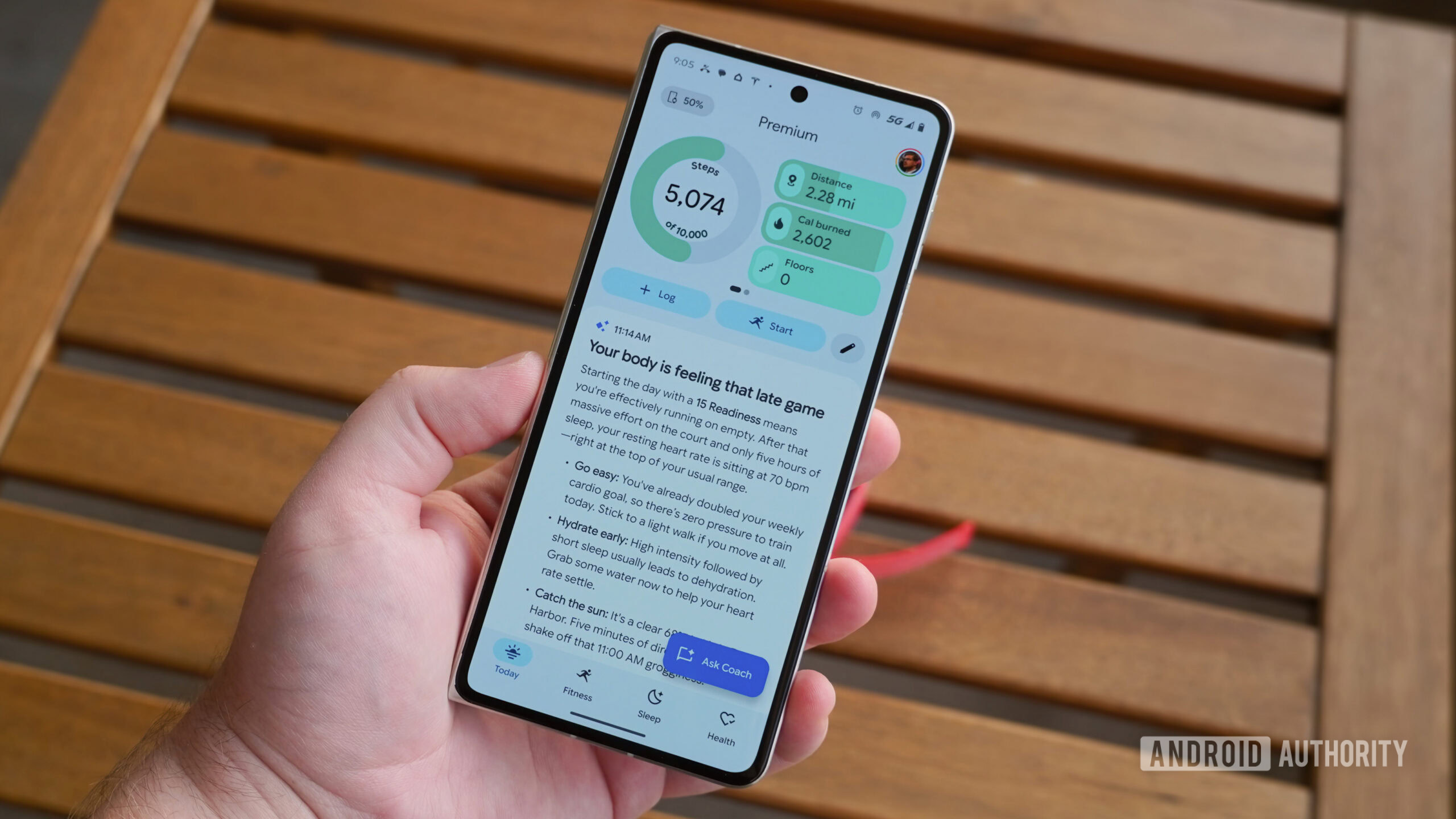
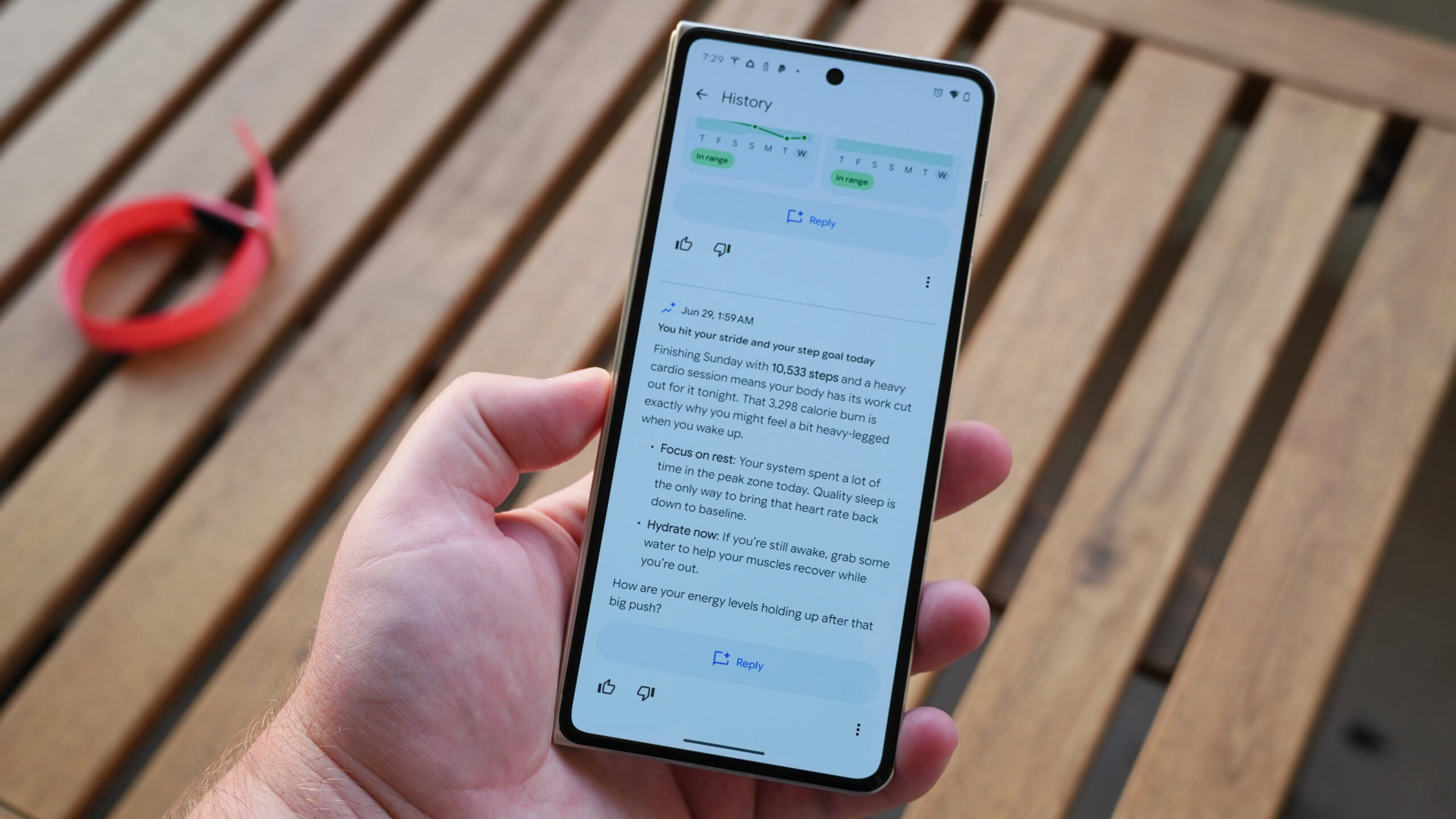
Health Coach entries dominate the Today, Fitness, and Sleep tabs, pushing the very metrics people opened the app to see below the fold. Worse, the AI commentary is described as long‑winded, often summarizing simple data points like steps and calories in padded paragraphs. Those paragraphs come with a disclaimer that AI responses may contain mistakes and are “not for medical advice,” which means they are coloring objective data with educated guesses at the cost of screen space and attention. If premium turns a clean dashboard into an endless feed of wordy guesses, it is no surprise users look elsewhere.
Bevel: Cleaner, Cheaper, and Better at Health Data Management
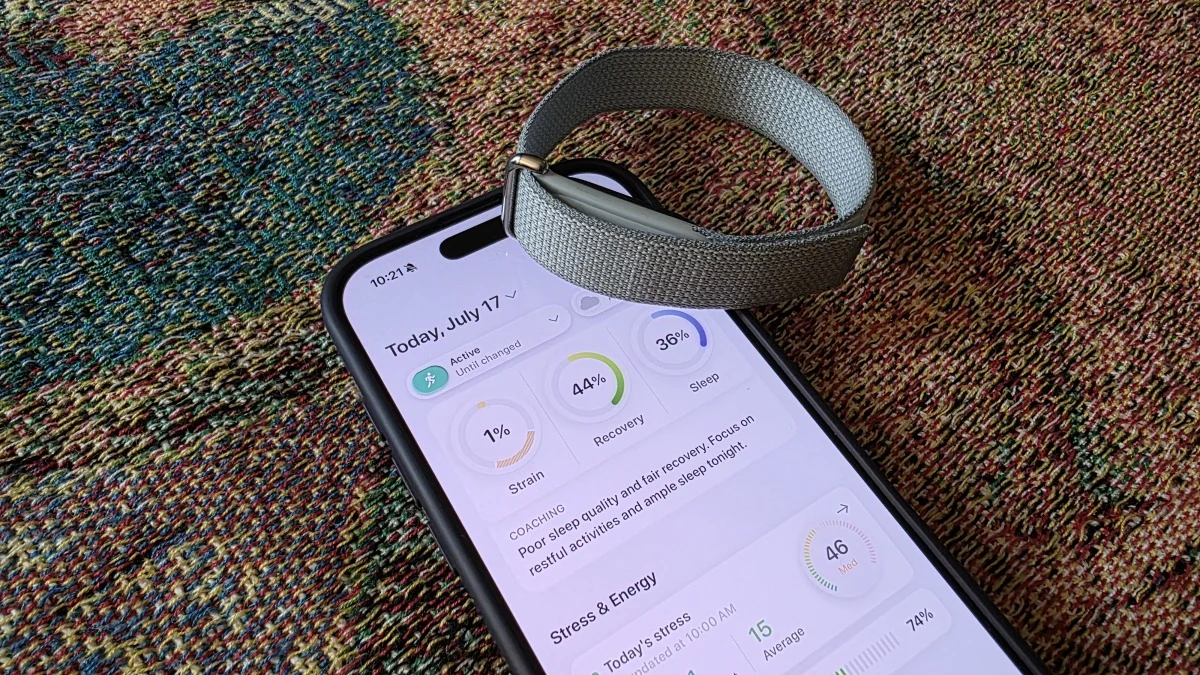
Bevel represents what many users expected from native wearable health apps in the first place: focused health data management instead of a sales funnel. It is an iOS app that reads health and fitness data from Apple Health and can pull data directly from Garmin, Oura, Strava, or Google Health. That means you can wear a Fitbit Air, let Google Health collect the data in the background, and then ignore it—browsing your stats and tracking workouts entirely through Bevel.
Bevel is free to use, with only a few add‑on features behind a paywall. On the free tier, it offers habit logging, strength training that tracks which muscles you worked and whether you are getting stronger, live activities for workouts, and food logging with barcode scanning. Meanwhile, Google Health locks barcode scanning behind its Premium subscription and AI features. One reviewer concludes that the Bevel free tier is a much better way to view Fitbit Air data than either Google’s free or premium tiers. Yes, Bevel also offers a premium tier with AI coaching and an estimate of “biological age,” which is an optional extra with similar caveats about AI’s limits. The difference is that its core utility is not gated.
From Device‑Locked to Device‑Agnostic: Why Portability Wins
Native ecosystem apps like Google Health are still largely device‑locked; they assume your Fitbit or other branded wearable will be the center of your universe. Third‑party fitness apps flip that model. Because Bevel can ingest data from Garmin, Oura, Strava, and Google Health all at once, it functions less as a companion to one device and more as an independent health data platform. You can switch trackers, add a new sensor, or try a different workout service without losing your history or juggling four dashboards.
This cross‑device compatibility is about more than convenience; it is a quiet form of personal data ownership. When your records live in a neutral hub instead of a single manufacturer’s silo, you keep continuity even as you experiment with new hardware. Health data portability—your ability to move, combine, and keep using your metrics across devices—is becoming a key differentiator in wearable ecosystems. The brands that cling to closed, upsell‑driven apps will find themselves competing not only on hardware features, but against platforms that treat your information as yours to move.
Users Are Voting With Their Thumbs
As AI‑heavy premium layers pile into native wearable health apps, more people are simply opting out. One Fitbit Air owner describes Google Health Premium as a “net negative” to the app, noting that free users have a better, more streamlined experience because their timelines are not clogged with redundant AI commentary. When an upgrade makes the product worse, it stops being an upgrade. That frustration is exactly what pushes people toward independent solutions that do less—but do it better.
Using a third‑party app with a native wearable has moved from a power‑user hack to a mainstream workaround. People pair a USD 99 (approx. ₱5,600) Fitbit Air with Google Health only as a data pipe, then offload everything they care about to Bevel. They gain a clearer interface, useful features on the free tier, and a central hub that can outlive any single gadget. The message to manufacturers is plain: stop treating users’ attention and health records as subscription fuel. If native apps keep chasing upsells over usability, third‑party platforms will continue to outperform them—not by being louder, but by getting out of the way.