
A Five-Year-Old GPU Returns as Today’s Budget Workhorse
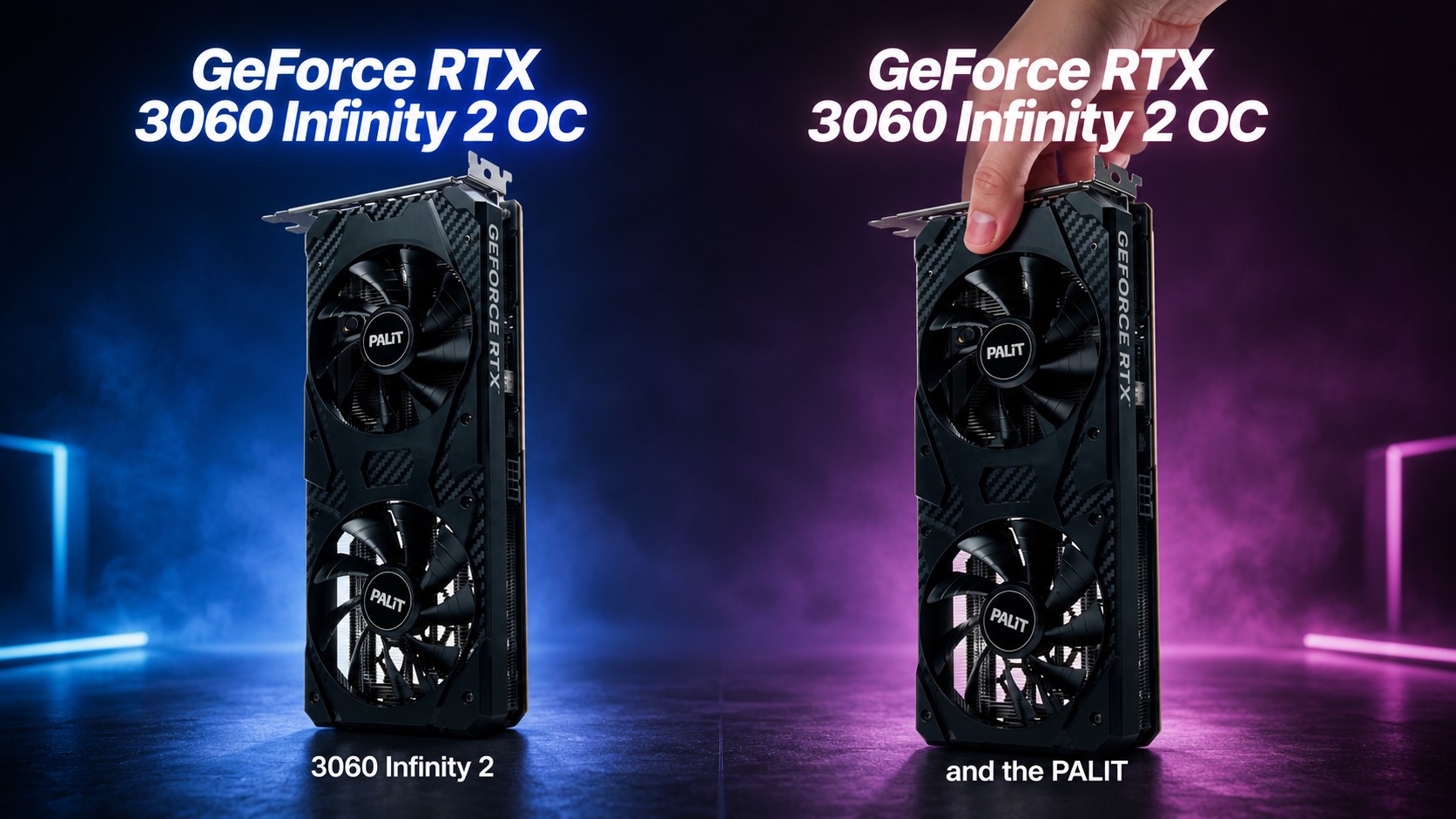
The RTX 3060 Infinity 2 OC revival refers to Palit re‑introducing Nvidia’s RTX 3060 GPU with a new cooler and PCB five years after its original launch, highlighting how AI‑driven memory shortages and a struggling budget graphics cards segment are forcing manufacturers to lean on older Ampere silicon instead of pushing truly new low‑end products. This is not a sentimental throwback; it is a stress signal from the GPU market. Palit Microsystems officially announced the GeForce RTX 3060 Infinity 2 OC on July 16 as a new product based on Nvidia’s previous‑generation RTX 3060 GPU. The card keeps the original GA106 core—3,584 CUDA cores, 12GB of GDDR6 on a 192‑bit bus and 360 GB/s of bandwidth—but adds fresh engineering around it, including a dual‑fan cooler, 0dB silent mode, and a protective backplate. In other words, the hardware shell is modern, the heart is 2021, and that mismatch speaks volumes about the current GPU shortage.
| Spec | Original RTX 3060 | Palit RTX 3060 Infinity 2 OC |
|---|---|---|
| GPU architecture | GA106 (Ampere) | GA106 (Ampere) |
| CUDA cores | 3,584 | 3,584 |
| Memory | 12GB GDDR6, 192-bit | 12GB GDDR6, 192-bit |
| Boost clock | Similar class | 1792 MHz boost |
| Bandwidth | 360 GB/s | 360 GB/s |
| Cooling | Older dual/tri‑fan designs | Dual‑fan, 0dB mode, backplate |
GDDR7 Shortage: Why Old Ampere Chips Look New Again
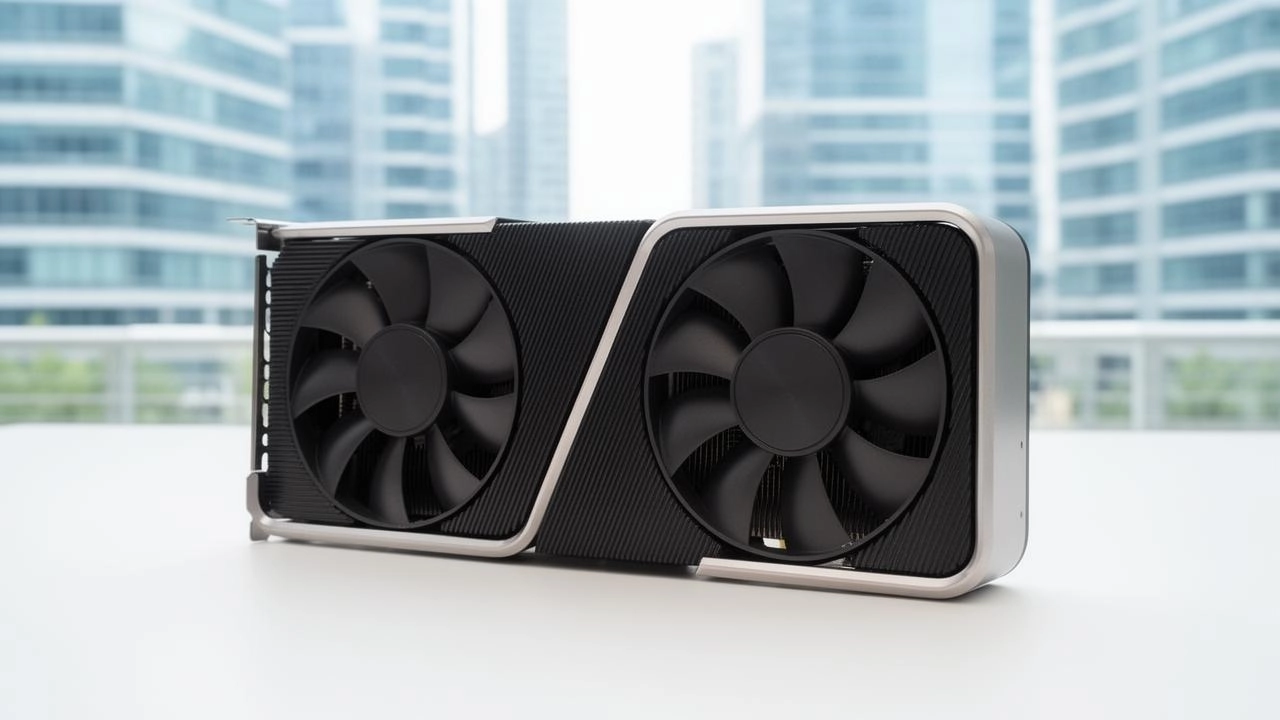
The RTX 3060’s return is less about nostalgia and more about a memory crunch that has backed GPU makers into a corner. Nvidia’s current RTX 50 series relies on GDDR7, the same type of memory produced by Samsung, SK Hynix and Micron for AI accelerators using high‑bandwidth memory. Explosive AI demand has distorted the semiconductor supply chain, pushing manufacturers to prioritize high‑margin HBM and server‑grade DRAM over consumer GDDR7. With AI build‑out now consuming roughly 20% of global DRAM wafer capacity, according to TrendForce, GDDR7 is both scarce and costly. The result: budget RTX 50 GPUs are chronically short on shelves, and planned entry‑level models like the RTX 5050 9GB are reportedly delayed by the same GDDR7 constraints. In that vacuum, Nvidia has revived the GA106 chip and restarted production on Samsung’s older 8nm line, sidestepping TSMC’s crowded advanced nodes and letting partners recycle Ampere as an emergency stopgap. It is a clever workaround—but also a sign that the industry cannot meet demand for truly new low‑end silicon right now.
Why a 12GB, 4% Market-Share Veteran Still Matters
If the RTX 3060 were a weak relic, this revival would be pointless. It is not. The 12GB version remains one of the most popular desktop GPUs, holding nearly 4% share in the latest Steam Hardware Survey, while RTX 50 cards such as the RTX 5060 sit below 3%. That popularity is not accidental: the card delivers smooth, stable framerates at 1080p in modern games and offers enough VRAM headroom for heavier texture loads. The 12GB capacity stems from its 192‑bit bus: twelve 1Gb GDDR6 chips are required to fill the bus, and that architectural choice accidentally created a memory sweet spot that feels increasingly relevant. By contrast, the RTX 5060’s 128‑bit bus paired with GDDR7 yields 8GB, higher bandwidth at 448 GB/s but lower capacity. That matters when modern AAA titles and ray tracing push past 8GB at high settings, or when local AI workloads need 8–9GB of weights alone. In the entry‑to‑mid range, capacity now matters almost as much as speed—and the 3060 still ticks that box.

Budget Builders Are Being Forced Into Yesterday’s Silicon
The harsh truth is that the budget graphics cards segment has been neglected to the point that reviving a five‑year‑old GPU looks like a reasonable move. Current‑generation RTX 50 budget cards have been scarce since launch, with the RTX 5060 trading above its intended price range and drifting away from genuine entry‑level territory. According to one estimate, Palit’s Infinity 2 OC could land around USD 329 (approx. ₱19,000), a price bracket already occupied by newer options—but some RTX 3060 boards can still be found under USD 300 (approx. ₱17,300), and that is where they become compelling. At that level, 12GB of VRAM and solid 1080p performance stack up well against newer cards hamstrung by capacity. The catch: Ampere lacks the latest features such as DLSS 4‑era frame generation and other modern technologies, and buyers may later regret choosing extra memory over future‑proof capabilities. Budget builders now face an unappealing trade‑off between feature‑rich, under‑supplied new cards and older, memory‑rich designs being pressed back into service.
How PC Builders Should Respond to the Ampere Revival
Palit planning both an overclocked Infinity 2 OC and a standard‑clock RTX 3060 variant tells us this is not a one‑off stunt but a broader strategy to shore up the low‑end market until memory supply improves. Similar boards have already appeared from other partners, and retail listings have followed a phased rollout where European and Chinese shelves saw new RTX 3060 cards before one model surfaced on a major US online retailer. Builders should treat this Ampere GPU revival as a tactical window, not a long‑term solution. If you need a card now and can find an RTX 3060 12GB clearly below high‑end RTX 50 pricing, it is a defensible choice for 1080p gaming and light AI workloads. If you can wait, the smarter play is to hold off until the GDDR7 memory shortage eases and genuinely new budget architectures return. The Infinity 2 OC is a symptom: AI demand and constrained memory are steering consumer GPUs toward recycled designs, and that will keep warping build decisions until the supply chain catches up.