
Blood Pressure Wearables: Alerts vs Actual Numbers
Wearable BP tracking refers to devices worn on the body, such as watches or rings, that monitor cardiovascular signals to estimate blood pressure over time without interrupting daily activities, often aiming to supplement or replace traditional cuff-based measurements for ongoing health management.
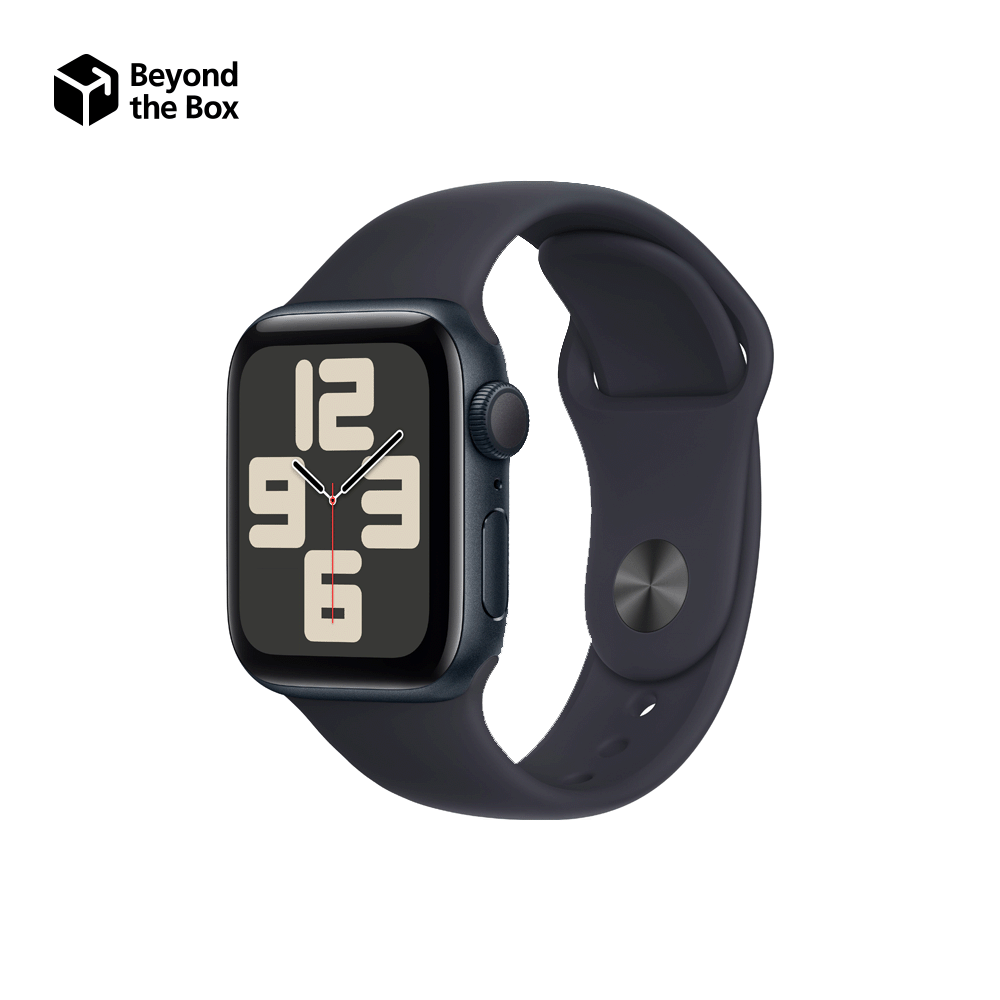
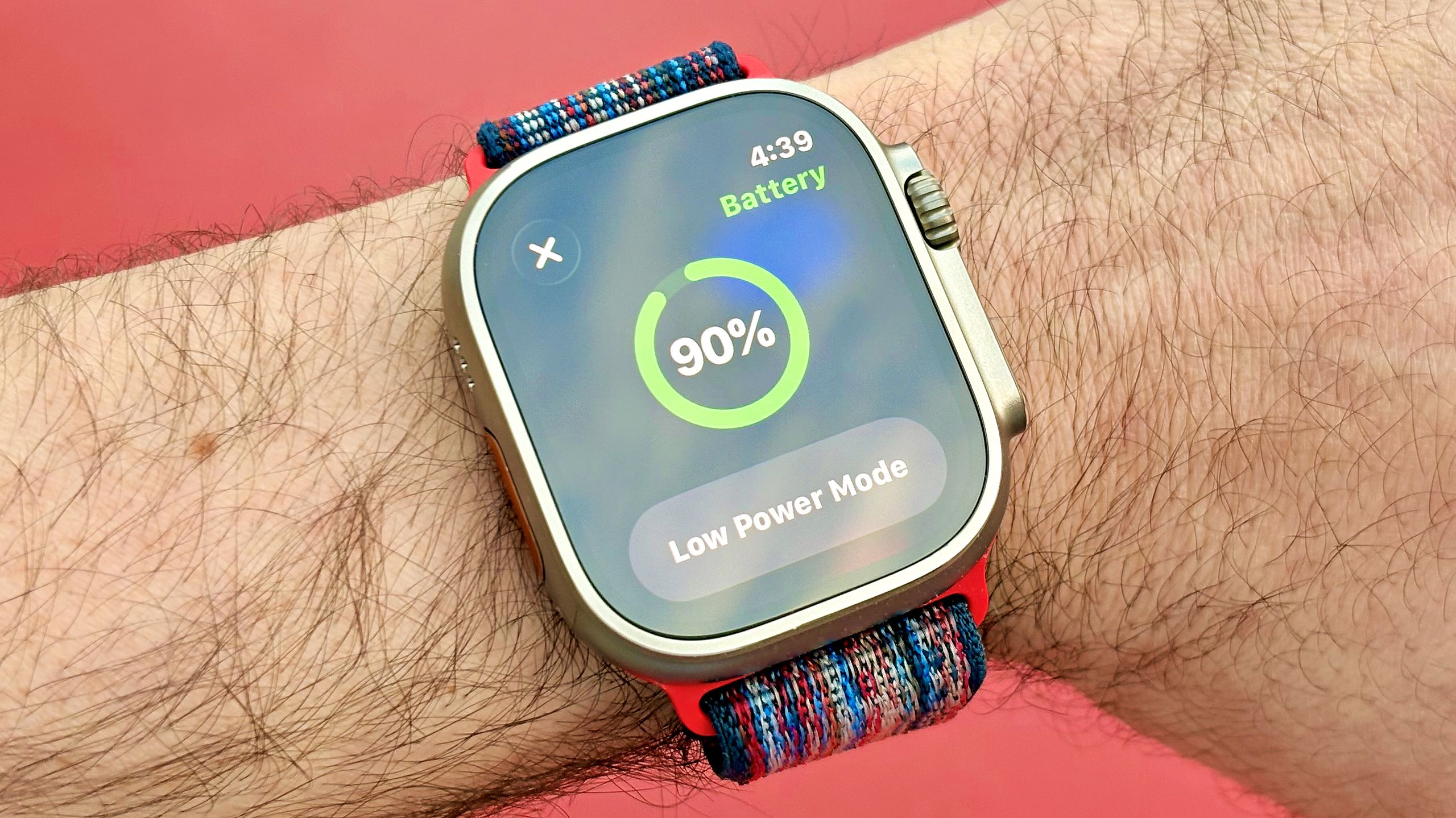
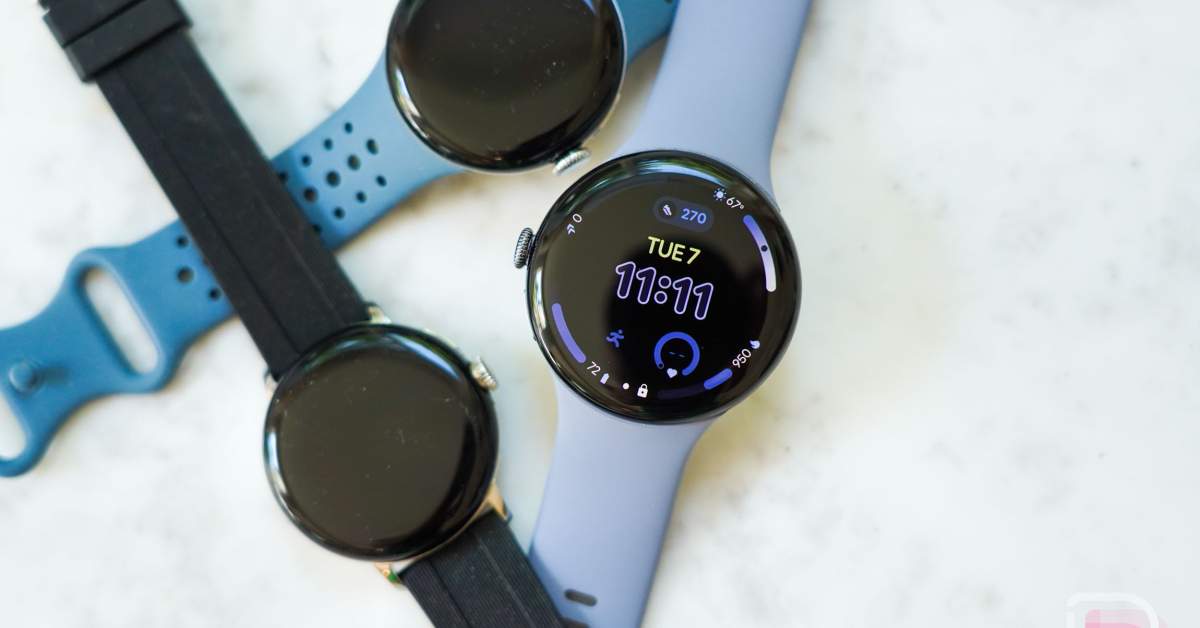
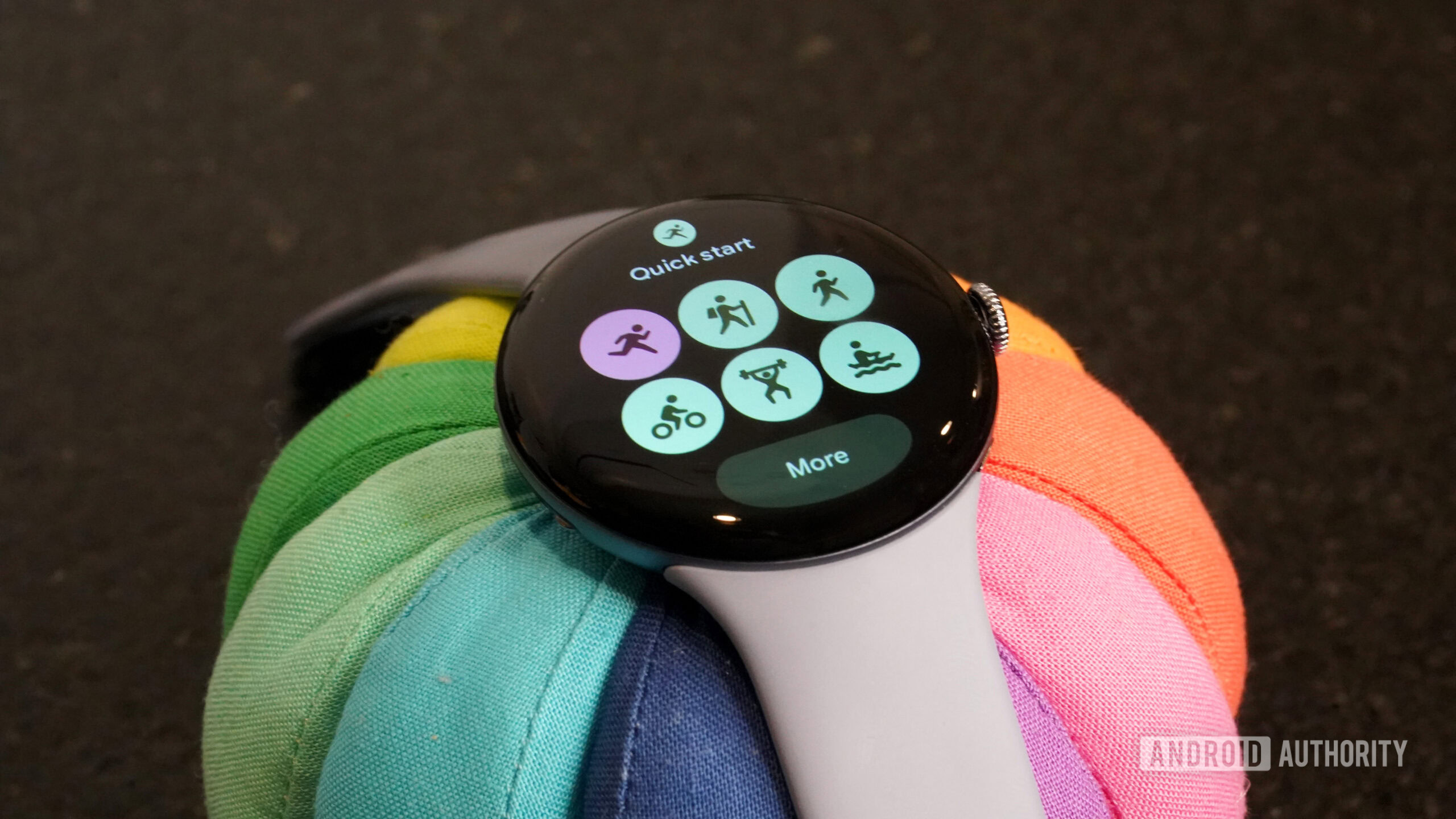
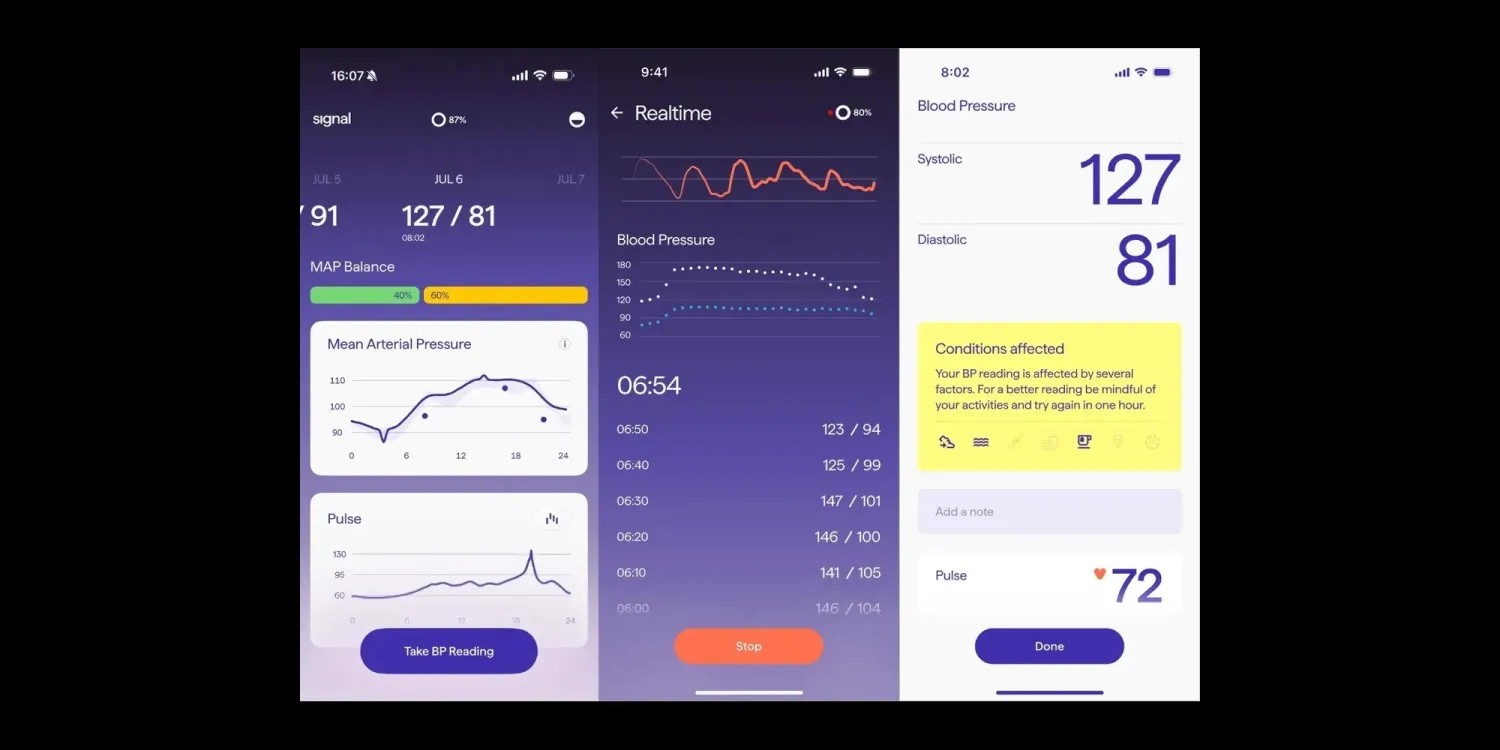
When it comes to blood pressure, an alert without a number is like a smoke alarm that beeps but hides the flames. Five smartwatch models can now measure blood pressure trends and flag signs of possible hypertension, yet they do not show your actual blood pressure readings. In contrast, the upcoming Signal Ring positions itself as a blood pressure readings wearable that provides live measurements and trend tracking in its companion app. That difference is not technical trivia; it changes how you manage risk. Hypertension is a “silent killer” that can damage arteries, heart, and brain with no symptoms until a heart attack or stroke occurs. If you are serious about controlling that risk, having numbers you can track and discuss with your doctor matters more than quiet, occasional alerts.
How Signal Ring’s Cuffless Approach Changes Daily Monitoring
Traditional home cuffs work, but they are awkward enough that most people use them far less than they should. Many existing blood pressure wearables still depend on that same cuff, because they require regular calibration against a cuff-based reading to stay accurate. Signal Ring’s pitch is different: cuffless blood pressure monitoring with no calibration at all. The manufacturer claims this is possible through a sensor four to five times faster than rivals, with higher resolution that allows more detail to be extracted from heart rate data, combined with proprietary algorithms to calculate blood pressure. If this holds up, it removes a huge source of friction. You do not stop to strap on anything, you do not remember calibration schedules, and you do not need extra devices on your shelf. You wear the ring and get continuous, passive data instead of occasional, effortful checks.
Of course, this promise is not fully proven. Hands-on testing has already shown incorrect readings when the ring fit was poor, and a medically validated version suitable for diagnosing hypertension is still only planned, not available. But even with those caveats, the direction is clear: cuffless blood pressure monitoring, if reliable, could turn BP tracking from a chore into background noise—and that is how long-term habits are built.
Signal Ring vs Apple Watch: What Users With Hypertension Get
From a distance, Signal Ring vs Apple Watch sounds like a simple device comparison. Up close, it is a clash between two philosophies of health data. The smartwatch approach uses blood pressure measurements to generate alerts for possible hypertension but deliberately withholds actual readings. That means you might know something is off, but you cannot see if your new medication lowered your systolic value, or whether your readings spike after late-night work. Signal Ring, by contrast, offers live blood pressure readings and tracking over time within its app. According to one report, “both live blood pressure readings and tracking over time are displayed in a companion app” for the ring. That makes it a more actionable blood pressure readings wearable for people already under care: you can bring graphs, not vague memories, to your next appointment.
This is why an alert-only system feels reactive. It nods when a problem may exist but does not help you experiment with diet, exercise, or medication in a structured way. For those at genuine risk, the ability to see patterns and respond early is far more valuable than a rare tap on the wrist reminding you something might be wrong.
Cost, Limitations, and Who Should Care
Signal Ring is not a mass-market toy. It goes on pre-sale for USD 399 (approx. ₱22,300), without a subscription requirement. That price signals a serious tool aimed mainly at people who already know they should monitor blood pressure more closely. Its makers are running a study across four universities, including Stanford, as they work toward a medically validated version suitable for diagnosing hypertension. By implication, the current consumer ring is not designed or cleared for formal diagnosis. Early testing has also shown that poor sizing can lead to incorrect readings, a reminder that even advanced sensors still live or die on good contact with the body.
Even the company’s CEO suggests that younger, low-risk users are better off with a general-purpose fitness wearable, saying people confident about their blood pressure should choose other devices instead. For everyone else—especially older adults or those already flagged by a doctor—continuously visible numbers offer more control than occasional warnings. The smartwatch alert model identifies trouble but does not give the data needed to manage it day to day.
The Future of Wearable BP Tracking: From Alarms to Daily Feedback
Hypertension earns its “silent killer” label because damage builds up long before symptoms appear. In that context, fully automatic monitoring through a device you already wear seems like the ideal. The question is what kind of monitoring you want: occasional alarms, or a running log you can act on. Signal Ring’s attempt at calibration-free, cuffless blood pressure monitoring without subscriptions points toward a future where detailed trends are normal, not niche. Its sensor design—faster and higher resolution than some rivals, feeding proprietary algorithms—is one bold path toward that future, even if the current version is not yet intended for diagnosis.
Smartwatch alerts are a meaningful step, but they stop short of empowering users to tune lifestyle and treatment over weeks and months. In my view, the next real advance in wearable BP tracking will not be another alert type; it will be reliable, effortless access to your own numbers. On that measure, Signal Ring’s model—warts and all—is closer to where people with hypertension need wearables to go.