
DDR5-8600 Support: Firmware Turns a Niche Speed into a Real Option
DDR5-8600 memory support refers to motherboard firmware and hardware working together to run DDR5 RAM at an effective 8,600 megatransfers per second, pushing beyond earlier platform limits and turning bandwidth levels once reserved for extreme overclockers into an achievable, validated option for ordinary PC builders on modern Intel and AMD systems.
The headline change is not a new RAM chip, but smarter BIOS code. MSI has rolled out new BIOS optimizations for its Intel 800‑series motherboards that sharply improve support for CXMT-based DDR5 modules, delivering stable DDR5‑8000+ operation across multiple Z890 boards. This follows the company’s earlier work on AMD platforms, where firmware tuning broke through previous CXMT DDR5 ceilings. In other words, high-speed DDR5 is no longer held back by the silicon as much as by the firmware that trains it—and that firmware barrier is finally moving. If you care about memory bandwidth, this is the most impactful “invisible” upgrade you can get this generation.
Inside the Intel Z890 BIOS Update: DDR5-8600 on the Board, Not the Bench
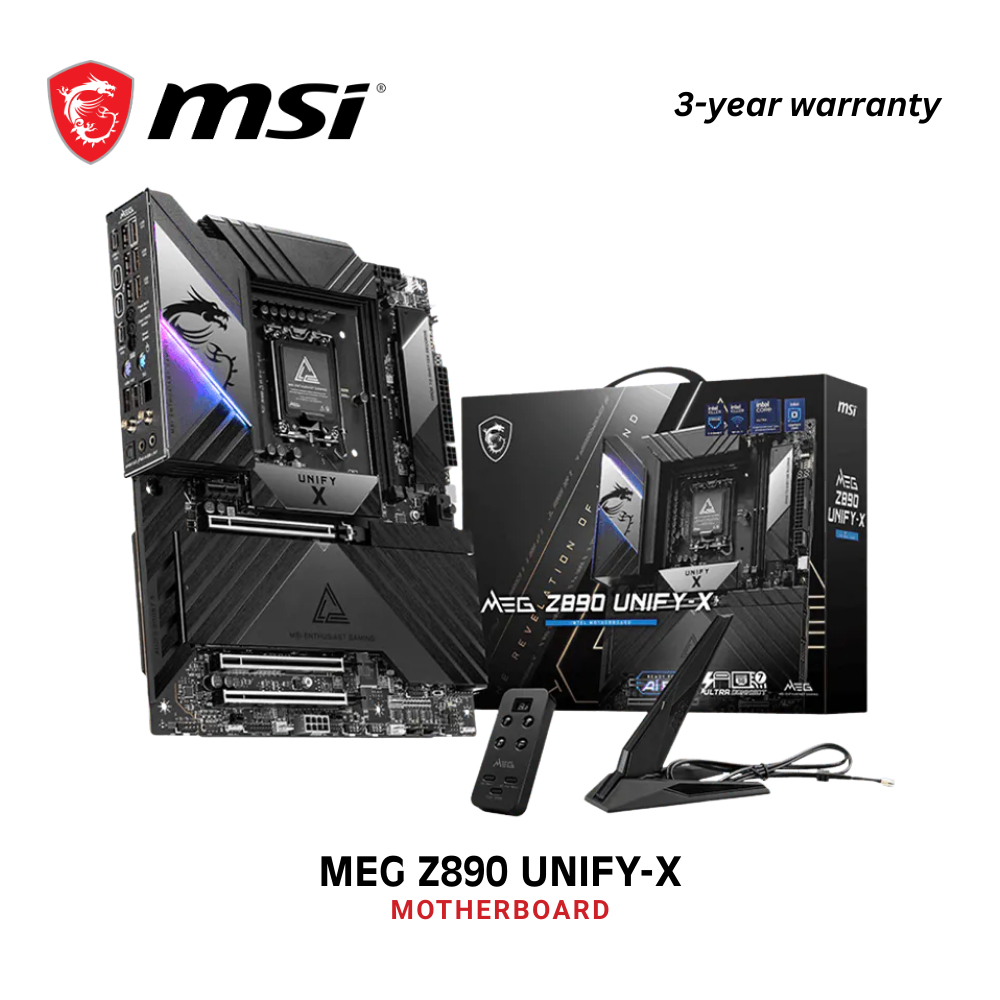
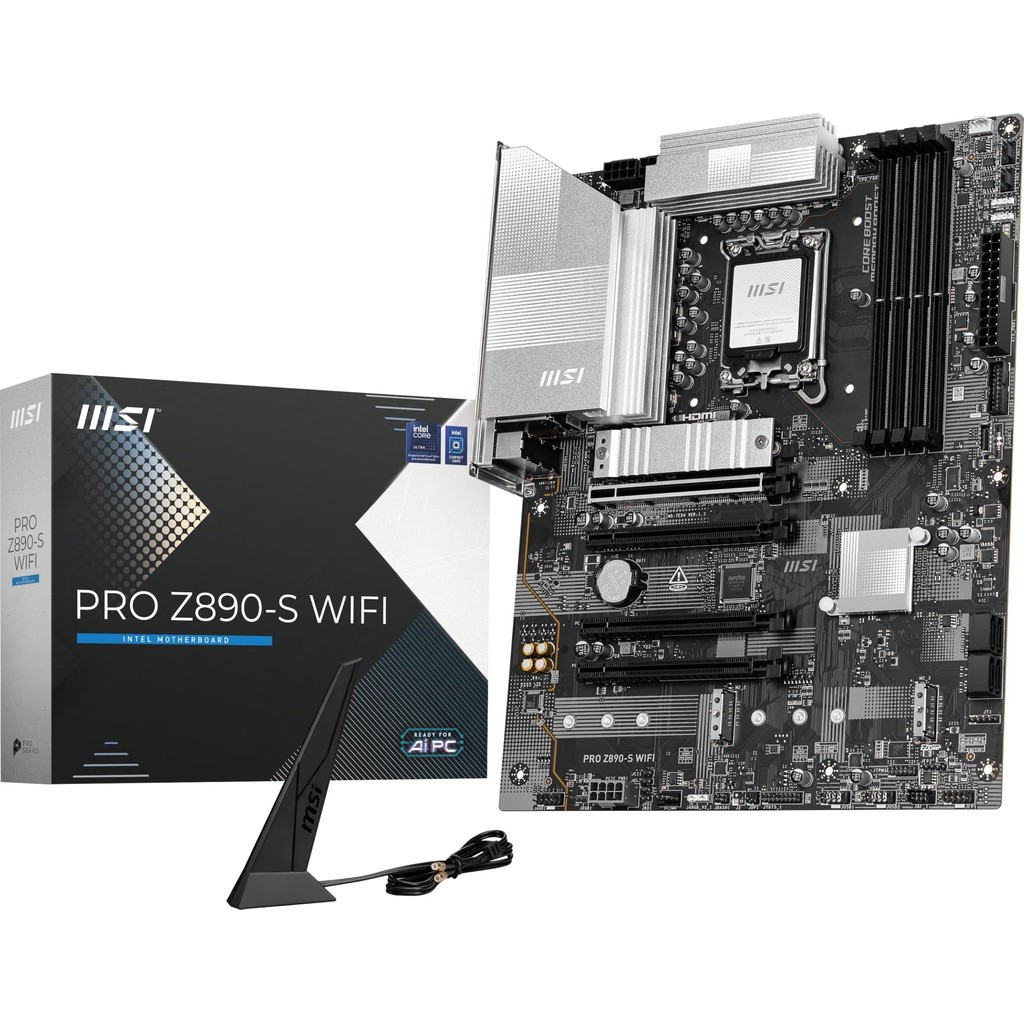
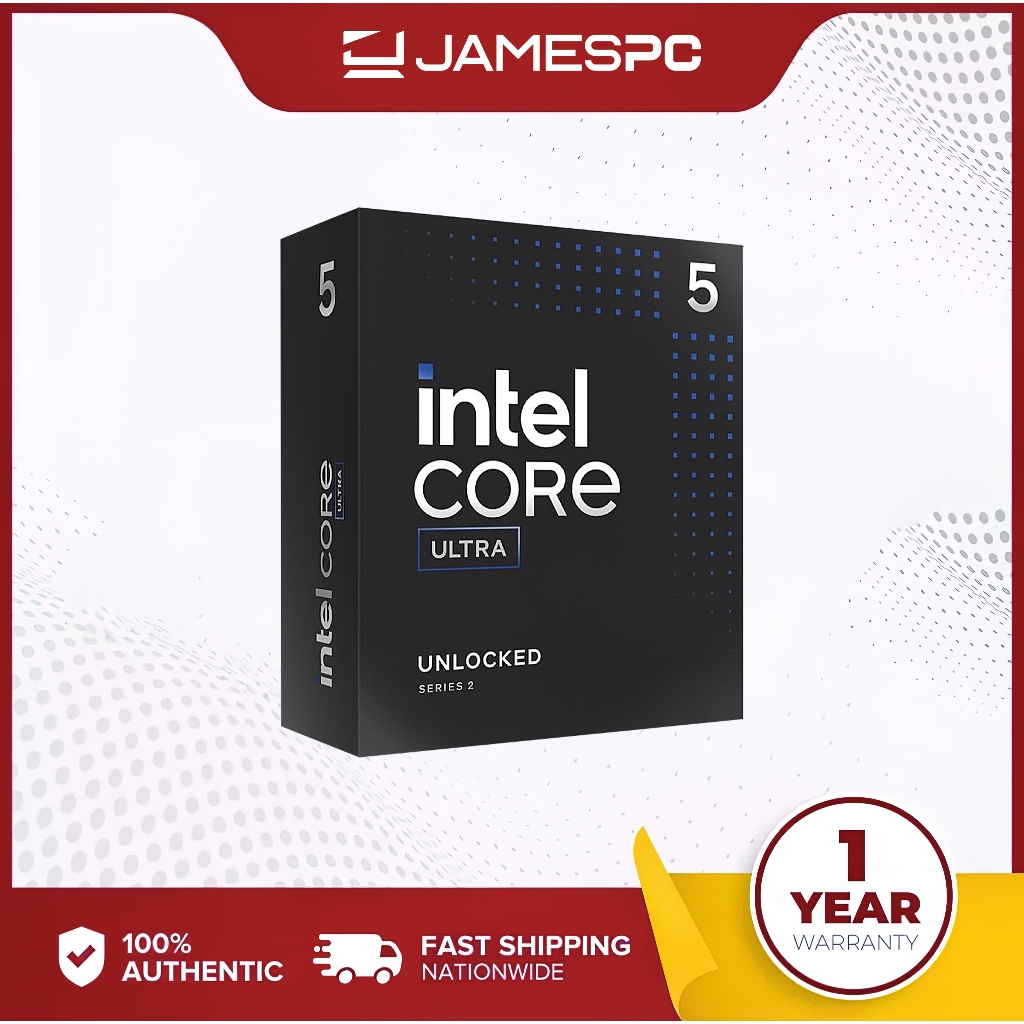
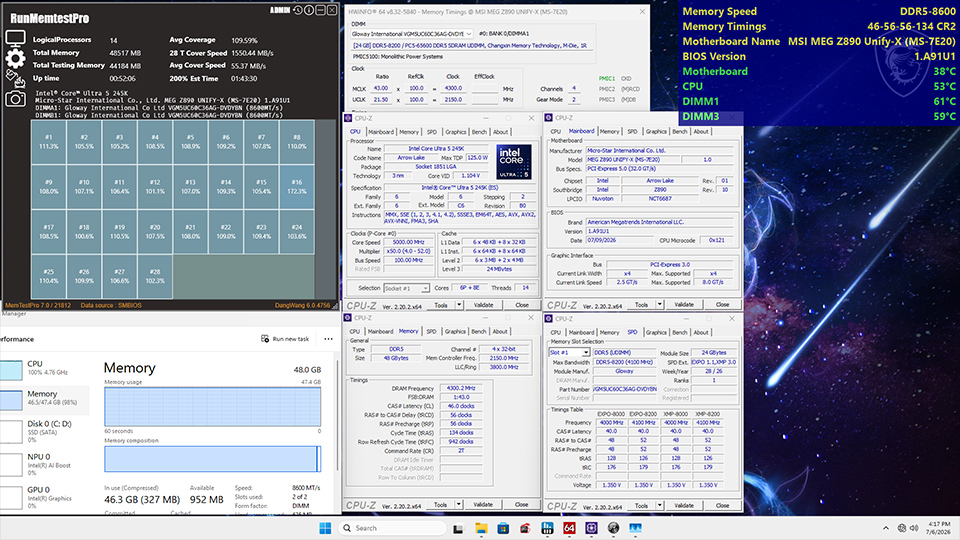
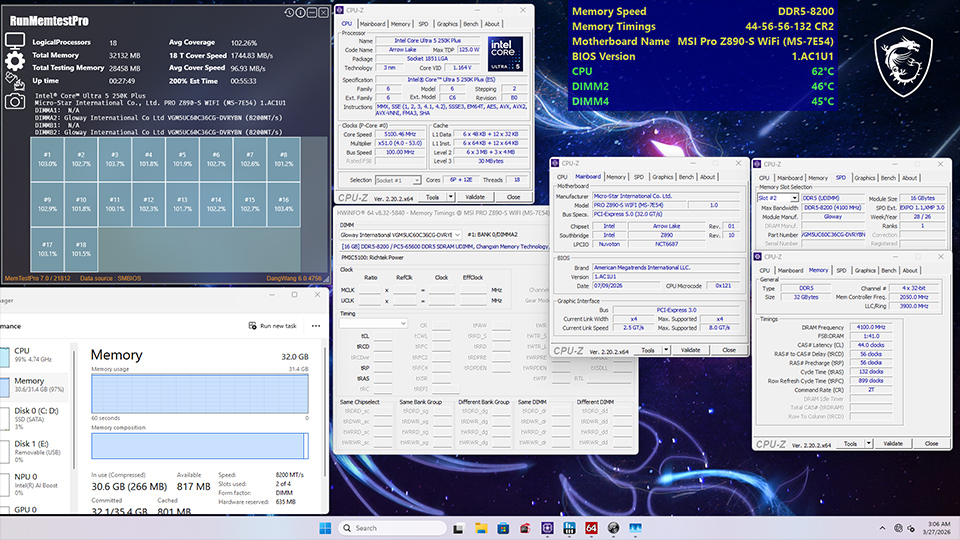
The big story on Intel is how far MSI is pushing CXMT DDR5 with the Z890 lineup. After dedicated memory tuning, these boards now hit DDR5‑8000+ with CXMT-based modules, from flagship overclocking designs to mainstream four‑DIMM models. The showcase result is on the MEG Z890 UNIFY‑X: paired with an Intel Core Ultra 5 245K and two 24 GB CXMT modules, MSI validated DDR5‑8600 at 46‑56‑56‑134 timings, passing MemTest beyond 100% coverage. That is not a screenshot OC; it is a stability statement. On the more modest PRO Z890‑S WIFI, MSI still validated DDR5‑8200 with a Core Ultra 5 250K Plus and 2×16 GB CXMT sticks, also clearing MemTest at 44‑56‑56‑132.
According to MSI, these gains come from improved memory training routines and timing optimizations tailored for CXMT ICs, allowing much higher effective speeds without manual tweaking. The key point: this is not only for stripped-down two‑DIMM OC boards. When a mainstream four‑slot board can run DDR5‑8200 stably, high-speed memory stops being a lab demo and starts being a realistic configuration for a wide range of builders.
CXMT DDR5 Performance: From “Budget Chips” to Serious Contender
CXMT used to be treated as the cheap alternative: attractive pricing but limited headroom. That reputation is now out of date. CXMT-based DDR5 modules have grown popular thanks to their competitive pricing and strong value, yet their frequency ceiling lagged behind better-known DRAM brands. MSI’s results show that the limitation was less about CXMT’s silicon and more about how well motherboard firmware understood and trained it.
On Z890, CXMT kits are sustaining DDR5‑8600 and DDR5‑8200 with full MemTest coverage, demonstrating stability under extended memory workloads. That is performance parity territory with top-end kits, without needing exotic voltages or manual subtiming wizardry. At the same time, reports that CXMT’s DRAM wafer capacity is heading toward parity with major incumbents suggest these modules will become much more widely available over time. Taken together, this means the old equation—“high frequency equals high brand premium”—is starting to crack. If CXMT can deliver this level of performance at its usual aggressive pricing, the memory market is about to get more competitive in all the right ways.
From Enthusiast Trick to Mainstream High-Speed Memory Upgrade
What turns this into a mainstream story is not the raw frequency record, but how MSI is packaging it. The company is folding its new CXMT tuning into the MEMORY TRY IT feature, so instead of manually adjusting frequencies, voltages and dozens of timing parameters, users can choose pre‑validated high‑frequency profiles straight from the BIOS. As validation continues, more high‑frequency options will be added over time. That shift removes the traditional barrier that kept DDR5‑8000+ in the hands of expert overclockers. High‑speed memory performance becomes accessible to more users, not just veterans.
For anyone planning a new build on Intel Z890 or a current AMD platform, this makes a high-speed memory upgrade far easier to justify. Dedicated firmware now exists on both Intel and AMD boards to support this rapidly expanding segment of the DDR5 market. And as CXMT DDR5 modules become more common worldwide over time, builders will be able to maximize memory bandwidth without chasing boutique kits or paying a steep brand tax. The smart move for upgraders is clear: pick a board with these BIOS updates, then let the firmware do the hard work.