
SteamOS and Proton: the real plan behind better Windows games on Linux
SteamOS updates and Proton compatibility fixes are ongoing system and compatibility changes from Valve that aim to make Windows games run smoothly on Linux, especially on the Steam Deck and other SteamOS devices, by constantly patching performance issues, rendering bugs, and game‑specific problems to narrow the gap with playing on Windows.
The headline story is simple: if you are gaming on Linux today, SteamOS and Proton updates are no longer side notes—they are your lifeline. Valve launched the latest update to Proton Experimental to bring more fixes for running Windows games on SteamOS / Linux including Steam Deck and Steam Machine. At the same time, it released two new versions of SteamOS Linux, SteamOS 3.8.23 Beta and SteamOS 3.8.15, to address performance regressions and HDR issues. This dual track—system patches plus compatibility tweaks—shows a clear strategy: make Steam Deck gaming and desktop Linux feel less like a science project and more like a console experience for Windows games on Linux.
Proton Experimental: Diablo IV, Marvel Rivals, and the quiet work of compatibility
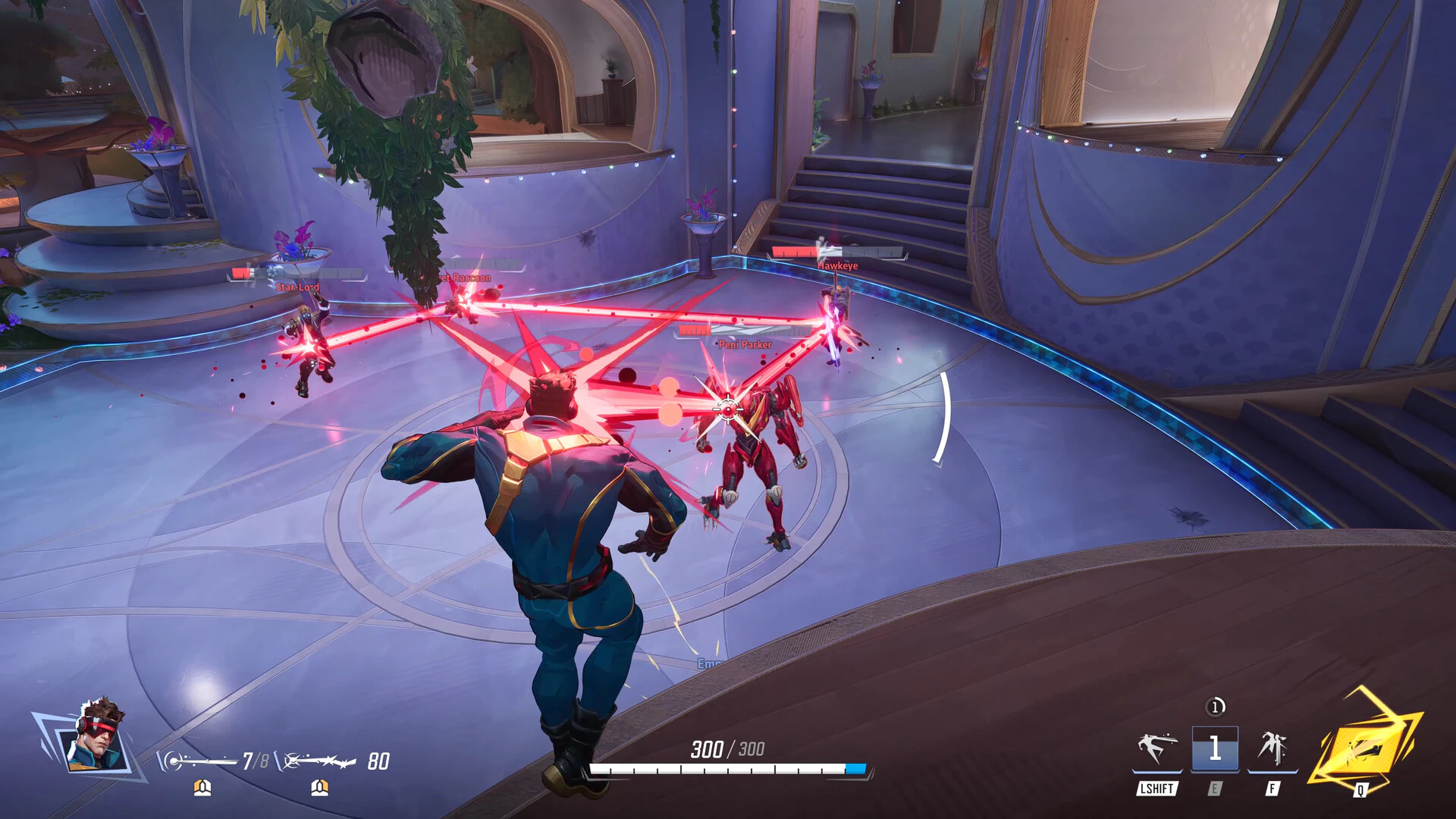
If you care about Windows games on Linux, Proton Experimental is where the real action is happening. Valve’s latest July 15 update makes Heroes of the Three Kingdoms 7 newly playable and fixes a string of regressions in popular titles. Diablo IV had become unplayable after a recent game update; Proton Experimental now restores it. Marvel Rivals was crashing for the same reason, and that too is now fixed. RPGMaker Engine games freezing when minimized inside gamescope have been addressed, alongside sprite rendering in Zombie Estate 2 and audio dropouts in Touhou Danmaku Kagura Phantasia Lost.
This is not glamorous, but it is decisive. Proton Experimental is described as their testing ground for future stable numbered version Proton updates, with those fixes eventually rolling into Proton 11 and beyond. In other words, every time a big live‑service title like Diablo IV breaks, Valve’s first response is to fix it here, then promote those changes forward. According to one report, “Some of the fixes we reported in previous articles…for the likes of Diablo IV and Marvel Rivals…are now in Proton Experimental.” The message is clear: major Windows releases will not be left to rot on Linux just because the game updated.
SteamOS 3.8.15 and 3.8.23: fixing what 3.8 broke and making HDR playable
On the system side, SteamOS updates are cleaning up after a rough 3.8 rollout. Many Steam Deck gamers recently noticed with the SteamOS 3.8 release they were seeing poor performance compared with the previous stable release, a regression that was widely reported. SteamOS 3.8.15 on the stable channel directly tackles this, fixing an issue that would result in degraded performance when composition was required, such as when having FSR enabled.
More importantly for visual quality, the same SteamOS 3.8.15 update fixed an issue preventing enabling HDR in Assassin's Creed Black Flag Resynced. That is a small bullet point with a big implication: HDR is part of how modern Windows games sell their visuals, and without reliable HDR rendering, Linux ports and Proton builds will always feel compromised. The 3.8.23 Beta brings a different set of polishing touches: it fixes delayed start time for some games under Proton when no capture device is present and includes general security and stability improvements. However, the beta still suffers from the degraded performance issue with composition and FSR, and users are advised to switch back to stable while Valve works on bringing the fix to the beta channel.
What these cumulative fixes say about Valve’s Linux strategy
Taken together, these patches show a clear philosophy: SteamOS updates and Proton compatibility fixes are being treated as a continuous service, not as occasional technology demos. Valve launched the latest update to Proton Experimental to bring more fixes for running Windows games on SteamOS / Linux including Steam Deck and Steam Machine, while also releasing two new versions of SteamOS Linux—3.8.23 Beta and 3.8.15—to tackle performance and stability. This rhythm is what slowly closes the Windows‑to‑Linux gaming gap.
The reality is that some games are still blocked by anti‑cheat systems outside Valve’s control, and those walls will not fall overnight. But for every regression fixed in Proton 11, for every HDR toggle that finally works, the friction of choosing Steam Deck gaming or desktop Linux shrinks. If you are a Linux enthusiast, the practical takeaway is blunt: keep an eye on Proton Experimental for new Windows game support, stay on SteamOS stable if you value predictable performance, and understand that your bug reports are feeding directly into this fast‑moving, cumulative effort.