
300Hz Gaming Laptop Displays: The New Status Symbol
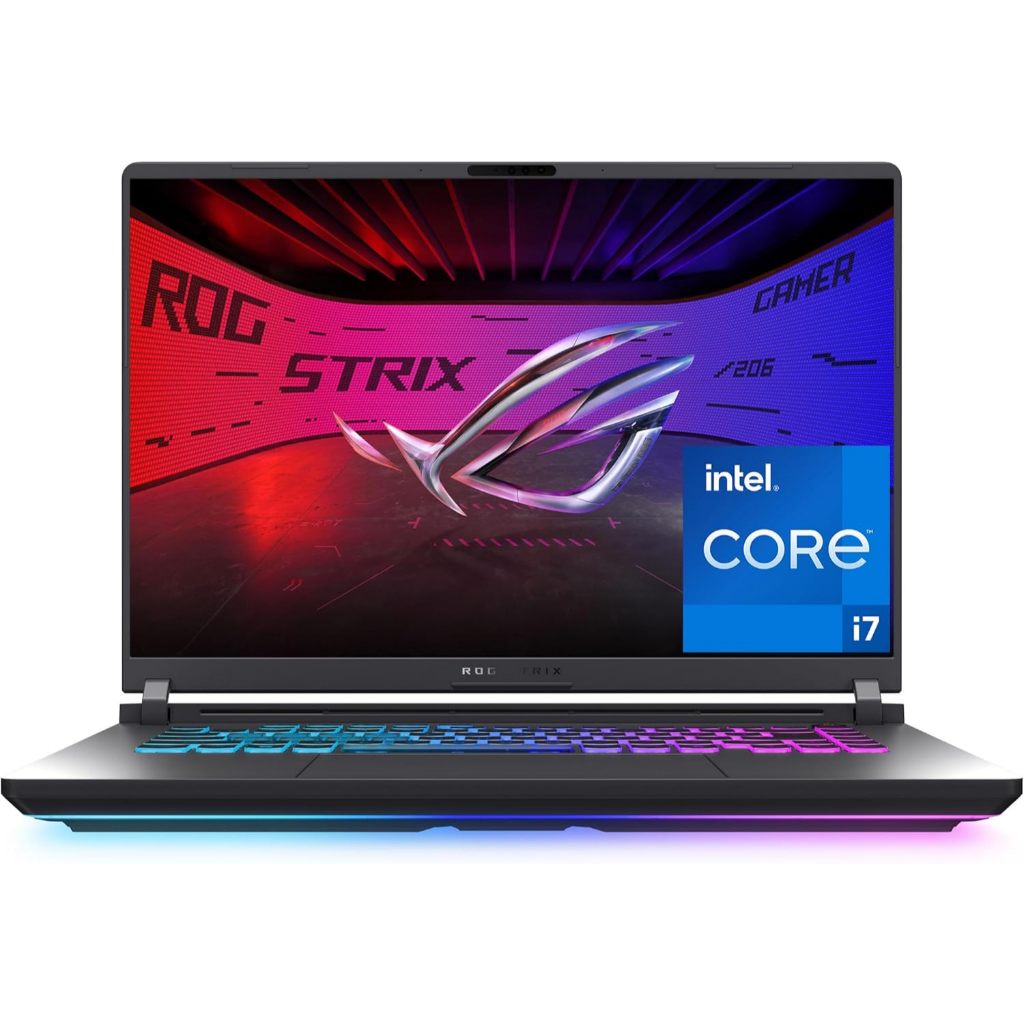
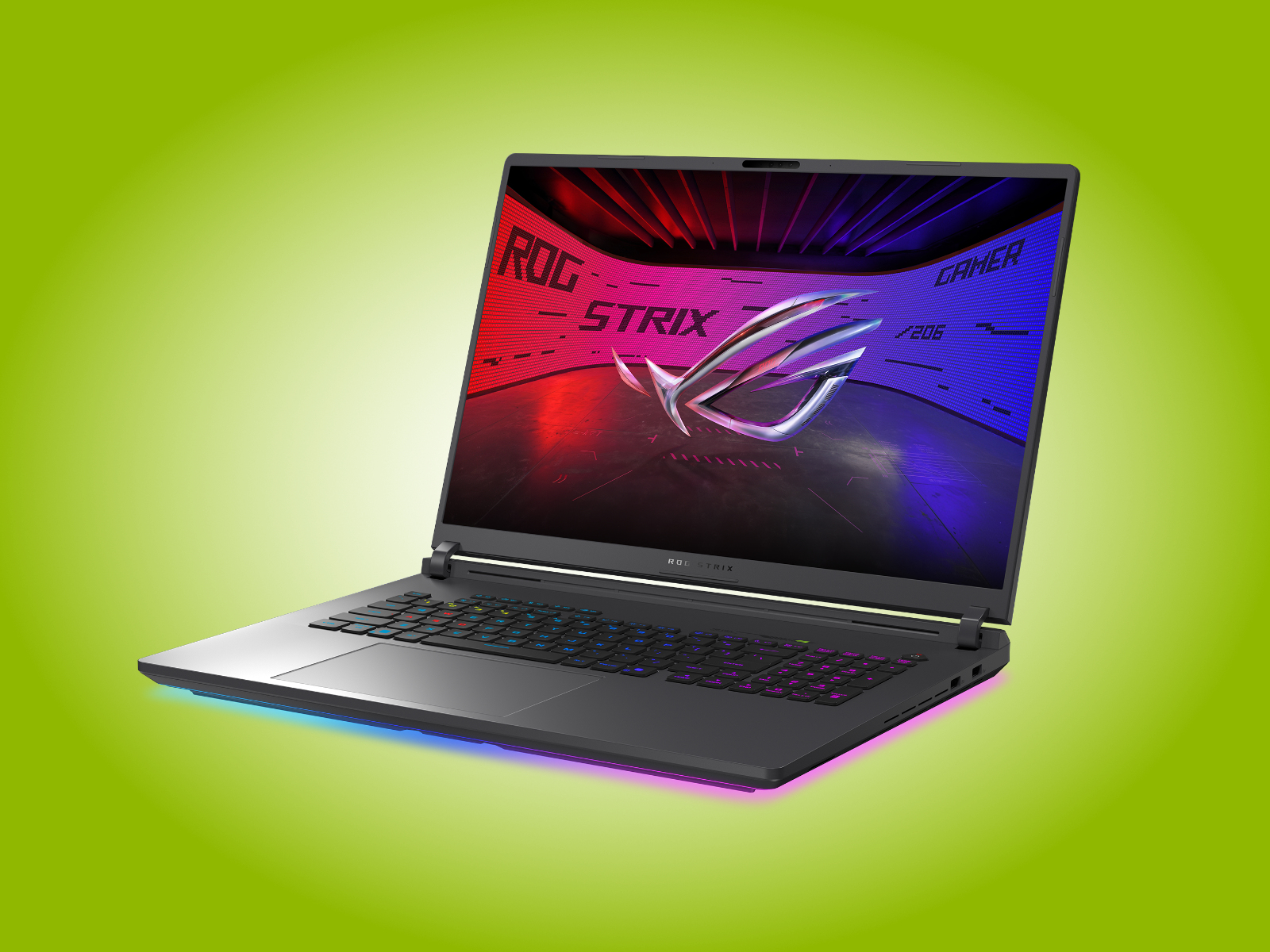
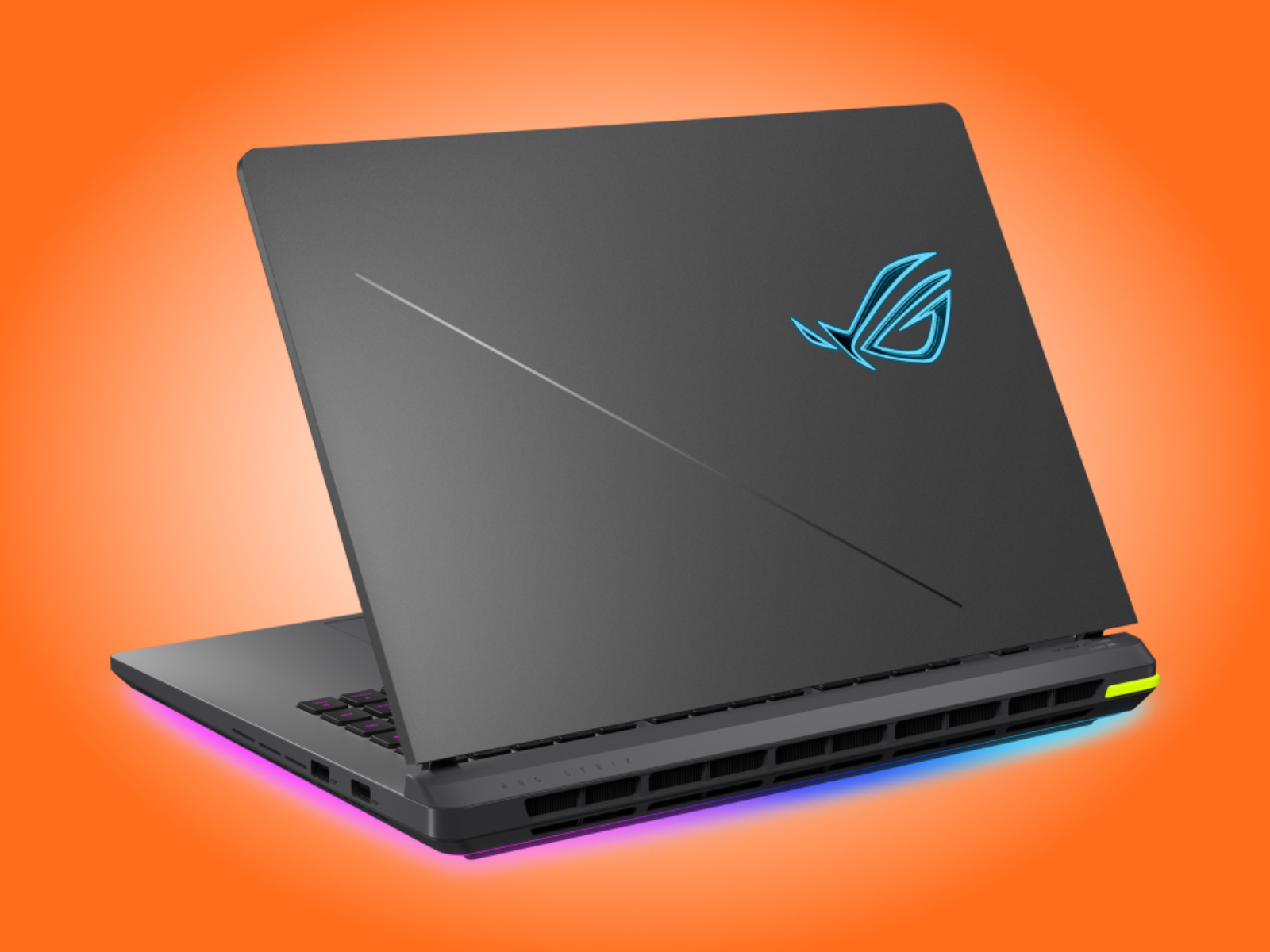
A 300Hz gaming laptop display is an LCD or similar panel designed to refresh the image on screen 300 times per second, targeting smoother motion and lower input latency in fast-paced games compared with 60Hz, 144Hz, or 240Hz screens, and now serves as a marquee specification in high refresh rate laptops marketed to competitive players. Another upgrade over the 2025 edition of the ROG Strix G16 is the inclusion of a 300 Hz display, turning what was once an extreme spec into a headline feature. The panel remains a 1600p IPS screen, but it only reaches that headline refresh rate when its discrete GPU is running in Ultimate mode. Otherwise, it tops out at 240 Hz, matching the previous generation. That caveat says a lot: manufacturers are selling peak numbers that depend on aggressive profiles, even as they keep a 90Wh battery capacity in these machines to avoid scaring off buyers who still care about unplugged use.
Specs Arms Race: Prices, Panels, and Power Modes
The leap to 300Hz comes with clear segmentation. Lower-end ROG Strix G16 models fall back to a 1200p resolution and a 165 Hz panel that peaks at a modest 300 nits, underlining that ultra-high refresh is being reserved for premium tiers. Pricing starts at £2,599, discounted from £2,799, for one of these 16‑inch configurations, while another ROG Strix G16 variant with a GeForce RTX 5070 8GB laptop GPU, 32 GB of RAM and 1 TB of storage sells for CAD 3,299 on one major retailer and CAD 3,699 directly from the manufacturer. Those numbers show how a 300Hz gaming laptop display is being used to justify higher price brackets rather than being a mainstream baseline. The catch that 300Hz only appears in Ultimate dGPU mode is the fine print: the real-world experience often lives at 240Hz, even on hardware marketed as 300Hz-ready.
Mini LED Enters the Ring: Brightness and HDR Over Raw Hz
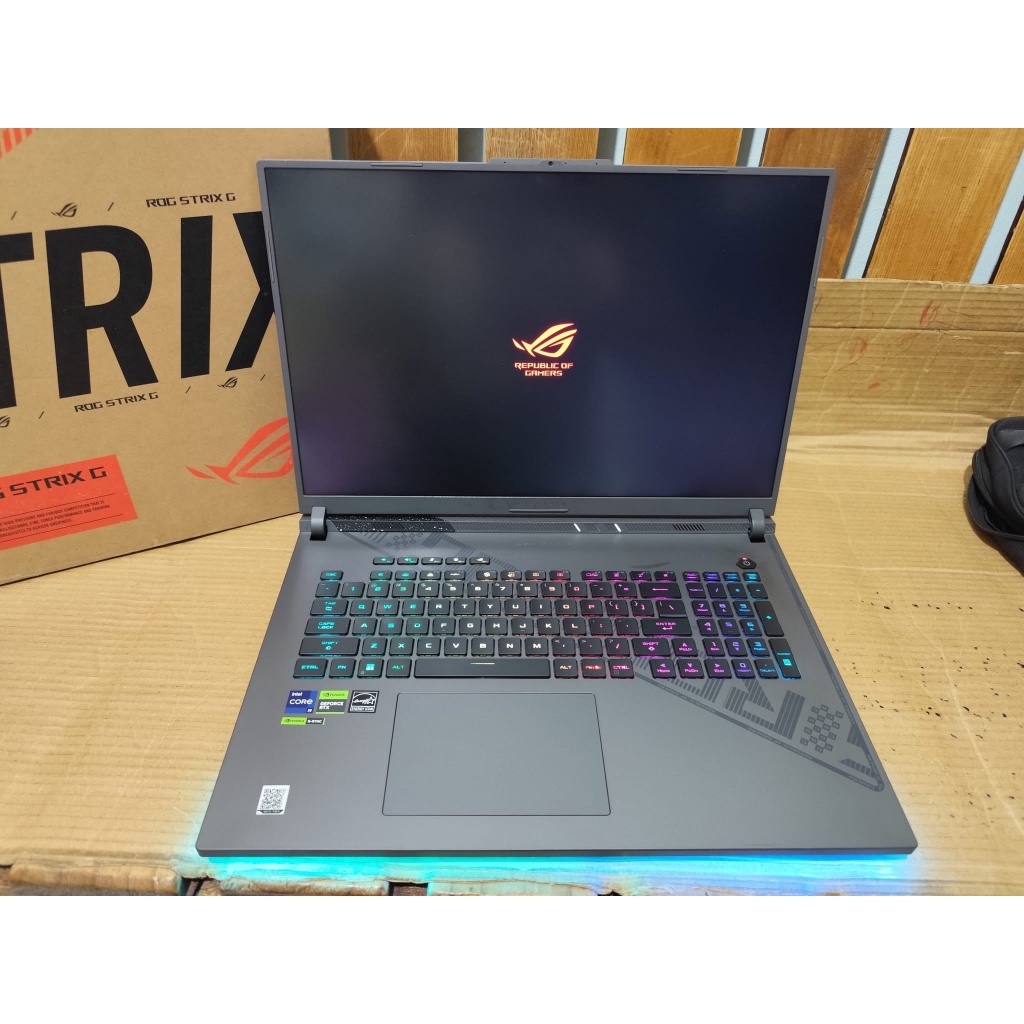
While one branch of gaming laptop display technology chases ever-higher refresh rates, another is betting on image quality and HDR punch. The ROG Strix G18 keeps its hefty chassis at over 3 kg and retains a 90 Wh battery, but raises the stakes with a Mini LED option tied to a GeForce RTX 5080 laptop GPU. That configuration is priced at £3,699 with 32 GB of RAM and a 2 TB SSD, more than 25% above its RTX 5070 Ti counterpart that already starts at CAD 4,399, €3,099, HKD 27,998, £2,899 and $3,299 (approx. ₱190,000). In other words, Mini LED HDR — with its higher brightness and finer backlight control — commands a steep premium. OLED vs Mini LED gaming is no longer a theoretical debate; Mini LED is being strategically paired with top-tier GPUs and higher prices, signaling that manufacturers see HDR spectacle as just as marketable as refresh rate bragging rights.
High Refresh Rate Laptops vs Real Performance Needs
Taken together, these launches show display specs sprinting faster than the rest of the laptop. The ROG Strix G16’s 1600p IPS panel that scales between 240Hz and 300Hz depending on dGPU mode, and the ROG Strix G18’s Mini LED option reserved for expensive RTX 5080 builds, reveal a pattern: displays are now the primary marketing weapon. Yet the reliance on Ultimate profiles to hit peak refresh and the strong price cliffs between standard and Mini LED panels challenge the idea that these advances serve everyday gaming needs. The industry narrative frames 300Hz gaming laptop displays and HDR Mini LED panels as must‑have upgrades, but the fine print — segmented refresh rates, panel tiers, and aggressive pricing — suggests they function more as status symbols than balanced improvements. Buyers should treat display tech as one part of the package, not the sole reason to climb to the most expensive configuration.
Conclusion: Impressive Screens, Compromised Balance
The new generation of high refresh rate laptops proves that the screen has become the star of the show. A 300Hz IPS panel on the ROG Strix G16 that depends on Ultimate dGPU mode, and a Mini LED option tied to RTX 5080 pricing on the ROG Strix G18, both highlight how vendors are pushing visual specs as the main differentiator. But when peak refresh, HDR brightness, and panel type are locked behind higher prices and power-hungry modes, the result is a skewed balance between display ambition and holistic performance. Gamers should admire the progress in gaming laptop display technology — from 165Hz entry panels to 300Hz flags and Mini LED HDR — while staying skeptical of whether these jumps match practical needs. The most sensible path is to see displays as part of a broader trade-off, not as stand-alone trophies worth any premium.