
Smart glasses are popular—and suddenly awkward to wear outside
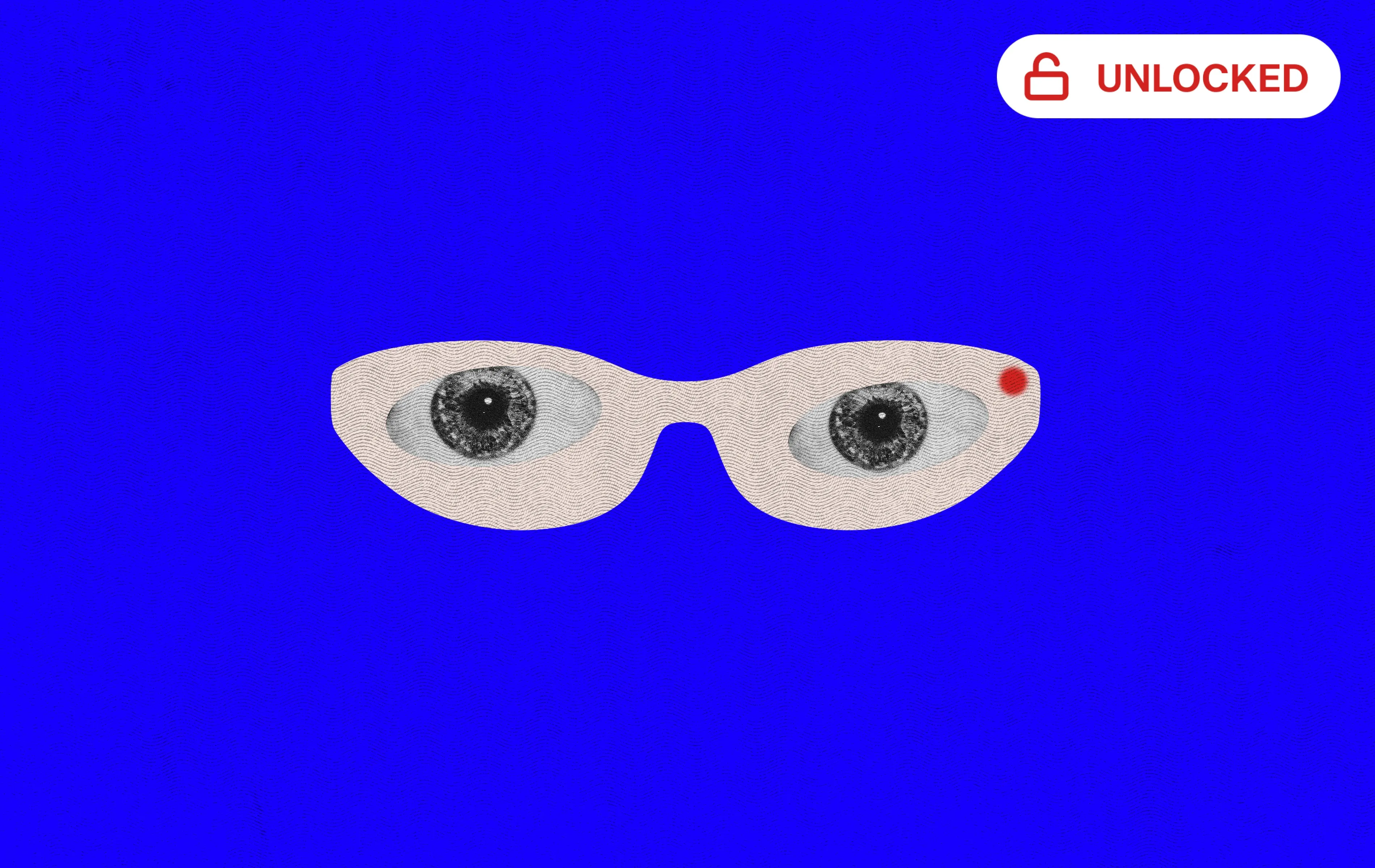
Smart glasses are networked camera and audio devices built into normal-looking eyewear that promise hands-free photos, video, and AI assistance, but they also raise serious smart glasses privacy concerns by turning every wearer into a potential mobile surveillance node whenever the glasses are activated.
The paradox of today’s smart glasses is stark: shipments are soaring while many owners are quietly leaving them at home. Global smart glasses shipments grew 110 percent year over year in the first half of 2025 and almost 140 percent in the second half, with one dominant platform claiming 82 percent of the market. The adoption data says that this acquisition strategy is working, yet the way people use the devices is changing fast. Several early fans who loved hands-free photography and video now report that negative public perception makes them reluctant to wear smart glasses in crowded places or outside their homes at all. The devices are selling—but they are becoming socially radioactive in public.
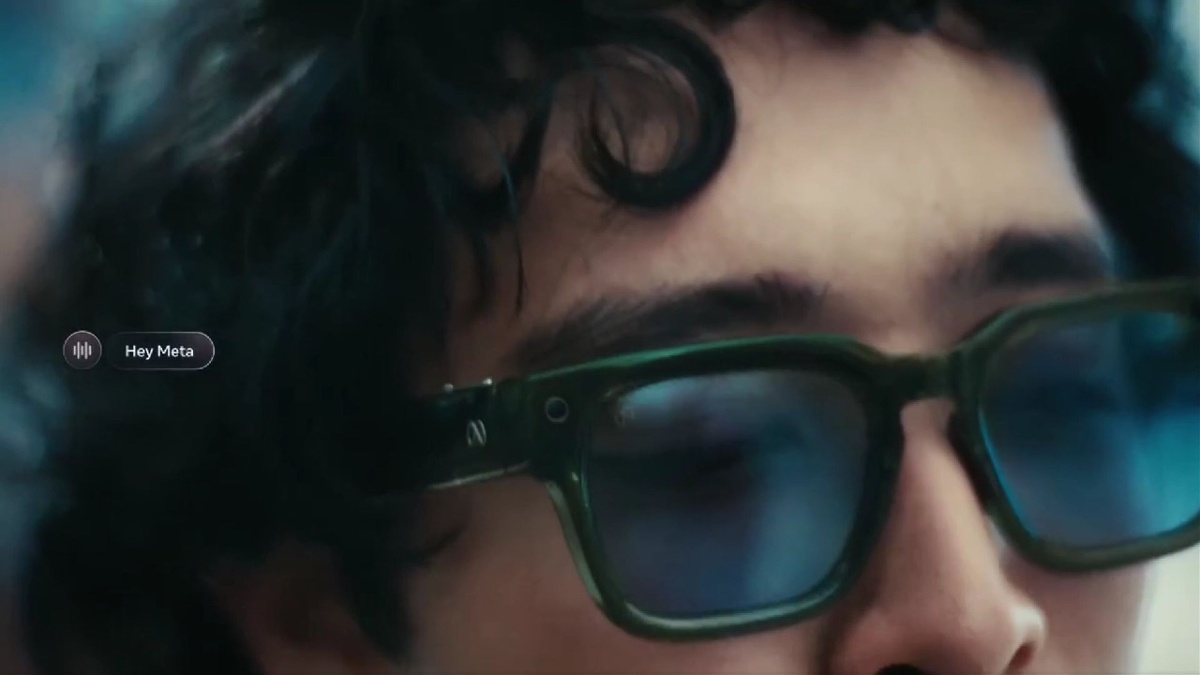
The hidden price of a USD 299 (approx. ₱16,700) pair of eyes
The most aggressive player in smart glasses adoption is leaning on price. Its glasses start at USD 299 (approx. ₱16,700), undercutting a USD 379 (approx. ₱21,200) Ray‑Ban line and a USD 499 (approx. ₱27,900) Oakley line, while a celebrity-branded edition runs USD 399 (approx. ₱22,300). Her Meta Starfire Kylie Edition glasses are USD 399—USD 100 (approx. ₱5,600) more than the base models—but come with her voice as the onboard AI assistant. This is the classic subsidized hardware play: make the wearable irresistible at the checkout counter to win the war for faces.
But that low sticker price hides a heavier privacy bill. As one analyst put it, the hardware costs you USD 299 (approx. ₱16,700), but you pay for everything else with yourself. The terms of service read like a novel; once activated, the glasses can see, hear, and infer everything around you. The privacy price—the hidden cost above the USD 299 (approx. ₱16,700) sticker—is an enormous loss of privacy that doesn’t only affect the owner. The passerby your lenses capture on the street never agreed to be filmed, cannot opt out, and often cannot even tell it is happening. This is the core of today’s Meta glasses surveillance fears: the bargain is cheap for buyers and wildly expensive for everyone in their field of view.
Creators are retreating: surveillance fears beat convenience
The people who should love smart glasses most—creators, vloggers, and photographers—are starting to pull back from using them in public. Some early adopters bought them for mountain bike rides, street photography, and casual life-logging, then stuffed them into sock drawers after realizing they had paid to build their own wearable panopticon. Others told a tech outlet that while they remain happy with design, audio, and video quality, concerns over privacy and reports of the technology being misused outweigh the convenience of hands-free shooting.
That misuse is no longer hypothetical. In January, one broadcaster reported on men using these glasses to film women in public and post the footage; one clip of a 21‑year‑old woman, phone number visible, drew more than 1 million TikTok views. Immigration and border agents in at least six states have been spotted wearing the same consumer smart glasses during enforcement operations, against their own department’s rules on personal recording devices. Against that backdrop, it is no surprise that many owners now avoid wearing the devices in busy areas, tweak settings to make clear when they are not recording, or abandon filming strangers altogether. The social license for casual, always-on recording is eroding.
Wearable privacy issues are reshaping when and where glasses get used
Smart glasses sit at the uncomfortable frontier of wearable privacy issues. Earlier wearables like smartwatches and fitness rings turned biometric self-monitoring into jewelry, but their sensors mostly pointed inward, toward your steps, heart rate, or sleep. Camera glasses flip that direction. They point outward at everyone around you, logging faces, interactions, and locations. “Surveillance is trendy now,” one commentator observed, but trendiness collapses once people realize they are part of the footage, not the customer.
That realization is spreading. Users told interviewers they are uneasy about the platform’s privacy practices and the potential for misuse, even as they praise the hardware. The backlash intensified after reports of possible facial recognition capabilities under development and growing online criticism of wearable cameras. Social media is doing what regulators have not: setting norms in real time. Without a single law changing, negative online discussion has persuaded many owners to keep their glasses at home or limit them to private spaces. In effect, privacy concerns are now dictating the geography of smart glasses adoption—acceptable in the living room, suspect on the sidewalk.
Can software updates and rules rescue public trust?
Faced with growing Meta glasses surveillance fears, the main platform is trying to prove it takes consent seriously. It points to a recording indicator light and in-app privacy controls, but that is not much when most bystanders cannot see the tiny LED. Under pressure, the company announced a mandatory software update that disables the camera if that indicator light is tampered with and pledged legal action against services that sell stealth mods to hide when recording is active. Those are welcome steps, but they are bandages on a deeper trust problem: no one on the street opted into this ecosystem.
Meanwhile, the state is moving to formalize its own use of the technology. One major security agency has asked lawmakers for USD 7.5 million (approx. ₱419 million) in its 2027 budget for “operational prototypes of smart glasses” and other field technologies. That request, combined with the existing pattern of agents informally wearing consumer devices on operations, signals that camera glasses are drifting from lifestyle accessory toward institutional surveillance tool. If that happens while consumer users are already uneasy, smart glasses privacy concerns will harden into long-term public resistance. Unless designers, regulators, and platforms draw bright lines around recording and data collection now, smart glasses adoption will keep growing on paper while the devices themselves stay tucked away in drawers.